宗教家
Lucifer of Cagliari
201 - 371
 Lucifer of Cagliari
Memorability Metrics
45k
Page Views
Past 12 months
65.98
HPI
Historical Popularity Index
Page views of Lucifer of Cagliari by language
Among 宗教家
Among 宗教家, Lucifer of Cagliari ranks 1,109 out of 3,187. Before him are Martin of Braga, Joseph II of Constantinople, Karekin II, Rahotep, Fridolin Ambongo Besungu, and Gerard Majella. After him are Jean-Marc Aveline, Nahshon, Mohammad Hussein Fadlallah, Donatus Magnus, Gabriel of Our Lady of Sorrows, and Óscar Rodríguez Maradiaga.
Most Popular 宗教家 in Wikipedia
Go to all Rankings
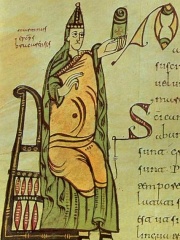
Martin of Braga
520 - 580
HPI: 66.01
Rank: 1,103
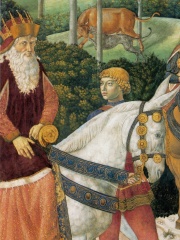
Joseph II of Constantinople
1360 - 1439
HPI: 66.01
Rank: 1,104
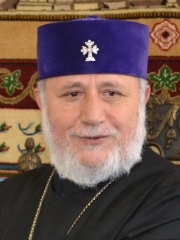
Karekin II
1951 - Present
HPI: 65.99
Rank: 1,105
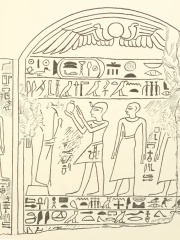
Rahotep
1650 BC - Present
HPI: 65.99
Rank: 1,106
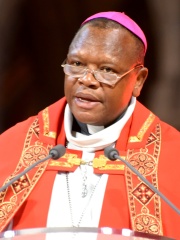
Fridolin Ambongo Besungu
1960 - Present
HPI: 65.99
Rank: 1,107
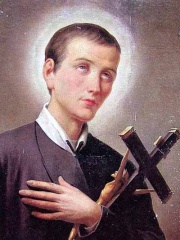
Gerard Majella
1726 - 1755
HPI: 65.99
Rank: 1,108
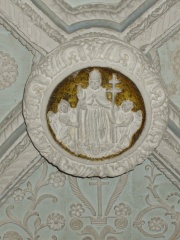
Lucifer of Cagliari
201 - 371
HPI: 65.98
Rank: 1,109
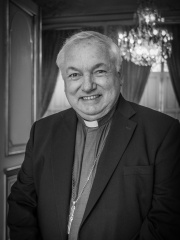
Jean-Marc Aveline
1958 - Present
HPI: 65.98
Rank: 1,110

Nahshon
HPI: 65.96
Rank: 1,111

Mohammad Hussein Fadlallah
1935 - 2010
HPI: 65.96
Rank: 1,112
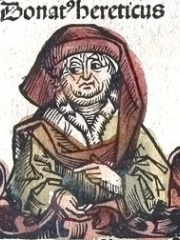
Donatus Magnus
250 - 355
HPI: 65.94
Rank: 1,113
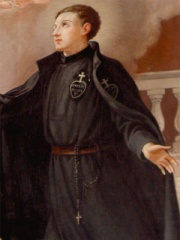
Gabriel of Our Lady of Sorrows
1838 - 1862
HPI: 65.94
Rank: 1,114
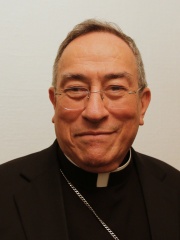
Óscar Rodríguez Maradiaga
1942 - Present
HPI: 65.94
Rank: 1,115

Contemporaries
Among people born in 201, Lucifer of Cagliari ranks 3. Before him are Diophantus, and Decius. After him are Allectus, Annia Faustina, Alexander of Bergamo, Anatolius of Laodicea, Romanus of Caesarea, and Ursus of Solothurn. Among people deceased in 371, Lucifer of Cagliari ranks 2. Before him is Zeno of Verona. After him are Eusebius of Vercelli, and Gogugwon of Goguryeo.
Others Born in 201
Go to all Rankings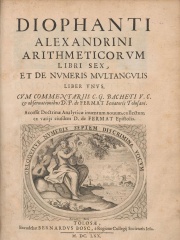
Diophantus
MATHEMATICIAN
201 - 300
HPI: 79.85
Rank: 1
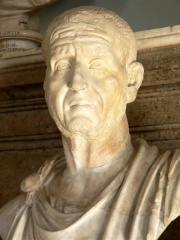
Decius
POLITICIAN
201 - 251
HPI: 78.93
Rank: 2
Lucifer of Cagliari
RELIGIOUS FIGURE
201 - 371
HPI: 65.98
Rank: 3
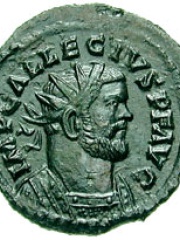
Allectus
POLITICIAN
201 - 296
HPI: 63.56
Rank: 4
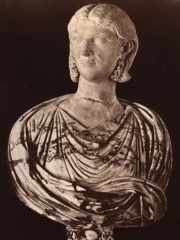
Annia Faustina
POLITICIAN
201 - 222
HPI: 63.53
Rank: 5
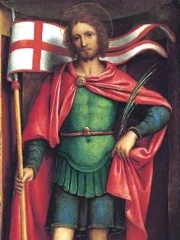
Alexander of Bergamo
RELIGIOUS FIGURE
201 - 303
HPI: 62.00
Rank: 6

Anatolius of Laodicea
RELIGIOUS FIGURE
201 - 283
HPI: 60.64
Rank: 7
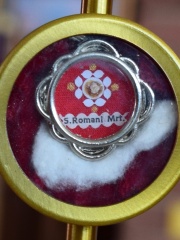
Romanus of Caesarea
RELIGIOUS FIGURE
201 - 303
HPI: 60.35
Rank: 8
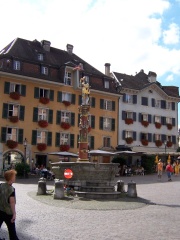
Ursus of Solothurn
RELIGIOUS FIGURE
201 - 300
HPI: 60.18
Rank: 9
Others Deceased in 371
Go to all Rankings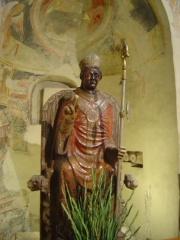
Zeno of Verona
RELIGIOUS FIGURE
300 - 371
HPI: 67.99
Rank: 1
Lucifer of Cagliari
RELIGIOUS FIGURE
201 - 371
HPI: 65.98
Rank: 2
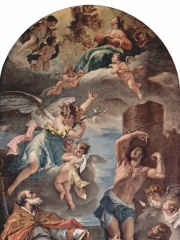
Eusebius of Vercelli
RELIGIOUS FIGURE
283 - 371
HPI: 64.58
Rank: 3
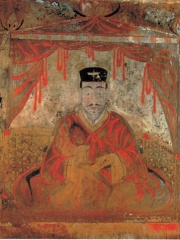
Gogugwon of Goguryeo
POLITICIAN
HPI: 59.14
Rank: 4
In イタリア
Among people born in イタリア, Lucifer of Cagliari ranks 1,496 out of NaN. Before him are Lucius Domitius Ahenobarbus (-49), Andrea Dandolo (1306), Milo Manara (1945), Fausto Sozzini (1539), Valentino Mazzola (1919), and Giuseppe Saragat (1898). After him are Alessandro Nesta (1976), Matteo Maria Boiardo (1441), Julia Drusilla (39), Quintus Hortensius (-114), Princess Maria Antonia of Naples and Sicily (1784), and Ercole III d'Este, Duke of Modena (1727).
Others born in イタリア
Go to all Rankings
Lucius Domitius Ahenobarbus
POLITICIAN
49 BC - 25
HPI: 66.04
Rank: 1,490
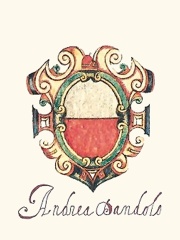
Andrea Dandolo
POLITICIAN
1306 - 1354
HPI: 66.04
Rank: 1,491
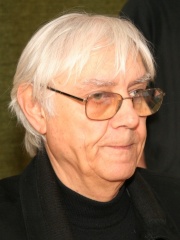
Milo Manara
COMIC ARTIST
1945 - Present
HPI: 66.02
Rank: 1,492
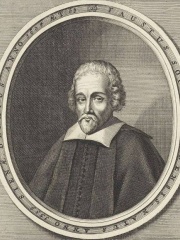
Fausto Sozzini
RELIGIOUS FIGURE
1539 - 1604
HPI: 66.01
Rank: 1,493

Valentino Mazzola
SOCCER PLAYER
1919 - 1949
HPI: 66.01
Rank: 1,494
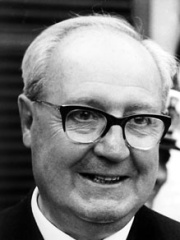
Giuseppe Saragat
POLITICIAN
1898 - 1988
HPI: 66.00
Rank: 1,495
Lucifer of Cagliari
RELIGIOUS FIGURE
201 - 371
HPI: 65.98
Rank: 1,496

Alessandro Nesta
SOCCER PLAYER
1976 - Present
HPI: 65.97
Rank: 1,497

Matteo Maria Boiardo
WRITER
1441 - 1494
HPI: 65.96
Rank: 1,498
Julia Drusilla
COMPANION
39 - 41
HPI: 65.95
Rank: 1,499

Quintus Hortensius
POLITICIAN
114 BC - 50 BC
HPI: 65.95
Rank: 1,500
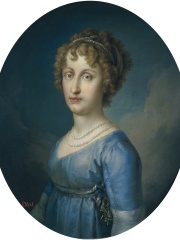
Princess Maria Antonia of Naples and Sicily
POLITICIAN
1784 - 1806
HPI: 65.95
Rank: 1,501
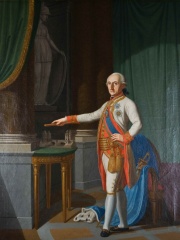
Ercole III d'Este, Duke of Modena
POLITICIAN
1727 - 1803
HPI: 65.94
Rank: 1,502
Among 宗教家 In イタリア
Among 宗教家 born in イタリア, Lucifer of Cagliari ranks 334. Before him are Saint Marcella (325), Saint Chrysogonus (250), Mary Magdalene de' Pazzi (1566), Ippolito de' Medici (1511), Paolo Giovio (1483), and Fausto Sozzini (1539). After him are Gabriel of Our Lady of Sorrows (1838), Beniamino Stella (1941), Gianna Beretta Molla (1922), Pierbattista Pizzaballa (1965), Henry Benedict Stuart (1725), and Felix of Cantalice (1515).
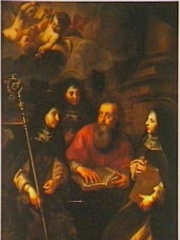
Saint Marcella
325 - 410
HPI: 66.40
Rank: 328
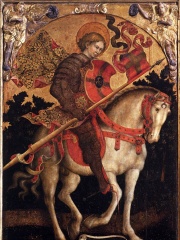
Saint Chrysogonus
250 - 303
HPI: 66.40
Rank: 329
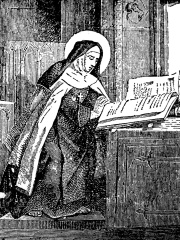
Mary Magdalene de' Pazzi
1566 - 1607
HPI: 66.38
Rank: 330
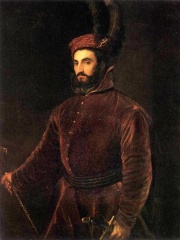
Ippolito de' Medici
1511 - 1535
HPI: 66.11
Rank: 331
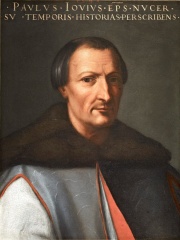
Paolo Giovio
1483 - 1552
HPI: 66.09
Rank: 332
Fausto Sozzini
1539 - 1604
HPI: 66.01
Rank: 333
Lucifer of Cagliari
201 - 371
HPI: 65.98
Rank: 334
Gabriel of Our Lady of Sorrows
1838 - 1862
HPI: 65.94
Rank: 335
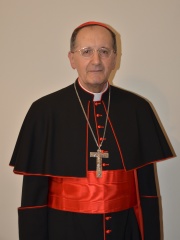
Beniamino Stella
1941 - Present
HPI: 65.93
Rank: 336

Gianna Beretta Molla
1922 - 1962
HPI: 65.91
Rank: 337
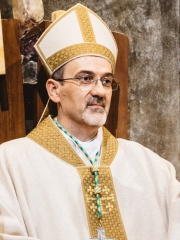
Pierbattista Pizzaballa
1965 - Present
HPI: 65.85
Rank: 338
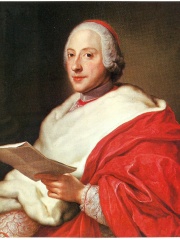
Henry Benedict Stuart
1725 - 1807
HPI: 65.79
Rank: 339
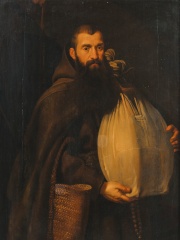
Felix of Cantalice
1515 - 1587
HPI: 65.76
Rank: 340




