Trener
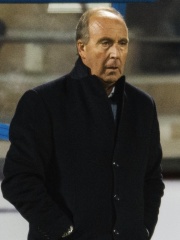
Walter Zenga
1960 - obecnie
WYŚWIETLENIA PL.WIKIPEDIA (PV)
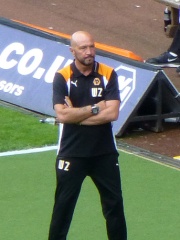
 Walter Zenga
Jego biografia jest dostępna w 42 różnych językach w Wikipedii. Walter Zenga jest 86. najpopularniejszym trener (spadek z 82. w 2024 roku), 1743. najpopularniejszą biografią Włochy (spadek z 1590. w 2019 roku) oraz 15. najpopularniejszym trener Włochy.
Wskaźniki rozpoznawalności
320k
Wyświetlenia strony
Ostatnie 12 miesięcy
64.61
HPI
Indeks historycznej popularności
Ciekawostki z danych
42
Biografia postaci Walter Zenga występuje w 42 wersjach językowych Wikipedii — w większej liczbie niż u 85% wszystkich Trener.
28 kwi
Walter Zenga obchodzi urodziny tego samego dnia (28 kwietnia) co Edward IV of England, Saddam Hussein i Oskar Schindler.
Wyświetlenia strony Walter Zenga według języka
Wśród przedstawicieli zawodu Trener
Wśród przedstawicieli zawodu „Trener” Walter Zenga zajmuje 86. miejsce na 471. Przed nim są Phil Jackson, Dušan Ivković, Cesare Prandelli, Edmund Conen, Zlatko Dalić, i Otto Barić. Po nim są Andreas Köpke, Roberto Donadoni, Vanderlei Luxemburgo, Ange Postecoglou, Ralf Rangnick, i Pierre Littbarski.
Najpopularniejsi w Wikipedii: Trener
Zobacz wszystkie rankingi
Phil Jackson
1945 - obecnie
HPI: 64.85
Miejsce: 80
Dušan Ivković
1943 - 2021
HPI: 64.85
Miejsce: 81
Cesare Prandelli
1957 - obecnie
HPI: 64.84
Miejsce: 82
Edmund Conen
1914 - 1990
HPI: 64.77
Miejsce: 83
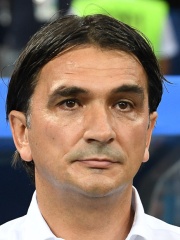
Zlatko Dalić
1966 - obecnie
HPI: 64.76
Miejsce: 84

Otto Barić
1933 - 2020
HPI: 64.73
Miejsce: 85
Walter Zenga
1960 - obecnie
HPI: 64.61
Miejsce: 86
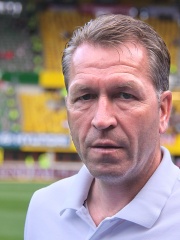
Andreas Köpke
1962 - obecnie
HPI: 64.56
Miejsce: 87
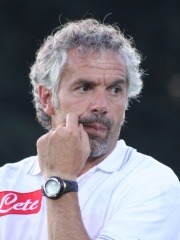
Roberto Donadoni
1963 - obecnie
HPI: 64.46
Miejsce: 88
Vanderlei Luxemburgo
1952 - obecnie
HPI: 64.36
Miejsce: 89
Ange Postecoglou
1965 - obecnie
HPI: 64.36
Miejsce: 90
Ralf Rangnick
1958 - obecnie
HPI: 64.36
Miejsce: 91
Pierre Littbarski
1960 - obecnie
HPI: 64.35
Miejsce: 92

Współcześni
Wśród osób urodzonych w 1960 roku Walter Zenga zajmuje 78. miejsce. Przed nim są Fayez al-Sarraj, Neil Gaiman, Bushra al-Assad, Kim Wilde, Naoki Urasawa, i Hirohiko Araki. Po nim są Gia Carangi, Jeremy Clarkson, Pierre Littbarski, Christian Stocker, Nassim Nicholas Taleb, i Taneti Mamau.
Inne osoby urodzone w 1960 roku
Zobacz wszystkie rankingi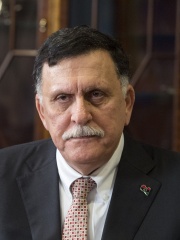
Fayez al-Sarraj
POLITICIAN
1960 - obecnie
HPI: 64.89
Miejsce: 72
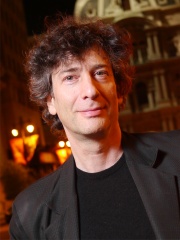
Neil Gaiman
WRITER
1960 - obecnie
HPI: 64.87
Miejsce: 73
Bushra al-Assad
POLITICIAN
1960 - obecnie
HPI: 64.77
Miejsce: 74
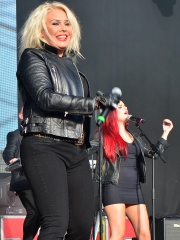
Kim Wilde
SINGER
1960 - obecnie
HPI: 64.72
Miejsce: 75
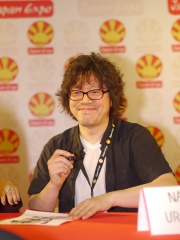
Naoki Urasawa
COMIC ARTIST
1960 - obecnie
HPI: 64.64
Miejsce: 76
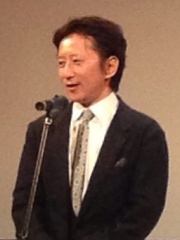
Hirohiko Araki
COMIC ARTIST
1960 - obecnie
HPI: 64.63
Miejsce: 77
Walter Zenga
COACH
1960 - obecnie
HPI: 64.61
Miejsce: 78
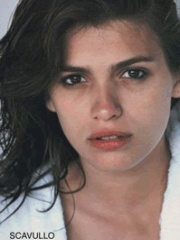
Gia Carangi
MODEL
1960 - 1986
HPI: 64.58
Miejsce: 79
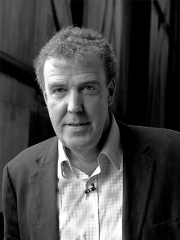
Jeremy Clarkson
JOURNALIST
1960 - obecnie
HPI: 64.35
Miejsce: 80
Pierre Littbarski
COACH
1960 - obecnie
HPI: 64.35
Miejsce: 81
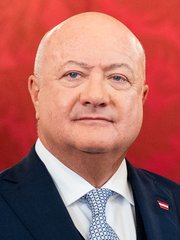
Christian Stocker
POLITICIAN
1960 - obecnie
HPI: 64.25
Miejsce: 82
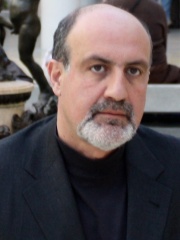
Nassim Nicholas Taleb
ECONOMIST
1960 - obecnie
HPI: 64.16
Miejsce: 83
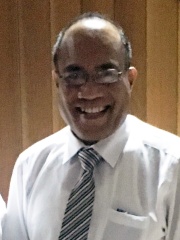
Taneti Mamau
POLITICIAN
1960 - obecnie
HPI: 64.15
Miejsce: 84
W kraju Włochy
Wśród osób urodzonych w kraju Włochy Walter Zenga zajmuje 1,743. miejsce na 5,161. Przed nim są Mario Monicelli (1915), Altiero Spinelli (1907), Sergio Castellitto (1953), Tommaso da Modena (1326), Alfredo Foni (1911), i Frederick V, Duke of Swabia (1164). Po nim są Marcus Calpurnius Bibulus (-102), Giovanni Pietro Bellori (1613), Charles Emmanuel, Prince of Carignano (1770), Federico I Gonzaga, Marquess of Mantua (1441), Eusebius of Vercelli (283), i Maria Valtorta (1897).
Inne osoby urodzone w kraju Włochy
Zobacz wszystkie rankingi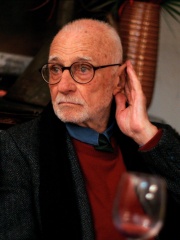
Mario Monicelli
FILM DIRECTOR
1915 - 2010
HPI: 64.64
Miejsce: 1,737
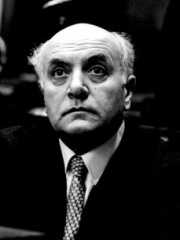
Altiero Spinelli
POLITICIAN
1907 - 1986
HPI: 64.64
Miejsce: 1,738
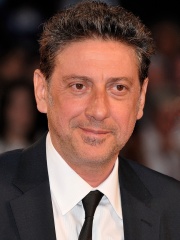
Sergio Castellitto
ACTOR
1953 - obecnie
HPI: 64.63
Miejsce: 1,739
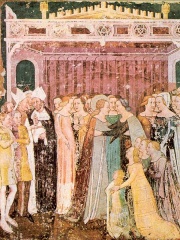
Tommaso da Modena
PAINTER
1326 - 1379
HPI: 64.62
Miejsce: 1,740
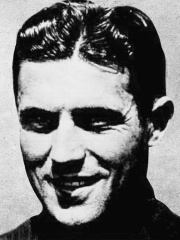
Alfredo Foni
SOCCER PLAYER
1911 - 1985
HPI: 64.61
Miejsce: 1,741
Frederick V, Duke of Swabia
POLITICIAN
1164 - 1170
HPI: 64.61
Miejsce: 1,742
Walter Zenga
COACH
1960 - obecnie
HPI: 64.61
Miejsce: 1,743
Marcus Calpurnius Bibulus
POLITICIAN
102 BC - 48 BC
HPI: 64.61
Miejsce: 1,744
Giovanni Pietro Bellori
PAINTER
1613 - 1696
HPI: 64.60
Miejsce: 1,745
Charles Emmanuel, Prince of Carignano
POLITICIAN
1770 - 1800
HPI: 64.60
Miejsce: 1,746
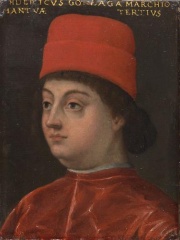
Federico I Gonzaga, Marquess of Mantua
POLITICIAN
1441 - 1484
HPI: 64.59
Miejsce: 1,747
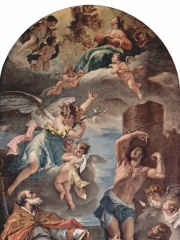
Eusebius of Vercelli
RELIGIOUS FIGURE
283 - 371
HPI: 64.58
Miejsce: 1,748
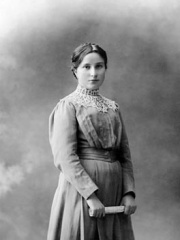
Maria Valtorta
WRITER
1897 - 1961
HPI: 64.58
Miejsce: 1,749
Wśród przedstawicieli zawodu Trener w kraju Włochy
Wśród przedstawicieli zawodu „Trener” urodzonych w kraju Włochy Walter Zenga zajmuje 15. miejsce. Przed nim są Maurizio Sarri (1959), Massimiliano Allegri (1967), Enzo Bearzot (1927), Alberto Zaccheroni (1953), Stefano Pioli (1965), i Cesare Prandelli (1957). Po nim są Roberto Donadoni (1963), Fabrizio Ravanelli (1968), Sergio Bertoni (1915), Luigi Delneri (1950), Francesco Graziani (1952), i Gian Piero Ventura (1948).
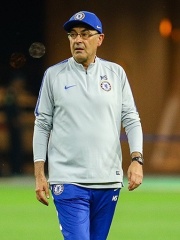
Maurizio Sarri
1959 - obecnie
HPI: 68.09
Miejsce: 9
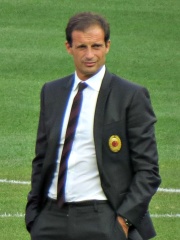
Massimiliano Allegri
1967 - obecnie
HPI: 67.29
Miejsce: 10
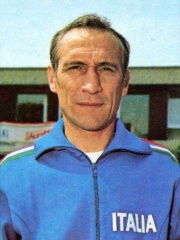
Enzo Bearzot
1927 - 2010
HPI: 67.19
Miejsce: 11
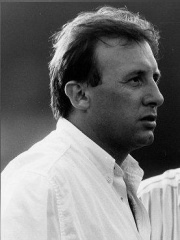
Alberto Zaccheroni
1953 - obecnie
HPI: 65.51
Miejsce: 12
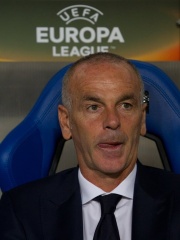
Stefano Pioli
1965 - obecnie
HPI: 65.50
Miejsce: 13
Cesare Prandelli
1957 - obecnie
HPI: 64.84
Miejsce: 14
Walter Zenga
1960 - obecnie
HPI: 64.61
Miejsce: 15
Roberto Donadoni
1963 - obecnie
HPI: 64.46
Miejsce: 16
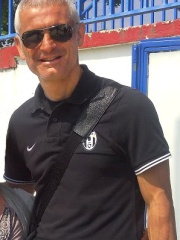
Fabrizio Ravanelli
1968 - obecnie
HPI: 61.27
Miejsce: 17
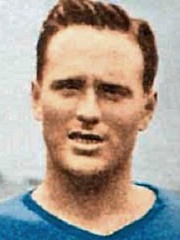
Sergio Bertoni
1915 - 1995
HPI: 61.07
Miejsce: 18
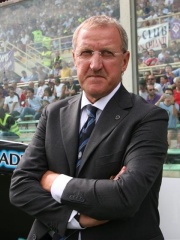
Luigi Delneri
1950 - obecnie
HPI: 60.26
Miejsce: 19
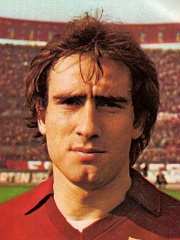
Francesco Graziani
1952 - obecnie
HPI: 60.22
Miejsce: 20
Gian Piero Ventura
1948 - obecnie
HPI: 57.58
Miejsce: 21




