Futbolista
Thomas Müller
1989 - presente
VISITAS EN ES.WIKIPEDIA (PV)


 Thomas Müller
Su biografía está disponible en 90 idiomas en Wikipedia (aumentó de 87 en 2024). Thomas Müller ocupa el puesto 380 entre los futbolista más populares (bajó del puesto 269 en 2024), el puesto 1312 entre las biografías más populares de Alemania (bajó del puesto 1240 en 2019) y el puesto 25 entre los futbolista de alemania más populares.
Métricas de memorabilidad
2.7M
Visitas
Últimos 12 meses
66.54
HPI
Índice de Popularidad Histórica
Datos destacados
90
La biografía de Thomas Müller aparece en 90 ediciones lingüísticas de Wikipedia, más que el 99 % de los Futbolista.
#380 / 24k
Thomas Müller ocupa el puesto n.º 380 entre 24,321 Futbolista del mundo, dentro del 2 % más destacado de la profesión.
Visitas a la página de Thomas Müller por idioma
Entre Futbolista
Entre Futbolista, Thomas Müller ocupa el puesto 377 de 24,321. Antes de él están Koji Miyata, Saizo Saito, Jari Litmanen, Günter Netzer, Rinat Dasayev, y Mesut Özil. Después de él están Shigeo Sugimoto, Elías Figueroa, Hiroshi Saeki, Alessandro Costacurta, Marcel Desailly, y Robin van Persie.
Futbolista más populares en Wikipedia
Ver todas las clasificaciones

Koji Miyata
1923 - presente
HPI: 66.63
Puesto: 374

Saizo Saito
1908 - 2004
HPI: 66.63
Puesto: 375

Jari Litmanen
1971 - presente
HPI: 66.58
Puesto: 376
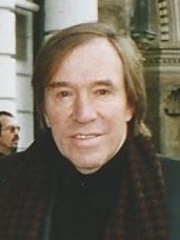
Günter Netzer
1944 - presente
HPI: 66.58
Puesto: 377

Rinat Dasayev
1957 - presente
HPI: 66.55
Puesto: 378
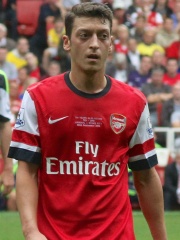
Mesut Özil
1988 - presente
HPI: 66.54
Puesto: 379
Thomas Müller
1989 - presente
HPI: 66.54
Puesto: 380

Shigeo Sugimoto
1926 - 2002
HPI: 66.50
Puesto: 381

Elías Figueroa
1946 - presente
HPI: 66.49
Puesto: 382

Hiroshi Saeki
1936 - 2010
HPI: 66.49
Puesto: 383

Alessandro Costacurta
1966 - presente
HPI: 66.43
Puesto: 384
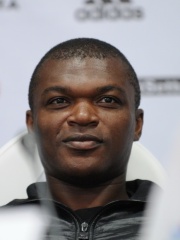
Marcel Desailly
1968 - presente
HPI: 66.43
Puesto: 385
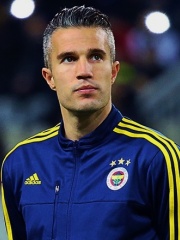
Robin van Persie
1983 - presente
HPI: 66.43
Puesto: 386

Contemporáneos
Entre las personas nacidas en 1989, Thomas Müller ocupa el puesto 2. Antes de él está Avicii. Después de él están Taron Egerton, PewDiePie, Daniel Radcliffe, Chris Brown, Taylor Swift, Gareth Bale, Henrikh Mkhitaryan, Ivan Perišić, Marco Reus, y James Harden.
Otras personas nacidas en 1989
Ver todas las clasificaciones
Avicii
MUSICIAN
1989 - 2018
HPI: 72.17
Puesto: 1
Thomas Müller
SOCCER PLAYER
1989 - presente
HPI: 66.54
Puesto: 2

Taron Egerton
ACTOR
1989 - presente
HPI: 65.75
Puesto: 3

PewDiePie
YOUTUBER
1989 - presente
HPI: 65.59
Puesto: 4

Daniel Radcliffe
ACTOR
1989 - presente
HPI: 65.17
Puesto: 5

Chris Brown
SINGER
1989 - presente
HPI: 64.94
Puesto: 6

Taylor Swift
SINGER
1989 - presente
HPI: 64.78
Puesto: 7
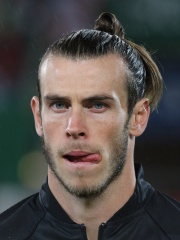
Gareth Bale
SOCCER PLAYER
1989 - presente
HPI: 64.52
Puesto: 8
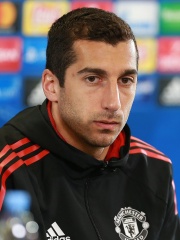
Henrikh Mkhitaryan
SOCCER PLAYER
1989 - presente
HPI: 63.10
Puesto: 9

Ivan Perišić
SOCCER PLAYER
1989 - presente
HPI: 62.79
Puesto: 10
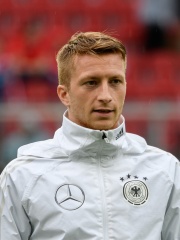
Marco Reus
SOCCER PLAYER
1989 - presente
HPI: 62.23
Puesto: 11
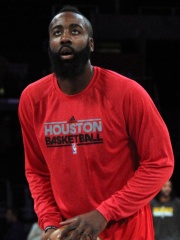
James Harden
BASKETBALL PLAYER
1989 - presente
HPI: 62.05
Puesto: 12
En Alemania
Entre las personas nacidas en Alemania, Thomas Müller ocupa el puesto 1,312 de 8,184. Antes de él están Erwin Piscator (1893), Stephanie of Hohenzollern-Sigmaringen (1837), Landgravine Marie Louise of Hesse-Kassel (1688), Princess Friederike of Brandenburg-Schwedt (1736), Mesut Özil (1988), y Prince Ferdinand of Saxe-Coburg and Gotha (1785). Después de él están George, Duke of Saxony (1471), Max Amann (1891), Louis Rudolph, Duke of Brunswick-Lüneburg (1671), Gottfried Benn (1886), Anton Praetorius (1560), y Otto Kumm (1909).
Otras personas nacidas en Alemania
Ver todas las clasificaciones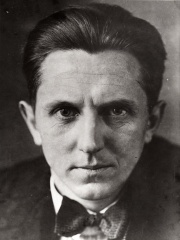
Erwin Piscator
POLITICIAN
1893 - 1966
HPI: 66.56
Puesto: 1,306
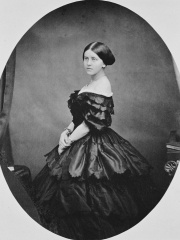
Stephanie of Hohenzollern-Sigmaringen
COMPANION
1837 - 1859
HPI: 66.55
Puesto: 1,307

Landgravine Marie Louise of Hesse-Kassel
COMPANION
1688 - 1765
HPI: 66.55
Puesto: 1,308
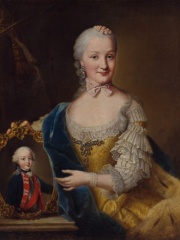
Princess Friederike of Brandenburg-Schwedt
POLITICIAN
1736 - 1798
HPI: 66.54
Puesto: 1,309
Mesut Özil
SOCCER PLAYER
1988 - presente
HPI: 66.54
Puesto: 1,310
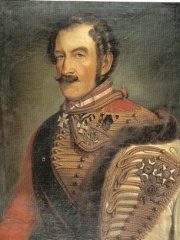
Prince Ferdinand of Saxe-Coburg and Gotha
POLITICIAN
1785 - 1851
HPI: 66.54
Puesto: 1,311
Thomas Müller
SOCCER PLAYER
1989 - presente
HPI: 66.54
Puesto: 1,312
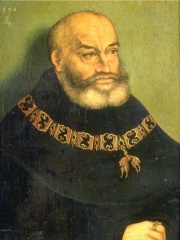
George, Duke of Saxony
NOBLEMAN
1471 - 1539
HPI: 66.53
Puesto: 1,313
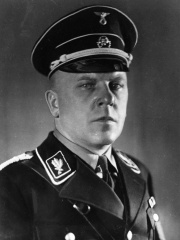
Max Amann
POLITICIAN
1891 - 1957
HPI: 66.53
Puesto: 1,314
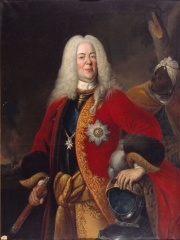
Louis Rudolph, Duke of Brunswick-Lüneburg
NOBLEMAN
1671 - 1735
HPI: 66.53
Puesto: 1,315
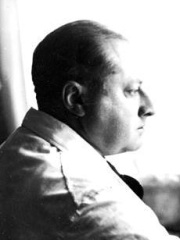
Gottfried Benn
WRITER
1886 - 1956
HPI: 66.51
Puesto: 1,316
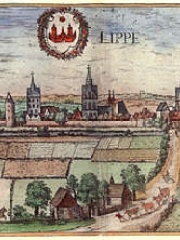
Anton Praetorius
WRITER
1560 - 1613
HPI: 66.51
Puesto: 1,317
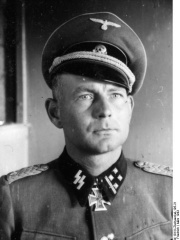
Otto Kumm
MILITARY PERSONNEL
1909 - 2004
HPI: 66.50
Puesto: 1,318
Entre Futbolista en Alemania
Entre Futbolista nacidos en Alemania, Thomas Müller ocupa el puesto 25. Antes de él están Niko Kovač (1971), Karl-Heinz Schnellinger (1939), Michael Ballack (1976), Manuel Neuer (1986), Günter Netzer (1944), y Mesut Özil (1988). Después de él están Sepp Herberger (1897), Helmut Haller (1939), Jens Lehmann (1969), Toni Kroos (1990), Jupp Derwall (1927), y Uli Stielike (1954).
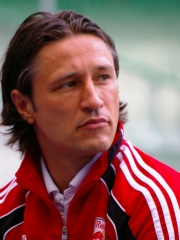
Niko Kovač
1971 - presente
HPI: 67.47
Puesto: 19
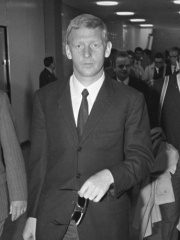
Karl-Heinz Schnellinger
1939 - 2024
HPI: 67.43
Puesto: 20
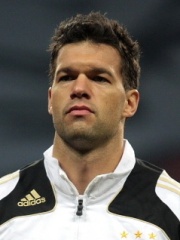
Michael Ballack
1976 - presente
HPI: 67.27
Puesto: 21
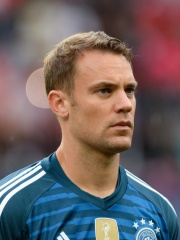
Manuel Neuer
1986 - presente
HPI: 67.08
Puesto: 22
Günter Netzer
1944 - presente
HPI: 66.58
Puesto: 23
Mesut Özil
1988 - presente
HPI: 66.54
Puesto: 24
Thomas Müller
1989 - presente
HPI: 66.54
Puesto: 25
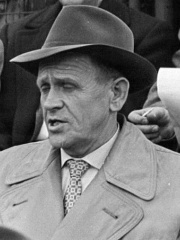
Sepp Herberger
1897 - 1977
HPI: 66.32
Puesto: 26

Helmut Haller
1939 - 2012
HPI: 66.18
Puesto: 27

Jens Lehmann
1969 - presente
HPI: 66.04
Puesto: 28
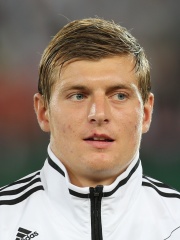
Toni Kroos
1990 - presente
HPI: 66.01
Puesto: 29
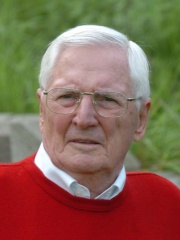
Jupp Derwall
1927 - 2007
HPI: 65.87
Puesto: 30
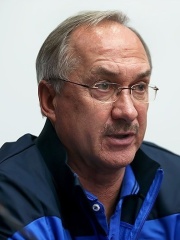
Uli Stielike
1954 - presente
HPI: 65.81
Puesto: 31




