统计学家
Thomas Bayes
1702 - 1761
ZH.WIKIPEDIA 页面浏览量 (PV)
 Thomas Bayes
知名度指标
140k
页面浏览量
过去12个月
70.42
HPI
历史知名度指数
数据洞察
Thomas Bayes的各语言页面浏览量
在统计学家中
在统计学家中,Thomas Bayes排名第2位(共8人)。 排在他之前的有:Francis Galton. 排在他之后的有:C. R. Rao, Ronald Fisher, Karl Pearson, Jerzy Neyman, Gertrude Mary Cox, 和Joseph Kruskal.
维基百科上最受欢迎的统计学家
查看全部排名
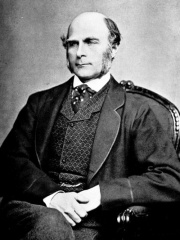
Francis Galton
1822 - 1911
HPI: 74.03
排名: 1

Thomas Bayes
1702 - 1761
HPI: 70.42
排名: 2
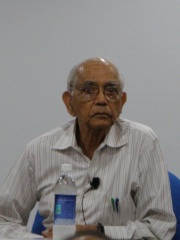
C. R. Rao
1920 - 2023
HPI: 70.33
排名: 3
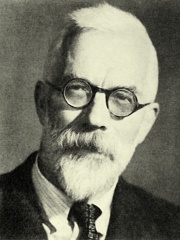
Ronald Fisher
1890 - 1962
HPI: 69.05
排名: 4
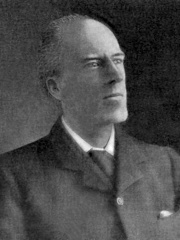
Karl Pearson
1857 - 1936
HPI: 68.56
排名: 5
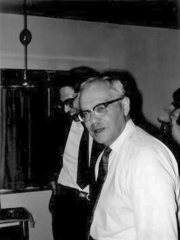
Jerzy Neyman
1894 - 1981
HPI: 62.26
排名: 6
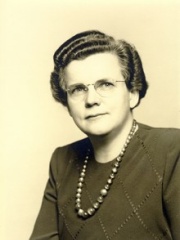
Gertrude Mary Cox
1900 - 1978
HPI: 53.00
排名: 7

Joseph Kruskal
1928 - 2010
HPI: 52.02
排名: 8

同时代人物
在1702年出生的人中,Thomas Bayes排名第4位。 排在他之前的有:Muhammad Shah, Anne Bonny, 和Emperor Nakamikado. 排在他之后的有:Jean-Étienne Liotard, Maria Clementina Sobieska, Legall de Kermeur, Francesco Zuccarelli, Enrichetta d'Este, William Fermor, Louis George, Margrave of Baden-Baden, 和Jacques Aved. 在1761年去世的人中,Thomas Bayes排名第2位。 排在他之前的有:Archduke Charles Joseph of Austria. 排在他之后的有:Pieter van Musschenbroek, Samuel Richardson, Princess Elisabeth Albertine of Saxe-Hildburghausen, Stephen Hales, Charlotte Aglaé d'Orléans, Tokugawa Ieshige, Balaji Baji Rao, Clemens August of Bavaria, Pierre Fauchard, 和Tarabai.
其他1702年出生的人
查看全部排名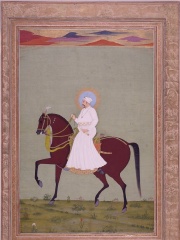
Muhammad Shah
POLITICIAN
1702 - 1748
HPI: 73.88
排名: 1
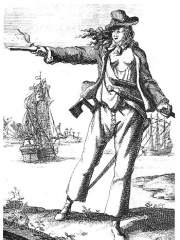
Anne Bonny
PIRATE
1702 - 1782
HPI: 73.41
排名: 2

Emperor Nakamikado
POLITICIAN
1702 - 1737
HPI: 70.54
排名: 3
Thomas Bayes
STATISTICIAN
1702 - 1761
HPI: 70.42
排名: 4
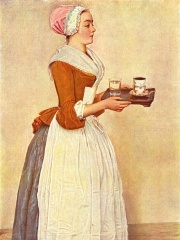
Jean-Étienne Liotard
PAINTER
1702 - 1789
HPI: 66.92
排名: 5
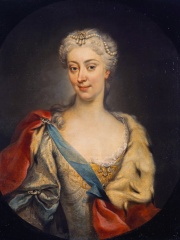
Maria Clementina Sobieska
COMPANION
1702 - 1735
HPI: 64.60
排名: 6

Legall de Kermeur
CHESS PLAYER
1702 - 1792
HPI: 62.44
排名: 7
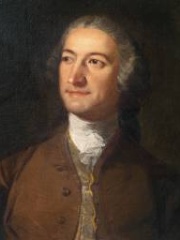
Francesco Zuccarelli
PAINTER
1702 - 1788
HPI: 60.68
排名: 8
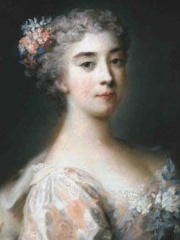
Enrichetta d'Este
POLITICIAN
1702 - 1777
HPI: 60.44
排名: 9
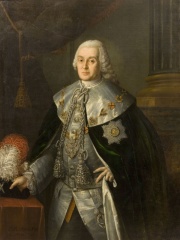
William Fermor
POLITICIAN
1702 - 1771
HPI: 59.10
排名: 10
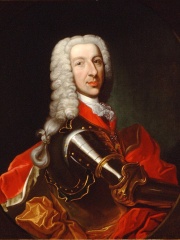
Louis George, Margrave of Baden-Baden
POLITICIAN
1702 - 1761
HPI: 59.09
排名: 11
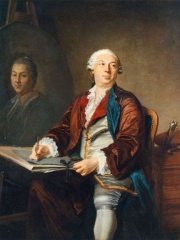
Jacques Aved
PAINTER
1702 - 1766
HPI: 58.80
排名: 12
其他1761年去世的人
查看全部排名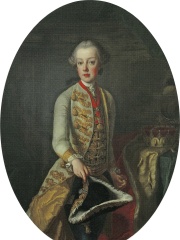
Archduke Charles Joseph of Austria
POLITICIAN
1745 - 1761
HPI: 71.95
排名: 1
Thomas Bayes
STATISTICIAN
1702 - 1761
HPI: 70.42
排名: 2
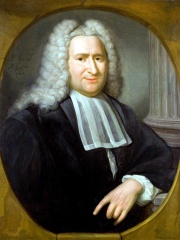
Pieter van Musschenbroek
ASTRONOMER
1692 - 1761
HPI: 69.21
排名: 3
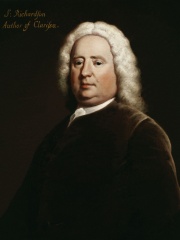
Samuel Richardson
WRITER
1689 - 1761
HPI: 68.72
排名: 4
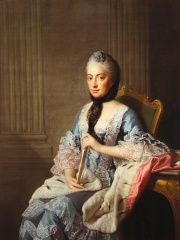
Princess Elisabeth Albertine of Saxe-Hildburghausen
POLITICIAN
1713 - 1761
HPI: 67.26
排名: 5
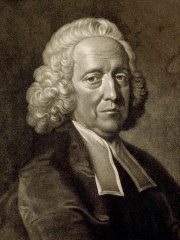
Stephen Hales
PHYSICIST
1677 - 1761
HPI: 65.83
排名: 6
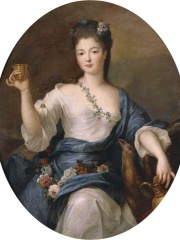
Charlotte Aglaé d'Orléans
POLITICIAN
1700 - 1761
HPI: 64.59
排名: 7
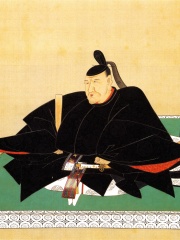
Tokugawa Ieshige
POLITICIAN
1712 - 1761
HPI: 64.43
排名: 8
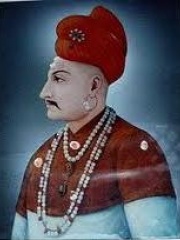
Balaji Baji Rao
POLITICIAN
1720 - 1761
HPI: 63.77
排名: 9
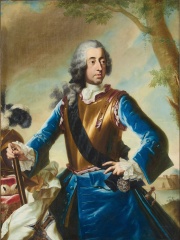
Clemens August of Bavaria
RELIGIOUS FIGURE
1700 - 1761
HPI: 63.63
排名: 10
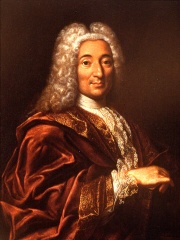
Pierre Fauchard
PHYSICIAN
1679 - 1761
HPI: 63.54
排名: 11

Tarabai
POLITICIAN
1675 - 1761
HPI: 62.94
排名: 12
在英国
在出生于英国的人中,Thomas Bayes排名第670位(共9,870人)。 排在他之前的有:James Wilson (1742), Nicholas Hilliard (1547), Richard of York, 3rd Duke of York (1411), Bruce Dickinson (1958), Gordon Banks (1937), 和John Ross (1777). 排在他之后的有:Humphrey, Duke of Gloucester (1390), James Francis Edward Stuart (1688), Chaim Herzog (1918), Hugh Laurie (1959), Diana Rigg (1938), 和Robert Burton (1577).
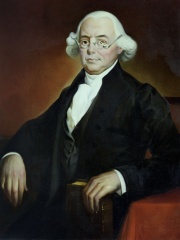
James Wilson
POLITICIAN
1742 - 1798
HPI: 70.48
排名: 664
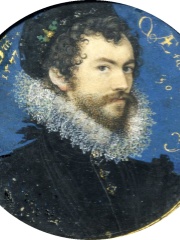
Nicholas Hilliard
PAINTER
1547 - 1619
HPI: 70.46
排名: 665
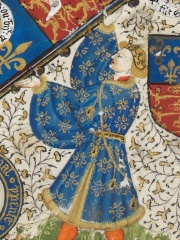
Richard of York, 3rd Duke of York
POLITICIAN
1411 - 1460
HPI: 70.46
排名: 666

Bruce Dickinson
SINGER
1958 - 至今
HPI: 70.45
排名: 667
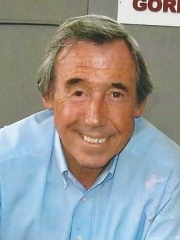
Gordon Banks
SOCCER PLAYER
1937 - 2019
HPI: 70.44
排名: 668
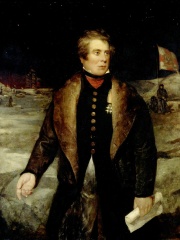
John Ross
EXPLORER
1777 - 1856
HPI: 70.44
排名: 669
Thomas Bayes
STATISTICIAN
1702 - 1761
HPI: 70.42
排名: 670
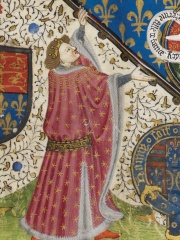
Humphrey, Duke of Gloucester
POLITICIAN
1390 - 1447
HPI: 70.42
排名: 671
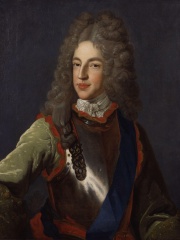
James Francis Edward Stuart
POLITICIAN
1688 - 1766
HPI: 70.42
排名: 672
Chaim Herzog
DIPLOMAT
1918 - 1997
HPI: 70.40
排名: 673

Hugh Laurie
ACTOR
1959 - 至今
HPI: 70.37
排名: 674
Diana Rigg
ACTOR
1938 - 2020
HPI: 70.36
排名: 675
Robert Burton
WRITER
1577 - 1640
HPI: 70.35
排名: 676
在英国的统计学家中
在出生于英国的统计学家中,Thomas Bayes排名第2位。 排在他之前的有:Francis Galton (1822). 排在他之后的有:Ronald Fisher (1890), 和Karl Pearson (1857).
Francis Galton
1822 - 1911
HPI: 74.03
排名: 1
Thomas Bayes
1702 - 1761
HPI: 70.42
排名: 2
Ronald Fisher
1890 - 1962
HPI: 69.05
排名: 3
Karl Pearson
1857 - 1936
HPI: 68.56
排名: 4




