رسام
Jacques Aved
1702 - 1766
AR.WIKIPEDIA PAGE VIEWS (PV)
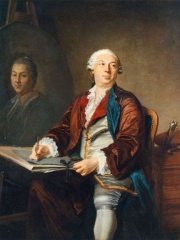
 Jacques Aved
سيرته الذاتية متاحة بـ17 لغة مختلفة على ويكيبيديا. يحتل Jacques Aved المرتبة 1,378 بين أكثر رسام شعبيةً (تراجعًا من 1,345 في 2024)، والمرتبة 3,687 بين أكثر السير الذاتية شعبيةً في فرنسا (تراجعًا من 3,548 في 2019)، كما يحتل المرتبة 222 بين أكثر رسام من فرنسا شعبيةً.
Memorability Metrics
4.0k
Page Views
Past 12 months
58.80
HPI
Historical Popularity Index
Page views of Jacques Aved by language
Among رسام
Among رسام, Jacques Aved ranks 1,378 out of 2,023. Before him are Bartolo di Fredi, Christian Schad, Johann Köler, Kristian Zahrtmann, Aristarkh Lentulov, and Jan Theuninck. After him are Boccaccio Boccaccino, John Michael Wright, Maria Röhl, Marianne North, Lucien Pissarro, and Ogata Kenzan.
Most Popular رسام in Wikipedia
Go to all Rankings
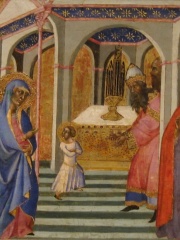
Bartolo di Fredi
1330 - 1410
HPI: 58.84
Rank: 1,372
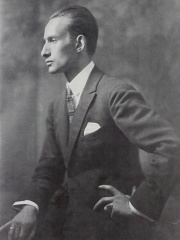
Christian Schad
1894 - 1982
HPI: 58.84
Rank: 1,373
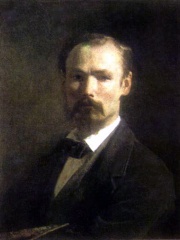
Johann Köler
1826 - 1899
HPI: 58.83
Rank: 1,374
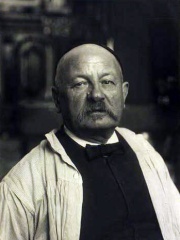
Kristian Zahrtmann
1843 - 1917
HPI: 58.81
Rank: 1,375

Aristarkh Lentulov
1882 - 1943
HPI: 58.81
Rank: 1,376
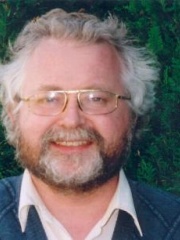
Jan Theuninck
1954 - Present
HPI: 58.80
Rank: 1,377
Jacques Aved
1702 - 1766
HPI: 58.80
Rank: 1,378

Boccaccio Boccaccino
1460 - 1525
HPI: 58.79
Rank: 1,379

John Michael Wright
1617 - 1694
HPI: 58.79
Rank: 1,380
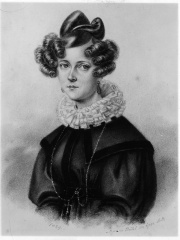
Maria Röhl
1801 - 1875
HPI: 58.78
Rank: 1,381
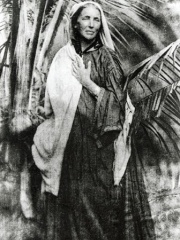
Marianne North
1830 - 1890
HPI: 58.78
Rank: 1,382
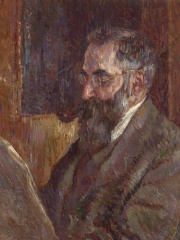
Lucien Pissarro
1863 - 1944
HPI: 58.78
Rank: 1,383
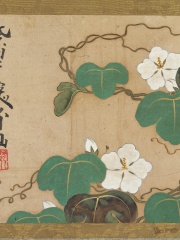
Ogata Kenzan
1663 - 1743
HPI: 58.78
Rank: 1,384

Contemporaries
Among people born in 1702, Jacques Aved ranks 12. Before him are Maria Clementina Sobieska, Legall de Kermeur, Francesco Zuccarelli, Enrichetta d'Este, William Fermor, and Louis George, Margrave of Baden-Baden. After him are Sava Petrović, and Jack Sheppard. Among people deceased in 1766, Jacques Aved ranks 16. Before him are Johann Christoph Gottsched, Marie Victoire de Noailles, Jean Astruc, Unico Wilhelm van Wassenaer, Adrien Maurice de Noailles, and Dominikus Zimmermann. After him are François-Jean de la Barre, Jane Colden, and Ivan Polzunov.
Others Born in 1702
Go to all Rankings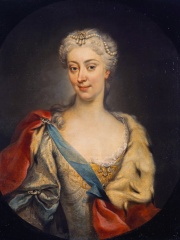
Maria Clementina Sobieska
COMPANION
1702 - 1735
HPI: 64.60
Rank: 6

Legall de Kermeur
CHESS PLAYER
1702 - 1792
HPI: 62.44
Rank: 7
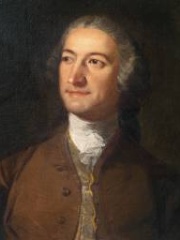
Francesco Zuccarelli
PAINTER
1702 - 1788
HPI: 60.68
Rank: 8
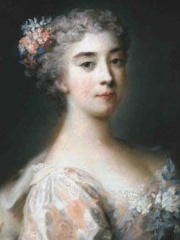
Enrichetta d'Este
POLITICIAN
1702 - 1777
HPI: 60.44
Rank: 9
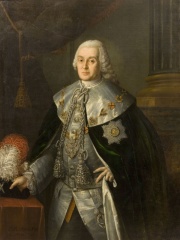
William Fermor
POLITICIAN
1702 - 1771
HPI: 59.10
Rank: 10
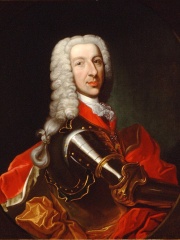
Louis George, Margrave of Baden-Baden
POLITICIAN
1702 - 1761
HPI: 59.09
Rank: 11
Jacques Aved
PAINTER
1702 - 1766
HPI: 58.80
Rank: 12
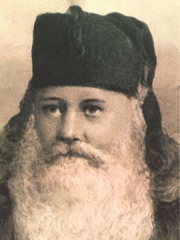
Sava Petrović
RELIGIOUS FIGURE
1702 - 1782
HPI: 58.60
Rank: 13
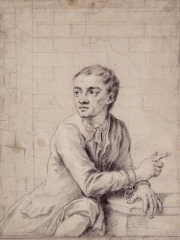
Jack Sheppard
SOCIAL ACTIVIST
1702 - 1724
HPI: 56.08
Rank: 14
Others Deceased in 1766
Go to all Rankings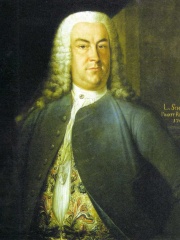
Johann Christoph Gottsched
PHILOSOPHER
1700 - 1766
HPI: 66.00
Rank: 10
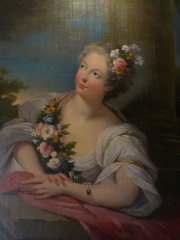
Marie Victoire de Noailles
NOBLEMAN
1688 - 1766
HPI: 62.78
Rank: 11
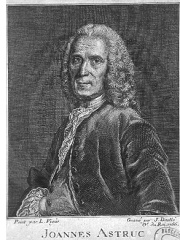
Jean Astruc
WRITER
1684 - 1766
HPI: 61.71
Rank: 12
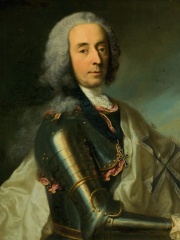
Unico Wilhelm van Wassenaer
POLITICIAN
1692 - 1766
HPI: 61.03
Rank: 13
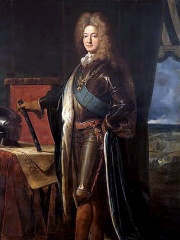
Adrien Maurice de Noailles
POLITICIAN
1678 - 1766
HPI: 60.29
Rank: 14
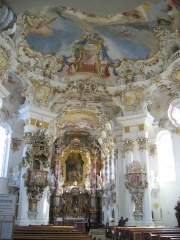
Dominikus Zimmermann
ARCHITECT
1685 - 1766
HPI: 60.28
Rank: 15
Jacques Aved
PAINTER
1702 - 1766
HPI: 58.80
Rank: 16
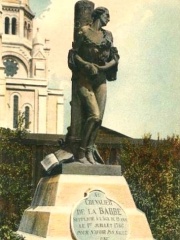
François-Jean de la Barre
SOCIAL ACTIVIST
1745 - 1766
HPI: 57.72
Rank: 17
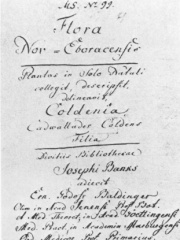
Jane Colden
BIOLOGIST
1724 - 1766
HPI: 56.57
Rank: 18
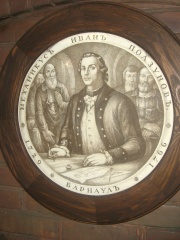
Ivan Polzunov
INVENTOR
1728 - 1766
HPI: 55.57
Rank: 19
In فرنسا
Among people born in فرنسا, Jacques Aved ranks 3,687 out of NaN. Before him are Pedro Henrique of Orléans-Braganza (1909), Jean Rotrou (1609), Jean Lucas (1917), Maurizio Galbaio (800), Harry Schell (1921), and Charles Duclerc (1812). After him are Alain Chartier (1392), Émile Oustalet (1844), Célestine Galli-Marié (1840), Auguste Laurent (1807), Michel Le Tellier (1603), and Lucien Pissarro (1863).
Others born in فرنسا
Go to all Rankings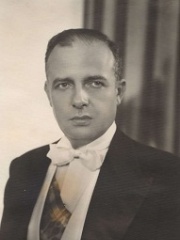
Pedro Henrique of Orléans-Braganza
NOBLEMAN
1909 - 1981
HPI: 58.82
Rank: 3,681
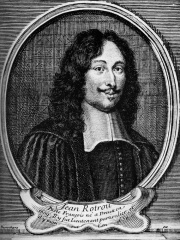
Jean Rotrou
WRITER
1609 - 1650
HPI: 58.81
Rank: 3,682
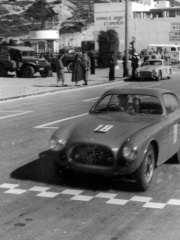
Jean Lucas
RACING DRIVER
1917 - 2003
HPI: 58.81
Rank: 3,683
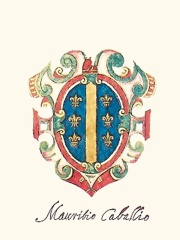
Maurizio Galbaio
POLITICIAN
800 - 797
HPI: 58.81
Rank: 3,684
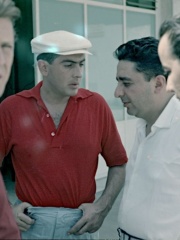
Harry Schell
RACING DRIVER
1921 - 1960
HPI: 58.80
Rank: 3,685
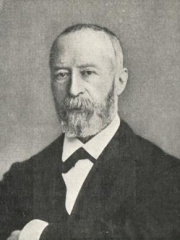
Charles Duclerc
POLITICIAN
1812 - 1888
HPI: 58.80
Rank: 3,686
Jacques Aved
PAINTER
1702 - 1766
HPI: 58.80
Rank: 3,687
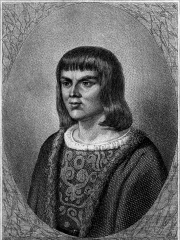
Alain Chartier
WRITER
1392 - 1430
HPI: 58.80
Rank: 3,688
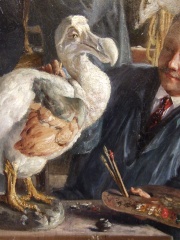
Émile Oustalet
BIOLOGIST
1844 - 1905
HPI: 58.79
Rank: 3,689
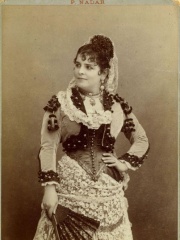
Célestine Galli-Marié
SINGER
1840 - 1905
HPI: 58.79
Rank: 3,690
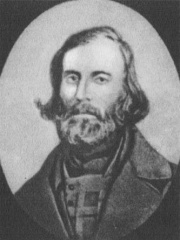
Auguste Laurent
CHEMIST
1807 - 1853
HPI: 58.79
Rank: 3,691
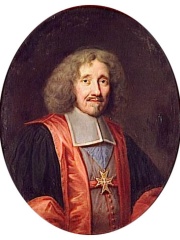
Michel Le Tellier
POLITICIAN
1603 - 1685
HPI: 58.79
Rank: 3,692
Lucien Pissarro
PAINTER
1863 - 1944
HPI: 58.78
Rank: 3,693
Among رسام In فرنسا
Among رسام born in فرنسا, Jacques Aved ranks 222. Before him are Eustache Le Sueur (1616), François-Auguste Biard (1799), Wojciech Kossak (1856), Louis Hersent (1777), Gabriel François Doyen (1726), and Nicolas Mignard (1606). After him are Lucien Pissarro (1863), Alphonse Legros (1837), Julien Dupré (1851), Tony Robert-Fleury (1837), Charb (1967), and Charles-Antoine Coypel (1694).
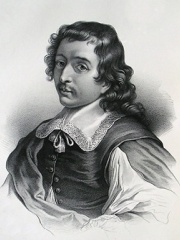
Eustache Le Sueur
1616 - 1655
HPI: 59.41
Rank: 216
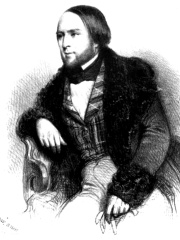
François-Auguste Biard
1799 - 1882
HPI: 59.34
Rank: 217
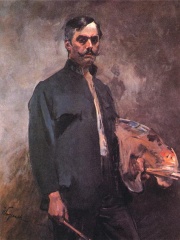
Wojciech Kossak
1856 - 1942
HPI: 59.26
Rank: 218
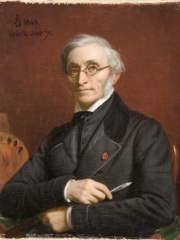
Louis Hersent
1777 - 1860
HPI: 59.14
Rank: 219
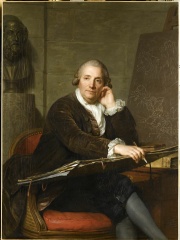
Gabriel François Doyen
1726 - 1806
HPI: 58.96
Rank: 220
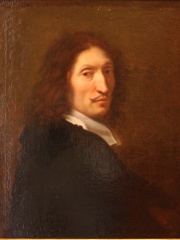
Nicolas Mignard
1606 - 1668
HPI: 58.93
Rank: 221
Jacques Aved
1702 - 1766
HPI: 58.80
Rank: 222
Lucien Pissarro
1863 - 1944
HPI: 58.78
Rank: 223
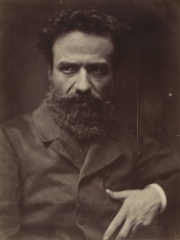
Alphonse Legros
1837 - 1911
HPI: 58.74
Rank: 224
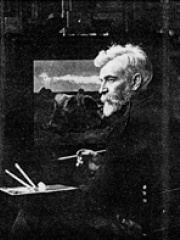
Julien Dupré
1851 - 1910
HPI: 58.72
Rank: 225
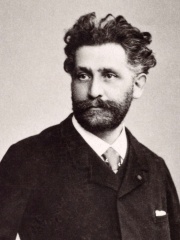
Tony Robert-Fleury
1837 - 1912
HPI: 58.71
Rank: 226
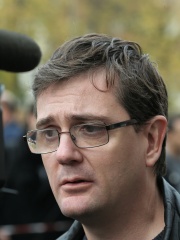
Charb
1967 - 2015
HPI: 58.66
Rank: 227
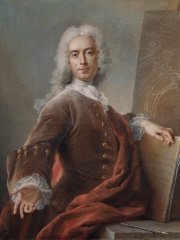
Charles-Antoine Coypel
1694 - 1752
HPI: 58.62
Rank: 228




