Политик
Theuderic I
485 - 534
RU.WIKIPEDIA PAGE VIEWS (PV)
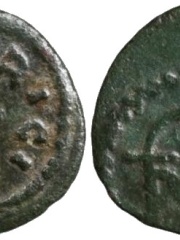
 Theuderic I
Его биография доступна на 45 различных языках в Википедии. Theuderic I занимает 1737-е место среди самых популярных политик (снижение с 1512-е места в 2024 году), занимает 570-е место среди самых популярных биографий из Франции (снижение с 543-е места в 2019 году) и занимает 138-е место среди политик Франция.
Memorability Metrics
61k
Page Views
Past 12 months
73.07
HPI
Historical Popularity Index
Page views of Theuderic I by language
Among Политик
Among политик, Theuderic I ranks 1,736 out of 19,576. Before him are Chester A. Arthur, Arsinoe IV of Egypt, Bidhya Devi Bhandari, King Elah, Memnon, and Frederick I of Denmark. After him are Henry I, Duke of Guise, Ferdinand II of Portugal, Fidel Ramos, Frederick I of Sweden, Thomas Sankara, and Jungjong of Joseon.
Most Popular Политик in Wikipedia
Go to all Rankings
Chester A. Arthur
1829 - 1886
HPI: 73.08
Rank: 1,731
Arsinoe IV of Egypt
68 BC - 41 BC
HPI: 73.07
Rank: 1,732
Bidhya Devi Bhandari
1961 - Present
HPI: 73.07
Rank: 1,733
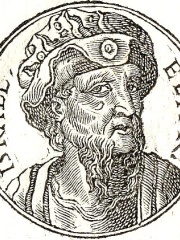
King Elah
1000 BC - 960 BC
HPI: 73.07
Rank: 1,734
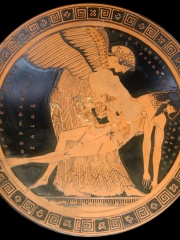
Memnon
HPI: 73.07
Rank: 1,735
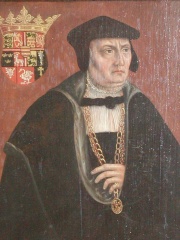
Frederick I of Denmark
1471 - 1533
HPI: 73.07
Rank: 1,736
Theuderic I
485 - 534
HPI: 73.07
Rank: 1,737
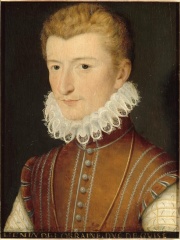
Henry I, Duke of Guise
1550 - 1588
HPI: 73.07
Rank: 1,738
Ferdinand II of Portugal
1816 - 1885
HPI: 73.07
Rank: 1,739

Fidel Ramos
1928 - 2022
HPI: 73.06
Rank: 1,740
Frederick I of Sweden
1676 - 1751
HPI: 73.06
Rank: 1,741

Thomas Sankara
1949 - 1987
HPI: 73.06
Rank: 1,742
Jungjong of Joseon
1488 - 1544
HPI: 73.06
Rank: 1,743

Contemporaries
Among people born in 485, Theuderic I ranks 1. After him is Bertachar. Among people deceased in 534, Theuderic I ranks 1. After him are Anthemius of Tralles, Athalaric, Godomar II, Cerdic of Wessex, Marcellinus Comes, and Hermanafrid.
Others Born in 485
Go to all Rankings
Others Deceased in 534
Go to all RankingsTheuderic I
POLITICIAN
485 - 534
HPI: 73.07
Rank: 1

Anthemius of Tralles
MATHEMATICIAN
474 - 534
HPI: 71.67
Rank: 2
Athalaric
POLITICIAN
516 - 534
HPI: 71.25
Rank: 3

Godomar II
POLITICIAN
500 - 534
HPI: 67.26
Rank: 4
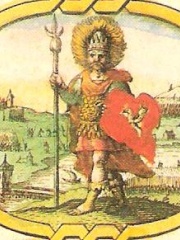
Cerdic of Wessex
POLITICIAN
467 - 534
HPI: 64.82
Rank: 5

Marcellinus Comes
WRITER
450 - 534
HPI: 64.21
Rank: 6
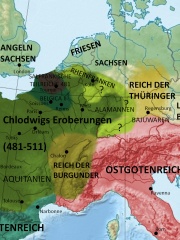
Hermanafrid
NOBLEMAN
450 - 534
HPI: 59.21
Rank: 7
In Франция
Among people born in Франция, Theuderic I ranks 570 out of NaN. Before him are François Jacob (1920), Hilary of Poitiers (315), Joseph de Maistre (1753), Maurice Allais (1911), Paul Langevin (1872), and Princess Marie Bonaparte (1882). After him are Henry I, Duke of Guise (1550), Richard Clayderman (1953), Marcel Marceau (1923), Hippolyte Taine (1828), Claude Louis Berthollet (1748), and Marius Petipa (1818).
Others born in Франция
Go to all Rankings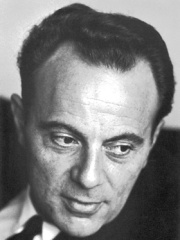
François Jacob
BIOLOGIST
1920 - 2013
HPI: 73.09
Rank: 564
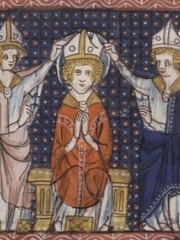
Hilary of Poitiers
PHYSICIAN
315 - 367
HPI: 73.09
Rank: 565
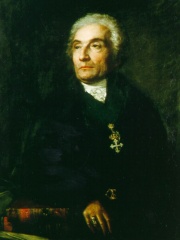
Joseph de Maistre
PHILOSOPHER
1753 - 1821
HPI: 73.09
Rank: 566

Maurice Allais
ECONOMIST
1911 - 2010
HPI: 73.08
Rank: 567
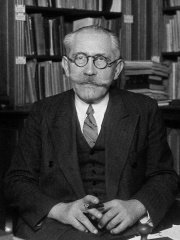
Paul Langevin
PHYSICIST
1872 - 1946
HPI: 73.08
Rank: 568
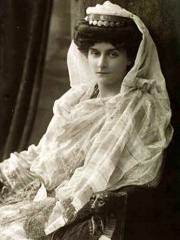
Princess Marie Bonaparte
PSYCHOLOGIST
1882 - 1962
HPI: 73.08
Rank: 569
Theuderic I
POLITICIAN
485 - 534
HPI: 73.07
Rank: 570
Henry I, Duke of Guise
POLITICIAN
1550 - 1588
HPI: 73.07
Rank: 571

Richard Clayderman
MUSICIAN
1953 - Present
HPI: 73.07
Rank: 572
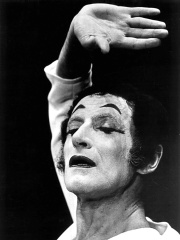
Marcel Marceau
ACTOR
1923 - 2007
HPI: 73.05
Rank: 573
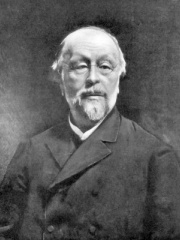
Hippolyte Taine
HISTORIAN
1828 - 1893
HPI: 73.03
Rank: 574
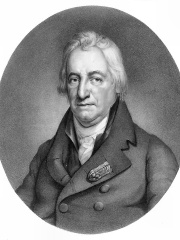
Claude Louis Berthollet
CHEMIST
1748 - 1822
HPI: 73.03
Rank: 575
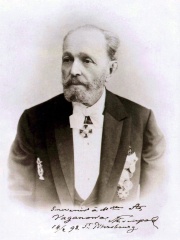
Marius Petipa
DANCER
1818 - 1910
HPI: 73.03
Rank: 576
Among Политик In Франция
Among политик born in Франция, Theuderic I ranks 138. Before him are William II of England (1056), Baldwin II of Jerusalem (1060), Édouard Mortier, Duke of Trévise (1768), Léon Blum (1872), Gaspard II de Coligny (1519), and Henri, Count of Chambord (1820). After him are Henry I, Duke of Guise (1550), René of Anjou (1409), Peter II of Courtenay (1155), Marine Le Pen (1968), Paul Doumer (1857), and Caroline Bonaparte (1782).
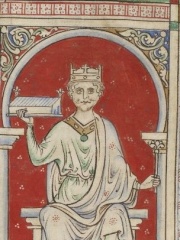
William II of England
1056 - 1100
HPI: 73.37
Rank: 132
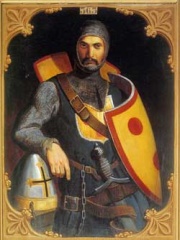
Baldwin II of Jerusalem
1060 - 1131
HPI: 73.24
Rank: 133
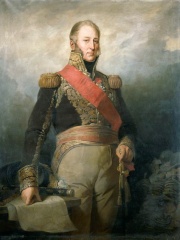
Édouard Mortier, Duke of Trévise
1768 - 1835
HPI: 73.21
Rank: 134
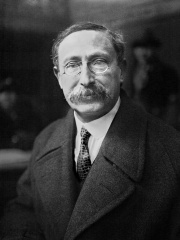
Léon Blum
1872 - 1950
HPI: 73.18
Rank: 135
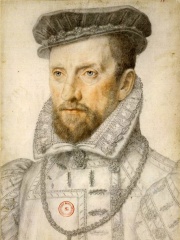
Gaspard II de Coligny
1519 - 1572
HPI: 73.11
Rank: 136
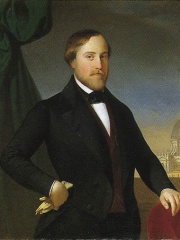
Henri, Count of Chambord
1820 - 1883
HPI: 73.09
Rank: 137
Theuderic I
485 - 534
HPI: 73.07
Rank: 138
Henry I, Duke of Guise
1550 - 1588
HPI: 73.07
Rank: 139
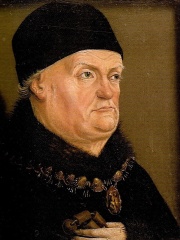
René of Anjou
1409 - 1480
HPI: 72.68
Rank: 140
Peter II of Courtenay
1155 - 1219
HPI: 72.58
Rank: 141
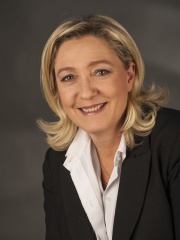
Marine Le Pen
1968 - Present
HPI: 72.53
Rank: 142
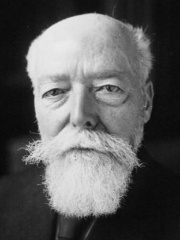
Paul Doumer
1857 - 1932
HPI: 72.48
Rank: 143
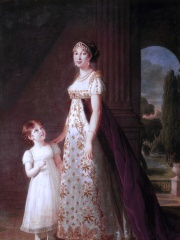
Caroline Bonaparte
1782 - 1839
HPI: 72.46
Rank: 144




