Pisarz
Szota Rustaweli
1172 - 1216
PL.WIKIPEDIA PAGE VIEWS (PV)
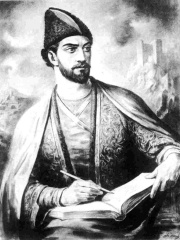
 Szota Rustaweli
Jego biografia jest dostępna w 79 różnych językach w Wikipedii (wzrost z 75 w 2024 roku). Szota Rustaweli jest 236. najpopularniejszym pisarz (wzrost z 256. w 2024 roku), 6. najpopularniejszą biografią Gruzja oraz najpopularniejszym pisarz Gruzja.
Memorability Metrics
150k
Page Views
Past 12 months
77.21
HPI
Historical Popularity Index
Page views of Szota Rustaweli by language
Among Pisarzs
Among pisarzs, Szota Rustaweli ranks 236 out of 7,302. Before him are Pliny the Younger, Nelly Sachs, Ray Bradbury, Pedro Calderón de la Barca, J. D. Salinger, and Paul Heyse. After him are William Blake, Truman Capote, Lucian, Friedrich Schlegel, Juvenal, and Ferdowsi.
Most Popular Pisarzs in Wikipedia
Go to all Rankings
Pliny the Younger
61 - 113
HPI: 77.45
Rank: 230
Nelly Sachs
1891 - 1970
HPI: 77.39
Rank: 231
Ray Bradbury
1920 - 2012
HPI: 77.38
Rank: 232
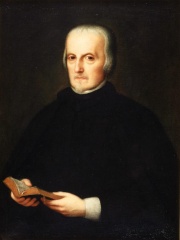
Pedro Calderón de la Barca
1600 - 1681
HPI: 77.37
Rank: 233
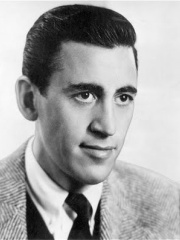
J. D. Salinger
1919 - 2010
HPI: 77.30
Rank: 234
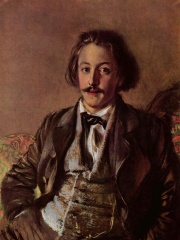
Paul Heyse
1830 - 1914
HPI: 77.29
Rank: 235
Shota Rustaveli
1172 - 1216
HPI: 77.21
Rank: 236
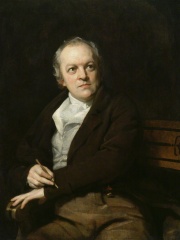
William Blake
1757 - 1827
HPI: 77.20
Rank: 237
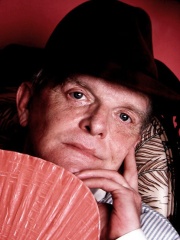
Truman Capote
1924 - 1984
HPI: 77.19
Rank: 238
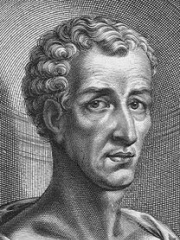
Lucian
120 - 200
HPI: 77.17
Rank: 239
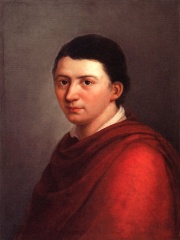
Friedrich Schlegel
1772 - 1829
HPI: 77.16
Rank: 240

Juvenal
50 - 200
HPI: 77.14
Rank: 241
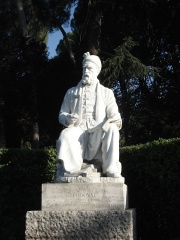
Ferdowsi
940 - 1020
HPI: 77.11
Rank: 242

Contemporaries
Among people born in 1172, Szota Rustaweli ranks 2. Before him is Baldwin I, Latin Emperor. After him are Aimery of Cyprus, Isabella I of Jerusalem, Bohemond IV of Antioch, Louis I, Count of Blois, and Abraham of Smolensk. Among people deceased in 1216, Szota Rustaweli ranks 3. Before him are John, King of England, and Pope Innocent III. After him are Henry of Flanders, Eric X of Sweden, Theodore II of Constantinople, Kamo no Chōmei, Ida, Countess of Boulogne, and Robert de Clari.
Others Born in 1172
Go to all Rankings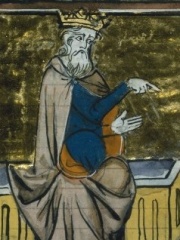
Baldwin I, Latin Emperor
POLITICIAN
1172 - 1205
HPI: 78.78
Rank: 1
Shota Rustaveli
WRITER
1172 - 1216
HPI: 77.21
Rank: 2
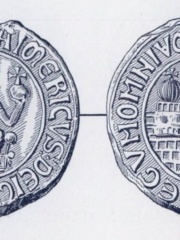
Aimery of Cyprus
POLITICIAN
1172 - 1205
HPI: 73.64
Rank: 3
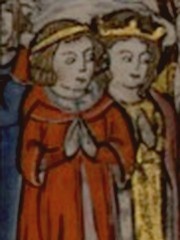
Isabella I of Jerusalem
NOBLEMAN
1172 - 1205
HPI: 72.38
Rank: 4
Bohemond IV of Antioch
POLITICIAN
1172 - 1233
HPI: 64.39
Rank: 5
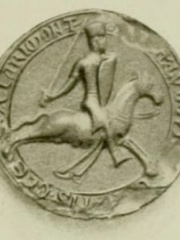
Louis I, Count of Blois
NOBLEMAN
1172 - 1205
HPI: 63.62
Rank: 6
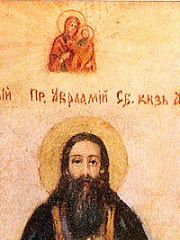
Abraham of Smolensk
RELIGIOUS FIGURE
1172 - 1221
HPI: 57.36
Rank: 7
Others Deceased in 1216
Go to all Rankings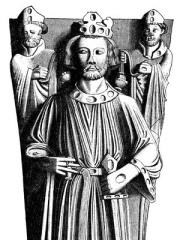
John, King of England
POLITICIAN
1166 - 1216
HPI: 88.29
Rank: 1
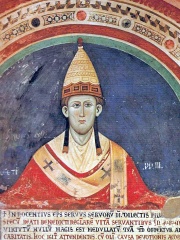
Pope Innocent III
RELIGIOUS FIGURE
1160 - 1216
HPI: 83.33
Rank: 2
Shota Rustaveli
WRITER
1172 - 1216
HPI: 77.21
Rank: 3
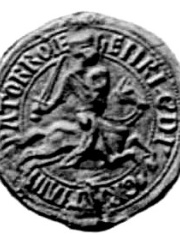
Henry of Flanders
POLITICIAN
1174 - 1216
HPI: 74.46
Rank: 4

Eric X of Sweden
POLITICIAN
1180 - 1216
HPI: 68.75
Rank: 5
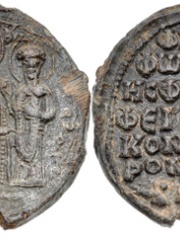
Theodore II of Constantinople
RELIGIOUS FIGURE
1101 - 1216
HPI: 61.92
Rank: 6
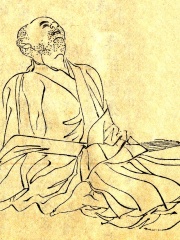
Kamo no Chōmei
WRITER
1155 - 1216
HPI: 61.20
Rank: 7
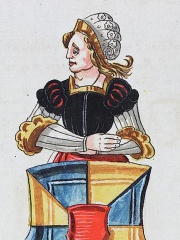
Ida, Countess of Boulogne
POLITICIAN
1160 - 1216
HPI: 59.45
Rank: 8

Robert de Clari
WRITER
1170 - 1216
HPI: 58.31
Rank: 9
In Gruzja
Among people born in Gruzja, Szota Rustaweli ranks 6 out of NaN. Before him are Joseph Stalin (1879), Darius the Great (-550), Attila (406), Aram Khachaturian (1903), and Eduard Shevardnadze (1928). After him are Tamar of Georgia (1166), Vladimir Mayakovsky (1893), Tigran Petrosian (1929), Zviad Gamsakhurdia (1939), Yakov Dzhugashvili (1907), and Sergei Parajanov (1924).
Others born in Gruzja
Go to all Rankings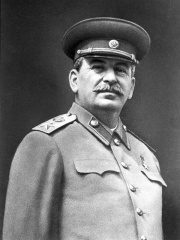
Joseph Stalin
POLITICIAN
1879 - 1953
HPI: 92.22
Rank: 1
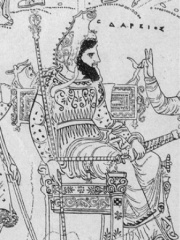
Darius the Great
POLITICIAN
550 BC - 486 BC
HPI: 87.66
Rank: 2
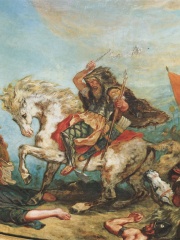
Attila
POLITICIAN
406 - 453
HPI: 87.44
Rank: 3
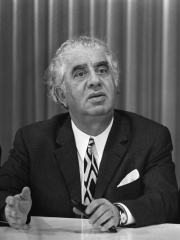
Aram Khachaturian
COMPOSER
1903 - 1978
HPI: 79.24
Rank: 4
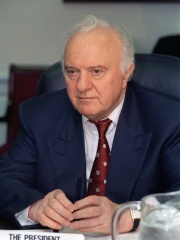
Eduard Shevardnadze
POLITICIAN
1928 - 2014
HPI: 79.00
Rank: 5
Shota Rustaveli
WRITER
1172 - 1216
HPI: 77.21
Rank: 6
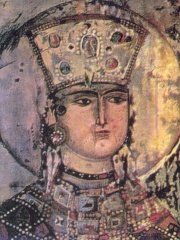
Tamar of Georgia
POLITICIAN
1166 - 1213
HPI: 76.80
Rank: 7
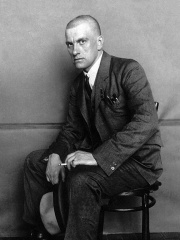
Vladimir Mayakovsky
WRITER
1893 - 1930
HPI: 76.22
Rank: 8
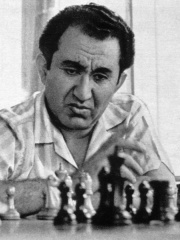
Tigran Petrosian
CHESS PLAYER
1929 - 1984
HPI: 74.52
Rank: 9
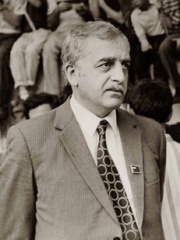
Zviad Gamsakhurdia
POLITICIAN
1939 - 1993
HPI: 73.86
Rank: 10
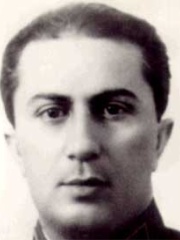
Yakov Dzhugashvili
MILITARY PERSONNEL
1907 - 1943
HPI: 73.68
Rank: 11
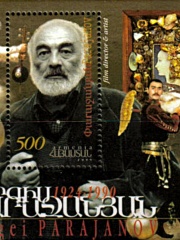
Sergei Parajanov
FILM DIRECTOR
1924 - 1990
HPI: 72.77
Rank: 12
Among Pisarzs In Gruzja
Among pisarzs born in Gruzja, Szota Rustaweli ranks 1. After him are Vladimir Mayakovsky (1893), Sayat-Nova (1712), Ilia Chavchavadze (1837), Boris Akunin (1956), Pavel Bermondt-Avalov (1877), Nodar Dumbadze (1928), Vladimir Nemirovich-Danchenko (1858), Akaki Tsereteli (1840), Nikoloz Baratashvili (1817), Alexander Kazbegi (1848), and Vazha-Pshavela (1861).
Shota Rustaveli
1172 - 1216
HPI: 77.21
Rank: 1
Vladimir Mayakovsky
1893 - 1930
HPI: 76.22
Rank: 2
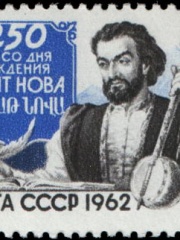
Sayat-Nova
1712 - 1795
HPI: 71.95
Rank: 3
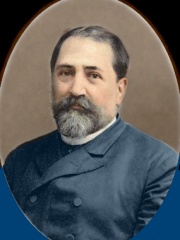
Ilia Chavchavadze
1837 - 1907
HPI: 67.67
Rank: 4
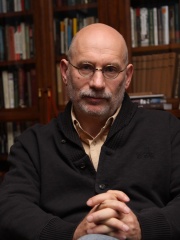
Boris Akunin
1956 - Present
HPI: 64.27
Rank: 5
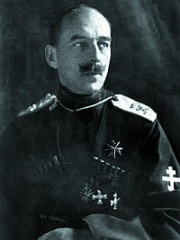
Pavel Bermondt-Avalov
1877 - 1974
HPI: 63.15
Rank: 6
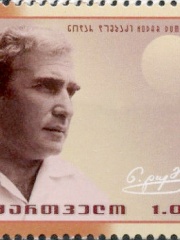
Nodar Dumbadze
1928 - 1984
HPI: 63.03
Rank: 7
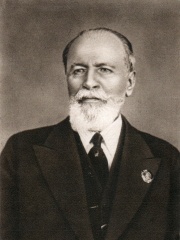
Vladimir Nemirovich-Danchenko
1858 - 1943
HPI: 62.92
Rank: 8
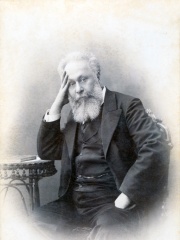
Akaki Tsereteli
1840 - 1915
HPI: 62.05
Rank: 9
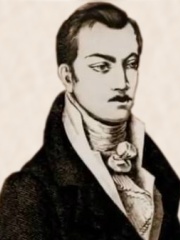
Nikoloz Baratashvili
1817 - 1845
HPI: 61.38
Rank: 10
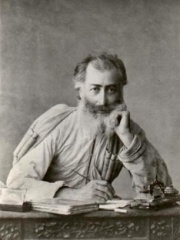
Alexander Kazbegi
1848 - 1893
HPI: 61.36
Rank: 11
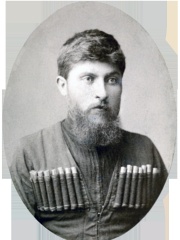
Vazha-Pshavela
1861 - 1915
HPI: 61.14
Rank: 12




