Politician
Seljuk
Oghuz Turkic warlord, eponymous founder of the Seljuk dynasty
902 - 1038
EN.WIKIPEDIA PAGE VIEWS (PV)
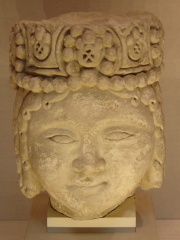
 Seljuk
His biography is available in 40 different languages on Wikipedia. Seljuk is the 1,638th most popular politician (down from 1,344th in 2024), the 3rd most popular biography from Kazakhstan (up from 4th in 2019) and the 3rd most popular Kazakhstani Politician.
Seljuk is most famous for the Seljuk Empire. The Seljuk Empire was a Turkic empire that was established by Tughril Beg in 1037.
Memorability Metrics
100k
Page Views
Past 12 months
73.38
HPI
Historical Popularity Index
Page views of Seljuk by language
Among Politicians
Among politicians, Seljuk ranks 1,637 out of 19,576. Before him are Berenice I of Egypt, Al-Mu'tasim, Archduke Maximilian Francis of Austria, Moshe Sharett, Jacques Necker, and Bogd Khan. After him are William II of England, Sulayman ibn Abd al-Malik, Mohammed bin Zayed Al Nahyan, Polycrates, Jeongjong of Joseon, and Psamtik I.
Most Popular Politicians in Wikipedia
Go to all Rankings
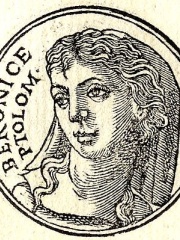
Berenice I of Egypt
340 BC - 268 BC
HPI: 73.40
Rank: 1,632
Al-Mu'tasim
796 - 842
HPI: 73.39
Rank: 1,633
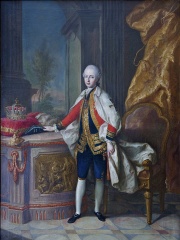
Archduke Maximilian Francis of Austria
1756 - 1801
HPI: 73.39
Rank: 1,634
Moshe Sharett
1894 - 1965
HPI: 73.38
Rank: 1,635
Jacques Necker
1732 - 1804
HPI: 73.38
Rank: 1,636
Bogd Khan
1869 - 1924
HPI: 73.38
Rank: 1,637
Seljuk
902 - 1038
HPI: 73.38
Rank: 1,638
William II of England
1056 - 1100
HPI: 73.37
Rank: 1,639
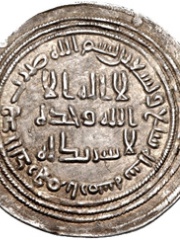
Sulayman ibn Abd al-Malik
674 - 717
HPI: 73.37
Rank: 1,640
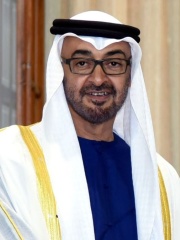
Mohammed bin Zayed Al Nahyan
1961 - Present
HPI: 73.36
Rank: 1,641
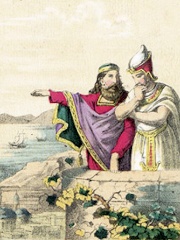
Polycrates
600 BC - 515 BC
HPI: 73.36
Rank: 1,642

Jeongjong of Joseon
1357 - 1419
HPI: 73.36
Rank: 1,643
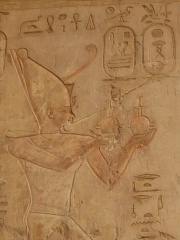
Psamtik I
700 BC - 610 BC
HPI: 73.36
Rank: 1,644

Contemporaries
Among people born in 902, Seljuk ranks 1. After him are Emperor Taizong of Liao, and Adikavi Pampa. Among people deceased in 1038, Seljuk ranks 2. Before him is Stephen I of Hungary. After him are Gotthard of Hildesheim, Jaromír, Duke of Bohemia, Gunhilda of Denmark, Abu Nu'aym al-Isfahani, Herman IV, Duke of Swabia, and William VI, Duke of Aquitaine.
Others Born in 902
Go to all RankingsSeljuk
POLITICIAN
902 - 1038
HPI: 73.38
Rank: 1

Emperor Taizong of Liao
POLITICIAN
902 - 947
HPI: 65.91
Rank: 2
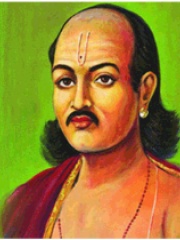
Adikavi Pampa
WRITER
902 - 975
HPI: 56.39
Rank: 3
Others Deceased in 1038
Go to all Rankings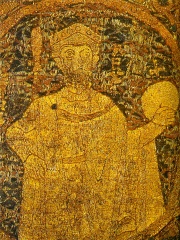
Stephen I of Hungary
POLITICIAN
975 - 1038
HPI: 80.19
Rank: 1
Seljuk
POLITICIAN
902 - 1038
HPI: 73.38
Rank: 2
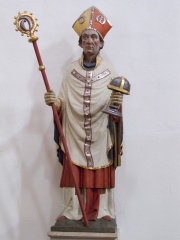
Gotthard of Hildesheim
RELIGIOUS FIGURE
960 - 1038
HPI: 67.02
Rank: 3
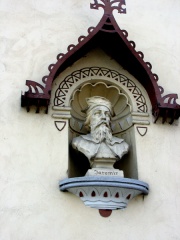
Jaromír, Duke of Bohemia
POLITICIAN
1000 - 1038
HPI: 64.90
Rank: 4
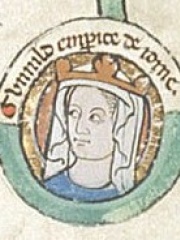
Gunhilda of Denmark
COMPANION
1020 - 1038
HPI: 63.00
Rank: 5

Abu Nu'aym al-Isfahani
RELIGIOUS FIGURE
948 - 1038
HPI: 59.86
Rank: 6
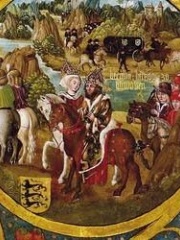
Herman IV, Duke of Swabia
NOBLEMAN
1015 - 1038
HPI: 59.81
Rank: 7

William VI, Duke of Aquitaine
POLITICIAN
1004 - 1038
HPI: 59.21
Rank: 8
In Kazakhstan
Among people born in Kazakhstan, Seljuk ranks 3 out of NaN. Before him are Tomyris (-600), and Nursultan Nazarbayev (1940). After him are Ahmad Yasawi (1103), Kassym-Jomart Tokayev (1953), Muhammad Shaybani (1451), Lavr Kornilov (1870), Akhmad Kadyrov (1951), Vladimir Zhirinovsky (1946), Aslan Maskhadov (1951), Abai Qunanbaiuly (1845), and Edigu (1352).
Others born in Kazakhstan
Go to all Rankings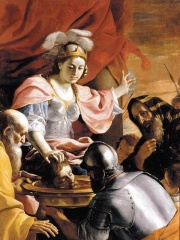
Tomyris
POLITICIAN
600 BC - 600 BC
HPI: 81.59
Rank: 1
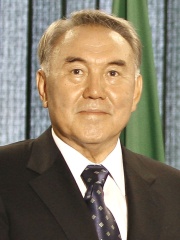
Nursultan Nazarbayev
POLITICIAN
1940 - Present
HPI: 77.27
Rank: 2
Seljuk
POLITICIAN
902 - 1038
HPI: 73.38
Rank: 3
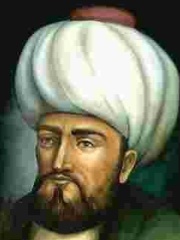
Ahmad Yasawi
WRITER
1103 - 1166
HPI: 73.29
Rank: 4
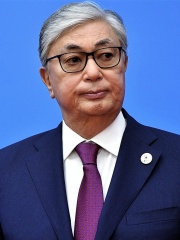
Kassym-Jomart Tokayev
POLITICIAN
1953 - Present
HPI: 72.91
Rank: 5
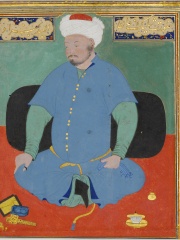
Muhammad Shaybani
POLITICIAN
1451 - 1510
HPI: 72.01
Rank: 6
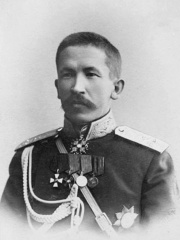
Lavr Kornilov
MILITARY PERSONNEL
1870 - 1918
HPI: 71.72
Rank: 7
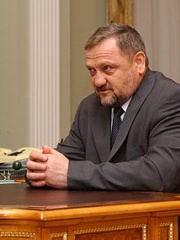
Akhmad Kadyrov
POLITICIAN
1951 - 2004
HPI: 71.59
Rank: 8
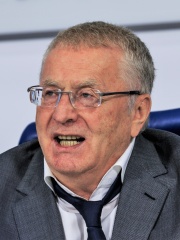
Vladimir Zhirinovsky
POLITICIAN
1946 - 2022
HPI: 70.91
Rank: 9
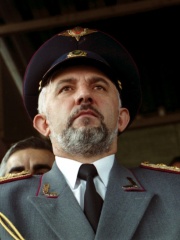
Aslan Maskhadov
POLITICIAN
1951 - 2005
HPI: 70.62
Rank: 10
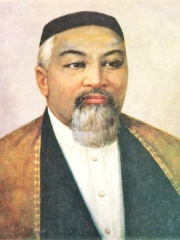
Abai Qunanbaiuly
WRITER
1845 - 1904
HPI: 70.31
Rank: 11
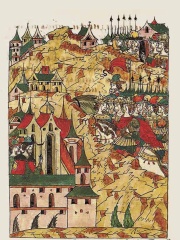
Edigu
POLITICIAN
1352 - 1419
HPI: 67.25
Rank: 12
Among Politicians In Kazakhstan
Among politicians born in Kazakhstan, Seljuk ranks 3. Before him are Tomyris (-600), and Nursultan Nazarbayev (1940). After him are Kassym-Jomart Tokayev (1953), Muhammad Shaybani (1451), Akhmad Kadyrov (1951), Vladimir Zhirinovsky (1946), Aslan Maskhadov (1951), Edigu (1352), Tughlugh Timur (1329), Ablai Khan (1711), and Zelimkhan Yandarbiyev (1952).
Tomyris
600 BC - 600 BC
HPI: 81.59
Rank: 1
Nursultan Nazarbayev
1940 - Present
HPI: 77.27
Rank: 2
Seljuk
902 - 1038
HPI: 73.38
Rank: 3
Kassym-Jomart Tokayev
1953 - Present
HPI: 72.91
Rank: 4
Muhammad Shaybani
1451 - 1510
HPI: 72.01
Rank: 5
Akhmad Kadyrov
1951 - 2004
HPI: 71.59
Rank: 6
Vladimir Zhirinovsky
1946 - 2022
HPI: 70.91
Rank: 7
Aslan Maskhadov
1951 - 2005
HPI: 70.62
Rank: 8
Edigu
1352 - 1419
HPI: 67.25
Rank: 9
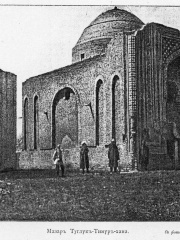
Tughlugh Timur
1329 - 1363
HPI: 66.20
Rank: 10
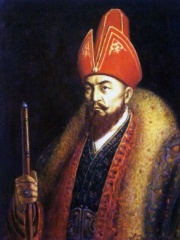
Ablai Khan
1711 - 1781
HPI: 65.95
Rank: 11
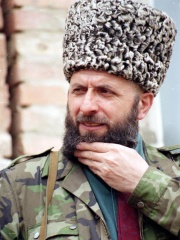
Zelimkhan Yandarbiyev
1952 - 2004
HPI: 65.28
Rank: 12




