Matematyk
Sal Khan
1976 - obecnie
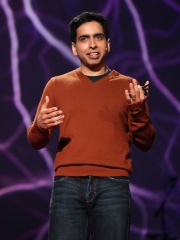
 Sal Khan
Jego biografia jest dostępna w 41 różnych językach w Wikipedii (spadek z 42 w 2024 roku). Sal Khan jest 404. najpopularniejszym matematyk (wzrost z 980. w 2024 roku), 3424. najpopularniejszą biografią Stany Zjednoczone (wzrost z 14258. w 2019 roku) oraz 25. najpopularniejszym matematyk Stany Zjednoczone.
Wskaźniki rozpoznawalności
250k
Wyświetlenia strony
Ostatnie 12 miesięcy
62.13
HPI
Indeks historycznej popularności
Ciekawostki z danych
+55k
Sal Khan awansuje o 55,146 miejsc w globalnym rankingu HPI Pantheonu, z miejsca 83,777. na 28,665.
3.7×
Strona postaci Sal Khan w Wikipedii zanotowała 250k wyświetleń w ciągu ostatniego roku, 3.7 razy więcej niż średnia wśród Matematyk.
Wyświetlenia strony Sal Khan według języka
Wśród przedstawicieli zawodu Matematyk
Wśród przedstawicieli zawodu „Matematyk” Sal Khan zajmuje 404. miejsce na 1,010. Przed nim są Thomas Fincke, Philippe de La Hire, Bhāskara I, Rolf Nevanlinna, Peter Barlow, i Anders Johan Lexell. Po nim są Karl Menger, Jean Dieudonné, Christian Kramp, Johann Benedict Listing, Ibn al-Banna' al-Marrakushi, i Edmund Gunter.
Najpopularniejsi w Wikipedii: Matematyk
Zobacz wszystkie rankingi
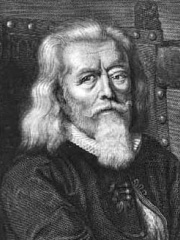
Thomas Fincke
1561 - 1656
HPI: 62.33
Miejsce: 398
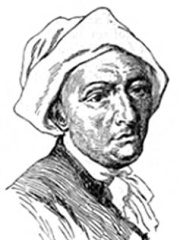
Philippe de La Hire
1640 - 1718
HPI: 62.31
Miejsce: 399

Bhāskara I
600 - 680
HPI: 62.29
Miejsce: 400
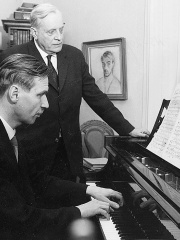
Rolf Nevanlinna
1895 - 1980
HPI: 62.28
Miejsce: 401
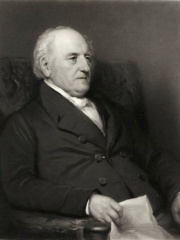
Peter Barlow
1776 - 1862
HPI: 62.28
Miejsce: 402
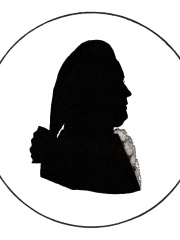
Anders Johan Lexell
1740 - 1784
HPI: 62.24
Miejsce: 403
Sal Khan
1976 - obecnie
HPI: 62.13
Miejsce: 404
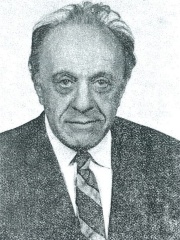
Karl Menger
1902 - 1985
HPI: 62.12
Miejsce: 405
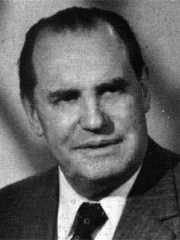
Jean Dieudonné
1906 - 1992
HPI: 62.12
Miejsce: 406
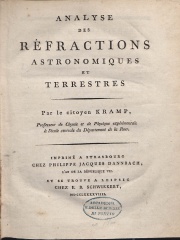
Christian Kramp
1760 - 1826
HPI: 62.12
Miejsce: 407
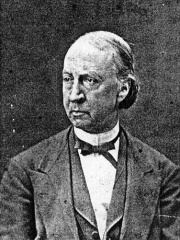
Johann Benedict Listing
1808 - 1882
HPI: 62.11
Miejsce: 408

Ibn al-Banna' al-Marrakushi
1256 - 1321
HPI: 62.09
Miejsce: 409

Edmund Gunter
1581 - 1626
HPI: 62.05
Miejsce: 410

Współcześni
Wśród osób urodzonych w 1976 roku Sal Khan zajmuje 34. miejsce. Przed nim są Silvia Saint, Armin van Buuren, Scott Adkins, Elsa Pataky, Fernando Morientes, i Santiago Solari. Po nim są Fedor Emelianenko, Álvaro Recoba, Tony Jaa, Sam Worthington, Mauro Camoranesi, i Abu Ibrahim al-Hashimi al-Qurashi.
Inne osoby urodzone w 1976 roku
Zobacz wszystkie rankingi
Silvia Saint
PORNOGRAPHIC ACTOR
1976 - obecnie
HPI: 63.56
Miejsce: 28

Armin van Buuren
MUSICIAN
1976 - obecnie
HPI: 63.39
Miejsce: 29

Scott Adkins
ACTOR
1976 - obecnie
HPI: 63.12
Miejsce: 30

Elsa Pataky
ACTOR
1976 - obecnie
HPI: 62.78
Miejsce: 31

Fernando Morientes
SOCCER PLAYER
1976 - obecnie
HPI: 62.70
Miejsce: 32

Santiago Solari
SOCCER PLAYER
1976 - obecnie
HPI: 62.20
Miejsce: 33
Sal Khan
MATHEMATICIAN
1976 - obecnie
HPI: 62.13
Miejsce: 34

Fedor Emelianenko
MARTIAL ARTS
1976 - obecnie
HPI: 62.04
Miejsce: 35

Álvaro Recoba
SOCCER PLAYER
1976 - obecnie
HPI: 61.97
Miejsce: 36

Tony Jaa
ACTOR
1976 - obecnie
HPI: 61.74
Miejsce: 37
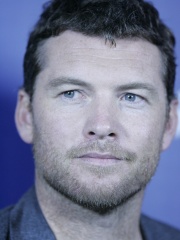
Sam Worthington
ACTOR
1976 - obecnie
HPI: 61.71
Miejsce: 38

Mauro Camoranesi
SOCCER PLAYER
1976 - obecnie
HPI: 61.41
Miejsce: 39

Abu Ibrahim al-Hashimi al-Qurashi
EXTREMIST
1976 - 2022
HPI: 61.34
Miejsce: 40
W kraju Stany Zjednoczone
Wśród osób urodzonych w kraju Stany Zjednoczone Sal Khan zajmuje 3,424. miejsce na 23,232. Przed nim są Jacques Futrelle (1875), Robert J. Van de Graaff (1901), P. G. T. Beauregard (1818), Sister Rosetta Tharpe (1915), Randy Quaid (1950), i Alex North (1910). Po nim są Henry Fairfield Osborn (1857), Trini Lopez (1937), Florence Harding (1860), Babushka Lady (1930), James Bond (1900), i Charlie Wilson (1933).
Inne osoby urodzone w kraju Stany Zjednoczone
Zobacz wszystkie rankingi
Jacques Futrelle
WRITER
1875 - 1912
HPI: 62.14
Miejsce: 3,418
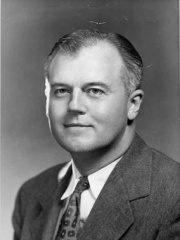
Robert J. Van de Graaff
PHYSICIST
1901 - 1967
HPI: 62.14
Miejsce: 3,419
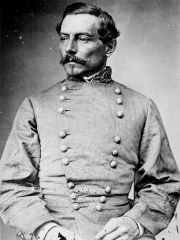
P. G. T. Beauregard
MILITARY PERSONNEL
1818 - 1893
HPI: 62.14
Miejsce: 3,420
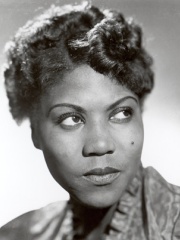
Sister Rosetta Tharpe
MUSICIAN
1915 - 1973
HPI: 62.13
Miejsce: 3,421

Randy Quaid
ACTOR
1950 - obecnie
HPI: 62.13
Miejsce: 3,422

Alex North
COMPOSER
1910 - 1991
HPI: 62.13
Miejsce: 3,423
Sal Khan
MATHEMATICIAN
1976 - obecnie
HPI: 62.13
Miejsce: 3,424
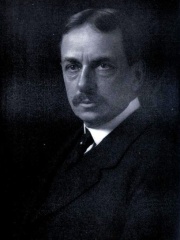
Henry Fairfield Osborn
ANTHROPOLOGIST
1857 - 1935
HPI: 62.13
Miejsce: 3,425
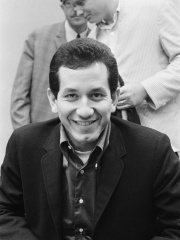
Trini Lopez
SINGER
1937 - 2020
HPI: 62.13
Miejsce: 3,426
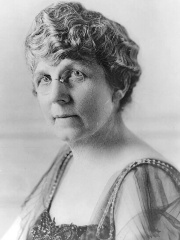
Florence Harding
POLITICIAN
1860 - 1924
HPI: 62.12
Miejsce: 3,427

Babushka Lady
CELEBRITY
1930 - 1999
HPI: 62.12
Miejsce: 3,428
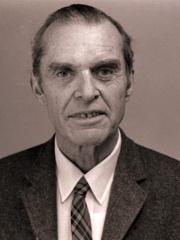
James Bond
BIOLOGIST
1900 - 1989
HPI: 62.12
Miejsce: 3,429
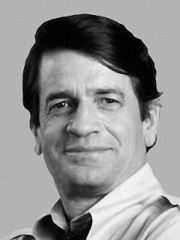
Charlie Wilson
MILITARY PERSONNEL
1933 - 2010
HPI: 62.12
Miejsce: 3,430
Wśród przedstawicieli zawodu Matematyk w kraju Stany Zjednoczone
Wśród przedstawicieli zawodu „Matematyk” urodzonych w kraju Stany Zjednoczone Sal Khan zajmuje 25. miejsce. Przed nim są Stephen Smale (1930), Edward Kasner (1878), Martin Davis (1928), John Milnor (1931), Raymond Smullyan (1919), i Marshall Harvey Stone (1903). Po nim są Mitchell Feigenbaum (1944), William Thurston (1946), Sam Loyd (1841), James Waddell Alexander II (1888), Whitfield Diffie (1944), i Stephen Cole Kleene (1909).
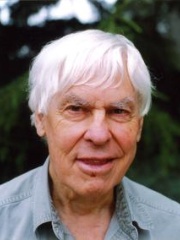
Stephen Smale
1930 - obecnie
HPI: 64.46
Miejsce: 19
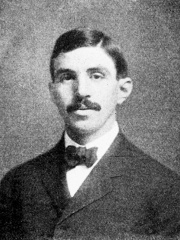
Edward Kasner
1878 - 1955
HPI: 64.01
Miejsce: 20
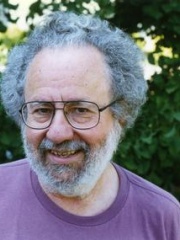
Martin Davis
1928 - 2023
HPI: 63.10
Miejsce: 21
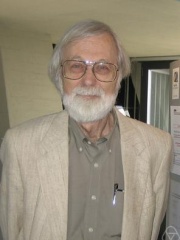
John Milnor
1931 - obecnie
HPI: 62.77
Miejsce: 22

Raymond Smullyan
1919 - 2017
HPI: 62.76
Miejsce: 23

Marshall Harvey Stone
1903 - 1989
HPI: 62.66
Miejsce: 24
Sal Khan
1976 - obecnie
HPI: 62.13
Miejsce: 25
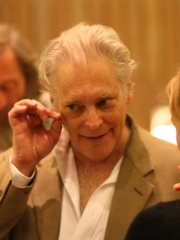
Mitchell Feigenbaum
1944 - 2019
HPI: 61.91
Miejsce: 26
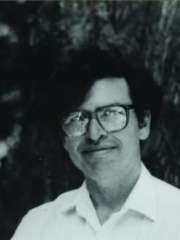
William Thurston
1946 - 2012
HPI: 61.71
Miejsce: 27
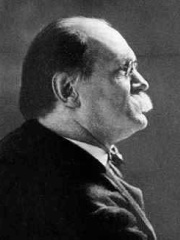
Sam Loyd
1841 - 1911
HPI: 61.31
Miejsce: 28

James Waddell Alexander II
1888 - 1971
HPI: 60.88
Miejsce: 29
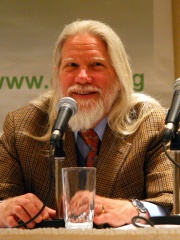
Whitfield Diffie
1944 - obecnie
HPI: 60.83
Miejsce: 30
Stephen Cole Kleene
1909 - 1994
HPI: 60.65
Miejsce: 31




