Politico
Rudolf Schuster
1934 - presente
VISUALIZZAZIONI SU IT.WIKIPEDIA (PV)
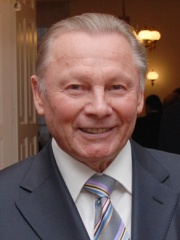
 Rudolf Schuster
La sua biografia è disponibile in 40 lingue su Wikipedia. Rudolf Schuster è il 4561° politico più popolare (in calo dal 3369° nel 2024), la 33ª biografia più popolare della Slovacchia (in calo dal 24ª nel 2019) e il 18° politico più popolare della Slovacchia.
Metriche di memorabilità
49k
Visualizzazioni
Ultimi 12 mesi
67.13
HPI
Indice di popolarità storica
Dati in evidenza
40
La biografia di Rudolf Schuster compare in 40 edizioni linguistiche di Wikipedia — più del 83% di tutti i Politico.
4 gen
Rudolf Schuster condivide il compleanno (4 gennaio) con Isaac Newton, Louis Braille e Brian Josephson.
Visualizzazioni della pagina di Rudolf Schuster per lingua
Tra Politico
Tra Politico, Rudolf Schuster occupa la posizione 4,559 su 19,576. Prima di lui ci sono Emperor Gong of Song, Stanisław Żółkiewski, Emperor Uda, Hasdrubal the Fair, Francesco Foscari, e Gérard Genette. Dopo di lui ci sono Ivanoe Bonomi, Petru Groza, Princess Anna Sophie of Denmark, Fakhr al-Mulk Radwan, Robert de Craon, e Prince Eugen, Duke of Närke.
Politico più popolari su Wikipedia
Vai a tutte le classifiche
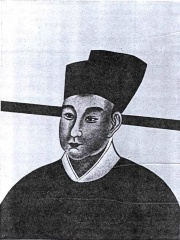
Emperor Gong of Song
1271 - 1323
HPI: 67.14
Posizione: 4,555
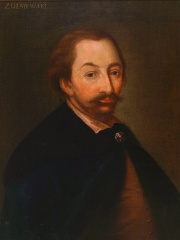
Stanisław Żółkiewski
1547 - 1620
HPI: 67.13
Posizione: 4,556
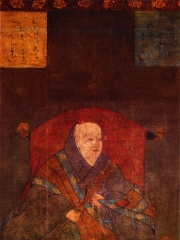
Emperor Uda
867 - 931
HPI: 67.13
Posizione: 4,557
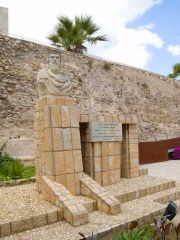
Hasdrubal the Fair
270 BC - 221 BC
HPI: 67.13
Posizione: 4,558
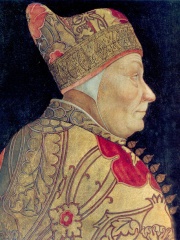
Francesco Foscari
1373 - 1457
HPI: 67.13
Posizione: 4,559
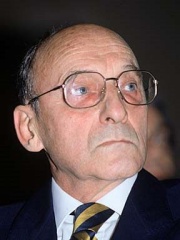
Gérard Genette
1930 - 2018
HPI: 67.13
Posizione: 4,560
Rudolf Schuster
1934 - presente
HPI: 67.13
Posizione: 4,561
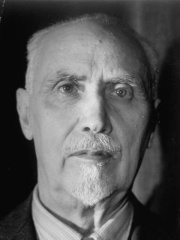
Ivanoe Bonomi
1873 - 1951
HPI: 67.13
Posizione: 4,562
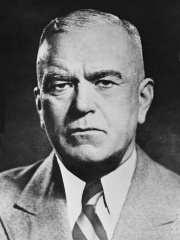
Petru Groza
1884 - 1958
HPI: 67.13
Posizione: 4,563
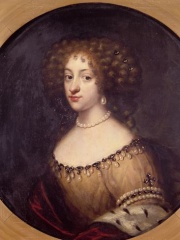
Princess Anna Sophie of Denmark
1647 - 1717
HPI: 67.13
Posizione: 4,564

Fakhr al-Mulk Radwan
1080 - 1113
HPI: 67.13
Posizione: 4,565

Robert de Craon
1010 - 1147
HPI: 67.13
Posizione: 4,566
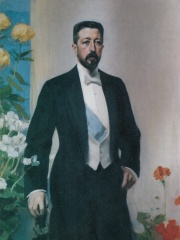
Prince Eugen, Duke of Närke
1865 - 1947
HPI: 67.13
Posizione: 4,567

Contemporanei
Tra le persone nate nel 1934, Rudolf Schuster occupa la posizione 78. Prima di lui ci sono Ronald Wayne, Raniero Cantalamessa, Hans Hollein, Kenzo Ohashi, Diana Wynne Jones, e Heng Samrin. Dopo di lui ci sono Abimael Guzmán, Yoshio Furukawa, Garry Marshall, Renata Scotto, Marshall Rosenberg, e Bingu wa Mutharika.
Altre persone nate nel 1934
Vai a tutte le classifiche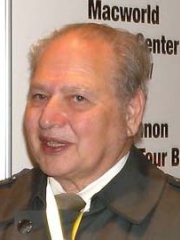
Ronald Wayne
BUSINESSPERSON
1934 - presente
HPI: 67.68
Posizione: 72
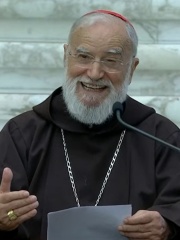
Raniero Cantalamessa
RELIGIOUS FIGURE
1934 - presente
HPI: 67.58
Posizione: 73
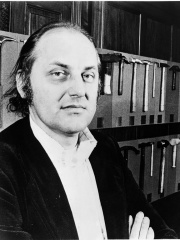
Hans Hollein
ARCHITECT
1934 - 2014
HPI: 67.57
Posizione: 74

Kenzo Ohashi
SOCCER PLAYER
1934 - 2015
HPI: 67.47
Posizione: 75
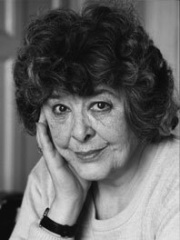
Diana Wynne Jones
WRITER
1934 - 2011
HPI: 67.38
Posizione: 76

Heng Samrin
POLITICIAN
1934 - presente
HPI: 67.21
Posizione: 77
Rudolf Schuster
POLITICIAN
1934 - presente
HPI: 67.13
Posizione: 78
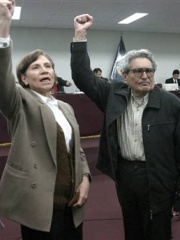
Abimael Guzmán
SOCIAL ACTIVIST
1934 - 2021
HPI: 67.08
Posizione: 79

Yoshio Furukawa
SOCCER PLAYER
1934 - presente
HPI: 67.05
Posizione: 80
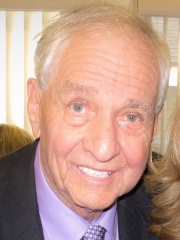
Garry Marshall
FILM DIRECTOR
1934 - 2016
HPI: 67.05
Posizione: 81
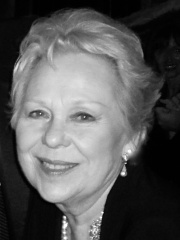
Renata Scotto
SINGER
1934 - 2023
HPI: 66.98
Posizione: 82

Marshall Rosenberg
WRITER
1934 - 2015
HPI: 66.97
Posizione: 83
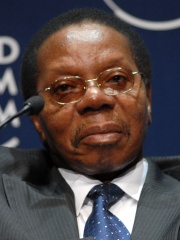
Bingu wa Mutharika
ECONOMIST
1934 - 2012
HPI: 66.95
Posizione: 84
In Slovacchia
Tra le persone nate in Slovacchia, Rudolf Schuster occupa la posizione 33 su 418. Prima di lui ci sono Pribina (800), Andrej Babiš (1954), Edita Gruberová (1946), Edith Eger (1927), Ivan Reitman (1946), e Zuzana Čaputová (1973). Dopo di lui ci sono Andrej Hlinka (1864), Milan Hodža (1878), Lajos Batthyány (1807), Richard Réti (1889), Michal Kováč (1930), e Joseph Petzval (1807).
Altre persone nate in Slovacchia
Vai a tutte le classifiche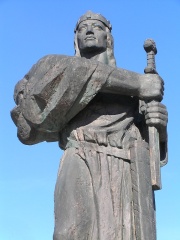
Pribina
POLITICIAN
800 - 860
HPI: 68.06
Posizione: 27
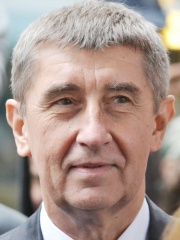
Andrej Babiš
POLITICIAN
1954 - presente
HPI: 67.53
Posizione: 28
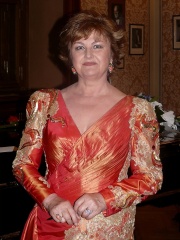
Edita Gruberová
SINGER
1946 - 2021
HPI: 67.33
Posizione: 29
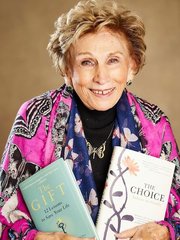
Edith Eger
PSYCHOLOGIST
1927 - 2026
HPI: 67.31
Posizione: 30
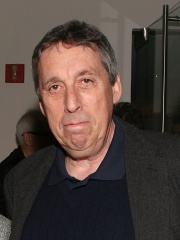
Ivan Reitman
FILM DIRECTOR
1946 - 2022
HPI: 67.25
Posizione: 31
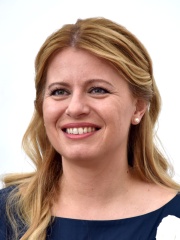
Zuzana Čaputová
POLITICIAN
1973 - presente
HPI: 67.17
Posizione: 32
Rudolf Schuster
POLITICIAN
1934 - presente
HPI: 67.13
Posizione: 33
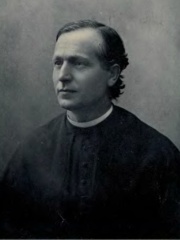
Andrej Hlinka
POLITICIAN
1864 - 1938
HPI: 66.96
Posizione: 34
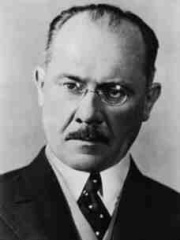
Milan Hodža
POLITICIAN
1878 - 1944
HPI: 66.92
Posizione: 35
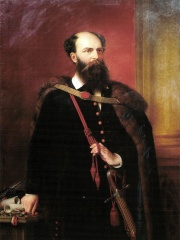
Lajos Batthyány
POLITICIAN
1807 - 1849
HPI: 66.87
Posizione: 36
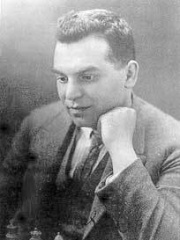
Richard Réti
CHESS PLAYER
1889 - 1929
HPI: 66.65
Posizione: 37
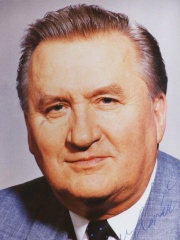
Michal Kováč
POLITICIAN
1930 - 2016
HPI: 66.55
Posizione: 38
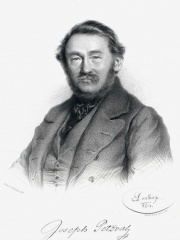
Joseph Petzval
MATHEMATICIAN
1807 - 1891
HPI: 66.47
Posizione: 39
Tra Politico in Slovacchia
Tra Politico nati in Slovacchia, Rudolf Schuster occupa la posizione 18. Prima di lui ci sono Vladimír Mečiar (1942), Vojtech Tuka (1880), Milan Rastislav Štefánik (1880), Pribina (800), Andrej Babiš (1954), e Zuzana Čaputová (1973). Dopo di lui ci sono Andrej Hlinka (1864), Milan Hodža (1878), Lajos Batthyány (1807), Michal Kováč (1930), András Hadik (1710), e Gyula Andrássy the Younger (1860).
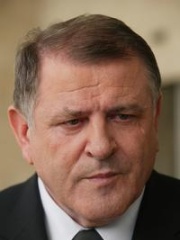
Vladimír Mečiar
1942 - presente
HPI: 69.80
Posizione: 12
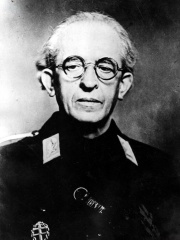
Vojtech Tuka
1880 - 1946
HPI: 69.25
Posizione: 13
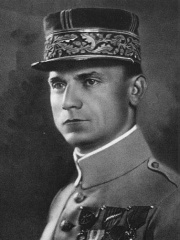
Milan Rastislav Štefánik
1880 - 1919
HPI: 68.64
Posizione: 14
Pribina
800 - 860
HPI: 68.06
Posizione: 15
Andrej Babiš
1954 - presente
HPI: 67.53
Posizione: 16
Zuzana Čaputová
1973 - presente
HPI: 67.17
Posizione: 17
Rudolf Schuster
1934 - presente
HPI: 67.13
Posizione: 18
Andrej Hlinka
1864 - 1938
HPI: 66.96
Posizione: 19
Milan Hodža
1878 - 1944
HPI: 66.92
Posizione: 20
Lajos Batthyány
1807 - 1849
HPI: 66.87
Posizione: 21
Michal Kováč
1930 - 2016
HPI: 66.55
Posizione: 22
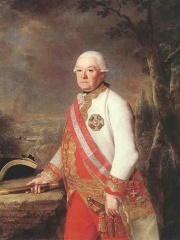
András Hadik
1710 - 1790
HPI: 66.42
Posizione: 23
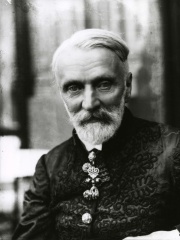
Gyula Andrássy the Younger
1860 - 1929
HPI: 66.27
Posizione: 24




