Natuurkundige
Carlo Rubbia
1934 - heden
NL.WIKIPEDIA PAGE VIEWS (PV)
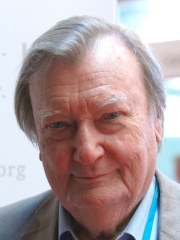
 Carlo Rubbia
Zijn biografie is beschikbaar in 72 verschillende talen op Wikipedia (toegenomen van 71 in 2024). Carlo Rubbia staat op plaats 263 onder de meest populaire natuurkundige (gestegen van plaats 276 in 2024), plaats 1.011 onder de meest populaire biografieën uit Italië (gestegen van plaats 1.145 in 2019) en op plaats 9 onder de populairste natuurkundige uit Italië.
Memorability Metrics
74k
Page Views
Past 12 months
69.34
HPI
Historical Popularity Index
Page views of Carlo Rubbia by language
Among Natuurkundiges
Among natuurkundiges, Carlo Rubbia ranks 263 out of 851. Before him are Pierre-Gilles de Gennes, Abdus Salam, Chien-Shiung Wu, Serge Haroche, Julian Schwinger, and Toshihide Maskawa. After him are John Hasbrouck Van Vleck, Osborne Reynolds, Anthony James Leggett, Johannes Rydberg, Jack Steinberger, and Yang Chen-Ning.
Most Popular Natuurkundiges in Wikipedia
Go to all Rankings
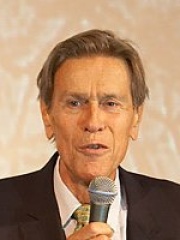
Pierre-Gilles de Gennes
1932 - 2007
HPI: 69.57
Rank: 257
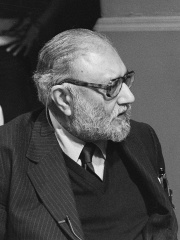
Abdus Salam
1926 - 1996
HPI: 69.53
Rank: 258
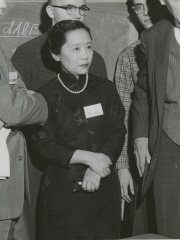
Chien-Shiung Wu
1912 - 1997
HPI: 69.53
Rank: 259
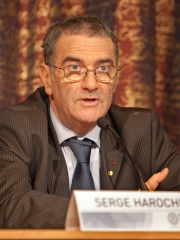
Serge Haroche
1944 - Present
HPI: 69.50
Rank: 260
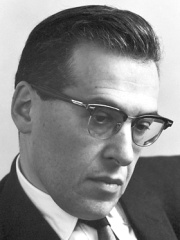
Julian Schwinger
1918 - 1994
HPI: 69.40
Rank: 261
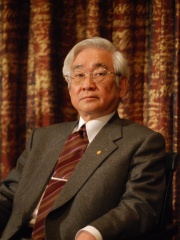
Toshihide Maskawa
1940 - 2021
HPI: 69.39
Rank: 262
Carlo Rubbia
1934 - Present
HPI: 69.34
Rank: 263
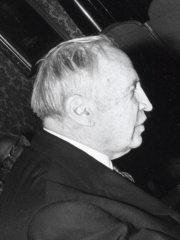
John Hasbrouck Van Vleck
1899 - 1980
HPI: 69.29
Rank: 264
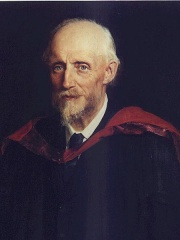
Osborne Reynolds
1842 - 1912
HPI: 69.26
Rank: 265
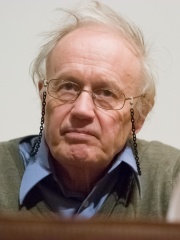
Anthony James Leggett
1938 - 2026
HPI: 69.13
Rank: 266
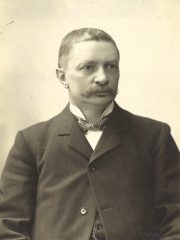
Johannes Rydberg
1854 - 1919
HPI: 69.11
Rank: 267
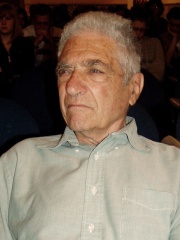
Jack Steinberger
1921 - 2020
HPI: 69.08
Rank: 268
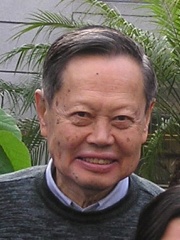
Yang Chen-Ning
1922 - 2025
HPI: 68.98
Rank: 269

Contemporaries
Among people born in 1934, Carlo Rubbia ranks 53. Before him are Princess Margaretha, Mrs. Ambler, Niklaus Wirth, Alan Arkin, Lansana Conté, John L. Hall, and Albert Speer. After him are Wole Soyinka, Mihaly Csikszentmihalyi, Yasuo Takamori, John Surtees, Masao Uchino, and Jonas Savimbi.
Others Born in 1934
Go to all Rankings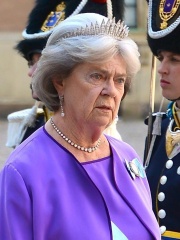
Princess Margaretha, Mrs. Ambler
POLITICIAN
1934 - Present
HPI: 70.01
Rank: 47
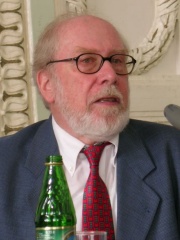
Niklaus Wirth
COMPUTER SCIENTIST
1934 - 2024
HPI: 69.80
Rank: 48
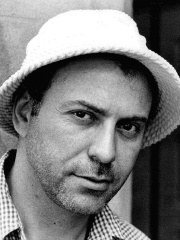
Alan Arkin
ACTOR
1934 - 2023
HPI: 69.77
Rank: 49
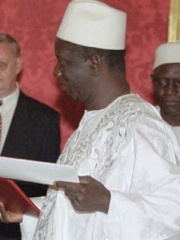
Lansana Conté
POLITICIAN
1934 - 2008
HPI: 69.70
Rank: 50
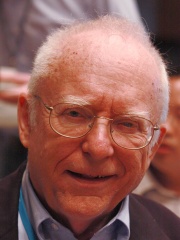
John L. Hall
PHYSICIST
1934 - Present
HPI: 69.65
Rank: 51
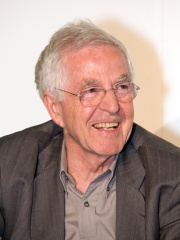
Albert Speer
ARCHITECT
1934 - 2017
HPI: 69.62
Rank: 52
Carlo Rubbia
PHYSICIST
1934 - Present
HPI: 69.34
Rank: 53
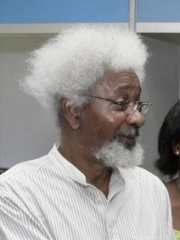
Wole Soyinka
WRITER
1934 - Present
HPI: 69.29
Rank: 54
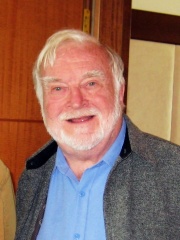
Mihaly Csikszentmihalyi
PSYCHOLOGIST
1934 - 2021
HPI: 69.24
Rank: 55

Yasuo Takamori
SOCCER PLAYER
1934 - 2016
HPI: 69.19
Rank: 56
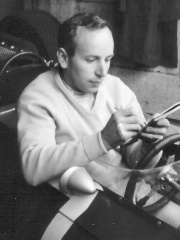
John Surtees
RACING DRIVER
1934 - 2017
HPI: 69.11
Rank: 57

Masao Uchino
SOCCER PLAYER
1934 - 2013
HPI: 69.07
Rank: 58
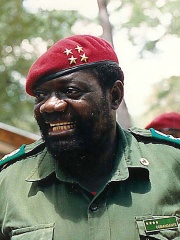
Jonas Savimbi
MILITARY PERSONNEL
1934 - 2002
HPI: 69.06
Rank: 59
In Italië
Among people born in Italië, Carlo Rubbia ranks 1,011 out of NaN. Before him are Gerard of Cremona (1114), Daniele da Volterra (1509), Hormizd I (250), Umberto Giordano (1867), Piero Ferrari (1945), and Hugo Pratt (1927). After him are Aristoxenus (-360), Giovanni Battista Viotti (1755), Francesca Caccini (1587), Elsa Morante (1912), Marie Joséphine of Savoy (1753), and Princess Mafalda of Savoy (1902).
Others born in Italië
Go to all Rankings
Gerard of Cremona
WRITER
1114 - 1187
HPI: 69.39
Rank: 1,005
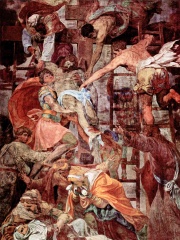
Daniele da Volterra
PAINTER
1509 - 1566
HPI: 69.39
Rank: 1,006
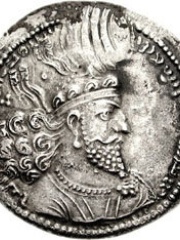
Hormizd I
POLITICIAN
250 - 273
HPI: 69.38
Rank: 1,007
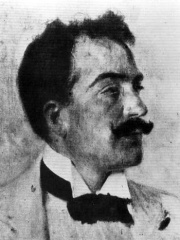
Umberto Giordano
COMPOSER
1867 - 1948
HPI: 69.37
Rank: 1,008
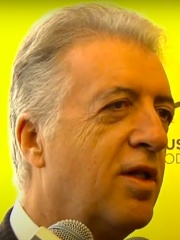
Piero Ferrari
BUSINESSPERSON
1945 - Present
HPI: 69.35
Rank: 1,009
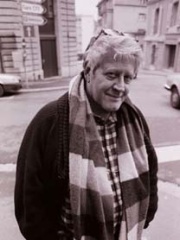
Hugo Pratt
COMIC ARTIST
1927 - 1995
HPI: 69.35
Rank: 1,010
Carlo Rubbia
PHYSICIST
1934 - Present
HPI: 69.34
Rank: 1,011
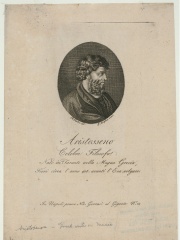
Aristoxenus
PHILOSOPHER
360 BC - 300 BC
HPI: 69.34
Rank: 1,012
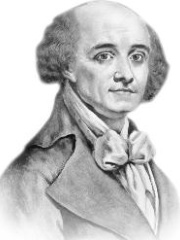
Giovanni Battista Viotti
MUSICIAN
1755 - 1824
HPI: 69.33
Rank: 1,013
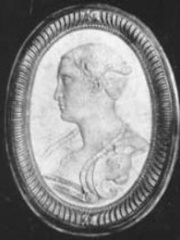
Francesca Caccini
COMPOSER
1587 - 1640
HPI: 69.31
Rank: 1,014
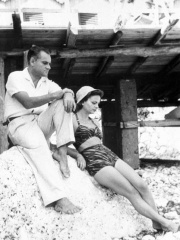
Elsa Morante
WRITER
1912 - 1985
HPI: 69.30
Rank: 1,015
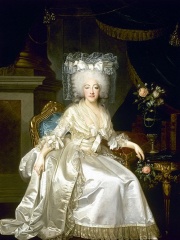
Marie Joséphine of Savoy
NOBLEMAN
1753 - 1810
HPI: 69.28
Rank: 1,016
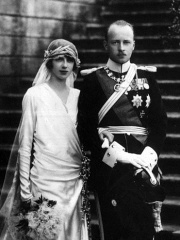
Princess Mafalda of Savoy
POLITICIAN
1902 - 1944
HPI: 69.27
Rank: 1,017
Among Natuurkundiges In Italië
Among natuurkundiges born in Italië, Carlo Rubbia ranks 9. Before him are Enrico Fermi (1901), Luigi Galvani (1737), Emilio Segrè (1905), Laura Bassi (1711), Francesco Maria Grimaldi (1618), and Ettore Majorana (1906). After him are Giovanni Battista Venturi (1746), Giovanni Battista Amici (1786), Bruno Pontecorvo (1913), Giorgio Parisi (1948), Galileo Ferraris (1847), and Federico Faggin (1941).
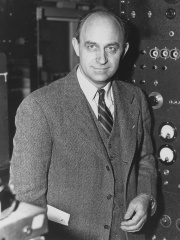
Enrico Fermi
1901 - 1954
HPI: 83.22
Rank: 3
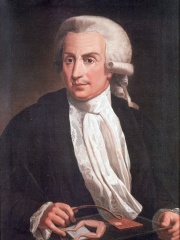
Luigi Galvani
1737 - 1798
HPI: 80.29
Rank: 4
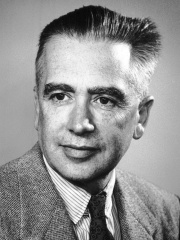
Emilio Segrè
1905 - 1989
HPI: 74.45
Rank: 5
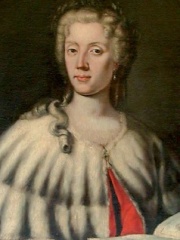
Laura Bassi
1711 - 1778
HPI: 73.68
Rank: 6
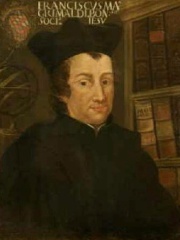
Francesco Maria Grimaldi
1618 - 1663
HPI: 71.42
Rank: 7
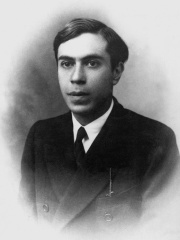
Ettore Majorana
1906 - 1959
HPI: 70.81
Rank: 8
Carlo Rubbia
1934 - Present
HPI: 69.34
Rank: 9
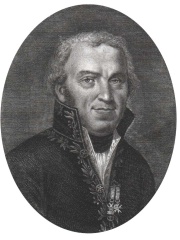
Giovanni Battista Venturi
1746 - 1822
HPI: 66.46
Rank: 10
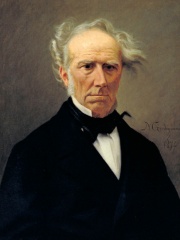
Giovanni Battista Amici
1786 - 1863
HPI: 66.10
Rank: 11
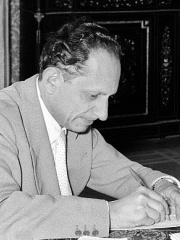
Bruno Pontecorvo
1913 - 1993
HPI: 65.83
Rank: 12
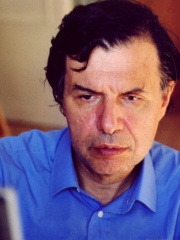
Giorgio Parisi
1948 - Present
HPI: 65.66
Rank: 13
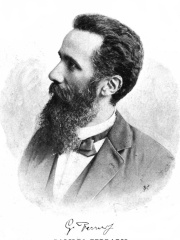
Galileo Ferraris
1847 - 1897
HPI: 64.40
Rank: 14
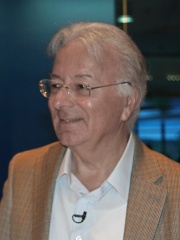
Federico Faggin
1941 - Present
HPI: 64.26
Rank: 15




