政治家
Ram Nath Kovind
1945 - 至今
ZH.WIKIPEDIA 页面浏览量 (PV)

 Ram Nath Kovind
知名度指标
360k
页面浏览量
过去12个月
70.16
HPI
历史知名度指数
Ram Nath Kovind的各语言页面浏览量
在政治家中
在政治家中,Ram Nath Kovind排名第2,797位(共19,576人)。 排在他之前的有:Naser al-Din Shah Qajar, Zhenjin, Adelaide of Maurienne, Manfred Gerlach, Princess Christina, Mrs. Magnuson, 和Teia. 排在他之后的有:Sebastião José de Carvalho e Melo, 1st Marquis of Pombal, Greg Abbott, Emperor Go-Yōzei, Antigonus II Mattathias, Plaek Phibunsongkhram, 和Louis the Blind.
维基百科上最受欢迎的政治家
查看全部排名
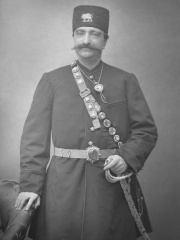
Naser al-Din Shah Qajar
1831 - 1896
HPI: 70.18
排名: 2,792

Zhenjin
1243 - 1286
HPI: 70.18
排名: 2,793
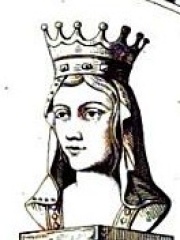
Adelaide of Maurienne
1092 - 1154
HPI: 70.17
排名: 2,794
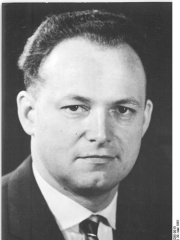
Manfred Gerlach
1928 - 2011
HPI: 70.17
排名: 2,795

Princess Christina, Mrs. Magnuson
1943 - 至今
HPI: 70.16
排名: 2,796
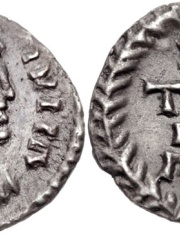
Teia
550 - 552
HPI: 70.16
排名: 2,797
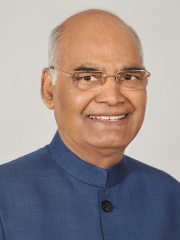
Ram Nath Kovind
1945 - 至今
HPI: 70.16
排名: 2,798
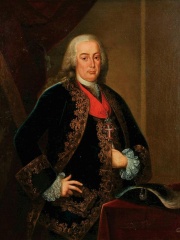
Sebastião José de Carvalho e Melo, 1st Marquis of Pombal
1699 - 1782
HPI: 70.16
排名: 2,799

Greg Abbott
1957 - 至今
HPI: 70.16
排名: 2,800
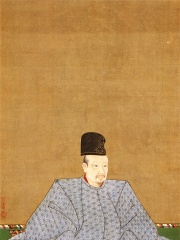
Emperor Go-Yōzei
1571 - 1617
HPI: 70.16
排名: 2,801
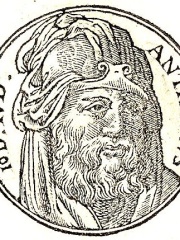
Antigonus II Mattathias
100 BC - 37 BC
HPI: 70.15
排名: 2,802
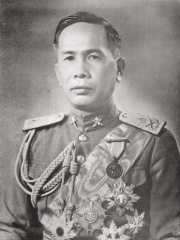
Plaek Phibunsongkhram
1897 - 1964
HPI: 70.15
排名: 2,803
Louis the Blind
880 - 928
HPI: 70.15
排名: 2,804

同时代人物
在1945年出生的人中,Ram Nath Kovind排名第63位。 排在他之前的有:Jacky Ickx, Yochanan Vollach, Neil Young, José Feliciano, Richard R. Schrock, 和Roger Glover. 排在他之后的有:Anton Zeilinger, Christoph Schönborn, Ibrahim Boubacar Keïta, Carmen Maura, Bryan Ferry, 和Piero Ferrari.
其他1945年出生的人
查看全部排名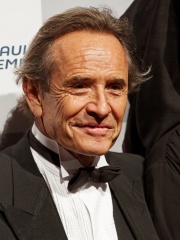
Jacky Ickx
RACING DRIVER
1945 - 至今
HPI: 71.13
排名: 57

Yochanan Vollach
SOCCER PLAYER
1945 - 至今
HPI: 71.11
排名: 58
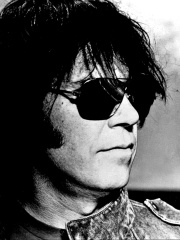
Neil Young
MUSICIAN
1945 - 至今
HPI: 70.82
排名: 59
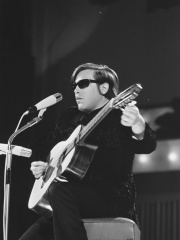
José Feliciano
MUSICIAN
1945 - 至今
HPI: 70.33
排名: 60
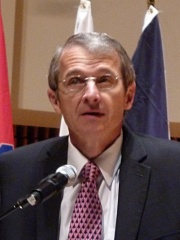
Richard R. Schrock
CHEMIST
1945 - 至今
HPI: 70.33
排名: 61

Roger Glover
MUSICIAN
1945 - 至今
HPI: 70.28
排名: 62
Ram Nath Kovind
POLITICIAN
1945 - 至今
HPI: 70.16
排名: 63

Anton Zeilinger
PHYSICIST
1945 - 至今
HPI: 69.76
排名: 64

Christoph Schönborn
1945 - 至今
HPI: 69.76
排名: 65
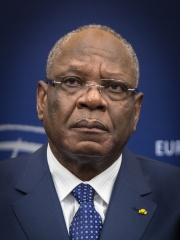
Ibrahim Boubacar Keïta
POLITICIAN
1945 - 2022
HPI: 69.68
排名: 66

Carmen Maura
ACTOR
1945 - 至今
HPI: 69.66
排名: 67

Bryan Ferry
SINGER
1945 - 至今
HPI: 69.61
排名: 68

Piero Ferrari
BUSINESSPERSON
1945 - 至今
HPI: 69.35
排名: 69
在印度
在出生于印度的人中,Ram Nath Kovind排名第113位(共NaN人)。 排在他之前的有:Satyajit Ray (1921), Dayananda Saraswati (1824), C. R. Rao (1920), Rajiv Gandhi (1944), Chaitanya Mahaprabhu (1486), 和Vyasa (-390). 排在他之后的有:Pervez Musharraf (1943), Muhammad Azam Shah (1653), Tipu Sultan (1750), Bal Gangadhar Tilak (1856), Baji Rao I (1700), 和Satyendra Nath Bose (1894).
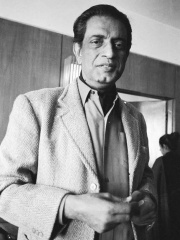
Satyajit Ray
FILM DIRECTOR
1921 - 1992
HPI: 70.38
排名: 107
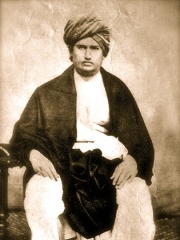
Dayananda Saraswati
RELIGIOUS FIGURE
1824 - 1883
HPI: 70.37
排名: 108
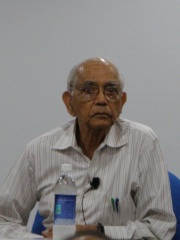
C. R. Rao
STATISTICIAN
1920 - 2023
HPI: 70.33
排名: 109
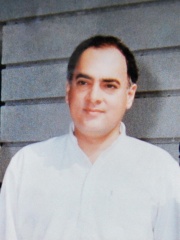
Rajiv Gandhi
POLITICIAN
1944 - 1991
HPI: 70.28
排名: 110

Chaitanya Mahaprabhu
RELIGIOUS FIGURE
1486 - 1534
HPI: 70.26
排名: 111
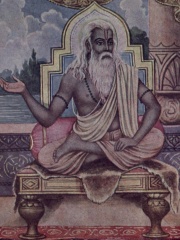
Vyasa
PHILOSOPHER
390 BC - 310 BC
HPI: 70.22
排名: 112
Ram Nath Kovind
POLITICIAN
1945 - 至今
HPI: 70.16
排名: 113
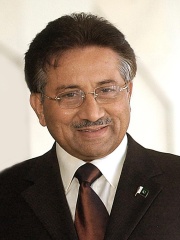
Pervez Musharraf
POLITICIAN
1943 - 2023
HPI: 70.12
排名: 114
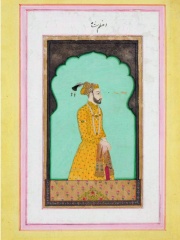
Muhammad Azam Shah
POLITICIAN
1653 - 1707
HPI: 70.10
排名: 115
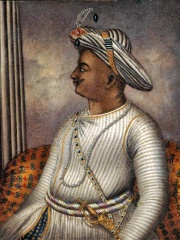
Tipu Sultan
POLITICIAN
1750 - 1799
HPI: 70.09
排名: 116
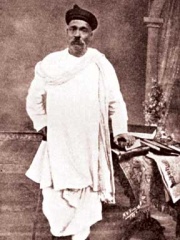
Bal Gangadhar Tilak
SOCIAL ACTIVIST
1856 - 1920
HPI: 70.04
排名: 117
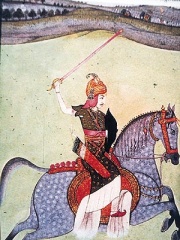
Baji Rao I
MILITARY PERSONNEL
1700 - 1740
HPI: 69.90
排名: 118
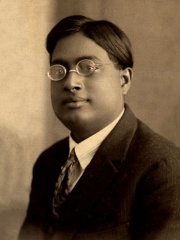
Satyendra Nath Bose
PHYSICIST
1894 - 1974
HPI: 69.80
排名: 119
在印度的政治家中
在出生于印度的政治家中,Ram Nath Kovind排名第42位。 排在他之前的有:Mohammed Nadir Shah (1883), Jahangir (1569), Harsha (590), Atal Bihari Vajpayee (1924), Nizam-ul-Mulk, Asaf Jah I (1671), 和Rajiv Gandhi (1944). 排在他之后的有:Pervez Musharraf (1943), Muhammad Azam Shah (1653), Tipu Sultan (1750), Maharana Pratap (1540), Rajendra Prasad (1884), 和Samudragupta (335).
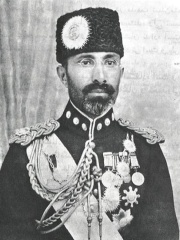
Mohammed Nadir Shah
1883 - 1933
HPI: 71.80
排名: 36
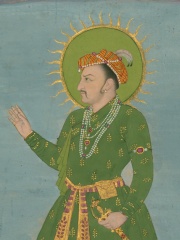
Jahangir
1569 - 1627
HPI: 71.76
排名: 37
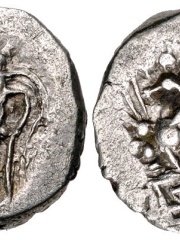
Harsha
590 - 647
HPI: 71.12
排名: 38
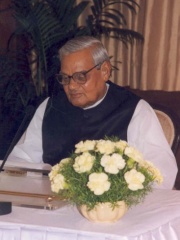
Atal Bihari Vajpayee
1924 - 2018
HPI: 70.55
排名: 39
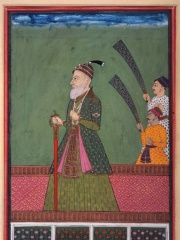
Nizam-ul-Mulk, Asaf Jah I
1671 - 1748
HPI: 70.50
排名: 40
Rajiv Gandhi
1944 - 1991
HPI: 70.28
排名: 41
Ram Nath Kovind
1945 - 至今
HPI: 70.16
排名: 42
Pervez Musharraf
1943 - 2023
HPI: 70.12
排名: 43
Muhammad Azam Shah
1653 - 1707
HPI: 70.10
排名: 44
Tipu Sultan
1750 - 1799
HPI: 70.09
排名: 45
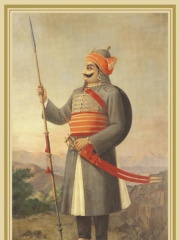
Maharana Pratap
1540 - 1597
HPI: 69.78
排名: 46
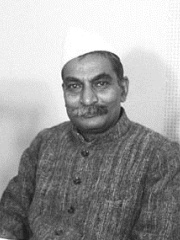
Rajendra Prasad
1884 - 1963
HPI: 69.72
排名: 47
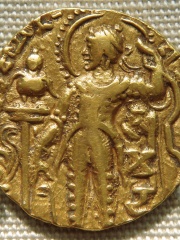
Samudragupta
335 - 380
HPI: 69.46
排名: 48




