Politicus
Mohammad Hamid Ansari
1937 - heden
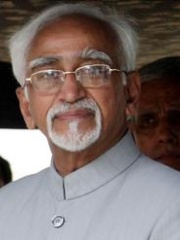
 Mohammad Hamid Ansari
Zijn biografie is beschikbaar in 36 verschillende talen op Wikipedia (toegenomen van 35 in 2024). Mohammad Hamid Ansari staat op plaats 14.554 onder de meest populaire politicus (gedaald van plaats 13.803 in 2024), plaats 626 onder de meest populaire biografieën uit India (gedaald van plaats 564 in 2019) en op plaats 185 onder de populairste politicus uit India.
Memorability Metrics
210k
Page Views
Past 12 months
56.43
HPI
Historical Popularity Index
Page views of Mohammad Hamid Ansari by language
Among Politicuses
Among politicuses, Mohammad Hamid Ansari ranks 14,548 out of 19,576. Before him are Arsames I, Constantin Argetoianu, Alexandros Diomidis, Fatou Bensouda, Seigō Nakano, and Thomas Wentworth, 1st Earl of Strafford. After him are Alan Bullock, J. William Fulbright, Francis Biddle, Vladan Đorđević, Ducetius, and Lucius Manlius Vulso Longus.
Most Popular Politicuses in Wikipedia
Go to all Rankings
Arsames I
250 BC - 228 BC
HPI: 56.44
Rank: 14,548
Constantin Argetoianu
1871 - 1955
HPI: 56.44
Rank: 14,549
Alexandros Diomidis
1875 - 1950
HPI: 56.44
Rank: 14,550

Fatou Bensouda
1961 - Present
HPI: 56.44
Rank: 14,551
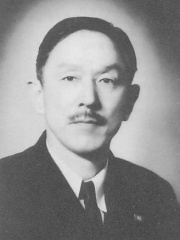
Seigō Nakano
1886 - 1943
HPI: 56.44
Rank: 14,552
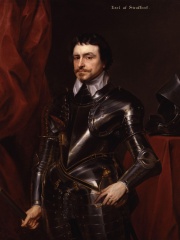
Thomas Wentworth, 1st Earl of Strafford
1593 - 1641
HPI: 56.44
Rank: 14,553
Mohammad Hamid Ansari
1937 - Present
HPI: 56.43
Rank: 14,554
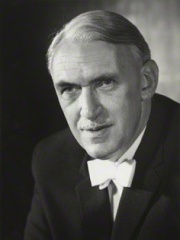
Alan Bullock
1914 - 2004
HPI: 56.43
Rank: 14,555
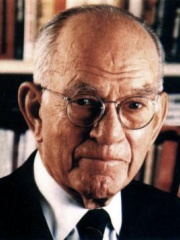
J. William Fulbright
1905 - 1995
HPI: 56.43
Rank: 14,556
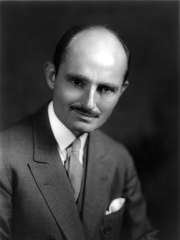
Francis Biddle
1886 - 1968
HPI: 56.43
Rank: 14,557
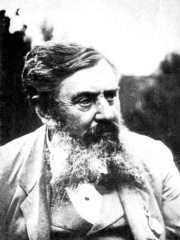
Vladan Đorđević
1844 - 1930
HPI: 56.43
Rank: 14,558
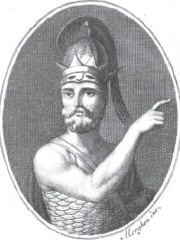
Ducetius
488 BC - 440 BC
HPI: 56.43
Rank: 14,559

Lucius Manlius Vulso Longus
250 BC - 300 BC
HPI: 56.43
Rank: 14,560

Contemporaries
Among people born in 1937, Mohammad Hamid Ansari ranks 357. Before him are Sergey Ling, Christina Schollin, Joanna Russ, Yōhei Kōno, Moacyr Scliar, and Pat Roach. After him are Ali Treki, Bruno Mora, Una Stubbs, Sidney Coleman, Helmut Recknagel, and Guido Vildoso.
Others Born in 1937
Go to all Rankings
Sergey Ling
POLITICIAN
1937 - Present
HPI: 56.55
Rank: 351
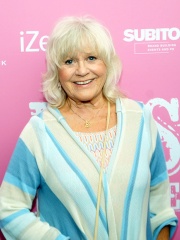
Christina Schollin
ACTOR
1937 - Present
HPI: 56.48
Rank: 352
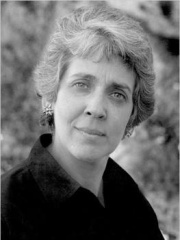
Joanna Russ
WRITER
1937 - 2011
HPI: 56.47
Rank: 353
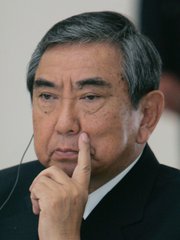
Yōhei Kōno
POLITICIAN
1937 - 2026
HPI: 56.45
Rank: 354

Moacyr Scliar
WRITER
1937 - 2011
HPI: 56.45
Rank: 355
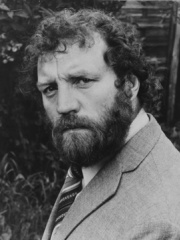
Pat Roach
ACTOR
1937 - 2004
HPI: 56.45
Rank: 356
Mohammad Hamid Ansari
POLITICIAN
1937 - Present
HPI: 56.43
Rank: 357
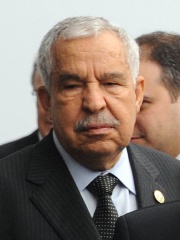
Ali Treki
POLITICIAN
1937 - 2015
HPI: 56.41
Rank: 358
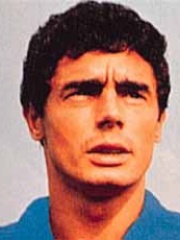
Bruno Mora
SOCCER PLAYER
1937 - 1986
HPI: 56.41
Rank: 359

Una Stubbs
ACTOR
1937 - 2021
HPI: 56.41
Rank: 360

Sidney Coleman
PHYSICIST
1937 - 2007
HPI: 56.41
Rank: 361
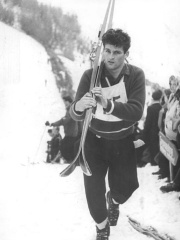
Helmut Recknagel
SKIER
1937 - Present
HPI: 56.37
Rank: 362

Guido Vildoso
POLITICIAN
1937 - Present
HPI: 56.36
Rank: 363
In India
Among people born in India, Mohammad Hamid Ansari ranks 626 out of NaN. Before him are Krishan Chander (1914), Frederick Lugard, 1st Baron Lugard (1858), Basawan (1560), P. Bhanumathi (1925), Meira Kumar (1945), and Bhagwan Das (1869). After him are Bhalchandra Nemade (1938), Abhijit Banerjee (1961), Johnny Walker (1926), Mary Boyce (1920), S. P. Balasubrahmanyam (1946), and Saif Ali Khan (1970).
Others born in India
Go to all Rankings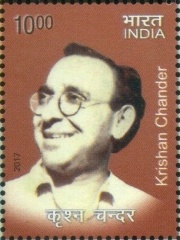
Krishan Chander
WRITER
1914 - 1977
HPI: 56.56
Rank: 620
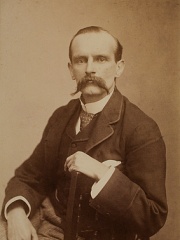
Frederick Lugard, 1st Baron Lugard
EXPLORER
1858 - 1945
HPI: 56.52
Rank: 621
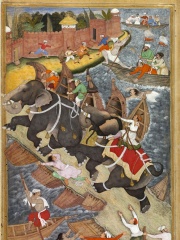
Basawan
PAINTER
1560 - 1600
HPI: 56.52
Rank: 622
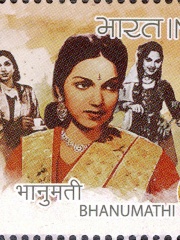
P. Bhanumathi
ACTOR
1925 - 2005
HPI: 56.51
Rank: 623
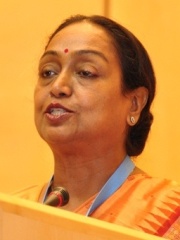
Meira Kumar
POLITICIAN
1945 - Present
HPI: 56.45
Rank: 624
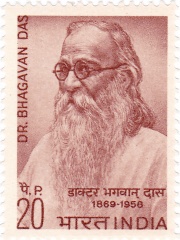
Bhagwan Das
POLITICIAN
1869 - 1958
HPI: 56.44
Rank: 625
Mohammad Hamid Ansari
POLITICIAN
1937 - Present
HPI: 56.43
Rank: 626
Bhalchandra Nemade
WRITER
1938 - Present
HPI: 56.42
Rank: 627
Abhijit Banerjee
ECONOMIST
1961 - Present
HPI: 56.39
Rank: 628
Johnny Walker
ACTOR
1926 - 2003
HPI: 56.38
Rank: 629

Mary Boyce
LINGUIST
1920 - 2006
HPI: 56.36
Rank: 630
S. P. Balasubrahmanyam
SINGER
1946 - 2020
HPI: 56.35
Rank: 631
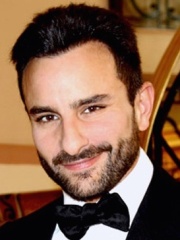
Saif Ali Khan
ACTOR
1970 - Present
HPI: 56.35
Rank: 632
Among Politicuses In India
Among politicuses born in India, Mohammad Hamid Ansari ranks 185. Before him are Amarinder Singh (1942), Harihara I (1336), Palden Thondup Namgyal (1923), Purushottam Das Tandon (1882), Meira Kumar (1945), and Bhagwan Das (1869). After him are Paddy Ashdown (1941), V. N. Janaki (1923), Kiran Bedi (1949), Mulayam Singh Yadav (1939), Krishna Raja Wadiyar IV (1884), and Govind Ballabh Pant (1887).
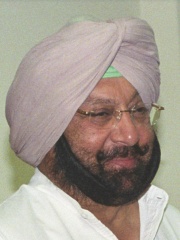
Amarinder Singh
1942 - Present
HPI: 56.88
Rank: 179
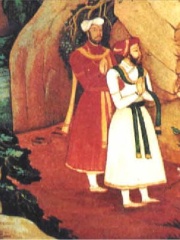
Harihara I
1336 - 1356
HPI: 56.87
Rank: 180
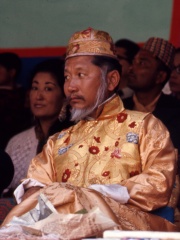
Palden Thondup Namgyal
1923 - 1982
HPI: 56.85
Rank: 181
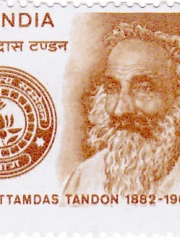
Purushottam Das Tandon
1882 - 1962
HPI: 56.64
Rank: 182
Meira Kumar
1945 - Present
HPI: 56.45
Rank: 183
Bhagwan Das
1869 - 1958
HPI: 56.44
Rank: 184
Mohammad Hamid Ansari
1937 - Present
HPI: 56.43
Rank: 185
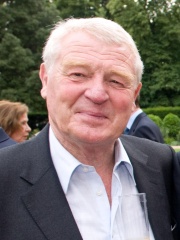
Paddy Ashdown
1941 - 2018
HPI: 56.29
Rank: 186

V. N. Janaki
1923 - 1996
HPI: 56.15
Rank: 187
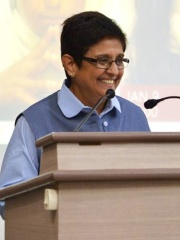
Kiran Bedi
1949 - Present
HPI: 55.96
Rank: 188
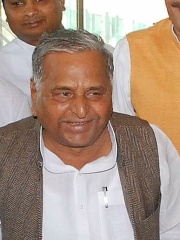
Mulayam Singh Yadav
1939 - 2022
HPI: 55.93
Rank: 189
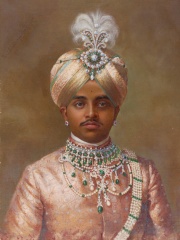
Krishna Raja Wadiyar IV
1884 - 1940
HPI: 55.93
Rank: 190
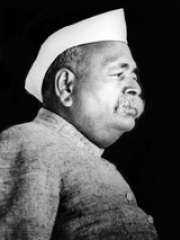
Govind Ballabh Pant
1887 - 1961
HPI: 55.69
Rank: 191




