Polityk
Pál Schmitt
1942 - obecnie
PL.WIKIPEDIA PAGE VIEWS (PV)
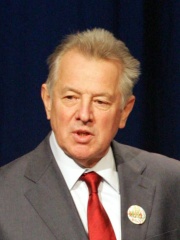
 Pál Schmitt
Jego biografia jest dostępna w 55 różnych językach w Wikipedii (wzrost z 54 w 2024 roku). Pál Schmitt jest 3786. najpopularniejszym polityk (spadek z 3628. w 2024 roku), 118. najpopularniejszą biografią Węgry (spadek z 107. w 2019 roku) oraz 43. najpopularniejszym polityk Węgry.
Memorability Metrics
100k
Page Views
Past 12 months
68.31
HPI
Historical Popularity Index
Page views of Pál Schmitt by language
Among Polityks
Among polityks, Pál Schmitt ranks 3,784 out of 19,576. Before him are Salva Kiir Mayardit, Cao Fang, Prince Augustus William of Prussia, Hystaspes, Louis I, Duke of Bavaria, and Josef Terboven. After him are Coenus of Macedon, John F. Kelly, Juan Manuel de Rosas, Julius Schreck, Rauf Denktaş, and Bruno Kreisky.
Most Popular Polityks in Wikipedia
Go to all Rankings
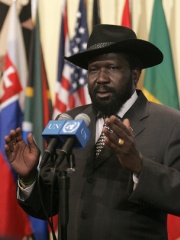
Salva Kiir Mayardit
1951 - Present
HPI: 68.32
Rank: 3,780

Cao Fang
232 - 274
HPI: 68.32
Rank: 3,781
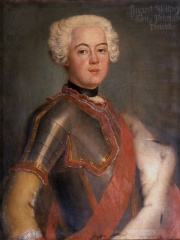
Prince Augustus William of Prussia
1722 - 1758
HPI: 68.31
Rank: 3,782
Hystaspes
570 BC - 495 BC
HPI: 68.31
Rank: 3,783
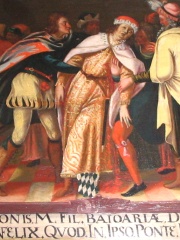
Louis I, Duke of Bavaria
1173 - 1231
HPI: 68.31
Rank: 3,784
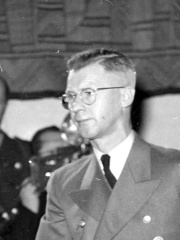
Josef Terboven
1898 - 1945
HPI: 68.31
Rank: 3,785
Pál Schmitt
1942 - Present
HPI: 68.31
Rank: 3,786

Coenus of Macedon
900 BC - 800 BC
HPI: 68.31
Rank: 3,787
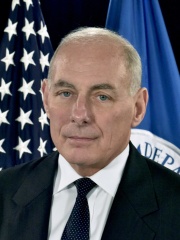
John F. Kelly
1950 - Present
HPI: 68.31
Rank: 3,788
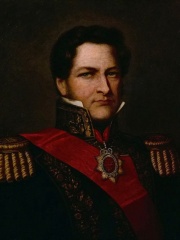
Juan Manuel de Rosas
1793 - 1877
HPI: 68.30
Rank: 3,789
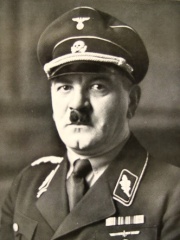
Julius Schreck
1898 - 1936
HPI: 68.30
Rank: 3,790
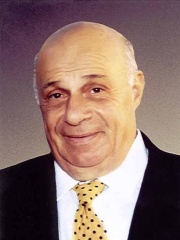
Rauf Denktaş
1924 - 2012
HPI: 68.30
Rank: 3,791
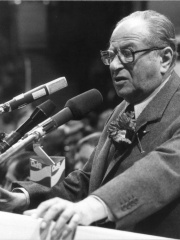
Bruno Kreisky
1911 - 1990
HPI: 68.30
Rank: 3,792

Contemporaries
Among people born in 1942, Pál Schmitt ranks 90. Before him are Michael Crichton, Punsalmaagiin Ochirbat, Vicente Fox, László Sólyom, Maurizio Pollini, and René Angélil. After him are Caetano Veloso, Věra Čáslavská, John Clauser, Gilberto Gil, Jean-Claude Trichet, and Giuseppe Bertello.
Others Born in 1942
Go to all Rankings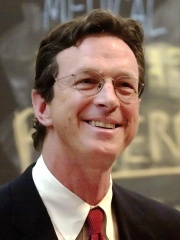
Michael Crichton
WRITER
1942 - 2008
HPI: 69.14
Rank: 84
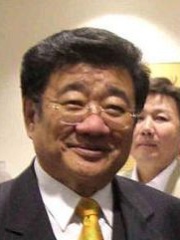
Punsalmaagiin Ochirbat
POLITICIAN
1942 - 2025
HPI: 68.80
Rank: 85
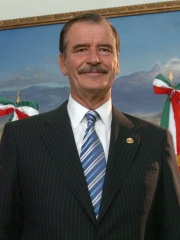
Vicente Fox
POLITICIAN
1942 - Present
HPI: 68.78
Rank: 86
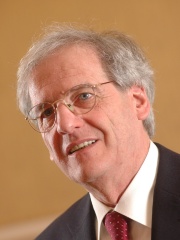
László Sólyom
POLITICIAN
1942 - 2023
HPI: 68.59
Rank: 87
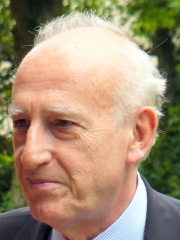
Maurizio Pollini
COMPOSER
1942 - 2024
HPI: 68.55
Rank: 88

René Angélil
PRODUCER
1942 - 2016
HPI: 68.34
Rank: 89
Pál Schmitt
POLITICIAN
1942 - Present
HPI: 68.31
Rank: 90
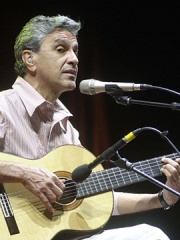
Caetano Veloso
MUSICIAN
1942 - Present
HPI: 68.24
Rank: 91
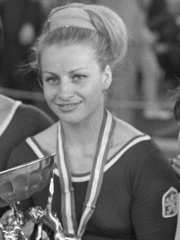
Věra Čáslavská
GYMNAST
1942 - 2016
HPI: 68.06
Rank: 92
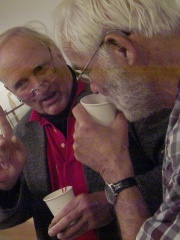
John Clauser
PHYSICIST
1942 - Present
HPI: 67.98
Rank: 93
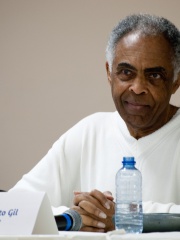
Gilberto Gil
MUSICIAN
1942 - Present
HPI: 67.91
Rank: 94
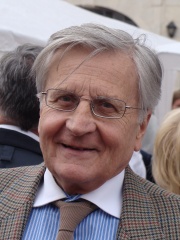
Jean-Claude Trichet
ECONOMIST
1942 - Present
HPI: 67.81
Rank: 95
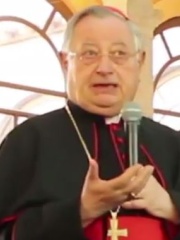
Giuseppe Bertello
RELIGIOUS FIGURE
1942 - Present
HPI: 67.78
Rank: 96
In Węgry
Among people born in Węgry, Pál Schmitt ranks 118 out of NaN. Before him are Taksony of Hungary (931), Ján Kollár (1793), Emma Orczy (1865), Cornel Wilde (1912), Zoltán of Hungary (896), and Margaret Mahler (1897). After him are József Bozsik (1925), Judit Polgár (1976), István Szabó (1938), Mihály Károlyi (1875), János Áder (1959), and Aurel Stein (1862).
Others born in Węgry
Go to all Rankings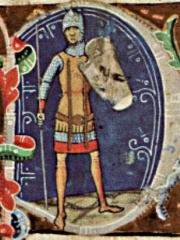
Taksony of Hungary
POLITICIAN
931 - 972
HPI: 68.56
Rank: 112
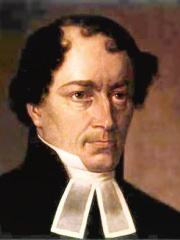
Ján Kollár
WRITER
1793 - 1852
HPI: 68.53
Rank: 113
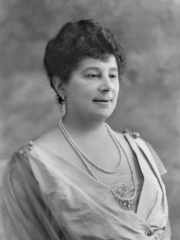
Emma Orczy
WRITER
1865 - 1947
HPI: 68.50
Rank: 114

Cornel Wilde
ACTOR
1912 - 1989
HPI: 68.49
Rank: 115
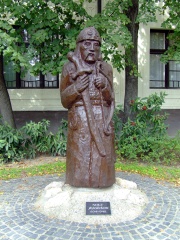
Zoltán of Hungary
POLITICIAN
896 - 949
HPI: 68.44
Rank: 116

Margaret Mahler
PSYCHOLOGIST
1897 - 1985
HPI: 68.35
Rank: 117
Pál Schmitt
POLITICIAN
1942 - Present
HPI: 68.31
Rank: 118
József Bozsik
SOCCER PLAYER
1925 - 1978
HPI: 68.28
Rank: 119
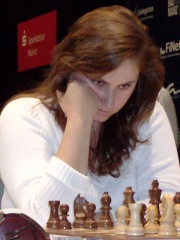
Judit Polgár
CHESS PLAYER
1976 - Present
HPI: 68.22
Rank: 120
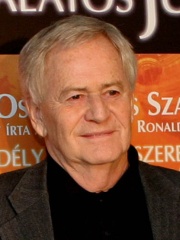
István Szabó
FILM DIRECTOR
1938 - Present
HPI: 68.11
Rank: 121
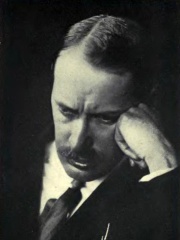
Mihály Károlyi
POLITICIAN
1875 - 1955
HPI: 68.03
Rank: 122
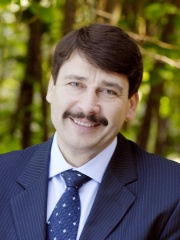
János Áder
POLITICIAN
1959 - Present
HPI: 67.96
Rank: 123
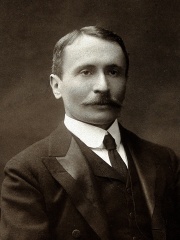
Aurel Stein
ARCHAEOLOGIST
1862 - 1943
HPI: 67.93
Rank: 124
Among Polityks In Węgry
Among polityks born in Węgry, Pál Schmitt ranks 43. Before him are Samuel Aba (990), Pál Teleki (1879), Stephen IV of Hungary (1133), László Sólyom (1942), Taksony of Hungary (931), and Zoltán of Hungary (896). After him are Mihály Károlyi (1875), János Áder (1959), István Tisza (1861), Döme Sztójay (1883), George II Rákóczi (1621), and Gyula Horn (1932).
Samuel Aba
990 - 1044
HPI: 69.09
Rank: 37
Pál Teleki
1879 - 1941
HPI: 68.80
Rank: 38
Stephen IV of Hungary
1133 - 1165
HPI: 68.62
Rank: 39
László Sólyom
1942 - 2023
HPI: 68.59
Rank: 40
Taksony of Hungary
931 - 972
HPI: 68.56
Rank: 41
Zoltán of Hungary
896 - 949
HPI: 68.44
Rank: 42
Pál Schmitt
1942 - Present
HPI: 68.31
Rank: 43
Mihály Károlyi
1875 - 1955
HPI: 68.03
Rank: 44
János Áder
1959 - Present
HPI: 67.96
Rank: 45
István Tisza
1861 - 1918
HPI: 67.71
Rank: 46
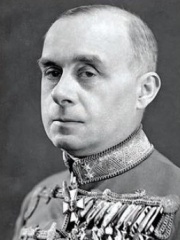
Döme Sztójay
1883 - 1946
HPI: 67.71
Rank: 47
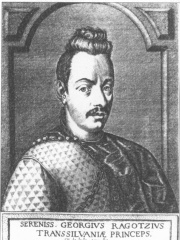
George II Rákóczi
1621 - 1660
HPI: 67.58
Rank: 48
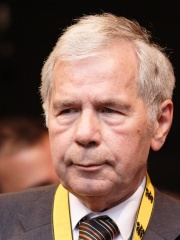
Gyula Horn
1932 - 2013
HPI: 67.33
Rank: 49




