Politicus
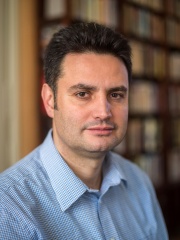
Gergely Karácsony
1975 - heden
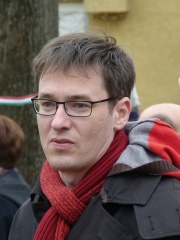
 Gergely Karácsony
Zijn biografie is beschikbaar in 21 verschillende talen op Wikipedia (toegenomen van 20 in 2024). Gergely Karácsony staat op plaats 17.349 onder de meest populaire politicus (gedaald van plaats 16.718 in 2024), plaats 814 onder de meest populaire biografieën uit Hongarije (gedaald van plaats 764 in 2019) en op plaats 140 onder de populairste politicus uit Hongarije.
Memorability Metrics
180k
Page Views
Past 12 months
51.23
HPI
Historical Popularity Index
Page views of Gergely Karácsony by language
Among Politicuses
Among politicuses, Gergely Karácsony ranks 17,342 out of 19,576. Before him are E. M. S. Namboodiripad, Charles J. Folger, Henry Dundas, 1st Viscount Melville, Irfaan Ali, Mohammad Yamin, and Theodric of Bernicia. After him are Sorin Grindeanu, Pavlo Klimkin, Linas Antanas Linkevičius, Kim Eun-sook, John Lawrence, 1st Baron Lawrence, and Chang San-cheng.
Most Popular Politicuses in Wikipedia
Go to all Rankings
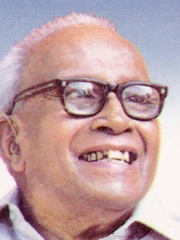
E. M. S. Namboodiripad
1909 - 1998
HPI: 51.25
Rank: 17,343
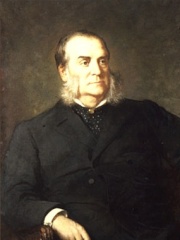
Charles J. Folger
1818 - 1884
HPI: 51.25
Rank: 17,344
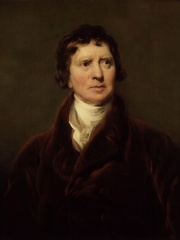
Henry Dundas, 1st Viscount Melville
1742 - 1811
HPI: 51.24
Rank: 17,345

Irfaan Ali
1980 - Present
HPI: 51.24
Rank: 17,346
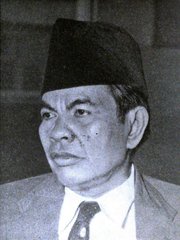
Mohammad Yamin
1903 - 1962
HPI: 51.24
Rank: 17,347

Theodric of Bernicia
500 - 579
HPI: 51.24
Rank: 17,348
Gergely Karácsony
1975 - Present
HPI: 51.23
Rank: 17,349
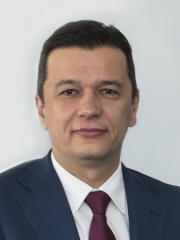
Sorin Grindeanu
1973 - Present
HPI: 51.22
Rank: 17,350
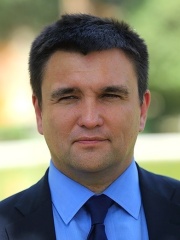
Pavlo Klimkin
1967 - Present
HPI: 51.22
Rank: 17,351
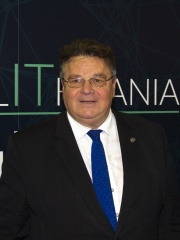
Linas Antanas Linkevičius
1961 - Present
HPI: 51.22
Rank: 17,352

Kim Eun-sook
1973 - Present
HPI: 51.21
Rank: 17,353
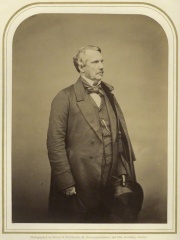
John Lawrence, 1st Baron Lawrence
1811 - 1879
HPI: 51.21
Rank: 17,354
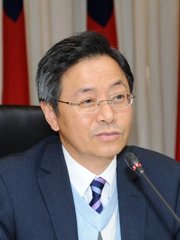
Chang San-cheng
1954 - Present
HPI: 51.21
Rank: 17,355

Contemporaries
Among people born in 1975, Gergely Karácsony ranks 293. Before him are Gaahl, Ivan Bakanov, Gabriela Szabo, Ayman Odeh, Christie Pearce, and Jesse Tyler Ferguson. After him are Vittorio Arrigoni, Ozan Güven, Francesc Arnau, Kong Linghui, Theo Rossi, and Nicki Aycox.
Others Born in 1975
Go to all Rankings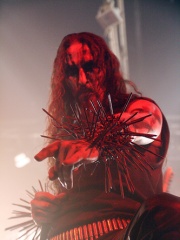
Gaahl
SINGER
1975 - Present
HPI: 51.40
Rank: 287
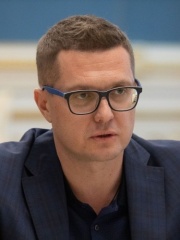
Ivan Bakanov
POLITICIAN
1975 - Present
HPI: 51.40
Rank: 288

Gabriela Szabo
ATHLETE
1975 - Present
HPI: 51.36
Rank: 289
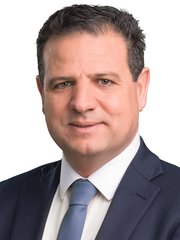
Ayman Odeh
LAWYER
1975 - Present
HPI: 51.34
Rank: 290
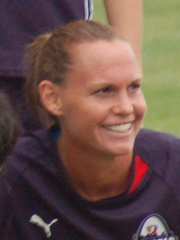
Christie Pearce
SOCCER PLAYER
1975 - Present
HPI: 51.32
Rank: 291
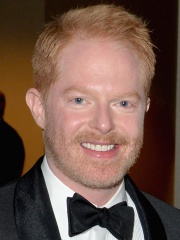
Jesse Tyler Ferguson
ACTOR
1975 - Present
HPI: 51.24
Rank: 292
Gergely Karácsony
POLITICIAN
1975 - Present
HPI: 51.23
Rank: 293

Vittorio Arrigoni
WRITER
1975 - 2011
HPI: 51.23
Rank: 294
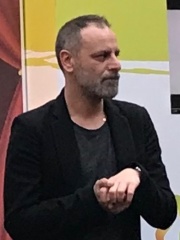
Ozan Güven
ACTOR
1975 - Present
HPI: 51.15
Rank: 295

Francesc Arnau
SOCCER PLAYER
1975 - 2021
HPI: 51.14
Rank: 296
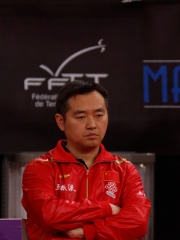
Kong Linghui
TABLE TENNIS PLAYER
1975 - Present
HPI: 51.14
Rank: 297

Theo Rossi
ACTOR
1975 - Present
HPI: 51.12
Rank: 298
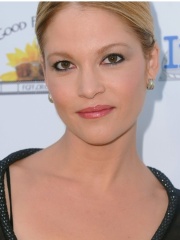
Nicki Aycox
ACTOR
1975 - 2022
HPI: 51.11
Rank: 299
In Hongarije
Among people born in Hongarije, Gergely Karácsony ranks 814 out of NaN. Before him are Ádám Szalai (1987), Dezső Lemhényi (1917), Ágnes Nemes Nagy (1922), Katalin Vad (1980), Tamás Kovács (1943), and Mihály Kozma (1949). After him are József Kiprich (1963), Zoltán Melis (1947), Sándor Csoóri (1930), Aristid Lindenmayer (1925), Mihály Fülöp (1936), and Ferenc Konrád (1945).
Others born in Hongarije
Go to all Rankings
Ádám Szalai
SOCCER PLAYER
1987 - Present
HPI: 51.35
Rank: 808

Dezső Lemhényi
ATHLETE
1917 - 2003
HPI: 51.35
Rank: 809

Ágnes Nemes Nagy
WRITER
1922 - 1991
HPI: 51.35
Rank: 810

Katalin Vad
PORNOGRAPHIC ACTOR
1980 - Present
HPI: 51.33
Rank: 811
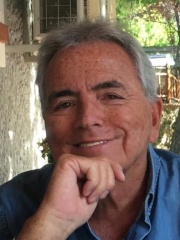
Tamás Kovács
FENCER
1943 - Present
HPI: 51.32
Rank: 812

Mihály Kozma
SOCCER PLAYER
1949 - Present
HPI: 51.30
Rank: 813
Gergely Karácsony
POLITICIAN
1975 - Present
HPI: 51.23
Rank: 814
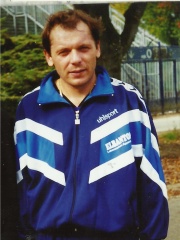
József Kiprich
SOCCER PLAYER
1963 - Present
HPI: 51.20
Rank: 815

Zoltán Melis
ATHLETE
1947 - Present
HPI: 51.15
Rank: 816
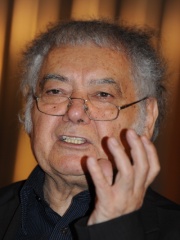
Sándor Csoóri
WRITER
1930 - 2016
HPI: 51.12
Rank: 817
Aristid Lindenmayer
BIOLOGIST
1925 - 1989
HPI: 50.98
Rank: 818

Mihály Fülöp
ATHLETE
1936 - 2006
HPI: 50.91
Rank: 819

Ferenc Konrád
ATHLETE
1945 - 2015
HPI: 50.89
Rank: 820
Among Politicuses In Hongarije
Among politicuses born in Hongarije, Gergely Karácsony ranks 140. Before him are Sándor Pintér (1948), István Csurka (1934), Kinga Göncz (1947), Péter Szijjártó (1978), Péter Magyar (1981), and István Tarlós (1948). After him are Lajos Für (1930), Ferenc Erdei (1910), Tamás Faragó (1952), Mihály Hesz (1943), Zsolt Semjén (1962), and Péter Márki-Zay (1972).
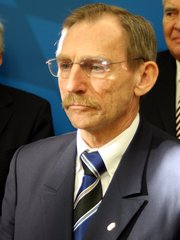
Sándor Pintér
1948 - Present
HPI: 52.91
Rank: 134
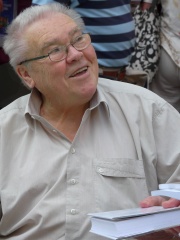
István Csurka
1934 - 2012
HPI: 52.89
Rank: 135
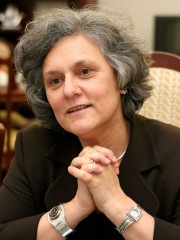
Kinga Göncz
1947 - Present
HPI: 52.87
Rank: 136
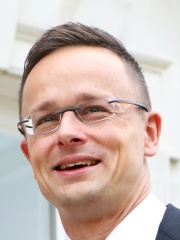
Péter Szijjártó
1978 - Present
HPI: 52.72
Rank: 137

Péter Magyar
1981 - Present
HPI: 52.70
Rank: 138
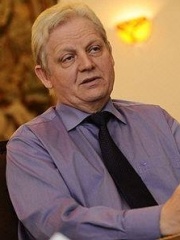
István Tarlós
1948 - Present
HPI: 52.03
Rank: 139
Gergely Karácsony
1975 - Present
HPI: 51.23
Rank: 140
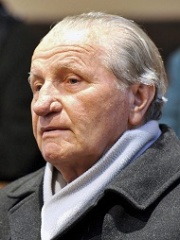
Lajos Für
1930 - 2013
HPI: 50.65
Rank: 141
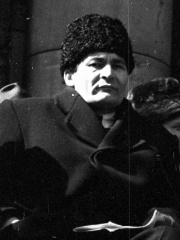
Ferenc Erdei
1910 - 1971
HPI: 50.64
Rank: 142
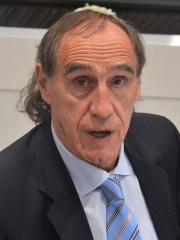
Tamás Faragó
1952 - Present
HPI: 49.88
Rank: 143
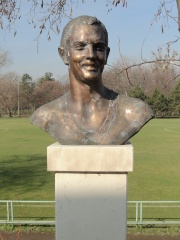
Mihály Hesz
1943 - Present
HPI: 49.86
Rank: 144
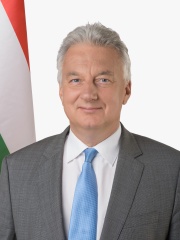
Zsolt Semjén
1962 - Present
HPI: 49.84
Rank: 145
Péter Márki-Zay
1972 - Present
HPI: 49.25
Rank: 146




