Politicus
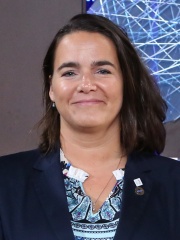
Katalin Novák
1977 - heden
NL.WIKIPEDIA PAGE VIEWS (PV)

 Katalin Novák
Haar biografie is beschikbaar in 63 verschillende talen op Wikipedia (toegenomen van 58 in 2024). Katalin Novák staat op plaats 9.803 onder de meest populaire politicus (gedaald van plaats 4.792 in 2024), plaats 293 onder de meest populaire biografieën uit Hongarije (gedaald van plaats 139 in 2019) en op plaats 88 onder de populairste politicus uit Hongarije.
Memorability Metrics
360k
Page Views
Past 12 months
61.49
HPI
Historical Popularity Index
Page views of Katalin Novák by language
Among Politicuses
Among politicuses, Katalin Novák ranks 9,798 out of 19,576. Before her are Prince Andrew of Yugoslavia, Chaekgye of Baekje, Prince August, Duke of Dalarna, Vitale I Michiel, Liu Penzi, and Doris Leuthard. After her are Dinuzulu kaCetshwayo, Sekhemre-Heruhirmaat Intef, Cığalazade Yusuf Sinan Pasha, Franz Schalk, Pedro de Toledo y Zúñiga, and George, Emperor of Trebizond.
Most Popular Politicuses in Wikipedia
Go to all Rankings
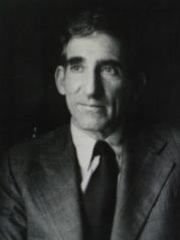
Prince Andrew of Yugoslavia
1929 - 1990
HPI: 61.50
Rank: 9,797

Chaekgye of Baekje
250 - 298
HPI: 61.50
Rank: 9,798
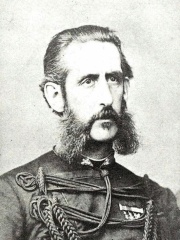
Prince August, Duke of Dalarna
1831 - 1873
HPI: 61.50
Rank: 9,799

Vitale I Michiel
1100 - 1102
HPI: 61.50
Rank: 9,800

Liu Penzi
11 - 100
HPI: 61.49
Rank: 9,801
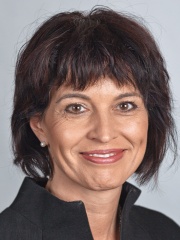
Doris Leuthard
1963 - Present
HPI: 61.49
Rank: 9,802
Katalin Novák
1977 - Present
HPI: 61.49
Rank: 9,803
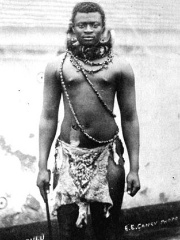
Dinuzulu kaCetshwayo
1868 - 1913
HPI: 61.49
Rank: 9,804
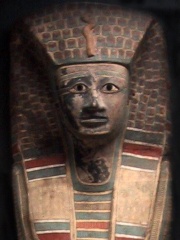
Sekhemre-Heruhirmaat Intef
1600 BC - 1600 BC
HPI: 61.49
Rank: 9,805
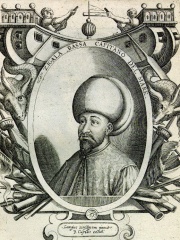
Cığalazade Yusuf Sinan Pasha
1545 - 1605
HPI: 61.49
Rank: 9,806
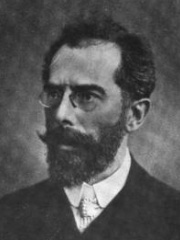
Franz Schalk
1863 - 1931
HPI: 61.49
Rank: 9,807
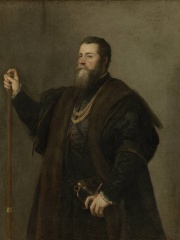
Pedro de Toledo y Zúñiga
1484 - 1553
HPI: 61.49
Rank: 9,808
George, Emperor of Trebizond
1255 - 1284
HPI: 61.48
Rank: 9,809

Contemporaries
Among people born in 1977, Katalin Novák ranks 41. Before her are Antonio Di Natale, AJ Styles, Chris Martin, Maryam Mirzakhani, Robert Enke, and Sarah Michelle Gellar. After her are Michelle Hunziker, Arash, Maggie Gyllenhaal, André Villas-Boas, Katheryn Winnick, and Chad Hurley.
Others Born in 1977
Go to all Rankings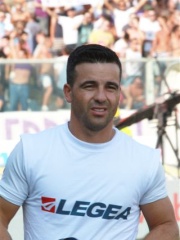
Antonio Di Natale
SOCCER PLAYER
1977 - Present
HPI: 62.03
Rank: 35

AJ Styles
WRESTLER
1977 - Present
HPI: 61.97
Rank: 36

Chris Martin
MUSICIAN
1977 - Present
HPI: 61.97
Rank: 37

Maryam Mirzakhani
MATHEMATICIAN
1977 - 2017
HPI: 61.82
Rank: 38

Robert Enke
SOCCER PLAYER
1977 - 2009
HPI: 61.79
Rank: 39

Sarah Michelle Gellar
ACTOR
1977 - Present
HPI: 61.70
Rank: 40
Katalin Novák
POLITICIAN
1977 - Present
HPI: 61.49
Rank: 41
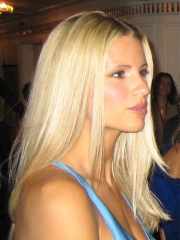
Michelle Hunziker
MODEL
1977 - Present
HPI: 61.01
Rank: 42
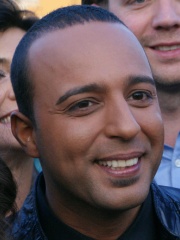
Arash
SINGER
1977 - Present
HPI: 60.82
Rank: 43
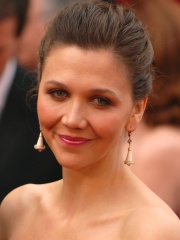
Maggie Gyllenhaal
ACTOR
1977 - Present
HPI: 60.68
Rank: 44

André Villas-Boas
COACH
1977 - Present
HPI: 60.66
Rank: 45

Katheryn Winnick
ACTOR
1977 - Present
HPI: 60.61
Rank: 46
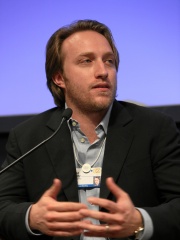
Chad Hurley
BUSINESSPERSON
1977 - Present
HPI: 60.40
Rank: 47
In Hongarije
Among people born in Hongarije, Katalin Novák ranks 293 out of NaN. Before her are Miloš Crnjanski (1893), Antal Doráti (1906), Maximilian de Angelis (1889), Gyula Benczúr (1844), Philip de László (1869), and Rezső Seress (1889). After her are Frigyes Riesz (1880), Nándor Dáni (1871), Béni Kállay (1839), Ján Kadár (1918), Frigyes Karinthy (1887), and David Schwarz (1850).
Others born in Hongarije
Go to all Rankings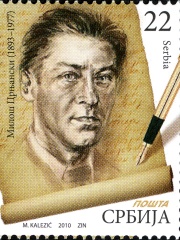
Miloš Crnjanski
WRITER
1893 - 1977
HPI: 61.77
Rank: 287

Antal Doráti
CONDUCTOR
1906 - 1988
HPI: 61.70
Rank: 288
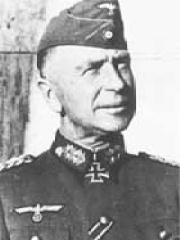
Maximilian de Angelis
MILITARY PERSONNEL
1889 - 1974
HPI: 61.69
Rank: 289
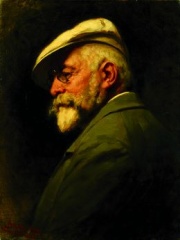
Gyula Benczúr
PAINTER
1844 - 1920
HPI: 61.66
Rank: 290
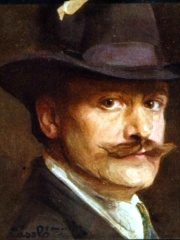
Philip de László
PAINTER
1869 - 1937
HPI: 61.63
Rank: 291
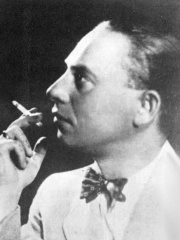
Rezső Seress
MUSICIAN
1889 - 1968
HPI: 61.52
Rank: 292
Katalin Novák
POLITICIAN
1977 - Present
HPI: 61.49
Rank: 293
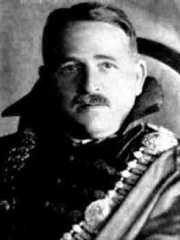
Frigyes Riesz
MATHEMATICIAN
1880 - 1956
HPI: 61.46
Rank: 294
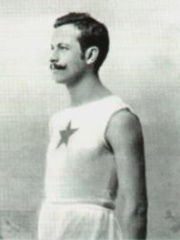
Nándor Dáni
ATHLETE
1871 - 1949
HPI: 61.45
Rank: 295

Béni Kállay
POLITICIAN
1839 - 1903
HPI: 61.35
Rank: 296

Ján Kadár
FILM DIRECTOR
1918 - 1979
HPI: 61.35
Rank: 297
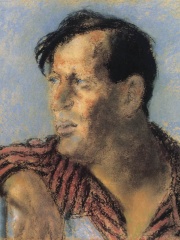
Frigyes Karinthy
WRITER
1887 - 1938
HPI: 61.33
Rank: 298
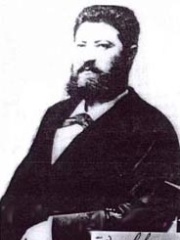
David Schwarz
INVENTOR
1850 - 1897
HPI: 61.32
Rank: 299
Among Politicuses In Hongarije
Among politicuses born in Hongarije, Katalin Novák ranks 88. Before her are Mátyás Szűrös (1933), József Antall (1932), Károly Grósz (1930), Ferenc Münnich (1886), Sándor Garbai (1879), and Béla Imrédy (1891). After her are Béni Kállay (1839), Máté Zalka (1896), Ferenc Gyurcsány (1961), Gyula Károlyi (1871), Johann Löwenthal (1810), and Gyula Peidl (1873).
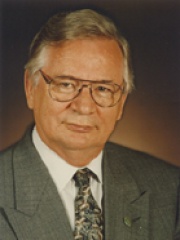
Mátyás Szűrös
1933 - Present
HPI: 62.53
Rank: 82

József Antall
1932 - 1993
HPI: 62.47
Rank: 83
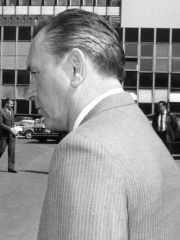
Károly Grósz
1930 - 1996
HPI: 62.46
Rank: 84
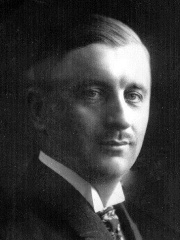
Ferenc Münnich
1886 - 1967
HPI: 62.04
Rank: 85
Sándor Garbai
1879 - 1947
HPI: 61.89
Rank: 86
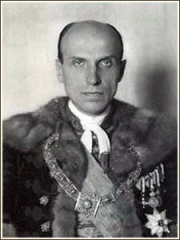
Béla Imrédy
1891 - 1946
HPI: 61.85
Rank: 87
Katalin Novák
1977 - Present
HPI: 61.49
Rank: 88
Béni Kállay
1839 - 1903
HPI: 61.35
Rank: 89
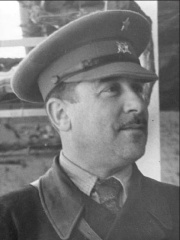
Máté Zalka
1896 - 1937
HPI: 60.94
Rank: 90

Ferenc Gyurcsány
1961 - Present
HPI: 60.72
Rank: 91
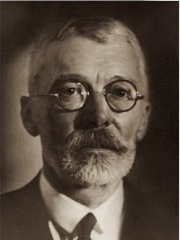
Gyula Károlyi
1871 - 1947
HPI: 60.57
Rank: 92
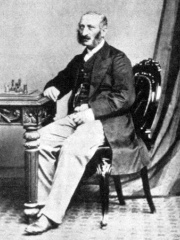
Johann Löwenthal
1810 - 1876
HPI: 60.57
Rank: 93
Gyula Peidl
1873 - 1943
HPI: 60.50
Rank: 94




