Film Director
István Szabó
Hungarian film director, screenwriter, and opera director
1938 - today
EN.WIKIPEDIA PAGE VIEWS (PV)
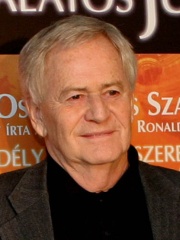
 István Szabó
His biography is available in 34 different languages on Wikipedia. István Szabó is the 172nd most popular film director (down from 169th in 2024), the 121st most popular biography from Hungary (down from 104th in 2019) and the 2nd most popular Hungarian Film Director.
István Szabó is most famous for his novel "Kaddish for a Child Not Born" which tells the story of a Jewish family in Hungary during the Holocaust.
Memorability Metrics
80k
Page Views
Past 12 months
68.11
HPI
Historical Popularity Index
Page views of István Szabó by language
Among Film Directors
Among film directors, István Szabó ranks 172 out of 2,041. Before him are Vsevolod Meyerhold, Kim Ki-duk, Jan Švankmajer, Ettore Scola, Tom Holland, and Max Ophüls. After him are Roland Emmerich, Sergio Corbucci, Spike Lee, Alice Guy-Blaché, Robert Rodriguez, and Andrei Konchalovsky.
Most Popular Film Directors in Wikipedia
Go to all Rankings
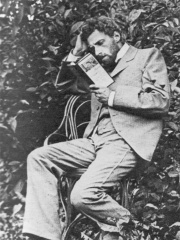
Vsevolod Meyerhold
1874 - 1940
HPI: 68.24
Rank: 166
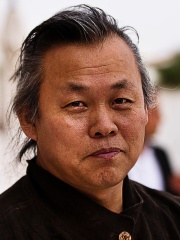
Kim Ki-duk
1960 - 2020
HPI: 68.21
Rank: 167
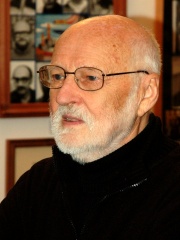
Jan Švankmajer
1934 - Present
HPI: 68.21
Rank: 168
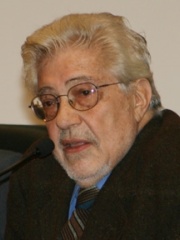
Ettore Scola
1931 - 2016
HPI: 68.21
Rank: 169

Tom Holland
1943 - Present
HPI: 68.19
Rank: 170
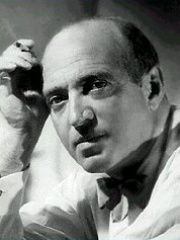
Max Ophüls
1902 - 1957
HPI: 68.15
Rank: 171
István Szabó
1938 - Present
HPI: 68.11
Rank: 172
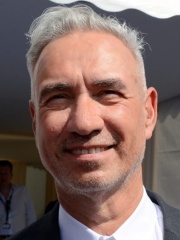
Roland Emmerich
1955 - Present
HPI: 68.07
Rank: 173
Sergio Corbucci
1926 - 1990
HPI: 68.07
Rank: 174
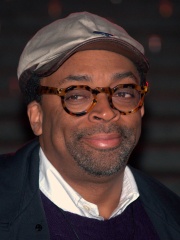
Spike Lee
1957 - Present
HPI: 68.04
Rank: 175
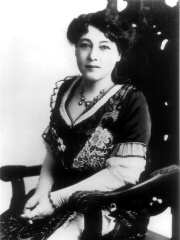
Alice Guy-Blaché
1873 - 1968
HPI: 68.02
Rank: 176
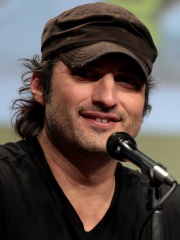
Robert Rodriguez
1968 - Present
HPI: 68.01
Rank: 177
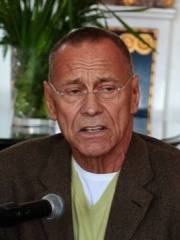
Andrei Konchalovsky
1937 - Present
HPI: 68.01
Rank: 178

Contemporaries
Among people born in 1938, István Szabó ranks 66. Before him are Issey Miyake, Jean Giraud, Tufuga Efi, David Irving, Raymond Carver, and Wim Kok. After him are Giuliano Amato, Brian Dennehy, Oleg Gordievsky, Takehiko Kawanishi, Terry Wogan, and Georg Baselitz.
Others Born in 1938
Go to all Rankings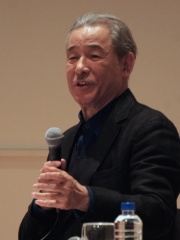
Issey Miyake
POLITICIAN
1938 - 2022
HPI: 68.95
Rank: 60
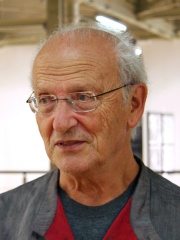
Jean Giraud
COMIC ARTIST
1938 - 2012
HPI: 68.78
Rank: 61
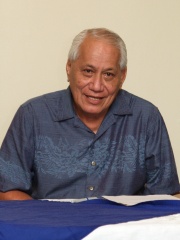
Tufuga Efi
POLITICIAN
1938 - Present
HPI: 68.64
Rank: 62
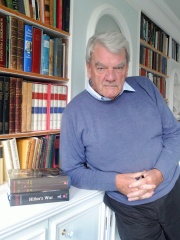
David Irving
WRITER
1938 - Present
HPI: 68.54
Rank: 63
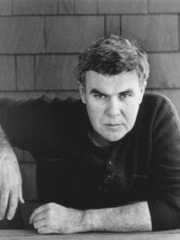
Raymond Carver
WRITER
1938 - 1988
HPI: 68.37
Rank: 64
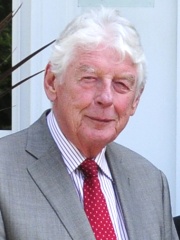
Wim Kok
POLITICIAN
1938 - 2018
HPI: 68.34
Rank: 65
István Szabó
FILM DIRECTOR
1938 - Present
HPI: 68.11
Rank: 66
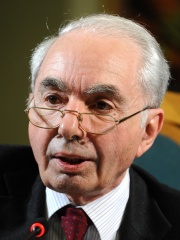
Giuliano Amato
POLITICIAN
1938 - Present
HPI: 68.00
Rank: 67
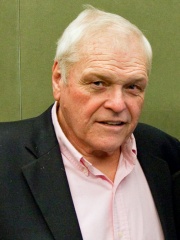
Brian Dennehy
ACTOR
1938 - 2020
HPI: 67.89
Rank: 68
Oleg Gordievsky
POLITICIAN
1938 - 2025
HPI: 67.88
Rank: 69

Takehiko Kawanishi
SOCCER PLAYER
1938 - Present
HPI: 67.75
Rank: 70
Terry Wogan
PRESENTER
1938 - 2016
HPI: 67.71
Rank: 71
Georg Baselitz
PAINTER
1938 - 2026
HPI: 67.68
Rank: 72
In Hungary
Among people born in Hungary, István Szabó ranks 121 out of NaN. Before him are Cornel Wilde (1912), Zoltán of Hungary (896), Margaret Mahler (1897), Pál Schmitt (1942), József Bozsik (1925), and Judit Polgár (1976). After him are Mihály Károlyi (1875), János Áder (1959), Aurel Stein (1862), Miklós Rózsa (1907), István Tisza (1861), and Döme Sztójay (1883).
Others born in Hungary
Go to all Rankings
Cornel Wilde
ACTOR
1912 - 1989
HPI: 68.49
Rank: 115
Zoltán of Hungary
POLITICIAN
896 - 949
HPI: 68.44
Rank: 116

Margaret Mahler
PSYCHOLOGIST
1897 - 1985
HPI: 68.35
Rank: 117
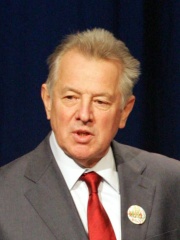
Pál Schmitt
POLITICIAN
1942 - Present
HPI: 68.31
Rank: 118
József Bozsik
SOCCER PLAYER
1925 - 1978
HPI: 68.28
Rank: 119
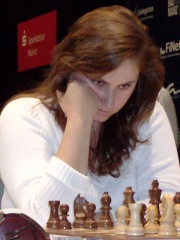
Judit Polgár
CHESS PLAYER
1976 - Present
HPI: 68.22
Rank: 120
István Szabó
FILM DIRECTOR
1938 - Present
HPI: 68.11
Rank: 121
Mihály Károlyi
POLITICIAN
1875 - 1955
HPI: 68.03
Rank: 122
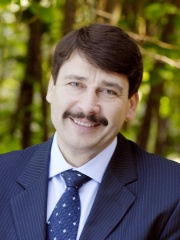
János Áder
POLITICIAN
1959 - Present
HPI: 67.96
Rank: 123
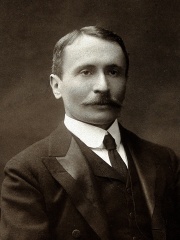
Aurel Stein
ARCHAEOLOGIST
1862 - 1943
HPI: 67.93
Rank: 124
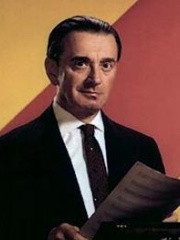
Miklós Rózsa
COMPOSER
1907 - 1995
HPI: 67.91
Rank: 125
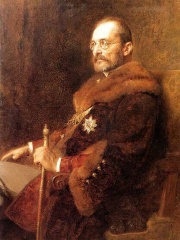
István Tisza
POLITICIAN
1861 - 1918
HPI: 67.71
Rank: 126
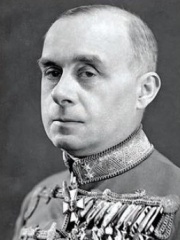
Döme Sztójay
POLITICIAN
1883 - 1946
HPI: 67.71
Rank: 127
Among Film Directors In Hungary
Among film directors born in Hungary, István Szabó ranks 2. Before him are Michael Curtiz (1886). After him are Miklós Jancsó (1921), Béla Tarr (1955), Adolph Zukor (1873), Márta Mészáros (1931), Ladislao Vajda (1906), Andre DeToth (1913), Ján Kadár (1918), Zoltán Fábri (1917), László Benedek (1905), and Ildikó Enyedi (1955).
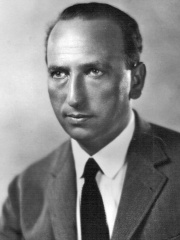
Michael Curtiz
1886 - 1962
HPI: 70.06
Rank: 1
István Szabó
1938 - Present
HPI: 68.11
Rank: 2
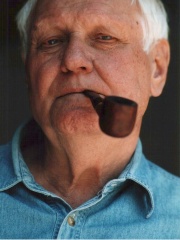
Miklós Jancsó
1921 - 2014
HPI: 66.90
Rank: 3
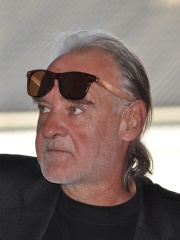
Béla Tarr
1955 - 2026
HPI: 65.51
Rank: 4
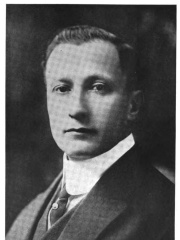
Adolph Zukor
1873 - 1976
HPI: 64.49
Rank: 5
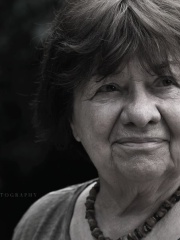
Márta Mészáros
1931 - Present
HPI: 63.67
Rank: 6
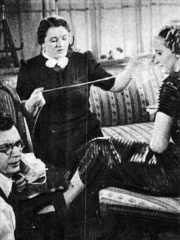
Ladislao Vajda
1906 - 1965
HPI: 61.92
Rank: 7
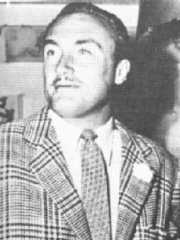
Andre DeToth
1913 - 2002
HPI: 61.82
Rank: 8

Ján Kadár
1918 - 1979
HPI: 61.35
Rank: 9
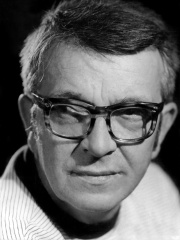
Zoltán Fábri
1917 - 1994
HPI: 61.17
Rank: 10

László Benedek
1905 - 1992
HPI: 60.94
Rank: 11
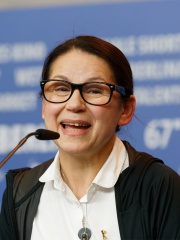
Ildikó Enyedi
1955 - Present
HPI: 60.20
Rank: 12




