探検家
赤毛のエイリーク
950 - 1003
JA.WIKIPEDIA ページビュー (PV)
 赤毛のエイリーク
知名度指標
620k
ページビュー
過去12か月
79.56
HPI
歴史的人気指数
データインサイト
赤毛のエイリークの言語別ページビュー
探検家の中で
探検家の中で、赤毛のエイリークは500人中22位です。 彼より上位:Francis Drake, Robert Falcon Scott, Fridtjof Nansen, Pedro Álvares Cabral, Abel Tasman, 、Vitus Bering. 彼より下位:Xuanzang, Willem Barentsz, Jacques Cousteau, Juan Sebastián Elcano, David Livingstone, 、Thor Heyerdahl.
ウィキペディアで最も人気のある探検家
すべてのランキングを見る
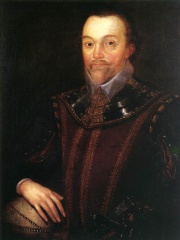
Francis Drake
1540 - 1596
HPI: 81.71
順位: 16
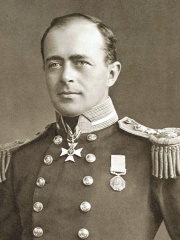
Robert Falcon Scott
1868 - 1912
HPI: 80.52
順位: 17
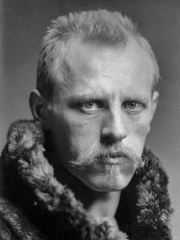
Fridtjof Nansen
1861 - 1930
HPI: 80.38
順位: 18
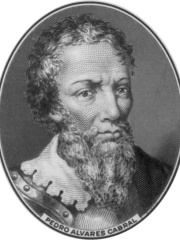
Pedro Álvares Cabral
1467 - 1520
HPI: 80.00
順位: 19
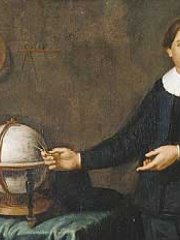
Abel Tasman
1603 - 1659
HPI: 79.90
順位: 20
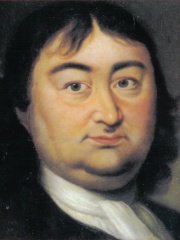
Vitus Bering
1681 - 1741
HPI: 79.77
順位: 21
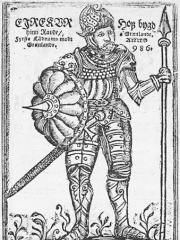
Erik the Red
950 - 1003
HPI: 79.56
順位: 22
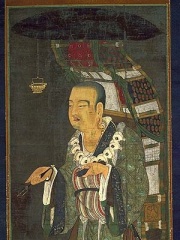
Xuanzang
602 - 664
HPI: 78.93
順位: 23
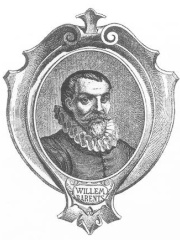
Willem Barentsz
1550 - 1597
HPI: 78.49
順位: 24
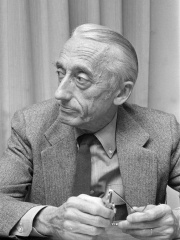
Jacques Cousteau
1910 - 1997
HPI: 78.46
順位: 25
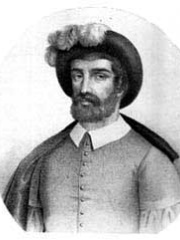
Juan Sebastián Elcano
1476 - 1526
HPI: 77.91
順位: 26
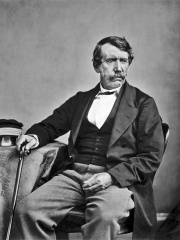
David Livingstone
1813 - 1873
HPI: 77.19
順位: 27
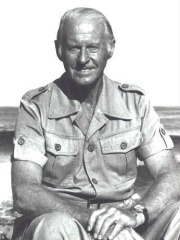
Thor Heyerdahl
1914 - 2002
HPI: 77.14
順位: 28

同時代の人物
950年生まれの人の中で、赤毛のエイリークは1位です。 彼より下位:Pope John XVII, Mariam al-Asturlabi, Adelaide of Aquitaine, Amlaíb, King of Scotland, Ibn Yunus, Maslama al-Majriti, Boleslaus III, Duke of Bohemia, Leo the Deacon, Bernard I, Duke of Saxony, Gunnor, 、Olof Björnsson. 1003年に亡くなった人の中で、赤毛のエイリークは1位です。 彼より下位:Pope Sylvester II, Pope John XVII, Gregory of Narek, Athanasius the Athonite, At-Ta'i, Rozala of Italy, Vladivoj, Duke of Bohemia, Herman II, Duke of Swabia, 、Beatrice of France.
950年生まれのその他の人物
すべてのランキングを見るErik the Red
EXPLORER
950 - 1003
HPI: 79.56
順位: 1
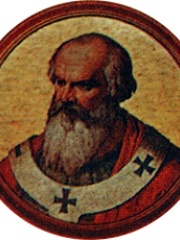
Pope John XVII
RELIGIOUS FIGURE
950 - 1003
HPI: 75.52
順位: 2
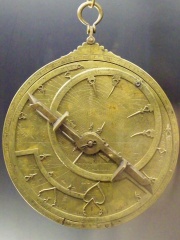
Mariam al-Asturlabi
ASTRONOMER
950 - 現在
HPI: 69.30
順位: 3
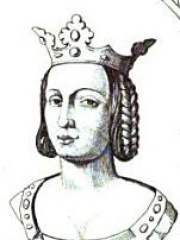
Adelaide of Aquitaine
COMPANION
950 - 1004
HPI: 68.57
順位: 4
Amlaíb, King of Scotland
POLITICIAN
950 - 977
HPI: 66.22
順位: 5

Ibn Yunus
MATHEMATICIAN
950 - 1009
HPI: 66.10
順位: 6

Maslama al-Majriti
ASTRONOMER
950 - 1007
HPI: 65.90
順位: 7
Boleslaus III, Duke of Bohemia
POLITICIAN
950 - 1037
HPI: 65.34
順位: 8

Leo the Deacon
HISTORIAN
950 - 992
HPI: 65.02
順位: 9
Bernard I, Duke of Saxony
POLITICIAN
950 - 1011
HPI: 63.73
順位: 10
Gunnor
POLITICIAN
950 - 1031
HPI: 63.49
順位: 11

Olof Björnsson
POLITICIAN
950 - 975
HPI: 63.48
順位: 12
1003年に亡くなったその他の人物
すべてのランキングを見るErik the Red
EXPLORER
950 - 1003
HPI: 79.56
順位: 1
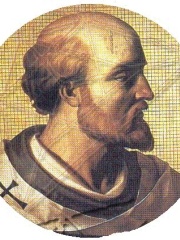
Pope Sylvester II
MATHEMATICIAN
938 - 1003
HPI: 78.50
順位: 2
Pope John XVII
RELIGIOUS FIGURE
950 - 1003
HPI: 75.52
順位: 3
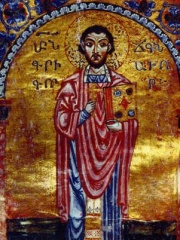
Gregory of Narek
WRITER
951 - 1003
HPI: 70.76
順位: 4
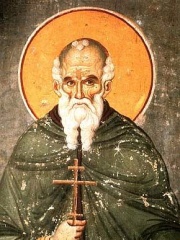
Athanasius the Athonite
RELIGIOUS FIGURE
920 - 1003
HPI: 67.22
順位: 5
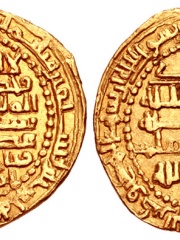
At-Ta'i
POLITICIAN
932 - 1003
HPI: 65.21
順位: 6
Rozala of Italy
POLITICIAN
1000 - 1003
HPI: 65.01
順位: 7

Vladivoj, Duke of Bohemia
POLITICIAN
981 - 1003
HPI: 62.34
順位: 8

Herman II, Duke of Swabia
POLITICIAN
1000 - 1003
HPI: 62.08
順位: 9
Beatrice of France
POLITICIAN
938 - 1003
HPI: 58.75
順位: 10
ノルウェーの中で
ノルウェー生まれの人の中で、赤毛のエイリークは1,248人中15位です。 彼より上位:Anni-Frid Lyngstad (1945), Knut Hamsun (1859), Olaf II of Norway (993), Bjørnstjerne Bjørnson (1832), Fridtjof Nansen (1861), 、Magnus the Good (1024). 彼より下位:Niels Henrik Abel (1802), Olaf Tryggvason (963), Margaret, Maid of Norway (1283), Harald Fairhair (850), Haakon the Good (918), 、Thor Heyerdahl (1914).
ノルウェー生まれのその他の人物
すべてのランキングを見る
Anni-Frid Lyngstad
SINGER
1945 - 現在
HPI: 82.46
順位: 9
Knut Hamsun
WRITER
1859 - 1952
HPI: 81.71
順位: 10
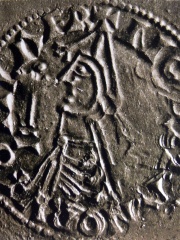
Olaf II of Norway
POLITICIAN
993 - 1030
HPI: 81.52
順位: 11
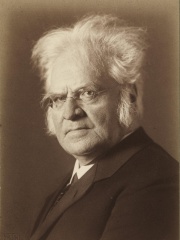
Bjørnstjerne Bjørnson
WRITER
1832 - 1910
HPI: 81.19
順位: 12
Fridtjof Nansen
EXPLORER
1861 - 1930
HPI: 80.38
順位: 13
Magnus the Good
POLITICIAN
1024 - 1047
HPI: 79.92
順位: 14
Erik the Red
EXPLORER
950 - 1003
HPI: 79.56
順位: 15
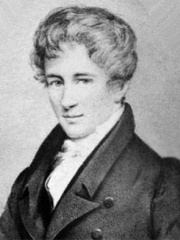
Niels Henrik Abel
MATHEMATICIAN
1802 - 1829
HPI: 79.17
順位: 16
Olaf Tryggvason
POLITICIAN
963 - 1000
HPI: 78.80
順位: 17
Margaret, Maid of Norway
NOBLEMAN
1283 - 1290
HPI: 78.32
順位: 18
Harald Fairhair
POLITICIAN
850 - 933
HPI: 77.69
順位: 19
Haakon the Good
POLITICIAN
918 - 961
HPI: 77.52
順位: 20
Thor Heyerdahl
EXPLORER
1914 - 2002
HPI: 77.14
順位: 21
ノルウェーの探検家の中で
ノルウェー生まれの探検家の中で、赤毛のエイリークは3位です。 彼より上位:Roald Amundsen (1872), 、Fridtjof Nansen (1861). 彼より下位:Thor Heyerdahl (1914), Ingólfr Arnarson (850), Otto Sverdrup (1854), Carsten Borchgrevink (1864), Ohthere of Hålogaland (900), Naddodd (900), Carl Anton Larsen (1860), Helge Ingstad (1899), 、Thekla Resvoll (1871).
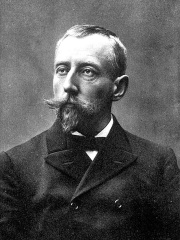
Roald Amundsen
1872 - 1928
HPI: 84.99
順位: 1
Fridtjof Nansen
1861 - 1930
HPI: 80.38
順位: 2
Erik the Red
950 - 1003
HPI: 79.56
順位: 3
Thor Heyerdahl
1914 - 2002
HPI: 77.14
順位: 4
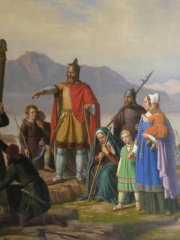
Ingólfr Arnarson
850 - 910
HPI: 73.03
順位: 5
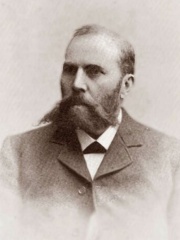
Otto Sverdrup
1854 - 1930
HPI: 64.39
順位: 6
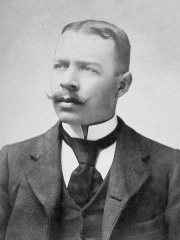
Carsten Borchgrevink
1864 - 1934
HPI: 63.80
順位: 7
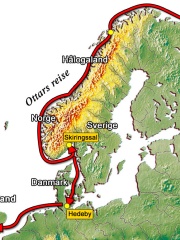
Ohthere of Hålogaland
900 - 901
HPI: 62.25
順位: 8

Naddodd
900 - 現在
HPI: 61.92
順位: 9
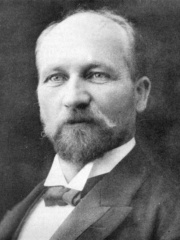
Carl Anton Larsen
1860 - 1924
HPI: 61.86
順位: 10

Helge Ingstad
1899 - 2001
HPI: 61.81
順位: 11
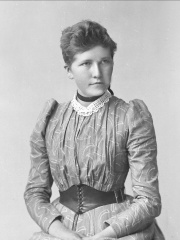
Thekla Resvoll
1871 - 1948
HPI: 61.06
順位: 12




