宗教家
Polycrates of Ephesus
125 - 196
 Polycrates of Ephesus
Memorability Metrics
9.3k
Page Views
Past 12 months
56.55
HPI
Historical Popularity Index
Page views of Polycrates of Ephesus by language
Among 宗教家
Among 宗教家, Polycrates of Ephesus ranks 2,734 out of 3,187. Before him are Paul I of Constantinople, Pope Eumenes of Alexandria, José Manuel Imbamba, Franziskus von Bettinger, Richard de Bury, and Michael Levytsky. After him are Štěpán Trochta, Kazim Rashti, Sebastian Koto Khoarai, Joseph Othmar Rauscher, Tonpa Shenrab Miwoche, and Jacques Gaillot.
Most Popular 宗教家 in Wikipedia
Go to all Rankings

Paul I of Constantinople
HPI: 56.57
Rank: 2,728

Pope Eumenes of Alexandria
100 - 143
HPI: 56.57
Rank: 2,729
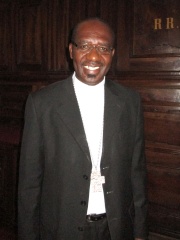
José Manuel Imbamba
1965 - Present
HPI: 56.57
Rank: 2,730
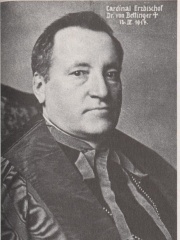
Franziskus von Bettinger
1850 - Present
HPI: 56.55
Rank: 2,731
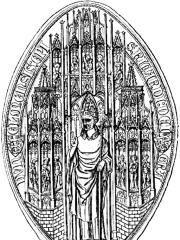
Richard de Bury
1287 - 1345
HPI: 56.55
Rank: 2,732
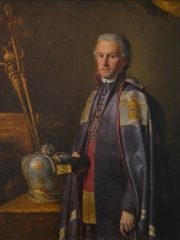
Michael Levytsky
1774 - 1858
HPI: 56.55
Rank: 2,733

Polycrates of Ephesus
125 - 196
HPI: 56.55
Rank: 2,734
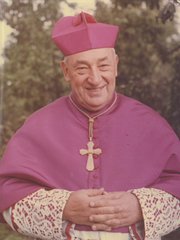
Štěpán Trochta
1905 - 1974
HPI: 56.54
Rank: 2,735
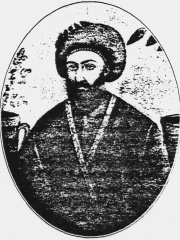
Kazim Rashti
1793 - 1843
HPI: 56.54
Rank: 2,736

Sebastian Koto Khoarai
1929 - 2021
HPI: 56.54
Rank: 2,737
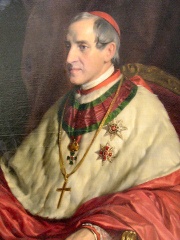
Joseph Othmar Rauscher
1797 - 1875
HPI: 56.54
Rank: 2,738

Tonpa Shenrab Miwoche
HPI: 56.53
Rank: 2,739

Jacques Gaillot
1935 - 2023
HPI: 56.53
Rank: 2,740

Contemporaries
Among people born in 125, Polycrates of Ephesus ranks 3. Before him are Apuleius, and Faustina the Younger. Among people deceased in 196, Polycrates of Ephesus ranks 1.
Others Born in 125
Go to all Rankings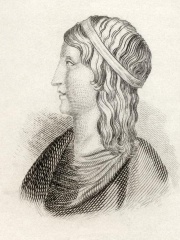
Apuleius
WRITER
125 - 170
HPI: 80.60
Rank: 1
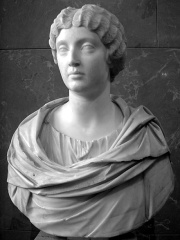
Faustina the Younger
POLITICIAN
125 - 175
HPI: 71.53
Rank: 2
Polycrates of Ephesus
RELIGIOUS FIGURE
125 - 196
HPI: 56.55
Rank: 3
Others Deceased in 196
Go to all RankingsIn トルコ
Among people born in トルコ, Polycrates of Ephesus ranks 1,119 out of NaN. Before him are Tevfik Kış (1934), Müslüm Gürses (1953), Burak Yılmaz (1985), Erkin Koray (1941), Neşet Ertaş (1938), and Konstantios Doukas (1060). After him are Sirarpie Der Nersessian (1896), Constantine Lekapenos (930), Ahmet Adnan Saygun (1907), Manolis Kalomiris (1883), Can Bartu (1936), and Levon Shant (1869).
Others born in トルコ
Go to all Rankings
Tevfik Kış
WRESTLER
1934 - 2019
HPI: 56.60
Rank: 1,113

Müslüm Gürses
SINGER
1953 - 2013
HPI: 56.59
Rank: 1,114

Burak Yılmaz
SOCCER PLAYER
1985 - Present
HPI: 56.59
Rank: 1,115

Erkin Koray
SINGER
1941 - 2023
HPI: 56.58
Rank: 1,116

Neşet Ertaş
SINGER
1938 - 2012
HPI: 56.56
Rank: 1,117
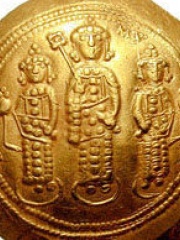
Konstantios Doukas
POLITICIAN
1060 - 1081
HPI: 56.55
Rank: 1,118
Polycrates of Ephesus
RELIGIOUS FIGURE
125 - 196
HPI: 56.55
Rank: 1,119
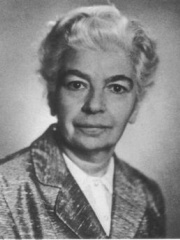
Sirarpie Der Nersessian
HISTORIAN
1896 - 1989
HPI: 56.54
Rank: 1,120
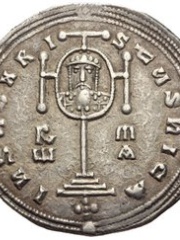
Constantine Lekapenos
POLITICIAN
930 - 950
HPI: 56.53
Rank: 1,121
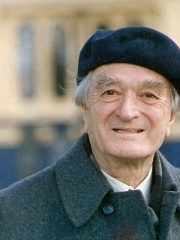
Ahmet Adnan Saygun
COMPOSER
1907 - 1991
HPI: 56.52
Rank: 1,122

Manolis Kalomiris
COMPOSER
1883 - 1962
HPI: 56.52
Rank: 1,123

Can Bartu
SOCCER PLAYER
1936 - 2019
HPI: 56.50
Rank: 1,124

Levon Shant
WRITER
1869 - 1951
HPI: 56.49
Rank: 1,125
Among 宗教家 In トルコ
Among 宗教家 born in トルコ, Polycrates of Ephesus ranks 160. Before him are Antony II of Constantinople (829), John X of Constantinople (1200), Tychicus (null), Gennadius of Constantinople (458), Theodotus of Byzantium (200), and Arsacius of Tarsus (400). After him are Andon Bedros IX Hassoun (1809), Simeon the Holy Fool (522), Flavian I of Antioch (320), Evagrius of Constantinople (350), Epenetus of Carthage (1), and Theophylact (793).

Antony II of Constantinople
829 - 901
HPI: 57.96
Rank: 154

John X of Constantinople
1200 - 1206
HPI: 57.82
Rank: 155
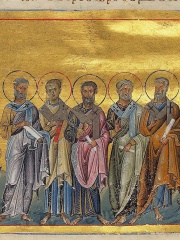
Tychicus
HPI: 57.66
Rank: 156
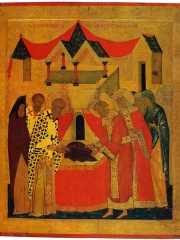
Gennadius of Constantinople
458 - 471
HPI: 57.50
Rank: 157

Theodotus of Byzantium
200 - Present
HPI: 57.42
Rank: 158

Arsacius of Tarsus
400 - 405
HPI: 57.33
Rank: 159
Polycrates of Ephesus
125 - 196
HPI: 56.55
Rank: 160
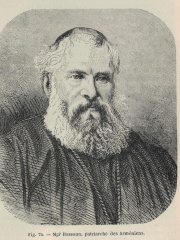
Andon Bedros IX Hassoun
1809 - 1884
HPI: 56.07
Rank: 161
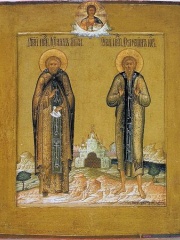
Simeon the Holy Fool
522 - 588
HPI: 56.04
Rank: 162

Flavian I of Antioch
320 - 404
HPI: 55.99
Rank: 163

Evagrius of Constantinople
350 - 380
HPI: 54.90
Rank: 164
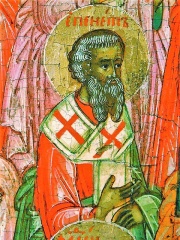
Epenetus of Carthage
1 - 64
HPI: 53.42
Rank: 165

Theophylact
793 - 849
HPI: 49.86
Rank: 166




