Pittore
Pinturicchio
1454 - 1513
VISUALIZZAZIONI SU IT.WIKIPEDIA (PV)
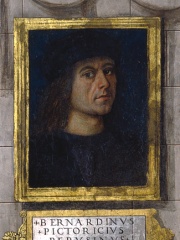
 Pinturicchio
La sua biografia è disponibile in 43 lingue su Wikipedia (in aumento rispetto a 42 nel 2024). Pinturicchio è il 160° pittore più popolare (in aumento dal 176° nel 2024), la 611ª biografia più popolare dell'Italia (in aumento dal 612ª nel 2019) e il 44° pittore più popolare dell'Italia.
Metriche di memorabilità
64k
Visualizzazioni
Ultimi 12 mesi
73.46
HPI
Indice di popolarità storica
Dati in evidenza
#160 / 2,055
Pinturicchio occupa la posizione n. 160 su 2,055 Pittore al mondo, nel 8% più alto della professione.
Visualizzazioni della pagina di Pinturicchio per lingua
Tra Pittore
Tra Pittore, Pinturicchio occupa la posizione 160 su 2,055. Prima di lui ci sono Gentile Bellini, Robert Delaunay, Robert Campin, Frédéric Bazille, Nicolai Abildgaard, e Théodore Rousseau. Dopo di lui ci sono Ambrogio Lorenzetti, Fernando Botero, Carl Larsson, Jan Matejko, Emil Nolde, e Otto Dix.
Pittore più popolari su Wikipedia
Vai a tutte le classifiche
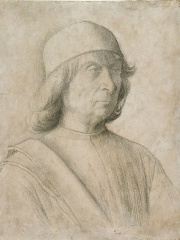
Gentile Bellini
1429 - 1507
HPI: 73.83
Posizione: 154
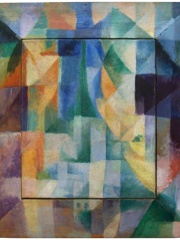
Robert Delaunay
1885 - 1941
HPI: 73.77
Posizione: 155
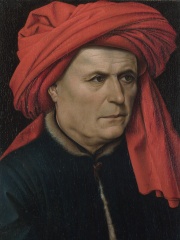
Robert Campin
1375 - 1444
HPI: 73.67
Posizione: 156
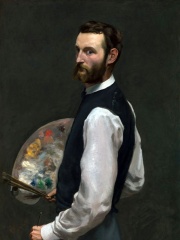
Frédéric Bazille
1841 - 1870
HPI: 73.54
Posizione: 157
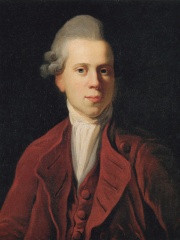
Nicolai Abildgaard
1743 - 1809
HPI: 73.53
Posizione: 158
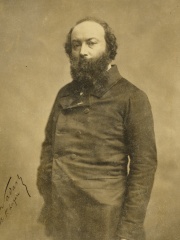
Théodore Rousseau
1812 - 1867
HPI: 73.50
Posizione: 159
Pinturicchio
1454 - 1513
HPI: 73.46
Posizione: 160
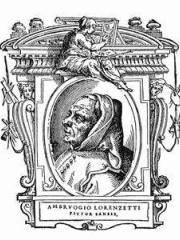
Ambrogio Lorenzetti
1290 - 1348
HPI: 73.28
Posizione: 161
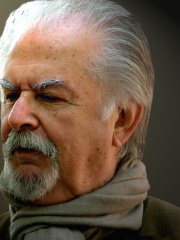
Fernando Botero
1932 - 2023
HPI: 73.22
Posizione: 162
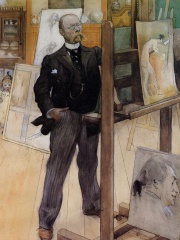
Carl Larsson
1853 - 1919
HPI: 73.22
Posizione: 163
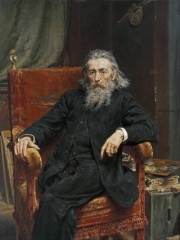
Jan Matejko
1838 - 1893
HPI: 73.20
Posizione: 164
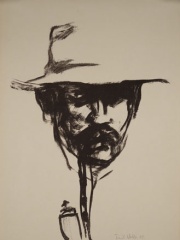
Emil Nolde
1867 - 1956
HPI: 73.18
Posizione: 165
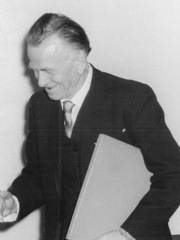
Otto Dix
1891 - 1969
HPI: 73.15
Posizione: 166

Contemporanei
Tra le persone nate nel 1454, Pinturicchio occupa la posizione 2. Prima di lui c'è Amerigo Vespucci. Dopo di lui ci sono Catherine Cornaro, Poliziano, Joanna of Aragon, Queen of Naples, e Bogislaw X, Duke of Pomerania. Tra le persone decedute nel 1513, Pinturicchio occupa la posizione 3. Prima di lui ci sono Pope Julius II, e John, King of Denmark. Dopo di lui ci sono James IV of Scotland, Helena of Moscow, Şehzade Korkut, Şehzade Ahmet, Marin Barleti, e Anton Koberger.
Altre persone nate nel 1454
Vai a tutte le classifiche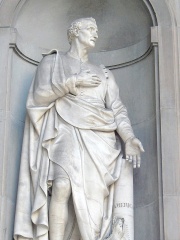
Amerigo Vespucci
EXPLORER
1454 - 1512
HPI: 86.55
Posizione: 1
Pinturicchio
PAINTER
1454 - 1513
HPI: 73.46
Posizione: 2
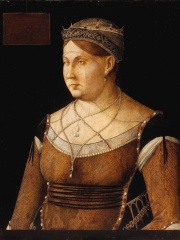
Catherine Cornaro
POLITICIAN
1454 - 1510
HPI: 72.97
Posizione: 3
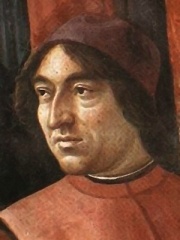
Poliziano
WRITER
1454 - 1494
HPI: 71.34
Posizione: 4

Joanna of Aragon, Queen of Naples
COMPANION
1454 - 1517
HPI: 62.53
Posizione: 5
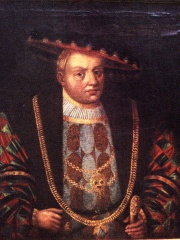
Bogislaw X, Duke of Pomerania
NOBLEMAN
1454 - 1523
HPI: 60.93
Posizione: 6
Altre persone decedute nel 1513
Vai a tutte le classifiche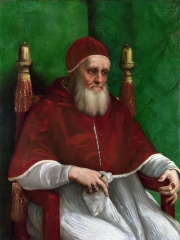
Pope Julius II
RELIGIOUS FIGURE
1443 - 1513
HPI: 84.50
Posizione: 1
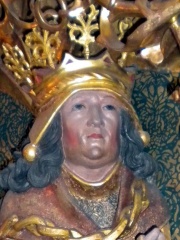
John, King of Denmark
POLITICIAN
1455 - 1513
HPI: 78.17
Posizione: 2
Pinturicchio
PAINTER
1454 - 1513
HPI: 73.46
Posizione: 3
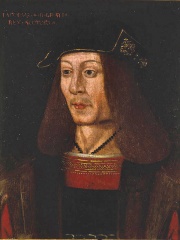
James IV of Scotland
POLITICIAN
1473 - 1513
HPI: 71.56
Posizione: 4
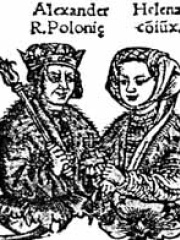
Helena of Moscow
POLITICIAN
1476 - 1513
HPI: 66.36
Posizione: 5

Şehzade Korkut
POLITICIAN
1467 - 1513
HPI: 64.59
Posizione: 6
Şehzade Ahmet
POLITICIAN
1466 - 1513
HPI: 63.52
Posizione: 7

Marin Barleti
HISTORIAN
1450 - 1513
HPI: 62.85
Posizione: 8

Anton Koberger
DESIGNER
1440 - 1513
HPI: 58.51
Posizione: 9
In Italia
Tra le persone nate in Italia, Pinturicchio occupa la posizione 611 su 5,905. Prima di lui ci sono Pope Leo VI (914), Nero Julius Caesar (6), Giuliano Gemma (1938), Alexander Farnese, Duke of Parma (1545), Fausto Cercignani (1941), e Anastasia of Sirmium (281). Dopo di lui ci sono Luca Signorelli (1450), Hippasus (-600), Lazzaro Spallanzani (1729), Dionysius I of Syracuse (-430), Julia the Elder (-39), e Publius Clodius Pulcher (-90).
Altre persone nate in Italia
Vai a tutte le classifiche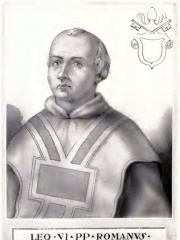
Pope Leo VI
RELIGIOUS FIGURE
914 - 929
HPI: 73.55
Posizione: 605
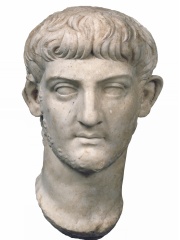
Nero Julius Caesar
POLITICIAN
6 - 31
HPI: 73.53
Posizione: 606
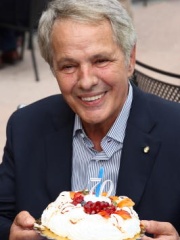
Giuliano Gemma
ACTOR
1938 - 2013
HPI: 73.52
Posizione: 607
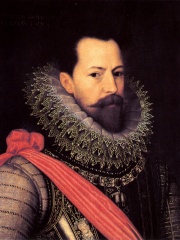
Alexander Farnese, Duke of Parma
POLITICIAN
1545 - 1592
HPI: 73.51
Posizione: 608

Fausto Cercignani
WRITER
1941 - presente
HPI: 73.47
Posizione: 609
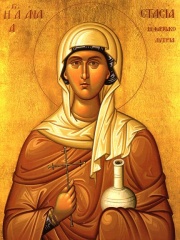
Anastasia of Sirmium
RELIGIOUS FIGURE
281 - 304
HPI: 73.46
Posizione: 610
Pinturicchio
PAINTER
1454 - 1513
HPI: 73.46
Posizione: 611
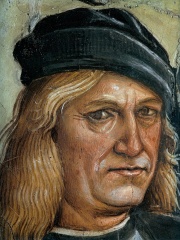
Luca Signorelli
ARTIST
1450 - 1523
HPI: 73.46
Posizione: 612
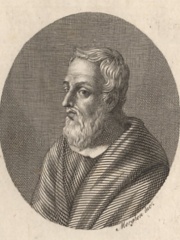
Hippasus
PHILOSOPHER
600 BC - 500 BC
HPI: 73.44
Posizione: 613
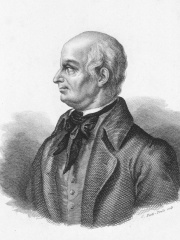
Lazzaro Spallanzani
BIOLOGIST
1729 - 1799
HPI: 73.44
Posizione: 614
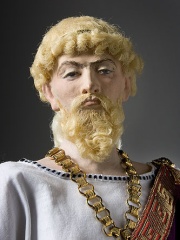
Dionysius I of Syracuse
POLITICIAN
430 BC - 366 BC
HPI: 73.43
Posizione: 615
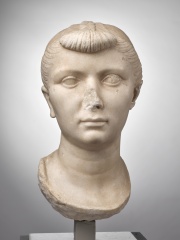
Julia the Elder
COMPANION
39 BC - 14
HPI: 73.42
Posizione: 616
Publius Clodius Pulcher
POLITICIAN
90 BC - 52 BC
HPI: 73.41
Posizione: 617
Tra Pittore in Italia
Tra Pittore nati in Italia, Pinturicchio occupa la posizione 44. Prima di lui ci sono Annibale Carracci (1560), Zeuxis (-500), Lavinia Fontana (1552), Antonello da Messina (1430), Filippino Lippi (1457), e Gentile Bellini (1429). Dopo di lui ci sono Ambrogio Lorenzetti (1290), Umberto Boccioni (1882), Benozzo Gozzoli (1420), Fra Bartolomeo (1472), Giulio Romano (1499), e Bernardo Bellotto (1721).
Annibale Carracci
1560 - 1609
HPI: 75.10
Posizione: 38
Zeuxis
500 BC - 400 BC
HPI: 74.74
Posizione: 39
Lavinia Fontana
1552 - 1614
HPI: 74.21
Posizione: 40
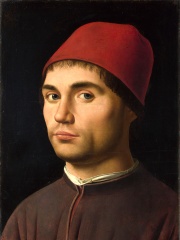
Antonello da Messina
1430 - 1479
HPI: 74.18
Posizione: 41
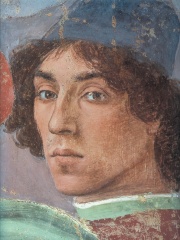
Filippino Lippi
1457 - 1504
HPI: 73.93
Posizione: 42
Gentile Bellini
1429 - 1507
HPI: 73.83
Posizione: 43
Pinturicchio
1454 - 1513
HPI: 73.46
Posizione: 44
Ambrogio Lorenzetti
1290 - 1348
HPI: 73.28
Posizione: 45
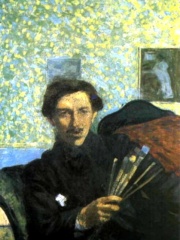
Umberto Boccioni
1882 - 1916
HPI: 73.13
Posizione: 46
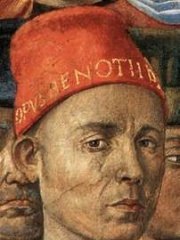
Benozzo Gozzoli
1420 - 1497
HPI: 72.88
Posizione: 47
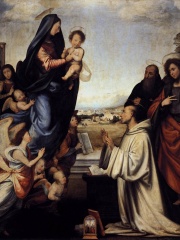
Fra Bartolomeo
1472 - 1517
HPI: 72.87
Posizione: 48
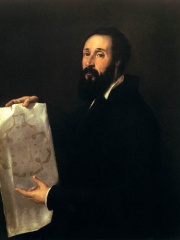
Giulio Romano
1499 - 1546
HPI: 72.84
Posizione: 49
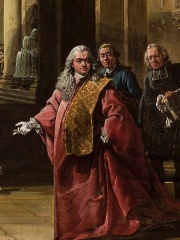
Bernardo Bellotto
1721 - 1780
HPI: 72.48
Posizione: 50




