Pittore
Vincenzo Foppa
1427 - presente
VISUALIZZAZIONI SU IT.WIKIPEDIA (PV)
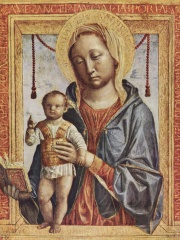
 Vincenzo Foppa
La sua biografia è disponibile in 16 lingue su Wikipedia (in aumento rispetto a 15 nel 2024). Vincenzo Foppa è il 1148° pittore più popolare (in calo dal 958° nel 2024), la 2711ª biografia più popolare dell'Italia (in calo dal 2394ª nel 2019) e il 225° pittore più popolare dell'Italia.
Metriche di memorabilità
12k
Visualizzazioni
Ultimi 12 mesi
60.33
HPI
Indice di popolarità storica
Dati in evidenza
16
La biografia di Vincenzo Foppa copre 16 edizioni linguistiche di Wikipedia e ottiene un Indice di Popolarità Storica di 60.33.
Visualizzazioni della pagina di Vincenzo Foppa per lingua
Tra Pittore
Tra Pittore, Vincenzo Foppa occupa la posizione 1,148 su 2,055. Prima di lui ci sono Corneille Guillaume Beverloo, Zdeněk Burian, Bartolomeo Carducci, Franz Kline, Willem Drost, e Kanō Motonobu. Dopo di lui ci sono Massimo Stanzione, Fritz Bleyl, Tadeusz Ajdukiewicz, Anna Palm de Rosa, Polidoro da Caravaggio, e Davide Ghirlandaio.
Pittore più popolari su Wikipedia
Vai a tutte le classifiche

Corneille Guillaume Beverloo
1922 - 2010
HPI: 60.38
Posizione: 1,142
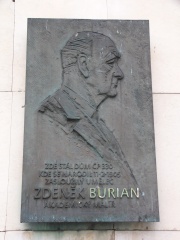
Zdeněk Burian
1905 - 1981
HPI: 60.36
Posizione: 1,143

Bartolomeo Carducci
1554 - 1608
HPI: 60.36
Posizione: 1,144
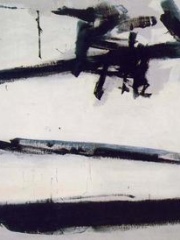
Franz Kline
1910 - 1962
HPI: 60.36
Posizione: 1,145
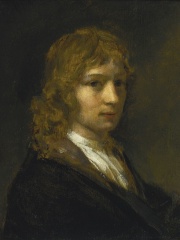
Willem Drost
1633 - 1659
HPI: 60.34
Posizione: 1,146

Kanō Motonobu
1476 - 1559
HPI: 60.33
Posizione: 1,147
Vincenzo Foppa
1427 - presente
HPI: 60.33
Posizione: 1,148
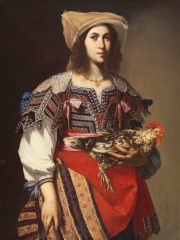
Massimo Stanzione
1585 - 1656
HPI: 60.33
Posizione: 1,149

Fritz Bleyl
1880 - 1966
HPI: 60.32
Posizione: 1,150
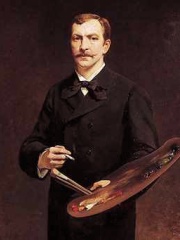
Tadeusz Ajdukiewicz
1852 - 1916
HPI: 60.30
Posizione: 1,151
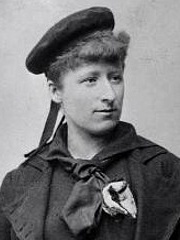
Anna Palm de Rosa
1859 - 1924
HPI: 60.30
Posizione: 1,152

Polidoro da Caravaggio
1499 - 1543
HPI: 60.30
Posizione: 1,153
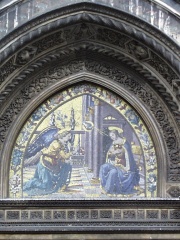
Davide Ghirlandaio
1452 - 1525
HPI: 60.29
Posizione: 1,154

Contemporanei
Tra le persone nate nel 1427, Vincenzo Foppa occupa la posizione 7. Prima di lui ci sono Emperor Yingzong of Ming, Casimir IV Jagiellon, Sigismund, Archduke of Austria, Lucrezia Tornabuoni, Shen Zhou, e Antonio Rossellino.
Altre persone nate nel 1427
Vai a tutte le classifiche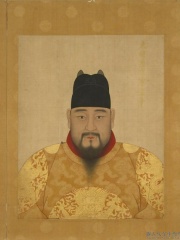
Emperor Yingzong of Ming
POLITICIAN
1427 - 1464
HPI: 71.85
Posizione: 1
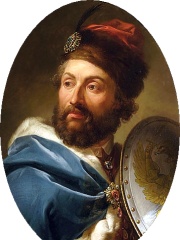
Casimir IV Jagiellon
POLITICIAN
1427 - 1492
HPI: 71.23
Posizione: 2
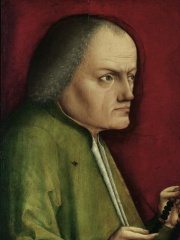
Sigismund, Archduke of Austria
NOBLEMAN
1427 - 1496
HPI: 68.39
Posizione: 3
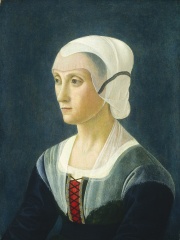
Lucrezia Tornabuoni
WRITER
1427 - 1482
HPI: 67.57
Posizione: 4

Shen Zhou
PAINTER
1427 - 1509
HPI: 63.08
Posizione: 5
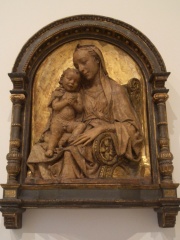
Antonio Rossellino
SCULPTOR
1427 - 1479
HPI: 62.29
Posizione: 6
Vincenzo Foppa
PAINTER
1427 - presente
HPI: 60.33
Posizione: 7
In Italia
Tra le persone nate in Italia, Vincenzo Foppa occupa la posizione 2,711 su 5,905. Prima di lui ci sono Bartolomeo Carducci (1554), Luzzasco Luzzaschi (1545), Aulus Cornelius Palma Frontonianus (1), Lanassa (-400), Gianfrancesco I Gonzaga, Marquess of Mantua (1395), e Eleanor of Naples, Duchess of Ferrara (1450). Dopo di lui ci sono Massimo Stanzione (1585), Obelerio degli Antenori (800), Titus Burckhardt (1908), Robertino Loreti (1947), Piero Piccioni (1921), e Prince Gaetan, Count of Girgenti (1846).
Altre persone nate in Italia
Vai a tutte le classificheBartolomeo Carducci
PAINTER
1554 - 1608
HPI: 60.36
Posizione: 2,705

Luzzasco Luzzaschi
COMPOSER
1545 - 1607
HPI: 60.35
Posizione: 2,706

Aulus Cornelius Palma Frontonianus
POLITICIAN
1 - 117
HPI: 60.35
Posizione: 2,707

Lanassa
COMPANION
400 BC - 300 BC
HPI: 60.34
Posizione: 2,708
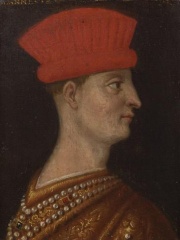
Gianfrancesco I Gonzaga, Marquess of Mantua
POLITICIAN
1395 - 1444
HPI: 60.34
Posizione: 2,709
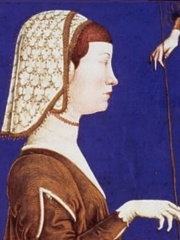
Eleanor of Naples, Duchess of Ferrara
POLITICIAN
1450 - 1493
HPI: 60.33
Posizione: 2,710
Vincenzo Foppa
PAINTER
1427 - presente
HPI: 60.33
Posizione: 2,711
Massimo Stanzione
PAINTER
1585 - 1656
HPI: 60.33
Posizione: 2,712
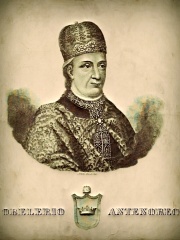
Obelerio degli Antenori
POLITICIAN
800 - 831
HPI: 60.33
Posizione: 2,713

Titus Burckhardt
WRITER
1908 - 1984
HPI: 60.32
Posizione: 2,714

Robertino Loreti
SINGER
1947 - presente
HPI: 60.32
Posizione: 2,715
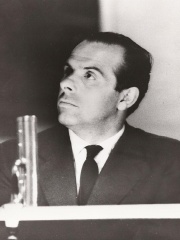
Piero Piccioni
COMPOSER
1921 - 2004
HPI: 60.32
Posizione: 2,716
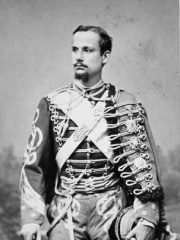
Prince Gaetan, Count of Girgenti
POLITICIAN
1846 - 1871
HPI: 60.32
Posizione: 2,717
Tra Pittore in Italia
Tra Pittore nati in Italia, Vincenzo Foppa occupa la posizione 225. Prima di lui ci sono Giovanni Fattori (1825), Antonio Tempesta (1555), Francesco Granacci (1469), Taddeo di Bartolo (1362), Ugolino di Nerio (1280), e Bartolomeo Carducci (1554). Dopo di lui ci sono Massimo Stanzione (1585), Davide Ghirlandaio (1452), Giuseppe Amisani (1881), Raimundo de Madrazo y Garreta (1841), Guariento di Arpo (1310), e Giovanni Battista Crespi (1573).

Giovanni Fattori
1825 - 1908
HPI: 60.64
Posizione: 219
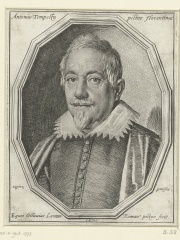
Antonio Tempesta
1555 - 1630
HPI: 60.59
Posizione: 220

Francesco Granacci
1469 - 1543
HPI: 60.53
Posizione: 221

Taddeo di Bartolo
1362 - 1422
HPI: 60.43
Posizione: 222
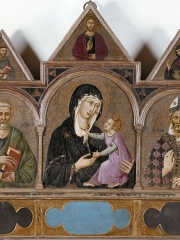
Ugolino di Nerio
1280 - 1330
HPI: 60.38
Posizione: 223
Bartolomeo Carducci
1554 - 1608
HPI: 60.36
Posizione: 224
Vincenzo Foppa
1427 - presente
HPI: 60.33
Posizione: 225
Massimo Stanzione
1585 - 1656
HPI: 60.33
Posizione: 226
Davide Ghirlandaio
1452 - 1525
HPI: 60.29
Posizione: 227
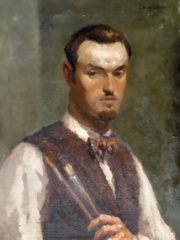
Giuseppe Amisani
1881 - 1941
HPI: 60.24
Posizione: 228
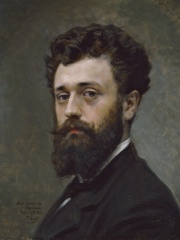
Raimundo de Madrazo y Garreta
1841 - 1920
HPI: 60.20
Posizione: 229
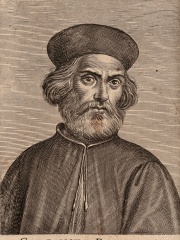
Guariento di Arpo
1310 - 1370
HPI: 60.19
Posizione: 230
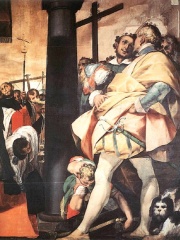
Giovanni Battista Crespi
1573 - 1632
HPI: 60.18
Posizione: 231




