Matematico
Richard Taylor
1962 - presente
VISUALIZZAZIONI SU IT.WIKIPEDIA (PV)

 Richard Taylor
La sua biografia è disponibile in 21 lingue su Wikipedia (in aumento rispetto a 20 nel 2024). Richard Taylor è il 860° matematico più popolare (in calo dal 858° nel 2024), la 4636ª biografia più popolare della Regno Unito (in calo dal 4481ª nel 2019) e il 92° matematico più popolare della Regno Unito.
Metriche di memorabilità
45k
Visualizzazioni
Ultimi 12 mesi
53.82
HPI
Indice di popolarità storica
Dati in evidenza
21
La biografia di Richard Taylor copre 21 edizioni linguistiche di Wikipedia e ottiene un Indice di Popolarità Storica di 53.82.
Visualizzazioni della pagina di Richard Taylor per lingua
Tra Matematico
Tra Matematico, Richard Taylor occupa la posizione 860 su 1,010. Prima di lui ci sono Joseph Wedderburn, Solomon Marcus, Gustav de Vries, Kātyāyana, Yury Osipov, e Henri Padé. Dopo di lui ci sono Yasumasa Kanada, Richard K. Guy, Émile Léonard Mathieu, I. J. Good, Cédric Villani, e Raoul Bott.
Matematico più popolari su Wikipedia
Vai a tutte le classifiche
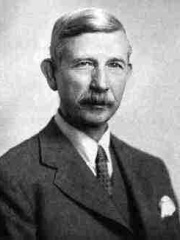
Joseph Wedderburn
1882 - 1948
HPI: 53.98
Posizione: 854

Solomon Marcus
1925 - 2016
HPI: 53.97
Posizione: 855
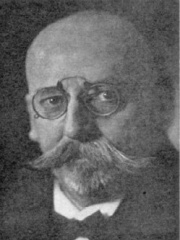
Gustav de Vries
1866 - 1934
HPI: 53.95
Posizione: 856

Kātyāyana
200 BC - 159 BC
HPI: 53.88
Posizione: 857
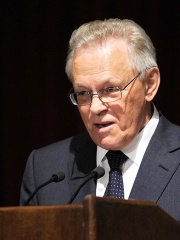
Yury Osipov
1936 - presente
HPI: 53.83
Posizione: 858
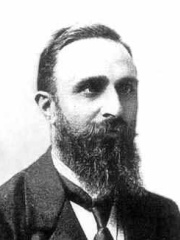
Henri Padé
1863 - 1953
HPI: 53.82
Posizione: 859
Richard Taylor
1962 - presente
HPI: 53.82
Posizione: 860

Yasumasa Kanada
1948 - 2020
HPI: 53.79
Posizione: 861

Richard K. Guy
1916 - 2020
HPI: 53.72
Posizione: 862

Émile Léonard Mathieu
1835 - 1890
HPI: 53.71
Posizione: 863

I. J. Good
1916 - 2009
HPI: 53.68
Posizione: 864
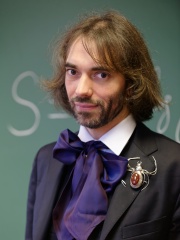
Cédric Villani
1973 - presente
HPI: 53.68
Posizione: 865
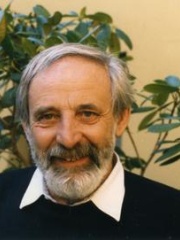
Raoul Bott
1923 - 2005
HPI: 53.67
Posizione: 866

Contemporanei
Tra le persone nate nel 1962, Richard Taylor occupa la posizione 365. Prima di lui ci sono Andries Jonker, David Furnish, Gustavo Alfaro, Feleti Teo, Michal Herzog, e Mikhail Mizintsev. Dopo di lui ci sono Amy Yasbeck, Maggie De Block, Marc Cherry, Aida Turturro, Denise Biellmann, e Masanao Sasaki.
Altre persone nate nel 1962
Vai a tutte le classifiche
Andries Jonker
SOCCER PLAYER
1962 - presente
HPI: 53.87
Posizione: 359

David Furnish
FILM DIRECTOR
1962 - presente
HPI: 53.85
Posizione: 360

Gustavo Alfaro
COACH
1962 - presente
HPI: 53.85
Posizione: 361

Feleti Teo
POLITICIAN
1962 - presente
HPI: 53.83
Posizione: 362
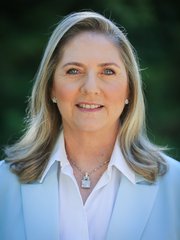
Michal Herzog
LAWYER
1962 - presente
HPI: 53.83
Posizione: 363

Mikhail Mizintsev
MILITARY PERSONNEL
1962 - presente
HPI: 53.83
Posizione: 364
Richard Taylor
MATHEMATICIAN
1962 - presente
HPI: 53.82
Posizione: 365

Amy Yasbeck
ACTOR
1962 - presente
HPI: 53.82
Posizione: 366
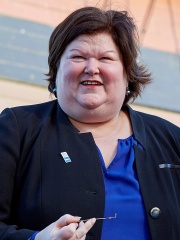
Maggie De Block
POLITICIAN
1962 - presente
HPI: 53.80
Posizione: 367

Marc Cherry
ACTOR
1962 - presente
HPI: 53.77
Posizione: 368

Aida Turturro
ACTOR
1962 - presente
HPI: 53.75
Posizione: 369
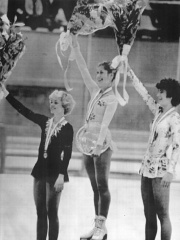
Denise Biellmann
SKATER
1962 - presente
HPI: 53.74
Posizione: 370

Masanao Sasaki
SOCCER PLAYER
1962 - presente
HPI: 53.74
Posizione: 371
In Regno Unito
Tra le persone nate in Regno Unito, Richard Taylor occupa la posizione 4,636 su 9,870. Prima di lui ci sono John Hunter (1737), Jane Lapotaire (1944), Conor Gallagher (2000), Tony Kaye (1952), Irene Manton (1904), e Frederic G. Kenyon (1863). Dopo di lui ci sono Innes Ireland (1930), Dexter Fletcher (1966), Emily Ratajkowski (1991), Ron Moody (1924), Clive Dunn (1920), e Richard Llewellyn (1906).
Altre persone nate in Regno Unito
Vai a tutte le classifiche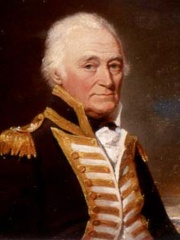
John Hunter
POLITICIAN
1737 - 1821
HPI: 53.83
Posizione: 4,630

Jane Lapotaire
ACTOR
1944 - 2026
HPI: 53.83
Posizione: 4,631

Conor Gallagher
SOCCER PLAYER
2000 - presente
HPI: 53.83
Posizione: 4,632
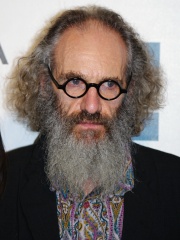
Tony Kaye
FILM DIRECTOR
1952 - presente
HPI: 53.83
Posizione: 4,633
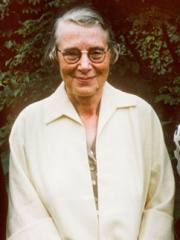
Irene Manton
BIOLOGIST
1904 - 1988
HPI: 53.82
Posizione: 4,634
Frederic G. Kenyon
HISTORIAN
1863 - 1952
HPI: 53.82
Posizione: 4,635
Richard Taylor
MATHEMATICIAN
1962 - presente
HPI: 53.82
Posizione: 4,636
Innes Ireland
RACING DRIVER
1930 - 1993
HPI: 53.82
Posizione: 4,637

Dexter Fletcher
ACTOR
1966 - presente
HPI: 53.82
Posizione: 4,638

Emily Ratajkowski
ACTOR
1991 - presente
HPI: 53.81
Posizione: 4,639
Ron Moody
ACTOR
1924 - 2015
HPI: 53.81
Posizione: 4,640
Clive Dunn
ACTOR
1920 - 2012
HPI: 53.81
Posizione: 4,641

Richard Llewellyn
WRITER
1906 - 1983
HPI: 53.81
Posizione: 4,642
Tra Matematico in Regno Unito
Tra Matematico nati in Regno Unito, Richard Taylor occupa la posizione 92. Prima di lui ci sono David Gregory (1659), Horace Lamb (1849), Mary Everest Boole (1832), William Henry Young (1863), William Shanks (1812), e Joseph Wedderburn (1882). Dopo di lui ci sono Richard K. Guy (1916), I. J. Good (1916), James Whitbread Lee Glaisher (1848), Philip Hall (1904), William Spottiswoode (1825), e Arthur Geoffrey Walker (1909).
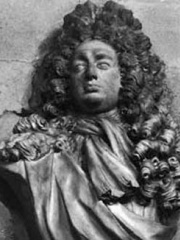
David Gregory
1659 - 1708
HPI: 54.76
Posizione: 86
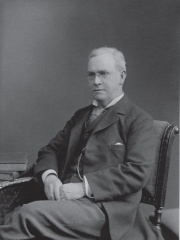
Horace Lamb
1849 - 1934
HPI: 54.73
Posizione: 87
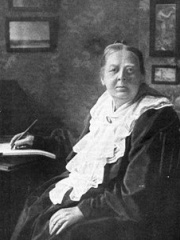
Mary Everest Boole
1832 - 1916
HPI: 54.58
Posizione: 88
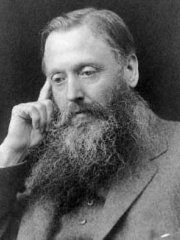
William Henry Young
1863 - 1942
HPI: 54.53
Posizione: 89

William Shanks
1812 - 1882
HPI: 54.13
Posizione: 90
Joseph Wedderburn
1882 - 1948
HPI: 53.98
Posizione: 91
Richard Taylor
1962 - presente
HPI: 53.82
Posizione: 92
Richard K. Guy
1916 - 2020
HPI: 53.72
Posizione: 93
I. J. Good
1916 - 2009
HPI: 53.68
Posizione: 94
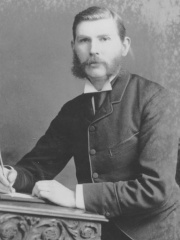
James Whitbread Lee Glaisher
1848 - 1928
HPI: 52.48
Posizione: 95
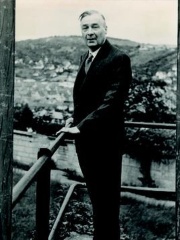
Philip Hall
1904 - 1982
HPI: 52.25
Posizione: 96
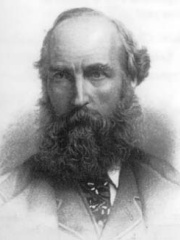
William Spottiswoode
1825 - 1883
HPI: 52.12
Posizione: 97

Arthur Geoffrey Walker
1909 - 2001
HPI: 52.07
Posizione: 98




