Soccer Player
Klaus Fichtel
German former international footballer
1944 - today
EN.WIKIPEDIA PAGE VIEWS (PV)
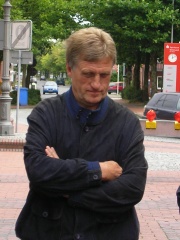
 Klaus Fichtel
His biography is available in 27 different languages on Wikipedia (up from 26 in 2024). Klaus Fichtel is the 1,241st most popular soccer player (up from 1,379th in 2024), the 3,039th most popular biography from Germany (up from 3,390th in 2019) and the 84th most popular German Soccer Player.
Memorability Metrics
33k
Page Views
Past 12 months
60.72
HPI
Historical Popularity Index
Page views of Klaus Fichtel by language
Among Soccer Players
Among soccer players, Klaus Fichtel ranks 1,238 out of 21,273. Before him are Paolo Di Canio, Bojan Krkić, Miguel Ángel Nadal, Buakaw Banchamek, Francisco Bru, and John van 't Schip. After him are Werner Liebrich, George Knobel, Milutin Šoškić, Lippo Hertzka, Karl Koller, and Mauro Icardi.
Most Popular Soccer Players in Wikipedia
Go to all Rankings
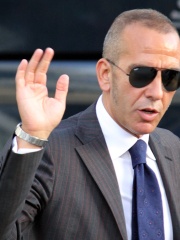
Paolo Di Canio
1968 - Present
HPI: 60.74
Rank: 1,235
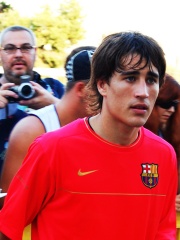
Bojan Krkić
1990 - Present
HPI: 60.73
Rank: 1,236
Miguel Ángel Nadal
1966 - Present
HPI: 60.73
Rank: 1,237
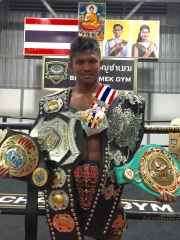
Buakaw Banchamek
1982 - Present
HPI: 60.73
Rank: 1,238
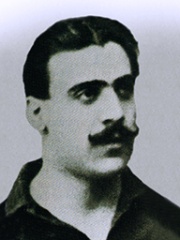
Francisco Bru
1885 - 1962
HPI: 60.72
Rank: 1,239
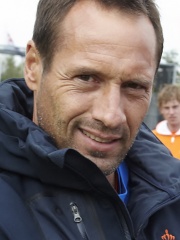
John van 't Schip
1963 - Present
HPI: 60.72
Rank: 1,240
Klaus Fichtel
1944 - Present
HPI: 60.72
Rank: 1,241
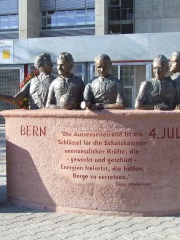
Werner Liebrich
1927 - 1995
HPI: 60.71
Rank: 1,242
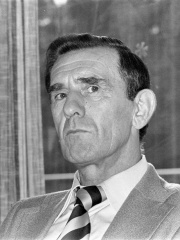
George Knobel
1922 - 2012
HPI: 60.71
Rank: 1,243
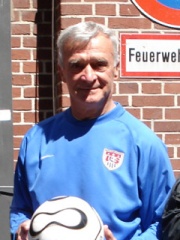
Milutin Šoškić
1937 - 2022
HPI: 60.71
Rank: 1,244

Lippo Hertzka
1904 - 1951
HPI: 60.70
Rank: 1,245
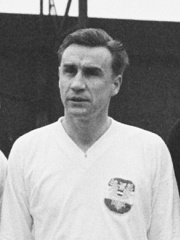
Karl Koller
1929 - 2009
HPI: 60.69
Rank: 1,246
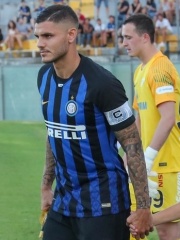
Mauro Icardi
1993 - Present
HPI: 60.69
Rank: 1,247

Contemporaries
Among people born in 1944, Klaus Fichtel ranks 308. Before him are Wolfgang Weber, John McCook, Jiří Holeček, Boris Mikhailov, Tim Rice, and Jean-Louis Debré. After him are Mahieddine Khalef, Pedro Barreto, Carl Bernstein, Gary Glitter, Kuniya Daini, and Jean-Pierre Ricard.
Others Born in 1944
Go to all Rankings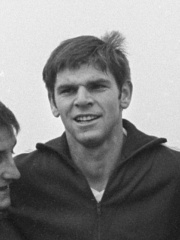
Wolfgang Weber
SOCCER PLAYER
1944 - Present
HPI: 60.81
Rank: 302
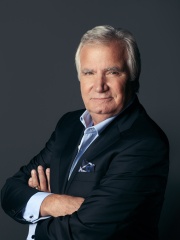
John McCook
ACTOR
1944 - Present
HPI: 60.79
Rank: 303
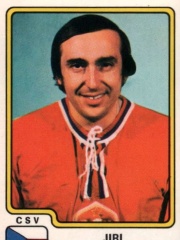
Jiří Holeček
HOCKEY PLAYER
1944 - Present
HPI: 60.78
Rank: 304
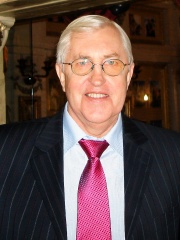
Boris Mikhailov
POLITICIAN
1944 - Present
HPI: 60.78
Rank: 305
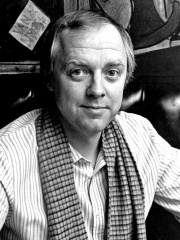
Tim Rice
MUSICIAN
1944 - Present
HPI: 60.78
Rank: 306
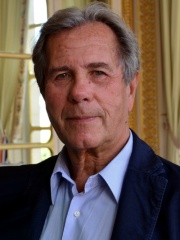
Jean-Louis Debré
POLITICIAN
1944 - 2025
HPI: 60.77
Rank: 307
Klaus Fichtel
SOCCER PLAYER
1944 - Present
HPI: 60.72
Rank: 308

Mahieddine Khalef
COACH
1944 - 2024
HPI: 60.71
Rank: 309
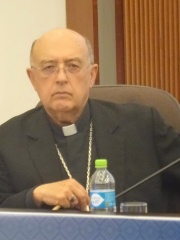
Pedro Barreto
RELIGIOUS FIGURE
1944 - Present
HPI: 60.69
Rank: 310
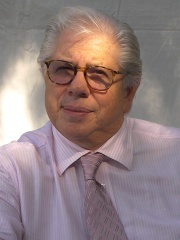
Carl Bernstein
WRITER
1944 - Present
HPI: 60.61
Rank: 311
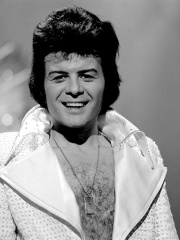
Gary Glitter
SINGER
1944 - Present
HPI: 60.57
Rank: 312
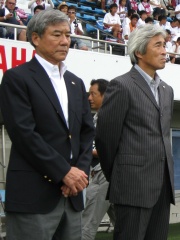
Kuniya Daini
SOCCER PLAYER
1944 - Present
HPI: 60.57
Rank: 313
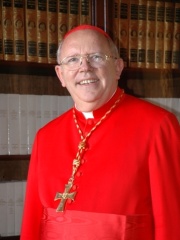
Jean-Pierre Ricard
RELIGIOUS FIGURE
1944 - Present
HPI: 60.56
Rank: 314
In Germany
Among people born in Germany, Klaus Fichtel ranks 3,039 out of NaN. Before him are Anni Albers (1899), Uli Edel (1947), Thilo Sarrazin (1945), Samson Raphael Hirsch (1808), Jacob, Margrave of Baden-Baden (1407), and Gerhard Schröder (1910). After him are Werner Liebrich (1927), August Böckh (1785), Tilly Fleischer (1911), Princess Augusta of Cambridge (1822), Prince Maximilian of Wied-Neuwied (1782), and Prince Friedrich of Saxe-Meiningen (1861).
Others born in Germany
Go to all Rankings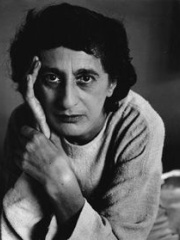
Anni Albers
PAINTER
1899 - 1994
HPI: 60.73
Rank: 3,033

Uli Edel
FILM DIRECTOR
1947 - Present
HPI: 60.73
Rank: 3,034
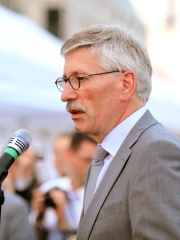
Thilo Sarrazin
POLITICIAN
1945 - Present
HPI: 60.73
Rank: 3,035
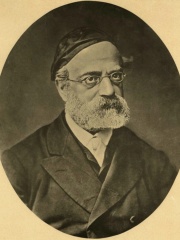
Samson Raphael Hirsch
WRITER
1808 - 1888
HPI: 60.73
Rank: 3,036
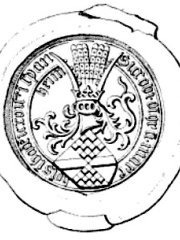
Jacob, Margrave of Baden-Baden
RELIGIOUS FIGURE
1407 - 1453
HPI: 60.72
Rank: 3,037
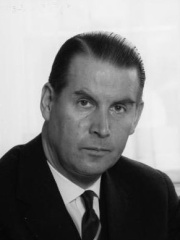
Gerhard Schröder
POLITICIAN
1910 - 1989
HPI: 60.72
Rank: 3,038
Klaus Fichtel
SOCCER PLAYER
1944 - Present
HPI: 60.72
Rank: 3,039
Werner Liebrich
SOCCER PLAYER
1927 - 1995
HPI: 60.71
Rank: 3,040
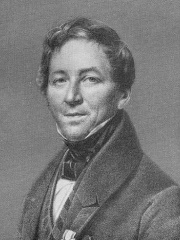
August Böckh
PHILOSOPHER
1785 - 1867
HPI: 60.71
Rank: 3,041
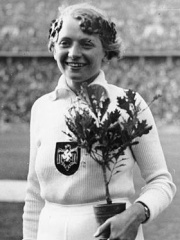
Tilly Fleischer
ATHLETE
1911 - 2005
HPI: 60.71
Rank: 3,042
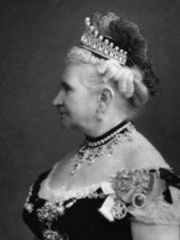
Princess Augusta of Cambridge
POLITICIAN
1822 - 1916
HPI: 60.71
Rank: 3,043
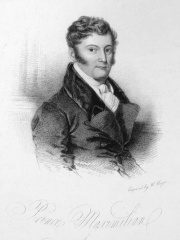
Prince Maximilian of Wied-Neuwied
BIOLOGIST
1782 - 1867
HPI: 60.70
Rank: 3,044
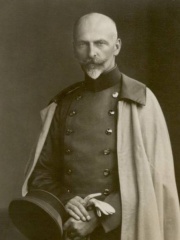
Prince Friedrich of Saxe-Meiningen
POLITICIAN
1861 - 1914
HPI: 60.70
Rank: 3,045
Among Soccer Players In Germany
Among soccer players born in Germany, Klaus Fichtel ranks 84. Before him are Nuri Şahin (1988), Hakan Çalhanoğlu (1994), Herbert Erhardt (1930), Stefan Effenberg (1968), Erich Ribbeck (1937), and Jérôme Boateng (1988). After him are Werner Liebrich (1927), Hamit Altıntop (1982), Mario Götze (1992), Willi Schulz (1938), Heinz Flohe (1948), and Karl-Heinz Riedle (1965).
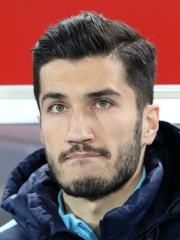
Nuri Şahin
1988 - Present
HPI: 61.11
Rank: 78
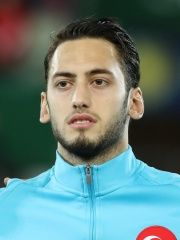
Hakan Çalhanoğlu
1994 - Present
HPI: 61.09
Rank: 79

Herbert Erhardt
1930 - 2010
HPI: 61.04
Rank: 80

Stefan Effenberg
1968 - Present
HPI: 61.01
Rank: 81
Erich Ribbeck
1937 - Present
HPI: 61.00
Rank: 82
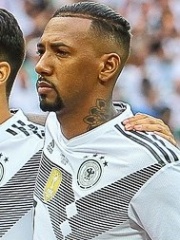
Jérôme Boateng
1988 - Present
HPI: 60.85
Rank: 83
Klaus Fichtel
1944 - Present
HPI: 60.72
Rank: 84
Werner Liebrich
1927 - 1995
HPI: 60.71
Rank: 85
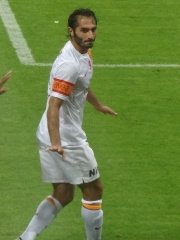
Hamit Altıntop
1982 - Present
HPI: 60.61
Rank: 86
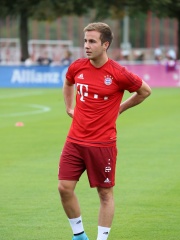
Mario Götze
1992 - Present
HPI: 60.59
Rank: 87
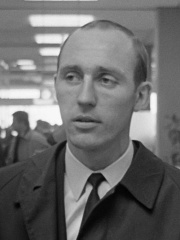
Willi Schulz
1938 - Present
HPI: 60.47
Rank: 88
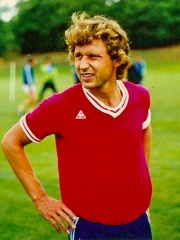
Heinz Flohe
1948 - 2013
HPI: 60.41
Rank: 89
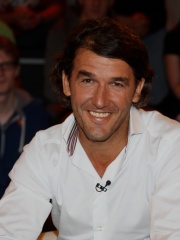
Karl-Heinz Riedle
1965 - Present
HPI: 60.39
Rank: 90




