Schrijver
Paul the Silentiary
520 - 580
NL.WIKIPEDIA-PAGINAWEERGAVEN (PV)

 Paul the Silentiary
Zijn biografie is beschikbaar in 19 verschillende talen op Wikipedia. Paul the Silentiary staat op plaats 2.276 onder de meest populaire schrijver (gedaald van plaats 2.153 in 2024), plaats 745 onder de meest populaire biografieën uit Turkije (gedaald van plaats 705 in 2019) en op plaats 65 onder de populairste schrijver uit Turkije.
Bekendheidsstatistieken
6.8k
Paginaweergaven
Afgelopen 12 maanden
62.40
HPI
Historische populariteitsindex
Data-inzichten
19
De biografie van Paul the Silentiary beslaat 19 taalversies van Wikipedia en behaalt een Historische Populariteitsindex van 62.40.
Paginaweergaven van Paul the Silentiary per taal
Onder Schrijver
Onder Schrijver staat Paul the Silentiary op plaats 2,276 van 7,707. Vóór hem staan Erin Hunter, Janus Pannonius, Matthew Arnold, Edward FitzGerald, Claudine Guérin de Tencin, en Bo Carpelan. Na hem komen Étienne Dolet, Thomas Gray, Fujiwara no Teika, James Herbert Brennan, Dick Francis, en Mkhitar Sebastatsi.
Populairste Schrijver op Wikipedia
Naar alle ranglijsten

Erin Hunter
HPI: 62.42
Plaats: 2,270

Janus Pannonius
1434 - 1472
HPI: 62.42
Plaats: 2,271
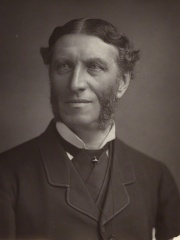
Matthew Arnold
1822 - 1888
HPI: 62.41
Plaats: 2,272
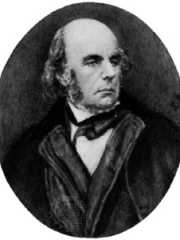
Edward FitzGerald
1809 - 1883
HPI: 62.41
Plaats: 2,273
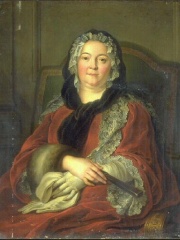
Claudine Guérin de Tencin
1682 - 1749
HPI: 62.40
Plaats: 2,274
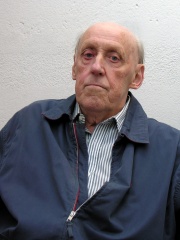
Bo Carpelan
1926 - 2011
HPI: 62.40
Plaats: 2,275
Paul the Silentiary
520 - 580
HPI: 62.40
Plaats: 2,276
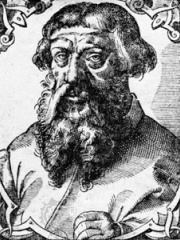
Étienne Dolet
1509 - 1546
HPI: 62.39
Plaats: 2,277
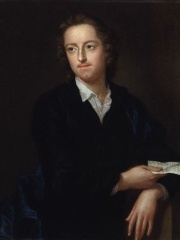
Thomas Gray
1716 - 1771
HPI: 62.39
Plaats: 2,278
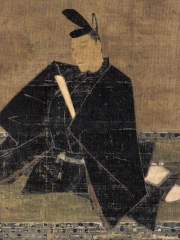
Fujiwara no Teika
1162 - 1241
HPI: 62.39
Plaats: 2,279

James Herbert Brennan
1940 - 2024
HPI: 62.38
Plaats: 2,280
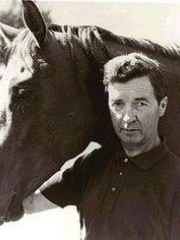
Dick Francis
1920 - 2010
HPI: 62.38
Plaats: 2,281
Mkhitar Sebastatsi
1676 - 1749
HPI: 62.38
Plaats: 2,282

Tijdgenoten
Onder de mensen geboren in 520 staat Paul the Silentiary op plaats 8. Vóór hem staan Pope John III, Justin II, Tiberius II Constantine, Charibert I, Emperor Sushun, en Martin of Braga. Na hem komt Zuhayr bin Abi Sulma. Onder de mensen overleden in 580 staat Paul the Silentiary op plaats 2. Vóór hem staat Martin of Braga. Na hem komt Audovera.
Anderen geboren in 520
Naar alle ranglijsten
Pope John III
RELIGIOUS FIGURE
520 - 574
HPI: 74.93
Plaats: 2
Justin II
POLITICIAN
520 - 578
HPI: 74.70
Plaats: 3
Tiberius II Constantine
POLITICIAN
520 - 582
HPI: 73.60
Plaats: 4
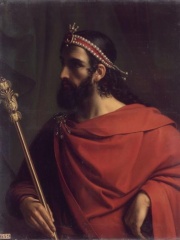
Charibert I
POLITICIAN
520 - 567
HPI: 70.70
Plaats: 5

Emperor Sushun
POLITICIAN
520 - 592
HPI: 66.16
Plaats: 6
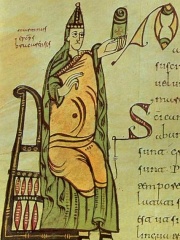
Martin of Braga
RELIGIOUS FIGURE
520 - 580
HPI: 66.01
Plaats: 7
Paul the Silentiary
WRITER
520 - 580
HPI: 62.40
Plaats: 8
Zuhayr bin Abi Sulma
WRITER
520 - 607
HPI: 59.91
Plaats: 9
Anderen overleden in 580
Naar alle ranglijstenMartin of Braga
RELIGIOUS FIGURE
520 - 580
HPI: 66.01
Plaats: 1
Paul the Silentiary
WRITER
520 - 580
HPI: 62.40
Plaats: 2
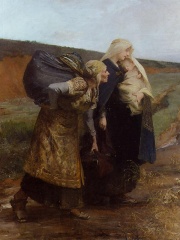
Audovera
COMPANION
533 - 580
HPI: 60.42
Plaats: 3
In Turkije
Onder de mensen geboren in Turkije staat Paul the Silentiary op plaats 745 van 1,732. Vóór hem staan Süleyman Hüsnü Pasha (1838), Andriscus (-185), Subhi Bey Barakat (1889), Albinus (100), Ariobarzanes of Pontus (-250), en Arame of Urartu (-900). Na hem komen Mkhitar Sebastatsi (1676), Manuel III of Trebizond (1364), Cerinthus (100), Hermogenes of Priene (-200), Theon of Smyrna (70), en Severus of Antioch (456).
Anderen geboren in Turkije
Naar alle ranglijsten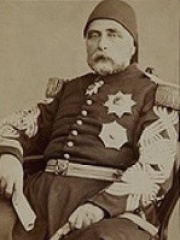
Süleyman Hüsnü Pasha
MILITARY PERSONNEL
1838 - 1892
HPI: 62.45
Plaats: 739
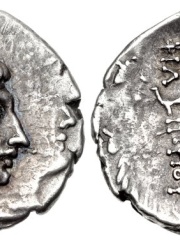
Andriscus
POLITICIAN
185 v.Chr. - 146 v.Chr.
HPI: 62.43
Plaats: 740
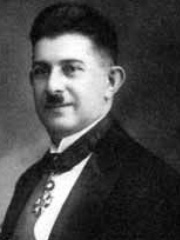
Subhi Bey Barakat
POLITICIAN
1889 - 1939
HPI: 62.42
Plaats: 741

Albinus
PHILOSOPHER
100 - 200
HPI: 62.42
Plaats: 742

Ariobarzanes of Pontus
POLITICIAN
250 v.Chr. - 250 v.Chr.
HPI: 62.41
Plaats: 743

Arame of Urartu
POLITICIAN
900 v.Chr. - 844 v.Chr.
HPI: 62.40
Plaats: 744
Paul the Silentiary
WRITER
520 - 580
HPI: 62.40
Plaats: 745
Mkhitar Sebastatsi
WRITER
1676 - 1749
HPI: 62.38
Plaats: 746
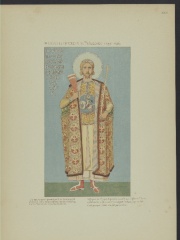
Manuel III of Trebizond
POLITICIAN
1364 - 1417
HPI: 62.36
Plaats: 747

Cerinthus
PHILOSOPHER
100 - 200
HPI: 62.35
Plaats: 748

Hermogenes of Priene
ARCHITECT
200 v.Chr. - 200 v.Chr.
HPI: 62.35
Plaats: 749

Theon of Smyrna
MATHEMATICIAN
70 - 135
HPI: 62.34
Plaats: 750
Severus of Antioch
RELIGIOUS FIGURE
456 - 538
HPI: 62.34
Plaats: 751
Onder Schrijver in Turkije
Onder Schrijver geboren in Turkije staat Paul the Silentiary op plaats 65. Vóór hem staan Cleitarchus (-400), Kâtip Çelebi (1609), Adnan Oktar (1956), Muhammad Said Ramadan al-Bouti (1929), Oribasius (325), en Quadratus of Athens (100). Na hem komen Mkhitar Sebastatsi (1676), Constantine Manasses (1130), Phocylides (-560), Xenophon of Ephesus (101), Zeki Müren (1931), en Antiochus Kantemir (1708).
Cleitarchus
400 v.Chr. - 300 v.Chr.
HPI: 62.91
Plaats: 59
Kâtip Çelebi
1609 - 1657
HPI: 62.90
Plaats: 60
Adnan Oktar
1956 - heden
HPI: 62.82
Plaats: 61
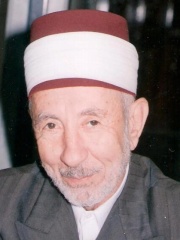
Muhammad Said Ramadan al-Bouti
1929 - 2013
HPI: 62.80
Plaats: 62

Oribasius
325 - 403
HPI: 62.54
Plaats: 63
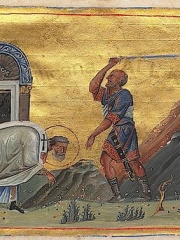
Quadratus of Athens
100 - 129
HPI: 62.50
Plaats: 64
Paul the Silentiary
520 - 580
HPI: 62.40
Plaats: 65
Mkhitar Sebastatsi
1676 - 1749
HPI: 62.38
Plaats: 66

Constantine Manasses
1130 - 1187
HPI: 62.32
Plaats: 67

Phocylides
560 v.Chr. - 600 v.Chr.
HPI: 62.22
Plaats: 68

Xenophon of Ephesus
101 - 300
HPI: 62.11
Plaats: 69
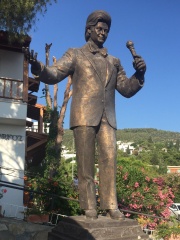
Zeki Müren
1931 - 1996
HPI: 62.03
Plaats: 70
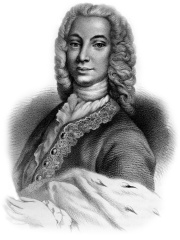
Antiochus Kantemir
1708 - 1744
HPI: 61.99
Plaats: 71




