Escritor
George Kodinos
1350 - 1401
VISITAS EN ES.WIKIPEDIA (PV)

 George Kodinos
Su biografía está disponible en 16 idiomas en Wikipedia. George Kodinos ocupa el puesto 3611 entre los escritor más populares (subió del puesto 4221 en 2024), el puesto 976 entre las biografías más populares de Turquía (subió del puesto 1058 en 2019) y el puesto 101 entre los escritor de turquía más populares.
Métricas de memorabilidad
3.8k
Visitas
Últimos 12 meses
58.92
HPI
Índice de Popularidad Histórica
Visitas a la página de George Kodinos por idioma
Entre Escritor
Entre Escritor, George Kodinos ocupa el puesto 3,611 de 7,302. Antes de él están Vladimir Megre, Demyan Bedny, Sergio Ramírez, Nevil Shute, Vassilis Vassilikos, y Brandon Sanderson. Después de él están Alma Reville, Ernst Jandl, Buton Rinchen Drub, Ferdinand Brunetière, Alberto Hurtado, y Hwang Sok-yong.
Escritor más populares en Wikipedia
Ver todas las clasificaciones
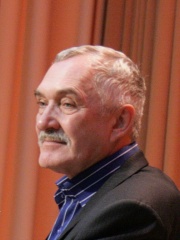
Vladimir Megre
1950 - presente
HPI: 58.93
Puesto: 3,605
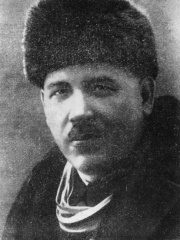
Demyan Bedny
1883 - 1945
HPI: 58.93
Puesto: 3,606
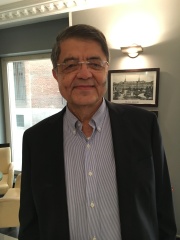
Sergio Ramírez
1942 - presente
HPI: 58.93
Puesto: 3,607
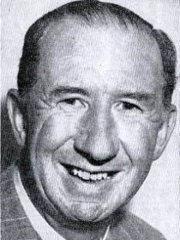
Nevil Shute
1899 - 1960
HPI: 58.93
Puesto: 3,608
Vassilis Vassilikos
1933 - 2023
HPI: 58.93
Puesto: 3,609

Brandon Sanderson
1975 - presente
HPI: 58.93
Puesto: 3,610
George Kodinos
1350 - 1401
HPI: 58.92
Puesto: 3,611
Alma Reville
1899 - 1982
HPI: 58.92
Puesto: 3,612
Ernst Jandl
1925 - 2000
HPI: 58.91
Puesto: 3,613
Buton Rinchen Drub
1290 - 1364
HPI: 58.91
Puesto: 3,614
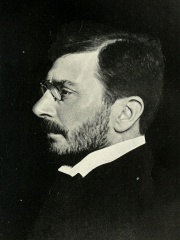
Ferdinand Brunetière
1849 - 1906
HPI: 58.91
Puesto: 3,615
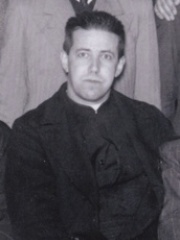
Alberto Hurtado
1901 - 1952
HPI: 58.91
Puesto: 3,616

Hwang Sok-yong
1943 - presente
HPI: 58.90
Puesto: 3,617

Contemporáneos
Entre las personas nacidas en 1350, George Kodinos ocupa el puesto 31. Antes de él están Jehuda Cresques, Rudolf VI, Margrave of Baden, Rodrigo de Jerez, Nawruz Beg, Johannes von Tepl, y Qulpa. Después de él están Maria Angelina Doukaina Palaiologina, Katherine Swynford, Alexander I of Imereti, Khizr Khan, y Alam Shah. Entre las personas fallecidas en 1401, George Kodinos ocupa el puesto 6. Antes de él están Anabella Drummond, Klaus Störtebeker, Maria, Queen of Sicily, Dinis Dias, y Vladislaus II of Opole.
Otras personas nacidas en 1350
Ver todas las clasificaciones
Jehuda Cresques
GEOGRAPHER
1350 - 1427
HPI: 61.12
Puesto: 25
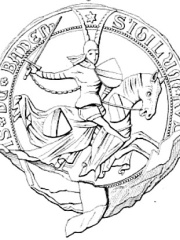
Rudolf VI, Margrave of Baden
NOBLEMAN
1350 - 1372
HPI: 61.04
Puesto: 26

Rodrigo de Jerez
EXPLORER
1350 - presente
HPI: 60.97
Puesto: 27
Nawruz Beg
POLITICIAN
1350 - 1360
HPI: 59.82
Puesto: 28
Johannes von Tepl
WRITER
1350 - 1414
HPI: 59.62
Puesto: 29
Qulpa
POLITICIAN
1350 - 1360
HPI: 59.61
Puesto: 30
George Kodinos
WRITER
1350 - 1401
HPI: 58.92
Puesto: 31
Maria Angelina Doukaina Palaiologina
POLITICIAN
1350 - 1394
HPI: 58.79
Puesto: 32
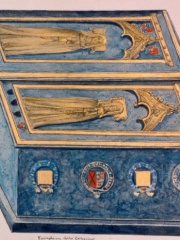
Katherine Swynford
COMPANION
1350 - 1403
HPI: 58.35
Puesto: 33
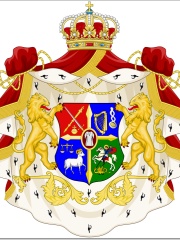
Alexander I of Imereti
NOBLEMAN
1350 - 1389
HPI: 55.70
Puesto: 34
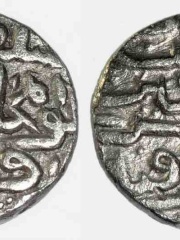
Khizr Khan
POLITICIAN
1350 - 1421
HPI: 52.56
Puesto: 35

Alam Shah
POLITICIAN
1350 - 1479
HPI: 47.61
Puesto: 36
Otras personas fallecidas en 1401
Ver todas las clasificaciones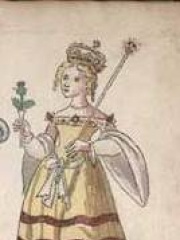
Anabella Drummond
COMPANION
1350 - 1401
HPI: 65.61
Puesto: 1
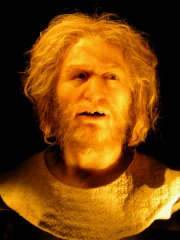
Klaus Störtebeker
SOCIAL ACTIVIST
1360 - 1401
HPI: 65.39
Puesto: 2
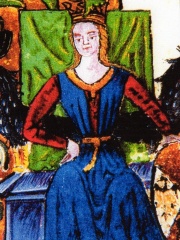
Maria, Queen of Sicily
1363 - 1401
HPI: 65.27
Puesto: 3
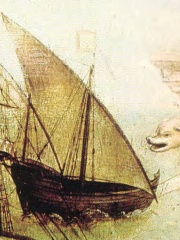
Dinis Dias
EXPLORER
HPI: 61.11
Puesto: 4
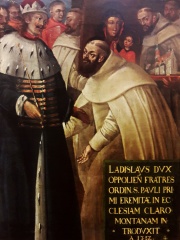
Vladislaus II of Opole
POLITICIAN
1332 - 1401
HPI: 59.62
Puesto: 5
George Kodinos
WRITER
1350 - 1401
HPI: 58.92
Puesto: 6
En Turquía
Entre las personas nacidas en Turquía, George Kodinos ocupa el puesto 976 de NaN. Antes de él están Musine Kokalari (1917), Constantine Leichoudes (1000), Hesychius of Miletus (505), Richard von Kühlmann (1873), Onesiphorus (50), y Mehmet Fuat Köprülü (1890). Después de él están Zannanza (-1350), Recep Peker (1889), Marcia Euphemia (500), Hakan Fidan (1968), Vahram Papazian (1888), y Selma Rıza (1872).
Otras personas nacidas en Turquía
Ver todas las clasificaciones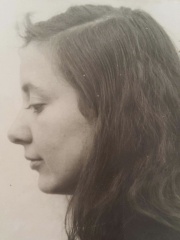
Musine Kokalari
WRITER
1917 - 1983
HPI: 58.98
Puesto: 970

Constantine Leichoudes
RELIGIOUS FIGURE
1000 - 1063
HPI: 58.98
Puesto: 971

Hesychius of Miletus
POLITICIAN
505 - 600
HPI: 58.96
Puesto: 972
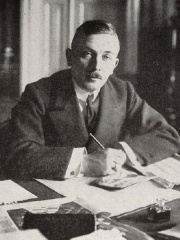
Richard von Kühlmann
POLITICIAN
1873 - 1948
HPI: 58.95
Puesto: 973
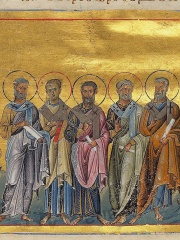
Onesiphorus
RELIGIOUS FIGURE
50 - presente
HPI: 58.94
Puesto: 974
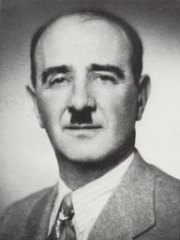
Mehmet Fuat Köprülü
POLITICIAN
1890 - 1966
HPI: 58.93
Puesto: 975
George Kodinos
WRITER
1350 - 1401
HPI: 58.92
Puesto: 976
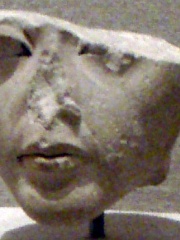
Zannanza
DIPLOMAT
1350 BC - 1320 BC
HPI: 58.91
Puesto: 977
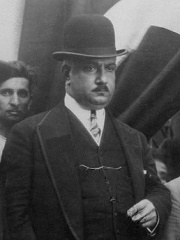
Recep Peker
POLITICIAN
1889 - 1950
HPI: 58.91
Puesto: 978
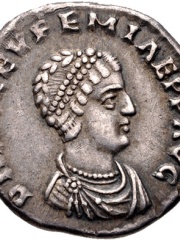
Marcia Euphemia
COMPANION
500 - 401
HPI: 58.90
Puesto: 979
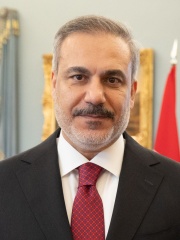
Hakan Fidan
POLITICIAN
1968 - presente
HPI: 58.88
Puesto: 980

Vahram Papazian
ACTOR
1888 - 1968
HPI: 58.87
Puesto: 981
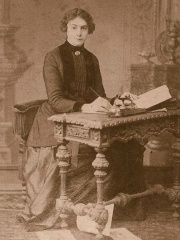
Selma Rıza
JOURNALIST
1872 - 1931
HPI: 58.85
Puesto: 982
Entre Escritor en Turquía
Entre Escritor nacidos en Turquía, George Kodinos ocupa el puesto 101. Antes de él están Nigâr Hanım (1856), İbrahim Şinasi (1826), Arctinus of Miletus (-800), Yervant Odian (1869), Nihal Atsız (1905), y Musine Kokalari (1917). Después de él están Aurora Mardiganian (1901), Marie-Joseph Chénier (1764), Orhan Veli Kanık (1914), Aphthonius of Antioch (300), Ahmet Hamdi Tanpınar (1901), y Ruben Sevak (1885).
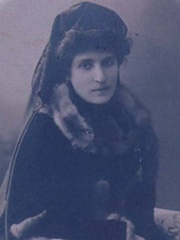
Nigâr Hanım
1856 - 1918
HPI: 59.57
Puesto: 95
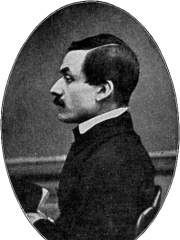
İbrahim Şinasi
1826 - 1871
HPI: 59.32
Puesto: 96

Arctinus of Miletus
800 BC - presente
HPI: 59.26
Puesto: 97
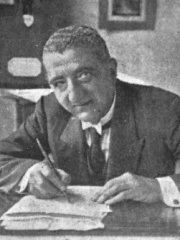
Yervant Odian
1869 - 1926
HPI: 59.19
Puesto: 98
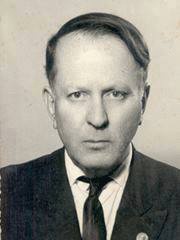
Nihal Atsız
1905 - 1975
HPI: 59.02
Puesto: 99
Musine Kokalari
1917 - 1983
HPI: 58.98
Puesto: 100
George Kodinos
1350 - 1401
HPI: 58.92
Puesto: 101
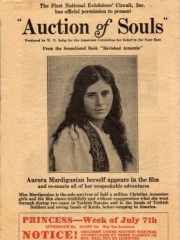
Aurora Mardiganian
1901 - 1994
HPI: 58.84
Puesto: 102
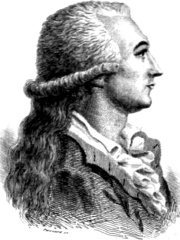
Marie-Joseph Chénier
1764 - 1811
HPI: 58.82
Puesto: 103
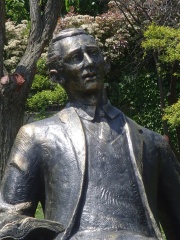
Orhan Veli Kanık
1914 - 1950
HPI: 58.71
Puesto: 104

Aphthonius of Antioch
300 - 400
HPI: 58.67
Puesto: 105
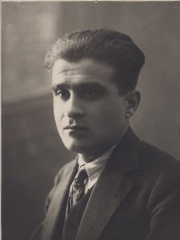
Ahmet Hamdi Tanpınar
1901 - 1962
HPI: 58.57
Puesto: 106
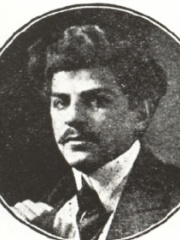
Ruben Sevak
1885 - 1915
HPI: 58.44
Puesto: 107




