Pintor
Pamphilus
390 BC - 400 BC

 Pamphilus
Sua biografia está disponível em 16 idiomas na Wikipédia (aumento em relação a 15 em 2024). Pamphilus é o 1282º pintor mais popular (caiu do 1151º em 2024), a 595ª biografia mais popular da Grécia (caiu do 527ª em 2019) e o 11º pintor mais popular da Grécia.
Métricas de memorabilidade
2.9k
Visualizações
Últimos 12 meses
59.50
HPI
Índice de Popularidade Histórica
Destaques dos dados
16
A biografia de Pamphilus abrange 16 edições de idiomas da Wikipédia e alcança um Índice de Popularidade Histórica de 59.50.
Visualizações da página de Pamphilus por idioma
Entre Pintor
Entre Pintor, Pamphilus ocupa a posição 1,282 de 2,055. Antes dele vêm Caesar van Everdingen, Charles Laval, Antonio Saura, Luca Carlevarijs, Jacob Cornelisz van Oostsanen, e John Atkinson Grimshaw. Depois dele vêm Konrad Mägi, Joseph Duplessis, Francisco Pradilla Ortiz, Ivan Marchuk, Aloïse Corbaz, e Aleksandra Beļcova.
Pintor mais populares na Wikipédia
Ver todas as classificações
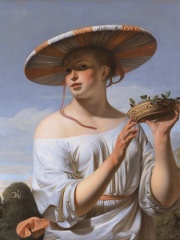
Caesar van Everdingen
1616 - 1678
HPI: 59.51
Posição: 1,276
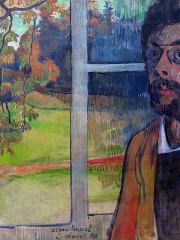
Charles Laval
1862 - 1894
HPI: 59.51
Posição: 1,277
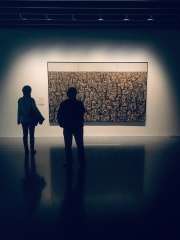
Antonio Saura
1930 - 1998
HPI: 59.51
Posição: 1,278
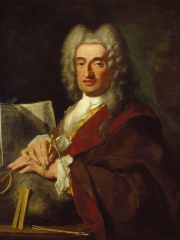
Luca Carlevarijs
1663 - 1730
HPI: 59.51
Posição: 1,279
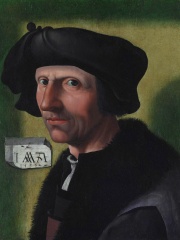
Jacob Cornelisz van Oostsanen
1472 - 1533
HPI: 59.50
Posição: 1,280

John Atkinson Grimshaw
1836 - 1893
HPI: 59.50
Posição: 1,281
Pamphilus
390 BC - 400 BC
HPI: 59.50
Posição: 1,282
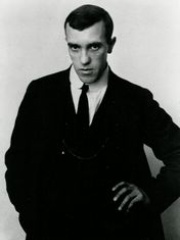
Konrad Mägi
1878 - 1925
HPI: 59.49
Posição: 1,283
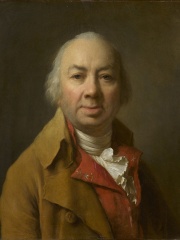
Joseph Duplessis
1725 - 1802
HPI: 59.48
Posição: 1,284
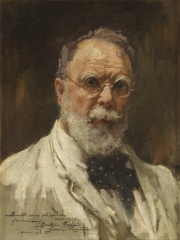
Francisco Pradilla Ortiz
1848 - 1921
HPI: 59.48
Posição: 1,285
Ivan Marchuk
1936 - presente
HPI: 59.48
Posição: 1,286
Aloïse Corbaz
1886 - 1964
HPI: 59.47
Posição: 1,287

Aleksandra Beļcova
1892 - 1981
HPI: 59.47
Posição: 1,288

Contemporâneos
Entre as pessoas nascidas em 390 BC, Pamphilus ocupa a posição 13. Antes dele vêm Hypereides, Alexander V of Macedon, Peucestas, Tiberius Coruncanius, Manius Curius Dentatus, e Jaimini. Depois dele vêm Coenus, e Dinostratus. Entre as pessoas falecidas em 400 BC, Pamphilus ocupa a posição 36. Antes dele vêm Aeneas Tacticus, Cersobleptes, Lagus, Argaeus II of Macedon, Philinna, e Euphranor. Depois dele vêm Arsinoe of Macedon, Androtion, Sosipatra, Shi Shen, Echion, e Gaius Licinius Stolo.
Outras pessoas nascidas em 390 BC
Ver todas as classificações
Hypereides
POLITICIAN
390 BC - 322 BC
HPI: 65.30
Posição: 7

Alexander V of Macedon
POLITICIAN
390 BC - 294 BC
HPI: 65.23
Posição: 8
Peucestas
MILITARY PERSONNEL
390 BC - 330 BC
HPI: 65.02
Posição: 9

Tiberius Coruncanius
POLITICIAN
390 BC - 243 BC
HPI: 62.27
Posição: 10
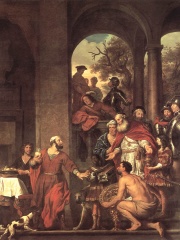
Manius Curius Dentatus
POLITICIAN
390 BC - 270 BC
HPI: 62.11
Posição: 11

Jaimini
PHILOSOPHER
390 BC - presente
HPI: 60.42
Posição: 12
Pamphilus
PAINTER
390 BC - 400 BC
HPI: 59.50
Posição: 13

Coenus
MILITARY PERSONNEL
390 BC - 326 BC
HPI: 58.76
Posição: 14

Dinostratus
MATHEMATICIAN
390 BC - 320 BC
HPI: 58.29
Posição: 15
Outras pessoas falecidas em 400 BC
Ver todas as classificações
Aeneas Tacticus
WRITER
400 BC - 400 BC
HPI: 60.25
Posição: 30

Cersobleptes
POLITICIAN
350 BC - 400 BC
HPI: 60.25
Posição: 31

Lagus
POLITICIAN
400 BC - 400 BC
HPI: 60.09
Posição: 32

Argaeus II of Macedon
POLITICIAN
500 BC - 400 BC
HPI: 60.06
Posição: 33

Philinna
POLITICIAN
400 BC - 400 BC
HPI: 59.55
Posição: 34
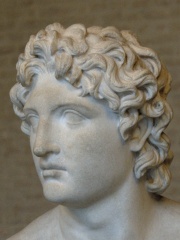
Euphranor
PAINTER
301 BC - 400 BC
HPI: 59.54
Posição: 35
Pamphilus
PAINTER
390 BC - 400 BC
HPI: 59.50
Posição: 36

Arsinoe of Macedon
POLITICIAN
350 BC - 400 BC
HPI: 59.44
Posição: 37

Androtion
POLITICIAN
500 BC - 400 BC
HPI: 59.33
Posição: 38

Sosipatra
PHILOSOPHER
400 BC - 400 BC
HPI: 59.26
Posição: 39

Shi Shen
ASTRONOMER
400 BC - 400 BC
HPI: 58.53
Posição: 40

Echion
PAINTER
350 BC - 400 BC
HPI: 58.10
Posição: 41

Gaius Licinius Stolo
POLITICIAN
400 BC - 400 BC
HPI: 56.80
Posição: 42
Em Grécia
Entre as pessoas nascidas em Grécia, Pamphilus ocupa a posição 595 de 1,135. Antes dele vêm Rhianus (-275), Ieronymos II of Athens (1938), Eudamidas III (-300), Philinna (-400), Euphranor (-301), e Theagenes of Megara (-700). Depois dele vêm Mentor of Rhodes (-380), Petros Persakis (1879), Areus II (-262), Phaenias of Eresus (-400), Andronicus of Cyrrhus (-200), e Musaeus of Athens (-500).
Outras pessoas nascidas em Grécia
Ver todas as classificações
Rhianus
WRITER
275 BC - 300 BC
HPI: 59.65
Posição: 589
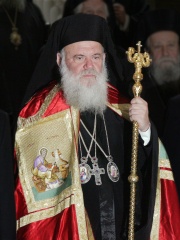
Ieronymos II of Athens
RELIGIOUS FIGURE
1938 - presente
HPI: 59.65
Posição: 590

Eudamidas III
POLITICIAN
300 BC - 300 BC
HPI: 59.63
Posição: 591
Philinna
POLITICIAN
400 BC - 400 BC
HPI: 59.55
Posição: 592
Euphranor
PAINTER
301 BC - 400 BC
HPI: 59.54
Posição: 593

Theagenes of Megara
POLITICIAN
700 BC - 600 BC
HPI: 59.51
Posição: 594
Pamphilus
PAINTER
390 BC - 400 BC
HPI: 59.50
Posição: 595

Mentor of Rhodes
SOCIAL ACTIVIST
380 BC - 340 BC
HPI: 59.44
Posição: 596

Petros Persakis
GYMNAST
1879 - 1952
HPI: 59.42
Posição: 597
Areus II
POLITICIAN
262 BC - 254 BC
HPI: 59.39
Posição: 598

Phaenias of Eresus
PHILOSOPHER
400 BC - 360 BC
HPI: 59.39
Posição: 599
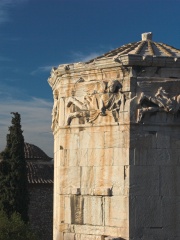
Andronicus of Cyrrhus
ASTRONOMER
200 BC - 100 BC
HPI: 59.38
Posição: 600

Musaeus of Athens
PHILOSOPHER
500 BC - presente
HPI: 59.35
Posição: 601
Entre Pintor em Grécia
Entre Pintor nascidos em Grécia, Pamphilus ocupa a posição 11. Antes dele vêm Agatharchus (-500), Achilles Painter (-470), Timarete (-420), Apollodorus (-500), Douris (-600), e Euphranor (-301). Depois dele vêm Yannis Tsarouchis (1910), Nikiforos Lytras (1832), e Thalia Flora-Karavia (1871).

Agatharchus
500 BC - 460 BC
HPI: 63.15
Posição: 5
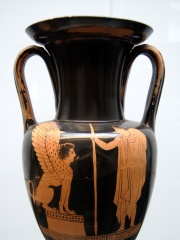
Achilles Painter
470 BC - 425 BC
HPI: 61.86
Posição: 6

Timarete
420 BC - 400 BC
HPI: 60.98
Posição: 7

Apollodorus
500 BC - 460 BC
HPI: 60.97
Posição: 8
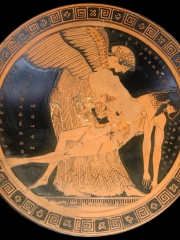
Douris
600 BC - 500 BC
HPI: 60.09
Posição: 9
Euphranor
301 BC - 400 BC
HPI: 59.54
Posição: 10
Pamphilus
390 BC - 400 BC
HPI: 59.50
Posição: 11
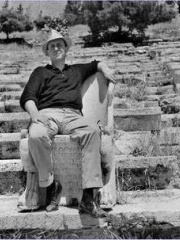
Yannis Tsarouchis
1910 - 1989
HPI: 55.69
Posição: 12
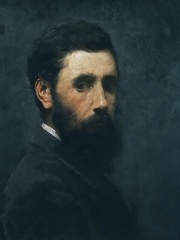
Nikiforos Lytras
1832 - 1904
HPI: 53.69
Posição: 13
Thalia Flora-Karavia
1871 - 1960
HPI: 51.94
Posição: 14




