رسام
Pamphilus
390 BC - 400 BC

 Pamphilus
سيرته الذاتية متاحة بـ16 لغة مختلفة على ويكيبيديا (زيادة من 15 في 2024). يحتل Pamphilus المرتبة 1,282 بين أكثر رسام شعبيةً (تراجعًا من 1,151 في 2024)، والمرتبة 595 بين أكثر السير الذاتية شعبيةً في اليونان (تراجعًا من 527 في 2019)، كما يحتل المرتبة 11 بين أكثر رسام من اليونان شعبيةً.
Memorability Metrics
2.9k
Page Views
Past 12 months
59.50
HPI
Historical Popularity Index
Page views of Pamphilus by language
Among رسام
Among رسام, Pamphilus ranks 1,282 out of 2,023. Before him are Caesar van Everdingen, Charles Laval, Antonio Saura, Luca Carlevarijs, Jacob Cornelisz van Oostsanen, and John Atkinson Grimshaw. After him are Konrad Mägi, Joseph Duplessis, Francisco Pradilla Ortiz, Ivan Marchuk, Aloïse Corbaz, and Aleksandra Beļcova.
Most Popular رسام in Wikipedia
Go to all Rankings
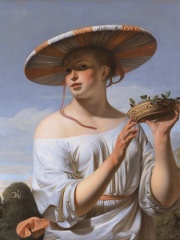
Caesar van Everdingen
1616 - 1678
HPI: 59.51
Rank: 1,276
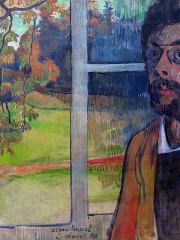
Charles Laval
1862 - 1894
HPI: 59.51
Rank: 1,277

Antonio Saura
1930 - 1998
HPI: 59.51
Rank: 1,278
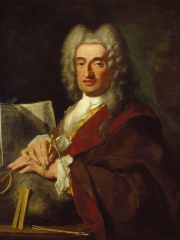
Luca Carlevarijs
1663 - 1730
HPI: 59.51
Rank: 1,279
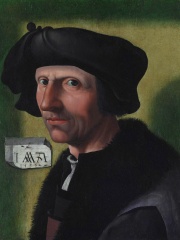
Jacob Cornelisz van Oostsanen
1472 - 1533
HPI: 59.50
Rank: 1,280

John Atkinson Grimshaw
1836 - 1893
HPI: 59.50
Rank: 1,281
Pamphilus
390 BC - 400 BC
HPI: 59.50
Rank: 1,282
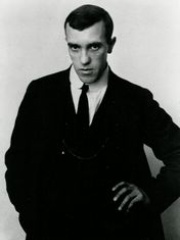
Konrad Mägi
1878 - 1925
HPI: 59.49
Rank: 1,283
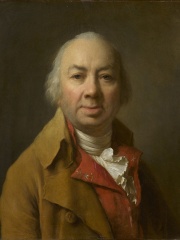
Joseph Duplessis
1725 - 1802
HPI: 59.48
Rank: 1,284
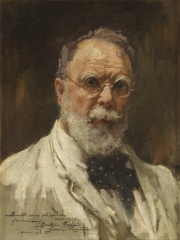
Francisco Pradilla Ortiz
1848 - 1921
HPI: 59.48
Rank: 1,285

Ivan Marchuk
1936 - Present
HPI: 59.48
Rank: 1,286
Aloïse Corbaz
1886 - 1964
HPI: 59.47
Rank: 1,287

Aleksandra Beļcova
1892 - 1981
HPI: 59.47
Rank: 1,288

Contemporaries
Among people born in 390 BC, Pamphilus ranks 13. Before him are Hypereides, Alexander V of Macedon, Peucestas, Tiberius Coruncanius, Manius Curius Dentatus, and Jaimini. After him are Coenus, and Dinostratus. Among people deceased in 400 BC, Pamphilus ranks 36. Before him are Aeneas Tacticus, Cersobleptes, Lagus, Argaeus II of Macedon, Philinna, and Euphranor. After him are Arsinoe of Macedon, Androtion, Sosipatra, Shi Shen, Echion, and Gaius Licinius Stolo.
Others Born in 390 BC
Go to all Rankings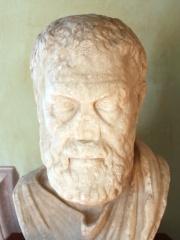
Hypereides
POLITICIAN
390 BC - 322 BC
HPI: 65.30
Rank: 7

Alexander V of Macedon
POLITICIAN
390 BC - 294 BC
HPI: 65.23
Rank: 8
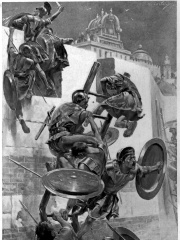
Peucestas
MILITARY PERSONNEL
390 BC - 330 BC
HPI: 65.02
Rank: 9

Tiberius Coruncanius
POLITICIAN
390 BC - 243 BC
HPI: 62.27
Rank: 10
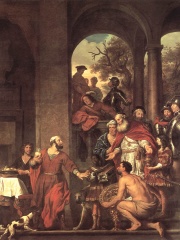
Manius Curius Dentatus
POLITICIAN
390 BC - 270 BC
HPI: 62.11
Rank: 11

Jaimini
PHILOSOPHER
390 BC - Present
HPI: 60.42
Rank: 12
Pamphilus
PAINTER
390 BC - 400 BC
HPI: 59.50
Rank: 13

Coenus
MILITARY PERSONNEL
390 BC - 326 BC
HPI: 58.76
Rank: 14

Dinostratus
MATHEMATICIAN
390 BC - 320 BC
HPI: 58.29
Rank: 15
Others Deceased in 400 BC
Go to all Rankings
Aeneas Tacticus
WRITER
400 BC - 400 BC
HPI: 60.25
Rank: 30

Cersobleptes
POLITICIAN
350 BC - 400 BC
HPI: 60.25
Rank: 31

Lagus
POLITICIAN
400 BC - 400 BC
HPI: 60.09
Rank: 32

Argaeus II of Macedon
POLITICIAN
500 BC - 400 BC
HPI: 60.06
Rank: 33

Philinna
POLITICIAN
400 BC - 400 BC
HPI: 59.55
Rank: 34
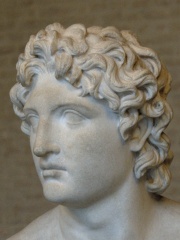
Euphranor
PAINTER
301 BC - 400 BC
HPI: 59.54
Rank: 35
Pamphilus
PAINTER
390 BC - 400 BC
HPI: 59.50
Rank: 36

Arsinoe of Macedon
POLITICIAN
350 BC - 400 BC
HPI: 59.44
Rank: 37

Androtion
POLITICIAN
500 BC - 400 BC
HPI: 59.33
Rank: 38

Sosipatra
PHILOSOPHER
400 BC - 400 BC
HPI: 59.26
Rank: 39

Shi Shen
ASTRONOMER
400 BC - 400 BC
HPI: 58.53
Rank: 40

Echion
PAINTER
350 BC - 400 BC
HPI: 58.10
Rank: 41

Gaius Licinius Stolo
POLITICIAN
400 BC - 400 BC
HPI: 56.80
Rank: 42
In اليونان
Among people born in اليونان, Pamphilus ranks 595 out of NaN. Before him are Rhianus (-275), Ieronymos II of Athens (1938), Eudamidas III (-300), Philinna (-400), Euphranor (-301), and Theagenes of Megara (-700). After him are Mentor of Rhodes (-380), Petros Persakis (1879), Areus II (-262), Phaenias of Eresus (-400), Andronicus of Cyrrhus (-200), and Musaeus of Athens (-500).
Others born in اليونان
Go to all Rankings
Rhianus
WRITER
275 BC - 300 BC
HPI: 59.65
Rank: 589
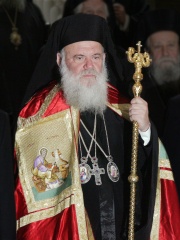
Ieronymos II of Athens
RELIGIOUS FIGURE
1938 - Present
HPI: 59.65
Rank: 590

Eudamidas III
POLITICIAN
300 BC - 300 BC
HPI: 59.63
Rank: 591
Philinna
POLITICIAN
400 BC - 400 BC
HPI: 59.55
Rank: 592
Euphranor
PAINTER
301 BC - 400 BC
HPI: 59.54
Rank: 593

Theagenes of Megara
POLITICIAN
700 BC - 600 BC
HPI: 59.51
Rank: 594
Pamphilus
PAINTER
390 BC - 400 BC
HPI: 59.50
Rank: 595

Mentor of Rhodes
SOCIAL ACTIVIST
380 BC - 340 BC
HPI: 59.44
Rank: 596

Petros Persakis
GYMNAST
1879 - 1952
HPI: 59.42
Rank: 597
Areus II
POLITICIAN
262 BC - 254 BC
HPI: 59.39
Rank: 598

Phaenias of Eresus
PHILOSOPHER
400 BC - 360 BC
HPI: 59.39
Rank: 599
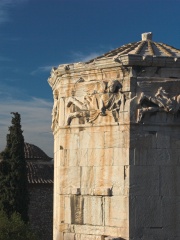
Andronicus of Cyrrhus
ASTRONOMER
200 BC - 100 BC
HPI: 59.38
Rank: 600

Musaeus of Athens
PHILOSOPHER
500 BC - Present
HPI: 59.35
Rank: 601
Among رسام In اليونان
Among رسام born in اليونان, Pamphilus ranks 11. Before him are Agatharchus (-500), Achilles Painter (-470), Timarete (-420), Apollodorus (-500), Douris (-600), and Euphranor (-301). After him are Yannis Tsarouchis (1910), Nikiforos Lytras (1832), and Thalia Flora-Karavia (1871).

Agatharchus
500 BC - 460 BC
HPI: 63.15
Rank: 5
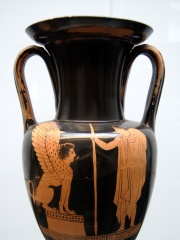
Achilles Painter
470 BC - 425 BC
HPI: 61.86
Rank: 6

Timarete
420 BC - 400 BC
HPI: 60.98
Rank: 7

Apollodorus
500 BC - 460 BC
HPI: 60.97
Rank: 8
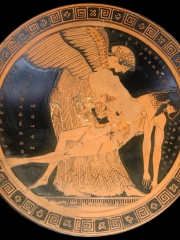
Douris
600 BC - 500 BC
HPI: 60.09
Rank: 9
Euphranor
301 BC - 400 BC
HPI: 59.54
Rank: 10
Pamphilus
390 BC - 400 BC
HPI: 59.50
Rank: 11
Yannis Tsarouchis
1910 - 1989
HPI: 55.69
Rank: 12
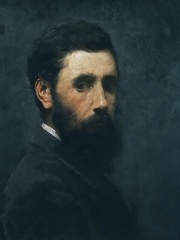
Nikiforos Lytras
1832 - 1904
HPI: 53.69
Rank: 13

Thalia Flora-Karavia
1871 - 1960
HPI: 51.94
Rank: 14




