Extremist
Mohamed Atta
Egyptian hijacker of American Airlines Flight 11.
1968 - 2001
EN.WIKIPEDIA PAGE VIEWS (PV)
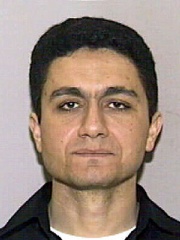
 Mohamed Atta
His biography is available in 37 different languages on Wikipedia (up from 36 in 2024). Mohamed Atta is the 55th most popular extremist (up from 196th in 2024), the 185th most popular biography from Egypt (up from 453rd in 2019) and the 2nd most popular Egyptian Extremist.
Memorability Metrics
1.1M
Page Views
Past 12 months
68.45
HPI
Historical Popularity Index
Page views of Mohamed Atta by language
Among Extremists
Among extremists, Mohamed Atta ranks 55 out of 283. Before him are Nathuram Godse, Joseph Kony, Jim Jones, Sawney Bean, William Kemmler, and Abu Nidal. After him are Butch Cassidy, Pavlik Morozov, Tex Watson, Karl Denke, Friedrich Jeckeln, and Gary Gilmore.
Most Popular Extremists in Wikipedia
Go to all Rankings
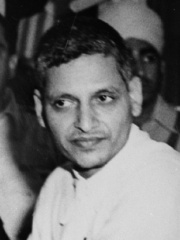
Nathuram Godse
1910 - 1949
HPI: 68.95
Rank: 49
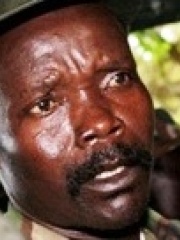
Joseph Kony
1961 - Present
HPI: 68.86
Rank: 50

Jim Jones
1931 - 1978
HPI: 68.78
Rank: 51

Sawney Bean
1600 - 1600
HPI: 68.72
Rank: 52
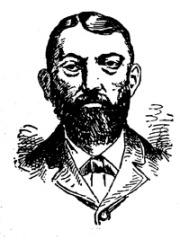
William Kemmler
1860 - 1890
HPI: 68.67
Rank: 53

Abu Nidal
1937 - 2002
HPI: 68.58
Rank: 54
Mohamed Atta
1968 - 2001
HPI: 68.45
Rank: 55

Butch Cassidy
1866 - 1908
HPI: 68.23
Rank: 56

Pavlik Morozov
1918 - 1932
HPI: 68.21
Rank: 57
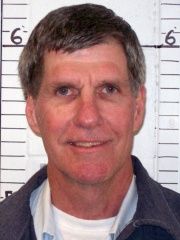
Tex Watson
1945 - Present
HPI: 68.17
Rank: 58
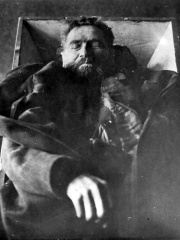
Karl Denke
1860 - 1924
HPI: 68.09
Rank: 59
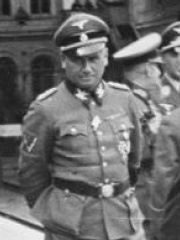
Friedrich Jeckeln
1895 - 1946
HPI: 67.94
Rank: 60
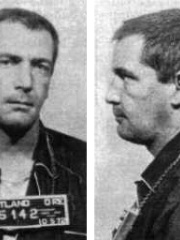
Gary Gilmore
1940 - 1977
HPI: 67.63
Rank: 61

Contemporaries
Among people born in 1968, Mohamed Atta ranks 22. Before him are Kolinda Grabar-Kitarović, Kyriakos Mitsotakis, Tito Vilanova, Brendan Fraser, Mika Häkkinen, and Susan Wojcicki. After him are Kylie Minogue, Robert Rodriguez, Naomi Watts, Fernando Hierro, Emmanuelle Charpentier, and Ukhnaagiin Khürelsükh. Among people deceased in 2001, Mohamed Atta ranks 36. Before him are Donald J. Cram, Timothy McVeigh, Masao Ono, Robert Ludlum, Carroll O'Connor, and Douglas Adams. After him are Nguyễn Văn Thiệu, Balthus, Emilie Schindler, Jacques Mayol, John Lee Hooker, and Ashok Kumar.
Others Born in 1968
Go to all Rankings
Kolinda Grabar-Kitarović
POLITICIAN
1968 - Present
HPI: 69.16
Rank: 16

Kyriakos Mitsotakis
POLITICIAN
1968 - Present
HPI: 69.03
Rank: 17

Tito Vilanova
COACH
1968 - 2014
HPI: 69.02
Rank: 18

Brendan Fraser
ACTOR
1968 - Present
HPI: 68.90
Rank: 19

Mika Häkkinen
RACING DRIVER
1968 - Present
HPI: 68.75
Rank: 20

Susan Wojcicki
POLITICIAN
1968 - 2024
HPI: 68.55
Rank: 21
Mohamed Atta
EXTREMIST
1968 - 2001
HPI: 68.45
Rank: 22

Kylie Minogue
SINGER
1968 - Present
HPI: 68.05
Rank: 23

Robert Rodriguez
FILM DIRECTOR
1968 - Present
HPI: 68.01
Rank: 24

Naomi Watts
ACTOR
1968 - Present
HPI: 67.98
Rank: 25

Fernando Hierro
SOCCER PLAYER
1968 - Present
HPI: 67.29
Rank: 26

Emmanuelle Charpentier
BIOLOGIST
1968 - Present
HPI: 67.20
Rank: 27

Ukhnaagiin Khürelsükh
POLITICIAN
1968 - Present
HPI: 67.12
Rank: 28
Others Deceased in 2001
Go to all Rankings
Donald J. Cram
CHEMIST
1919 - 2001
HPI: 69.70
Rank: 30
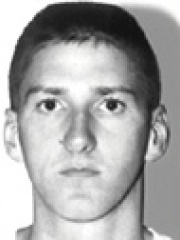
Timothy McVeigh
EXTREMIST
1968 - 2001
HPI: 69.60
Rank: 31

Masao Ono
SOCCER PLAYER
1923 - 2001
HPI: 69.55
Rank: 32
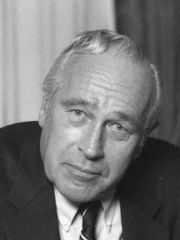
Robert Ludlum
WRITER
1927 - 2001
HPI: 69.42
Rank: 33
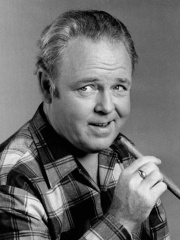
Carroll O'Connor
ACTOR
1924 - 2001
HPI: 69.10
Rank: 34
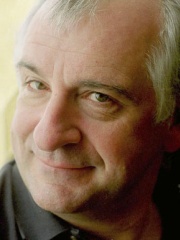
Douglas Adams
WRITER
1952 - 2001
HPI: 68.98
Rank: 35
Mohamed Atta
EXTREMIST
1968 - 2001
HPI: 68.45
Rank: 36
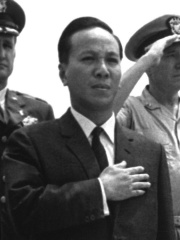
Nguyễn Văn Thiệu
POLITICIAN
1923 - 2001
HPI: 68.38
Rank: 37
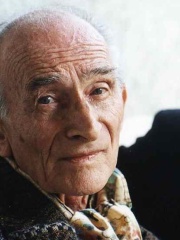
Balthus
PAINTER
1908 - 2001
HPI: 68.24
Rank: 38
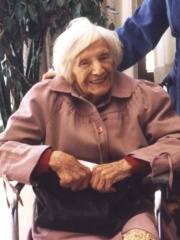
Emilie Schindler
SOCIAL ACTIVIST
1907 - 2001
HPI: 68.09
Rank: 39
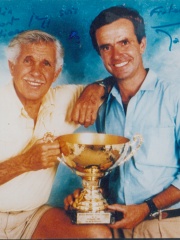
Jacques Mayol
CELEBRITY
1927 - 2001
HPI: 67.87
Rank: 40

John Lee Hooker
SINGER
1917 - 2001
HPI: 67.83
Rank: 41
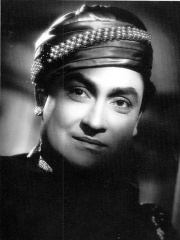
Ashok Kumar
ACTOR
1911 - 2001
HPI: 67.74
Rank: 42
In Egypt
Among people born in Egypt, Mohamed Atta ranks 185 out of NaN. Before him are Ptolemy XI Alexander II (-100), Menelaus of Alexandria (70), Senenmut (-1600), Faten Hamama (1931), Sanakht (-2700), and Amyrtaeus (-450). After him are Al-Muazzam Turanshah (1250), Saadia Gaon (882), Al-Mutawakkil III (1500), Basilides (117), Djedkare Isesi (-2500), and Nazli Sabri (1894).
Others born in Egypt
Go to all Rankings
Ptolemy XI Alexander II
POLITICIAN
100 BC - 80 BC
HPI: 68.57
Rank: 179

Menelaus of Alexandria
MATHEMATICIAN
70 - 140
HPI: 68.57
Rank: 180
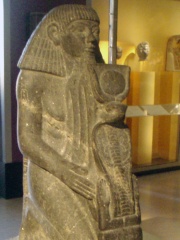
Senenmut
ARCHITECT
1600 BC - 1463 BC
HPI: 68.57
Rank: 181

Faten Hamama
ACTOR
1931 - 2015
HPI: 68.51
Rank: 182
Sanakht
POLITICIAN
2700 BC - 2715 BC
HPI: 68.50
Rank: 183
Amyrtaeus
POLITICIAN
450 BC - 399 BC
HPI: 68.49
Rank: 184
Mohamed Atta
EXTREMIST
1968 - 2001
HPI: 68.45
Rank: 185
Al-Muazzam Turanshah
POLITICIAN
1250 - 1250
HPI: 68.42
Rank: 186

Saadia Gaon
PHILOSOPHER
882 - 942
HPI: 68.42
Rank: 187

Al-Mutawakkil III
POLITICIAN
1500 - 1543
HPI: 68.42
Rank: 188

Basilides
RELIGIOUS FIGURE
117 - 140
HPI: 68.37
Rank: 189
Djedkare Isesi
POLITICIAN
2500 BC - 2380 BC
HPI: 68.29
Rank: 190
Nazli Sabri
COMPANION
1894 - 1978
HPI: 68.27
Rank: 191
Among Extremists In Egypt
Among extremists born in Egypt, Mohamed Atta ranks 2. Before him are Ayman al-Zawahiri (1951). After him are Saif al-Adel (1960), Omar Abdel-Rahman (1938), and Abu Ayyub al-Masri (1968).
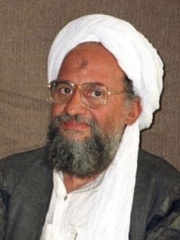
Ayman al-Zawahiri
1951 - 2022
HPI: 74.60
Rank: 1
Mohamed Atta
1968 - 2001
HPI: 68.45
Rank: 2

Saif al-Adel
1960 - Present
HPI: 63.33
Rank: 3
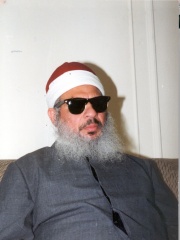
Omar Abdel-Rahman
1938 - 2017
HPI: 62.64
Rank: 4
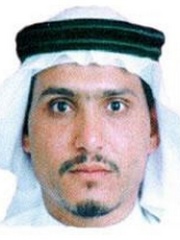
Abu Ayyub al-Masri
1968 - 2010
HPI: 59.70
Rank: 5




