Figura religiosa
Alexander of Bergamo
201 - 303
IT.WIKIPEDIA PAGE VIEWS (PV)
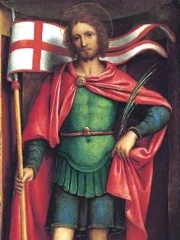
 Alexander of Bergamo
La sua biografia è disponibile in 17 lingue su Wikipedia (in aumento rispetto a 16 nel 2024). Alexander of Bergamo è il 1757° figura religiosa più popolare (in aumento dal 1830° nel 2024), la 2322ª biografia più popolare dell'Italia (in aumento dal 2626ª nel 2019) e il 422° figura religiosa più popolare dell'Italia.
Memorability Metrics
42k
Page Views
Past 12 months
62.00
HPI
Historical Popularity Index
Page views of Alexander of Bergamo by language
Among Figura religiosas
Among figura religiosas, Alexander of Bergamo ranks 1,757 out of 3,187. Before him are Jacques de Vitry, Juan García Rodríguez, Francisco Álvarez Martínez, Pietro Riario, Epaphras, and Emil Krebs. After him are Willibald, Soga no Umako, Antonio Caggiano, Josef Frings, Leo Joseph Suenens, and Felix of Nola.
Most Popular Figura Religiosas in Wikipedia
Go to all Rankings
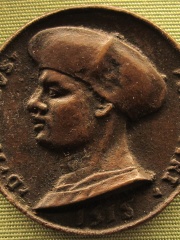
Jacques de Vitry
1170 - 1240
HPI: 62.03
Rank: 1,751
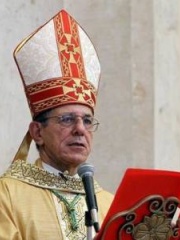
Juan García Rodríguez
1948 - Present
HPI: 62.02
Rank: 1,752
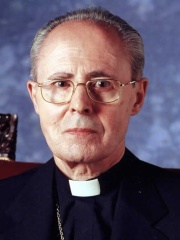
Francisco Álvarez Martínez
1925 - 2022
HPI: 62.02
Rank: 1,753
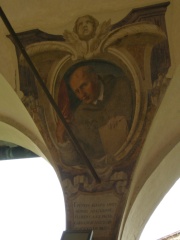
Pietro Riario
1447 - 1474
HPI: 62.02
Rank: 1,754
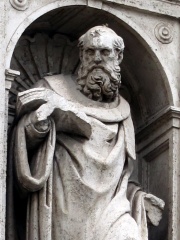
Epaphras
100 - 100
HPI: 62.00
Rank: 1,755
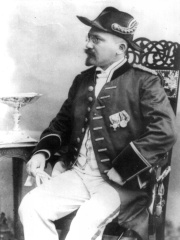
Emil Krebs
1867 - 1930
HPI: 62.00
Rank: 1,756
Alexander of Bergamo
201 - 303
HPI: 62.00
Rank: 1,757
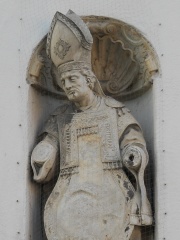
Willibald
700 - 787
HPI: 61.99
Rank: 1,758

Soga no Umako
551 - 626
HPI: 61.98
Rank: 1,759

Antonio Caggiano
1889 - 1979
HPI: 61.98
Rank: 1,760
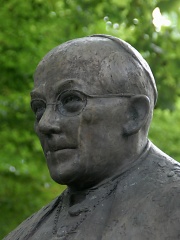
Josef Frings
1887 - 1978
HPI: 61.97
Rank: 1,761
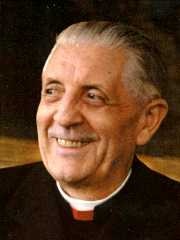
Leo Joseph Suenens
1904 - 1996
HPI: 61.97
Rank: 1,762
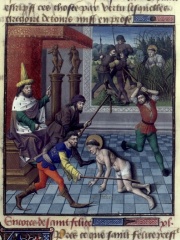
Felix of Nola
300 - 313
HPI: 61.96
Rank: 1,763

Contemporaries
Among people born in 201, Alexander of Bergamo ranks 6. Before him are Diophantus, Decius, Lucifer of Cagliari, Allectus, and Annia Faustina. After him are Anatolius of Laodicea, Romanus of Caesarea, and Ursus of Solothurn. Among people deceased in 303, Alexander of Bergamo ranks 16. Before him are Saint Chrysogonus, Procopius of Scythopolis, Fermin, Lu Ji, Victor Maurus, and Victorinus of Pettau. After him are Saint Faith, Cassian of Imola, Romanus of Caesarea, and Genesius of Rome.
Others Born in 201
Go to all Rankings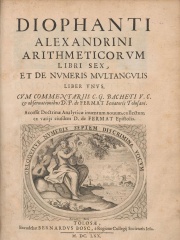
Diophantus
MATHEMATICIAN
201 - 300
HPI: 79.85
Rank: 1
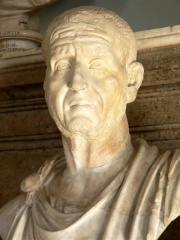
Decius
POLITICIAN
201 - 251
HPI: 78.93
Rank: 2
Lucifer of Cagliari
RELIGIOUS FIGURE
201 - 371
HPI: 65.98
Rank: 3
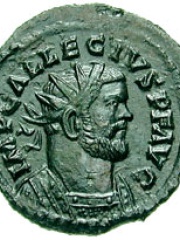
Allectus
POLITICIAN
201 - 296
HPI: 63.56
Rank: 4
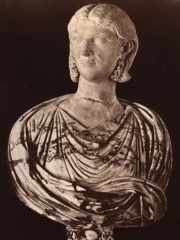
Annia Faustina
POLITICIAN
201 - 222
HPI: 63.53
Rank: 5
Alexander of Bergamo
RELIGIOUS FIGURE
201 - 303
HPI: 62.00
Rank: 6

Anatolius of Laodicea
RELIGIOUS FIGURE
201 - 283
HPI: 60.64
Rank: 7
Romanus of Caesarea
RELIGIOUS FIGURE
201 - 303
HPI: 60.35
Rank: 8
Ursus of Solothurn
RELIGIOUS FIGURE
201 - 300
HPI: 60.18
Rank: 9
Others Deceased in 303
Go to all Rankings
Saint Chrysogonus
RELIGIOUS FIGURE
250 - 303
HPI: 66.40
Rank: 10
Procopius of Scythopolis
RELIGIOUS FIGURE
250 - 303
HPI: 64.18
Rank: 11
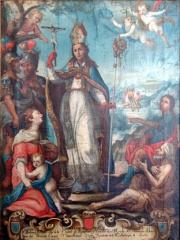
Fermin
RELIGIOUS FIGURE
272 - 303
HPI: 63.73
Rank: 12

Lu Ji
WRITER
261 - 303
HPI: 62.77
Rank: 13

Victor Maurus
RELIGIOUS FIGURE
300 - 303
HPI: 62.58
Rank: 14
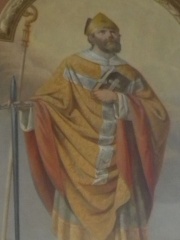
Victorinus of Pettau
WRITER
250 - 303
HPI: 62.20
Rank: 15
Alexander of Bergamo
RELIGIOUS FIGURE
201 - 303
HPI: 62.00
Rank: 16
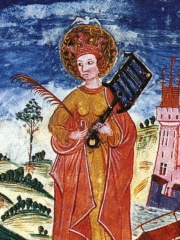
Saint Faith
RELIGIOUS FIGURE
290 - 303
HPI: 61.27
Rank: 17
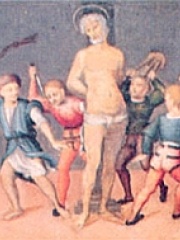
Cassian of Imola
RELIGIOUS FIGURE
240 - 303
HPI: 60.59
Rank: 18
Romanus of Caesarea
RELIGIOUS FIGURE
201 - 303
HPI: 60.35
Rank: 19
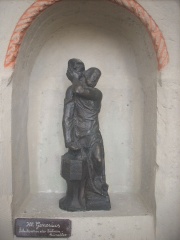
Genesius of Rome
RELIGIOUS FIGURE
250 - 303
HPI: 55.68
Rank: 20
In Italia
Among people born in Italia, Alexander of Bergamo ranks 2,322 out of NaN. Before him are Pietro Riario (1447), Lucius Domitius Ahenobarbus (-98), Constantin Hansen (1804), Lucrezia d'Este (1535), Ninetto Davoli (1948), and Laura Betti (1927). After him are Mino Raiola (1967), Louis, King of Sicily (1338), Lucilius Junior (6), William II, Duke of Apulia (1095), Giuseppe Terragni (1904), and Daniele Barbaro (1513).
Others born in Italia
Go to all RankingsPietro Riario
RELIGIOUS FIGURE
1447 - 1474
HPI: 62.02
Rank: 2,316

Lucius Domitius Ahenobarbus
POLITICIAN
98 BC - 48 BC
HPI: 62.02
Rank: 2,317
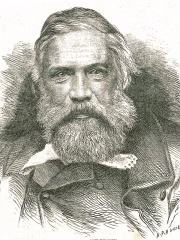
Constantin Hansen
PAINTER
1804 - 1880
HPI: 62.01
Rank: 2,318
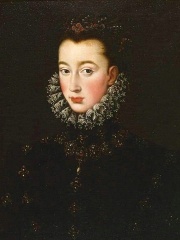
Lucrezia d'Este
NOBLEMAN
1535 - 1598
HPI: 62.01
Rank: 2,319
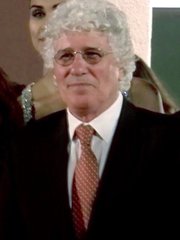
Ninetto Davoli
ACTOR
1948 - Present
HPI: 62.01
Rank: 2,320
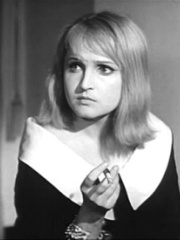
Laura Betti
ACTOR
1927 - 2004
HPI: 62.00
Rank: 2,321
Alexander of Bergamo
RELIGIOUS FIGURE
201 - 303
HPI: 62.00
Rank: 2,322
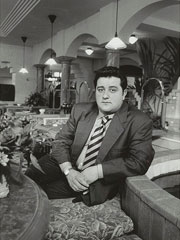
Mino Raiola
BUSINESSPERSON
1967 - 2022
HPI: 61.99
Rank: 2,323

Louis, King of Sicily
POLITICIAN
1338 - 1355
HPI: 61.99
Rank: 2,324

Lucilius Junior
WRITER
6 - 100
HPI: 61.99
Rank: 2,325

William II, Duke of Apulia
POLITICIAN
1095 - 1127
HPI: 61.98
Rank: 2,326

Giuseppe Terragni
ARCHITECT
1904 - 1943
HPI: 61.97
Rank: 2,327
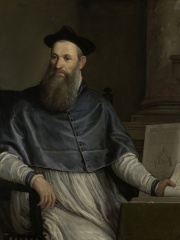
Daniele Barbaro
MATHEMATICIAN
1513 - 1570
HPI: 61.97
Rank: 2,328
Among Figura religiosas In Italia
Among figura religiosas born in Italia, Alexander of Bergamo ranks 422. Before him are Lanfranc (1005), Giuseppe Betori (1947), Teodolfo Mertel (1806), Gaspar del Bufalo (1786), Achille Silvestrini (1923), and Pietro Riario (1447). After him are Felix of Nola (300), Saint Homobonus (1117), Antonio Barberini (1607), Giovanni Morone (1509), Antonio Maria Vegliò (1938), and Emerentiana (250).
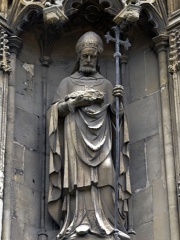
Lanfranc
1005 - 1089
HPI: 62.26
Rank: 416
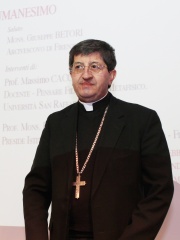
Giuseppe Betori
1947 - Present
HPI: 62.20
Rank: 417
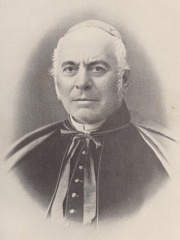
Teodolfo Mertel
1806 - 1899
HPI: 62.09
Rank: 418
Gaspar del Bufalo
1786 - 1837
HPI: 62.04
Rank: 419
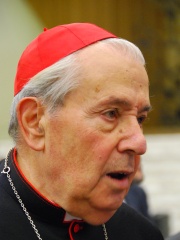
Achille Silvestrini
1923 - 2019
HPI: 62.03
Rank: 420
Pietro Riario
1447 - 1474
HPI: 62.02
Rank: 421
Alexander of Bergamo
201 - 303
HPI: 62.00
Rank: 422
Felix of Nola
300 - 313
HPI: 61.96
Rank: 423
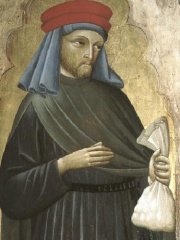
Saint Homobonus
1117 - 1197
HPI: 61.96
Rank: 424
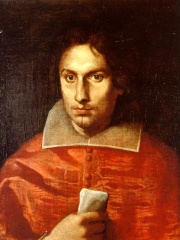
Antonio Barberini
1607 - 1671
HPI: 61.91
Rank: 425
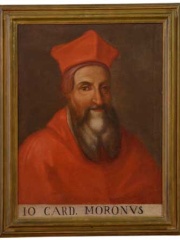
Giovanni Morone
1509 - 1580
HPI: 61.80
Rank: 426
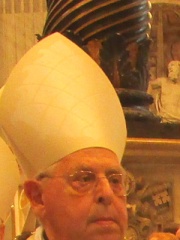
Antonio Maria Vegliò
1938 - Present
HPI: 61.77
Rank: 427
Emerentiana
250 - 304
HPI: 61.70
Rank: 428




