Скульптор
Luca della Robbia
1399 - 1482
ПРОСМОТРЫ RU.WIKIPEDIA (PV)
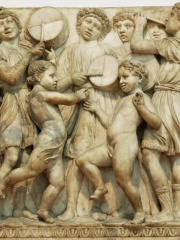
 Luca della Robbia
Его биография доступна на 38 различных языках в Википедии. Luca della Robbia занимает 23-е место среди самых популярных скульптор (снижение с 21-е места в 2024 году), занимает 778-е место среди самых популярных биографий из Италии (снижение с 749-е места в 2019 году) и занимает 6-е место среди скульптор Италия.
Метрики памятности
36k
Просмотры страниц
За последние 12 месяцев
71.48
HPI
Индекс исторической популярности
Интересные факты
#23 / 263
Luca della Robbia занимает 23-е место среди 263 Скульптор мира, входя в 9 % лучших в профессии.
Просмотры страницы Luca della Robbia по языкам
Среди представителей профессии «Скульптор»
Среди представителей профессии «Скульптор» Luca della Robbia занимает 23-е место из 263. Перед ним идут Scopas, Józef Gosławski, Jacopo Sansovino, Nicola Pisano, Marie Tussaud, и Henry Moore. После него идут Andrea Pisano, Alexander Calder, Alessandro Algardi, Giovanni Pisano, Alexander Archipenko, и Rosa Bonheur.
Самые популярные в Википедии: Скульптор
Все рейтинги
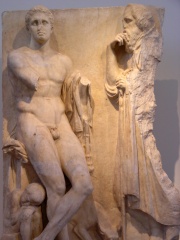
Scopas
395 BC - 350 BC
HPI: 72.92
Место: 17
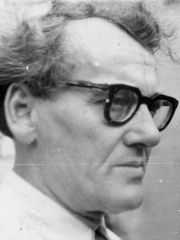
Józef Gosławski
1908 - 1963
HPI: 72.75
Место: 18
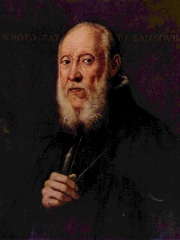
Jacopo Sansovino
1486 - 1570
HPI: 71.91
Место: 19
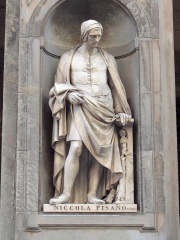
Nicola Pisano
1225 - 1284
HPI: 71.85
Место: 20
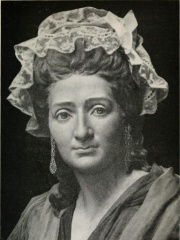
Marie Tussaud
1761 - 1850
HPI: 71.80
Место: 21
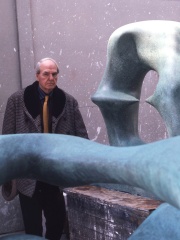
Henry Moore
1898 - 1986
HPI: 71.61
Место: 22
Luca della Robbia
1399 - 1482
HPI: 71.48
Место: 23
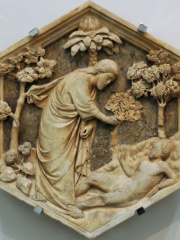
Andrea Pisano
1290 - 1348
HPI: 71.40
Место: 24
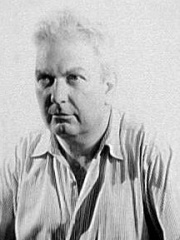
Alexander Calder
1898 - 1976
HPI: 71.36
Место: 25
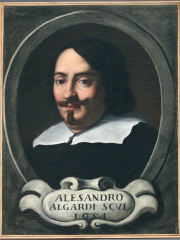
Alessandro Algardi
1595 - 1654
HPI: 70.95
Место: 26
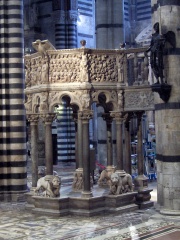
Giovanni Pisano
1248 - 1315
HPI: 70.18
Место: 27
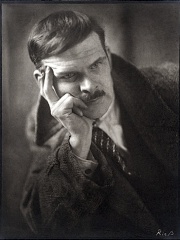
Alexander Archipenko
1887 - 1964
HPI: 70.15
Место: 28
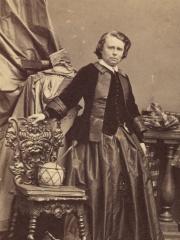
Rosa Bonheur
1822 - 1899
HPI: 69.70
Место: 29

Современники
Среди людей, родившихся в 1399 году, Luca della Robbia занимает 2-е место. Перед ним идёт Xuande Emperor. После него идут John, Count of Angoulême, Zara Yaqob, Nicolò Tron, и Sophia of Montferrat. Среди людей, умерших в 1482 году, Luca della Robbia занимает 4-е место. Перед ним идут Mary of Burgundy, Hugo van der Goes, и Margaret of Anjou. После него идут Paolo dal Pozzo Toscanelli, Federico da Montefeltro, Lucrezia Tornabuoni, Philibert I, Duke of Savoy, Gedik Ahmed Pasha, William III, Landgrave of Thuringia, Abd-al-Razzāq Samarqandī, и Louis of Cyprus.
Другие люди, родившиеся в 1399 году
Все рейтинги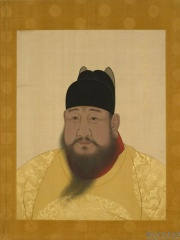
Xuande Emperor
POLITICIAN
1399 - 1435
HPI: 73.92
Место: 1
Luca della Robbia
SCULPTOR
1399 - 1482
HPI: 71.48
Место: 2
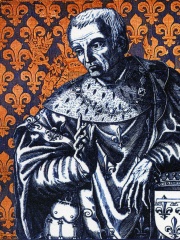
John, Count of Angoulême
NOBLEMAN
1399 - 1467
HPI: 64.19
Место: 3
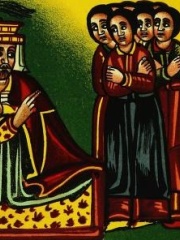
Zara Yaqob
RELIGIOUS FIGURE
1399 - 1468
HPI: 60.16
Место: 4
Nicolò Tron
POLITICIAN
1399 - 1473
HPI: 59.79
Место: 5

Sophia of Montferrat
POLITICIAN
1399 - 1434
HPI: 59.45
Место: 6
Другие люди, умершие в 1482 году
Все рейтинги
Mary of Burgundy
POLITICIAN
1457 - 1482
HPI: 78.56
Место: 1
Hugo van der Goes
PAINTER
1440 - 1482
HPI: 72.83
Место: 2
Margaret of Anjou
POLITICIAN
1430 - 1482
HPI: 72.23
Место: 3
Luca della Robbia
SCULPTOR
1399 - 1482
HPI: 71.48
Место: 4
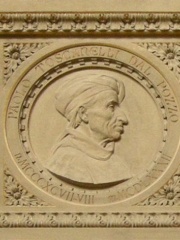
Paolo dal Pozzo Toscanelli
ASTRONOMER
1397 - 1482
HPI: 71.41
Место: 5
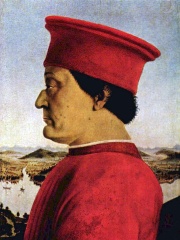
Federico da Montefeltro
MILITARY PERSONNEL
1422 - 1482
HPI: 70.86
Место: 6
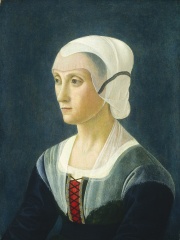
Lucrezia Tornabuoni
WRITER
1427 - 1482
HPI: 67.57
Место: 7
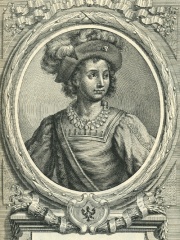
Philibert I, Duke of Savoy
NOBLEMAN
1465 - 1482
HPI: 65.85
Место: 8

Gedik Ahmed Pasha
POLITICIAN
1450 - 1482
HPI: 65.81
Место: 9
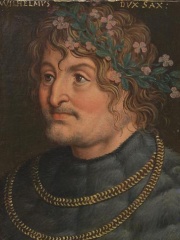
William III, Landgrave of Thuringia
NOBLEMAN
1425 - 1482
HPI: 65.74
Место: 10

Abd-al-Razzāq Samarqandī
HISTORIAN
1413 - 1482
HPI: 64.80
Место: 11
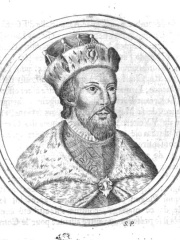
Louis of Cyprus
POLITICIAN
1436 - 1482
HPI: 64.30
Место: 12
В стране Италия
Среди людей, родившихся в стране Италия, Luca della Robbia занимает 778-е место из 5,905. Перед ним идут Angela Merici (1474), Luca Giordano (1634), Faustina the Younger (125), Gianluigi Buffon (1978), Lucius Aemilius Paullus Macedonicus (-229), и Aulus Gellius (123). После него идут Victor Emmanuel I of Sardinia (1759), Agathocles of Syracuse (-361), Ottorino Respighi (1879), Vittorio Emanuele Orlando (1860), Peter Lombard (1096), и Andrea del Castagno (1420).
Другие люди, родившиеся в стране Италия
Все рейтинги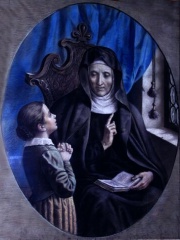
Angela Merici
RELIGIOUS FIGURE
1474 - 1540
HPI: 71.57
Место: 772
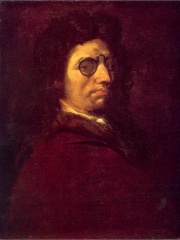
Luca Giordano
PAINTER
1634 - 1705
HPI: 71.57
Место: 773
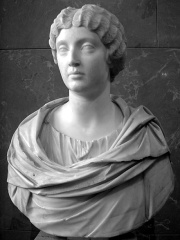
Faustina the Younger
POLITICIAN
125 - 175
HPI: 71.53
Место: 774
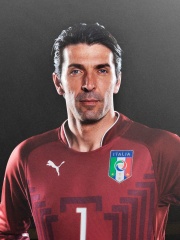
Gianluigi Buffon
SOCCER PLAYER
1978 - наст. время
HPI: 71.52
Место: 775
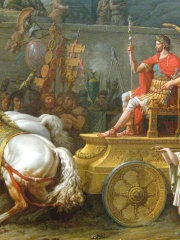
Lucius Aemilius Paullus Macedonicus
MILITARY PERSONNEL
229 BC - 160 BC
HPI: 71.51
Место: 776

Aulus Gellius
WRITER
123 - 180
HPI: 71.50
Место: 777
Luca della Robbia
SCULPTOR
1399 - 1482
HPI: 71.48
Место: 778
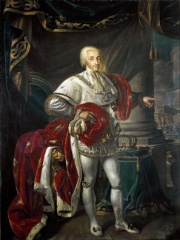
Victor Emmanuel I of Sardinia
POLITICIAN
1759 - 1824
HPI: 71.47
Место: 779
Agathocles of Syracuse
POLITICIAN
361 BC - 289 BC
HPI: 71.47
Место: 780
Ottorino Respighi
COMPOSER
1879 - 1936
HPI: 71.47
Место: 781
Vittorio Emanuele Orlando
POLITICIAN
1860 - 1952
HPI: 71.44
Место: 782
Peter Lombard
RELIGIOUS FIGURE
1096 - 1160
HPI: 71.43
Место: 783
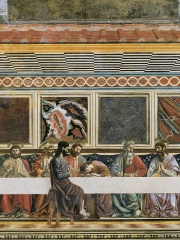
Andrea del Castagno
PAINTER
1420 - 1457
HPI: 71.42
Место: 784
Среди представителей профессии «Скульптор» в стране Италия
Среди представителей профессии «Скульптор», родившихся в стране Италия, Luca della Robbia занимает 6-е место. Перед ним идут Benvenuto Cellini (1500), Lorenzo Ghiberti (1378), Antonio Canova (1757), Jacopo Sansovino (1486), и Nicola Pisano (1225). После него идут Andrea Pisano (1290), Alessandro Algardi (1595), Giovanni Pisano (1248), Jacopo della Quercia (1374), Andrea della Robbia (1435), и Bonanno Pisano (1150).
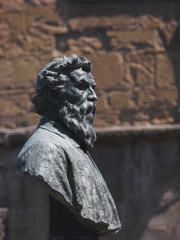
Benvenuto Cellini
1500 - 1571
HPI: 76.99
Место: 1
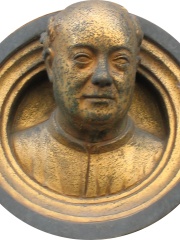
Lorenzo Ghiberti
1378 - 1455
HPI: 76.50
Место: 2
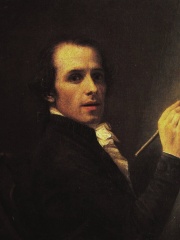
Antonio Canova
1757 - 1822
HPI: 76.37
Место: 3
Jacopo Sansovino
1486 - 1570
HPI: 71.91
Место: 4
Nicola Pisano
1225 - 1284
HPI: 71.85
Место: 5
Luca della Robbia
1399 - 1482
HPI: 71.48
Место: 6
Andrea Pisano
1290 - 1348
HPI: 71.40
Место: 7
Alessandro Algardi
1595 - 1654
HPI: 70.95
Место: 8
Giovanni Pisano
1248 - 1315
HPI: 70.18
Место: 9
Jacopo della Quercia
1374 - 1438
HPI: 68.13
Место: 10
Andrea della Robbia
1435 - 1525
HPI: 66.69
Место: 11

Bonanno Pisano
1150 - 1150
HPI: 65.74
Место: 12




