Calciatore
Ditmar Jakobs
1953 - presente
VISUALIZZAZIONI SU IT.WIKIPEDIA (PV)

 Ditmar Jakobs
La sua biografia è disponibile in 24 lingue su Wikipedia (in aumento rispetto a 23 nel 2024). Ditmar Jakobs è il 2446° calciatore più popolare (in aumento dal 3086° nel 2024), la 4344ª biografia più popolare della Germania (in aumento dal 4733ª nel 2019) e il 169° calciatore più popolare della Germania.
Metriche di memorabilità
38k
Visualizzazioni
Ultimi 12 mesi
57.08
HPI
Indice di popolarità storica
Dati in evidenza
24
La biografia di Ditmar Jakobs copre 24 edizioni linguistiche di Wikipedia e ottiene un Indice di Popolarità Storica di 57.08.
Visualizzazioni della pagina di Ditmar Jakobs per lingua
Tra Calciatore
Tra Calciatore, Ditmar Jakobs occupa la posizione 2,442 su 24,321. Prima di lui ci sono Flávio Conceição, Silviu Bindea, Wolfgang Kleff, František Šterc, Plácido Galindo, e Gabriel Alonso. Dopo di lui ci sono Hans Mock, Ziad Tlemçani, Christian Ziege, Danilo, Rigobert Song, e Robert Körner.
Calciatore più popolari su Wikipedia
Vai a tutte le classifiche

Flávio Conceição
1974 - presente
HPI: 57.10
Posizione: 2,440

Silviu Bindea
1912 - 1992
HPI: 57.10
Posizione: 2,441

Wolfgang Kleff
1946 - presente
HPI: 57.10
Posizione: 2,442

František Šterc
1912 - 1978
HPI: 57.09
Posizione: 2,443

Plácido Galindo
1906 - 1988
HPI: 57.09
Posizione: 2,444

Gabriel Alonso
1923 - 1996
HPI: 57.09
Posizione: 2,445
Ditmar Jakobs
1953 - presente
HPI: 57.08
Posizione: 2,446

Hans Mock
1906 - 1982
HPI: 57.08
Posizione: 2,447

Ziad Tlemçani
1963 - presente
HPI: 57.08
Posizione: 2,448
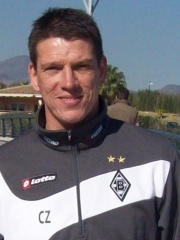
Christian Ziege
1972 - presente
HPI: 57.08
Posizione: 2,449
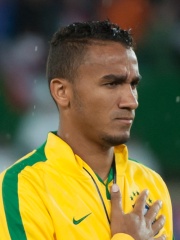
Danilo
1991 - presente
HPI: 57.08
Posizione: 2,450
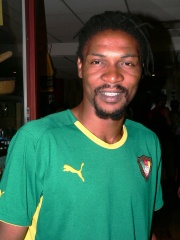
Rigobert Song
1976 - presente
HPI: 57.08
Posizione: 2,451

Robert Körner
1924 - 1989
HPI: 57.08
Posizione: 2,452

Contemporanei
Tra le persone nate nel 1953, Ditmar Jakobs occupa la posizione 299. Prima di lui ci sono Ho Ching, Patrick Doyle, Pia Zadora, Kvitka Cisyk, Mike Espy, e David Deutsch. Dopo di lui ci sono Hwang Woo-suk, Oliver Ivanović, Zoltán Magyar, Ladislav Jurkemik, Adam Sandurski, e Kurt Fuller.
Altre persone nate nel 1953
Vai a tutte le classifiche
Ho Ching
POLITICIAN
1953 - presente
HPI: 57.18
Posizione: 293
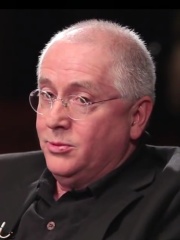
Patrick Doyle
COMPOSER
1953 - presente
HPI: 57.17
Posizione: 294
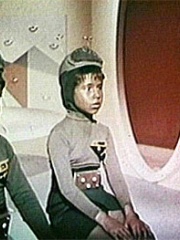
Pia Zadora
ACTOR
1953 - presente
HPI: 57.16
Posizione: 295
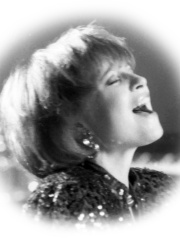
Kvitka Cisyk
SINGER
1953 - 1998
HPI: 57.14
Posizione: 296
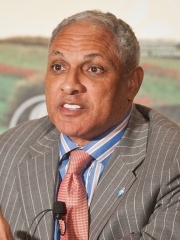
Mike Espy
POLITICIAN
1953 - presente
HPI: 57.13
Posizione: 297
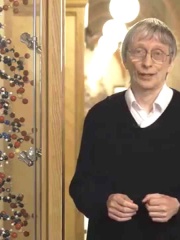
David Deutsch
PHYSICIST
1953 - presente
HPI: 57.11
Posizione: 298
Ditmar Jakobs
SOCCER PLAYER
1953 - presente
HPI: 57.08
Posizione: 299

Hwang Woo-suk
BIOLOGIST
1953 - presente
HPI: 57.06
Posizione: 300
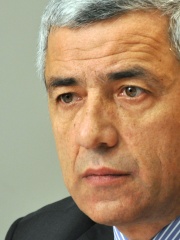
Oliver Ivanović
POLITICIAN
1953 - 2018
HPI: 56.88
Posizione: 301
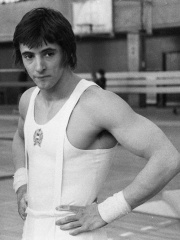
Zoltán Magyar
GYMNAST
1953 - presente
HPI: 56.86
Posizione: 302

Ladislav Jurkemik
SOCCER PLAYER
1953 - presente
HPI: 56.86
Posizione: 303
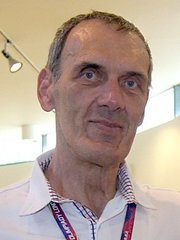
Adam Sandurski
WRESTLER
1953 - 2026
HPI: 56.80
Posizione: 304
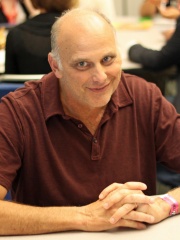
Kurt Fuller
ACTOR
1953 - presente
HPI: 56.76
Posizione: 305
In Germania
Tra le persone nate in Germania, Ditmar Jakobs occupa la posizione 4,344 su 8,184. Prima di lui ci sono Wolfgang Kleff (1946), Heinrich Kayser (1853), Adam Lonicer (1528), Emil Rausch (1883), Max Dessoir (1867), e Klaus Doldinger (1936). Dopo di lui ci sono Gertrude of Brunswick (1060), Georg Anton Friedrich Ast (1778), Karl Klindworth (1830), Christian Ziege (1972), Gottfried Arnold (1665), e Eva Renzi (1944).
Altre persone nate in Germania
Vai a tutte le classificheWolfgang Kleff
SOCCER PLAYER
1946 - presente
HPI: 57.10
Posizione: 4,338
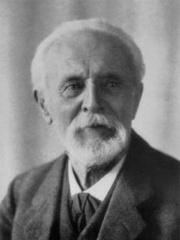
Heinrich Kayser
PHYSICIST
1853 - 1940
HPI: 57.09
Posizione: 4,339
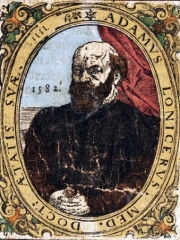
Adam Lonicer
BIOLOGIST
1528 - 1586
HPI: 57.09
Posizione: 4,340
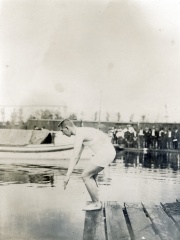
Emil Rausch
SWIMMER
1883 - 1954
HPI: 57.09
Posizione: 4,341
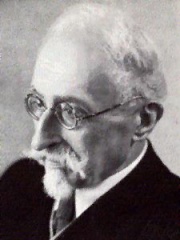
Max Dessoir
PHILOSOPHER
1867 - 1947
HPI: 57.09
Posizione: 4,342
Klaus Doldinger
MUSICIAN
1936 - 2025
HPI: 57.09
Posizione: 4,343
Ditmar Jakobs
SOCCER PLAYER
1953 - presente
HPI: 57.08
Posizione: 4,344
Gertrude of Brunswick
POLITICIAN
1060 - 1117
HPI: 57.08
Posizione: 4,345

Georg Anton Friedrich Ast
PHILOSOPHER
1778 - 1841
HPI: 57.08
Posizione: 4,346
Karl Klindworth
COMPOSER
1830 - 1916
HPI: 57.08
Posizione: 4,347
Christian Ziege
SOCCER PLAYER
1972 - presente
HPI: 57.08
Posizione: 4,348
Gottfried Arnold
HISTORIAN
1665 - 1714
HPI: 57.08
Posizione: 4,349
Eva Renzi
ACTOR
1944 - 2005
HPI: 57.08
Posizione: 4,350
Tra Calciatore in Germania
Tra Calciatore nati in Germania, Ditmar Jakobs occupa la posizione 169. Prima di lui ci sono Friedel Lutz (1939), İlhan Mansız (1975), Martin Hoffmann (1955), Stefan Kuntz (1962), Heinz Kubsch (1930), e Wolfgang Kleff (1946). Dopo di lui ci sono Christian Ziege (1972), Josef Gauchel (1916), Günter Bernard (1939), Manfred Burgsmüller (1949), Peter Dietrich (1944), e Hans-Jürgen Dörner (1951).

Friedel Lutz
1939 - 2023
HPI: 57.35
Posizione: 163

İlhan Mansız
1975 - presente
HPI: 57.34
Posizione: 164

Martin Hoffmann
1955 - presente
HPI: 57.23
Posizione: 165
Stefan Kuntz
1962 - presente
HPI: 57.19
Posizione: 166

Heinz Kubsch
1930 - 1993
HPI: 57.16
Posizione: 167
Wolfgang Kleff
1946 - presente
HPI: 57.10
Posizione: 168
Ditmar Jakobs
1953 - presente
HPI: 57.08
Posizione: 169
Christian Ziege
1972 - presente
HPI: 57.08
Posizione: 170

Josef Gauchel
1916 - 1963
HPI: 57.01
Posizione: 171
Günter Bernard
1939 - presente
HPI: 56.99
Posizione: 172

Manfred Burgsmüller
1949 - 2019
HPI: 56.96
Posizione: 173

Peter Dietrich
1944 - presente
HPI: 56.93
Posizione: 174
Hans-Jürgen Dörner
1951 - 2022
HPI: 56.92
Posizione: 175




