Malarz
Gyula Benczúr
1844 - 1920
WYŚWIETLENIA PL.WIKIPEDIA (PV)
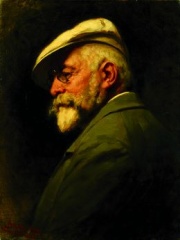
 Gyula Benczúr
Jego biografia jest dostępna w 22 różnych językach w Wikipedii (wzrost z 20 w 2024 roku). Gyula Benczúr jest 943. najpopularniejszym malarz (wzrost z 1242. w 2024 roku), 290. najpopularniejszą biografią Węgry (wzrost z 346. w 2019 roku) oraz 5. najpopularniejszym malarz Węgry.
Wskaźniki rozpoznawalności
17k
Wyświetlenia strony
Ostatnie 12 miesięcy
61.66
HPI
Indeks historycznej popularności
Wyświetlenia strony Gyula Benczúr według języka
Wśród przedstawicieli zawodu Malarz
Wśród przedstawicieli zawodu „Malarz” Gyula Benczúr zajmuje 943. miejsce na 2,023. Przed nim są Henri Le Sidaner, Paul Émile Chabas, Wilhelm Leibl, Pan Yuliang, Gerhard von Kügelgen, i Bertha Wegmann. Po nim są Anne Vallayer-Coster, Master Francke, Oda Krohg, Georg Flegel, Jacques-Laurent Agasse, i Herri met de Bles.
Najpopularniejsi w Wikipedii: Malarz
Zobacz wszystkie rankingi
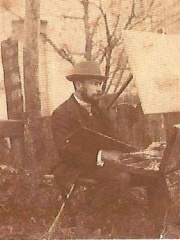
Henri Le Sidaner
1862 - 1939
HPI: 61.71
Miejsce: 937
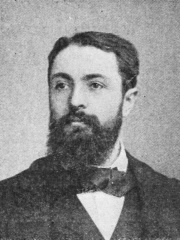
Paul Émile Chabas
1869 - 1937
HPI: 61.69
Miejsce: 938
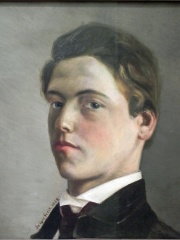
Wilhelm Leibl
1844 - 1900
HPI: 61.69
Miejsce: 939
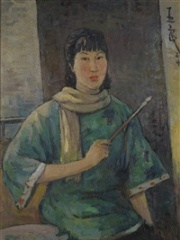
Pan Yuliang
1895 - 1977
HPI: 61.68
Miejsce: 940
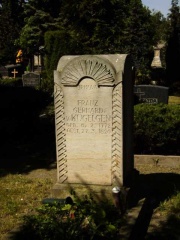
Gerhard von Kügelgen
1772 - 1820
HPI: 61.68
Miejsce: 941
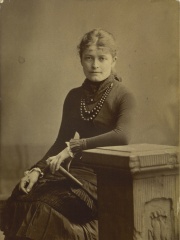
Bertha Wegmann
1847 - 1926
HPI: 61.67
Miejsce: 942
Gyula Benczúr
1844 - 1920
HPI: 61.66
Miejsce: 943
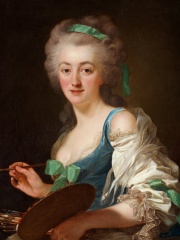
Anne Vallayer-Coster
1744 - 1818
HPI: 61.66
Miejsce: 944
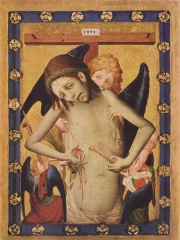
Master Francke
1380 - 1435
HPI: 61.65
Miejsce: 945
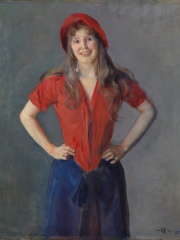
Oda Krohg
1860 - 1935
HPI: 61.65
Miejsce: 946
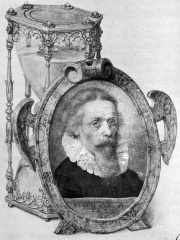
Georg Flegel
1566 - 1638
HPI: 61.65
Miejsce: 947
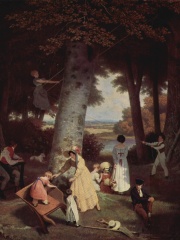
Jacques-Laurent Agasse
1767 - 1849
HPI: 61.65
Miejsce: 948
Herri met de Bles
1480 - 1555
HPI: 61.64
Miejsce: 949

Współcześni
Wśród osób urodzonych w 1844 roku Gyula Benczúr zajmuje 52. miejsce. Przed nim są Anna Lea Merritt, Jenny Longuet, Joshua Slocum, Lujo Brentano, Wilhelm Leibl, i Édouard Branly. Po nim są Princess Françoise of Orléans, Carl Hagenbeck, Catherine Breshkovsky, Ivan Yarkovsky, Charles Augustus, Hereditary Grand Duke of Saxe-Weimar-Eisenach, i Béhanzin. Wśród osób zmarłych w 1920 roku Gyula Benczúr zajmuje 50. miejsce. Przed nim są Germanus V of Constantinople, Jacob Schiff, Matthías Jochumsson, Joseph Trumpeldor, Paul Adam, i Nikolai Korotkov. Po nim są Hermann von Struve, Hector Hodler, Moritz Cantor, Afonso, Duke of Porto, Richard Dehmel, i Arthur Johnson.
Inne osoby urodzone w 1844 roku
Zobacz wszystkie rankingi
Anna Lea Merritt
PAINTER
1844 - 1930
HPI: 62.36
Miejsce: 46
Jenny Longuet
POLITICIAN
1844 - 1883
HPI: 62.26
Miejsce: 47
Joshua Slocum
EXPLORER
1844 - 1909
HPI: 62.15
Miejsce: 48
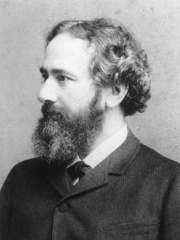
Lujo Brentano
ECONOMIST
1844 - 1931
HPI: 62.00
Miejsce: 49
Wilhelm Leibl
PAINTER
1844 - 1900
HPI: 61.69
Miejsce: 50
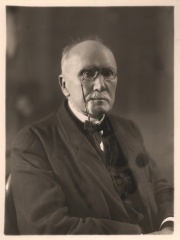
Édouard Branly
INVENTOR
1844 - 1940
HPI: 61.68
Miejsce: 51
Gyula Benczúr
PAINTER
1844 - 1920
HPI: 61.66
Miejsce: 52
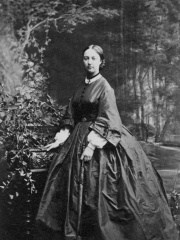
Princess Françoise of Orléans
POLITICIAN
1844 - 1925
HPI: 61.64
Miejsce: 53
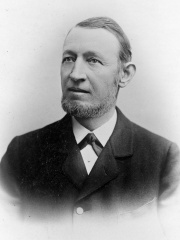
Carl Hagenbeck
BIOLOGIST
1844 - 1913
HPI: 61.60
Miejsce: 54
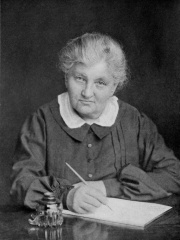
Catherine Breshkovsky
SOCIAL ACTIVIST
1844 - 1934
HPI: 61.19
Miejsce: 55
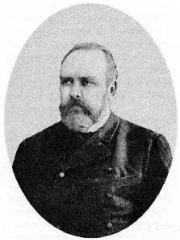
Ivan Yarkovsky
ENGINEER
1844 - 1902
HPI: 60.91
Miejsce: 56
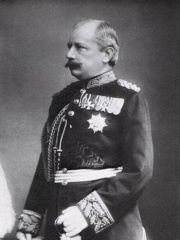
Charles Augustus, Hereditary Grand Duke of Saxe-Weimar-Eisenach
POLITICIAN
1844 - 1894
HPI: 60.51
Miejsce: 57
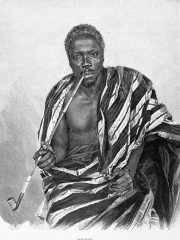
Béhanzin
POLITICIAN
1844 - 1906
HPI: 60.49
Miejsce: 58
Inne osoby zmarłe w 1920 roku
Zobacz wszystkie rankingi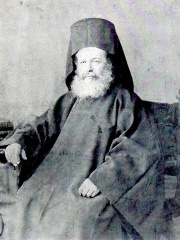
Germanus V of Constantinople
RELIGIOUS FIGURE
1835 - 1920
HPI: 62.33
Miejsce: 44
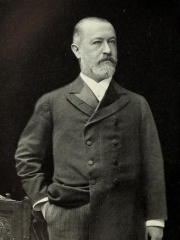
Jacob Schiff
POLITICIAN
1847 - 1920
HPI: 62.15
Miejsce: 45
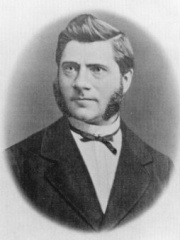
Matthías Jochumsson
WRITER
1835 - 1920
HPI: 62.14
Miejsce: 46
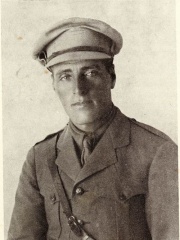
Joseph Trumpeldor
MILITARY PERSONNEL
1880 - 1920
HPI: 62.12
Miejsce: 47
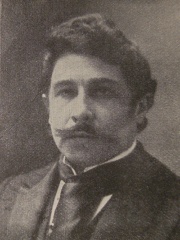
Paul Adam
WRITER
1862 - 1920
HPI: 62.06
Miejsce: 48
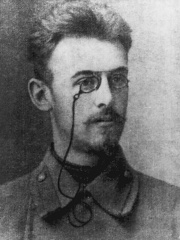
Nikolai Korotkov
PHYSICIAN
1874 - 1920
HPI: 61.97
Miejsce: 49
Gyula Benczúr
PAINTER
1844 - 1920
HPI: 61.66
Miejsce: 50
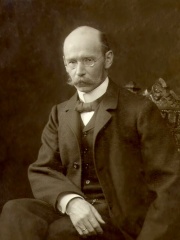
Hermann von Struve
ASTRONOMER
1854 - 1920
HPI: 61.37
Miejsce: 51
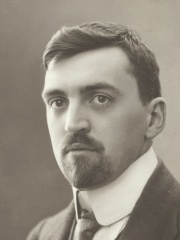
Hector Hodler
SOCIAL ACTIVIST
1887 - 1920
HPI: 61.30
Miejsce: 52
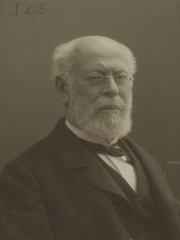
Moritz Cantor
HISTORIAN
1829 - 1920
HPI: 61.27
Miejsce: 53
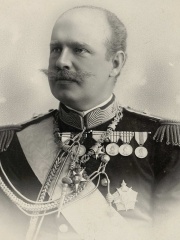
Afonso, Duke of Porto
NOBLEMAN
1865 - 1920
HPI: 60.73
Miejsce: 54
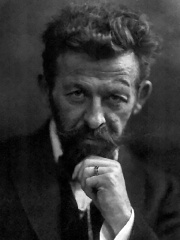
Richard Dehmel
WRITER
1863 - 1920
HPI: 60.61
Miejsce: 55
Arthur Johnson
SOCCER PLAYER
1879 - 1920
HPI: 60.60
Miejsce: 56
W kraju Węgry
Wśród osób urodzonych w kraju Węgry Gyula Benczúr zajmuje 290. miejsce na NaN. Przed nim są Carl Flesch (1873), Ferenc Krausz (1962), Andre DeToth (1913), Miloš Crnjanski (1893), Antal Doráti (1906), i Maximilian de Angelis (1889). Po nim są Philip de László (1869), Rezső Seress (1889), Katalin Novák (1977), Frigyes Riesz (1880), Nándor Dáni (1871), i Béni Kállay (1839).
Inne osoby urodzone w kraju Węgry
Zobacz wszystkie rankingi
Carl Flesch
MUSICIAN
1873 - 1944
HPI: 61.85
Miejsce: 284
Ferenc Krausz
PHYSICIST
1962 - obecnie
HPI: 61.82
Miejsce: 285
Andre DeToth
FILM DIRECTOR
1913 - 2002
HPI: 61.82
Miejsce: 286
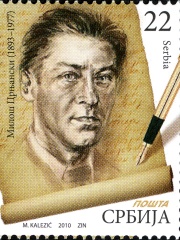
Miloš Crnjanski
WRITER
1893 - 1977
HPI: 61.77
Miejsce: 287
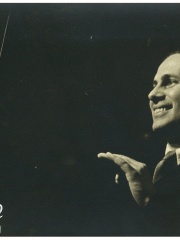
Antal Doráti
CONDUCTOR
1906 - 1988
HPI: 61.70
Miejsce: 288
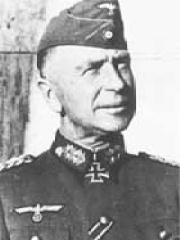
Maximilian de Angelis
MILITARY PERSONNEL
1889 - 1974
HPI: 61.69
Miejsce: 289
Gyula Benczúr
PAINTER
1844 - 1920
HPI: 61.66
Miejsce: 290
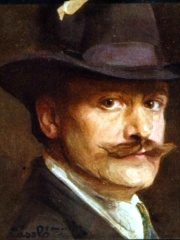
Philip de László
PAINTER
1869 - 1937
HPI: 61.63
Miejsce: 291
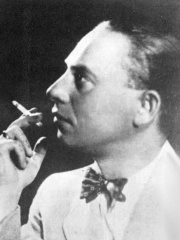
Rezső Seress
MUSICIAN
1889 - 1968
HPI: 61.52
Miejsce: 292
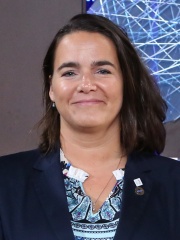
Katalin Novák
POLITICIAN
1977 - obecnie
HPI: 61.49
Miejsce: 293
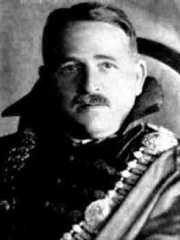
Frigyes Riesz
MATHEMATICIAN
1880 - 1956
HPI: 61.46
Miejsce: 294
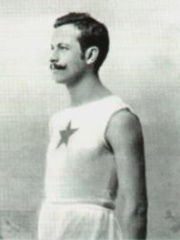
Nándor Dáni
ATHLETE
1871 - 1949
HPI: 61.45
Miejsce: 295

Béni Kállay
POLITICIAN
1839 - 1903
HPI: 61.35
Miejsce: 296
Wśród przedstawicieli zawodu Malarz w kraju Węgry
Wśród przedstawicieli zawodu „Malarz” urodzonych w kraju Węgry Gyula Benczúr zajmuje 5. miejsce. Przed nim są István Sándorfi (1948), Mihály Munkácsy (1844), Mihály Zichy (1827), i Amrita Sher-Gil (1913). Po nim są Philip de László (1869), László Mednyánszky (1852), Vilmos Aba-Novák (1894), József Rippl-Rónai (1861), Igor Grabar (1871), Dóra Maurer (1937), i Lajos Tihanyi (1885).

István Sándorfi
1948 - 2007
HPI: 70.58
Miejsce: 1
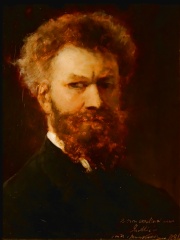
Mihály Munkácsy
1844 - 1900
HPI: 64.04
Miejsce: 2
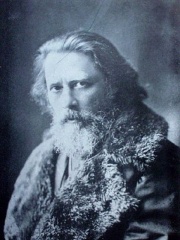
Mihály Zichy
1827 - 1906
HPI: 63.90
Miejsce: 3
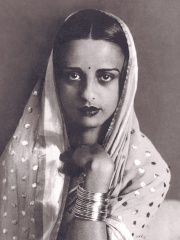
Amrita Sher-Gil
1913 - 1941
HPI: 62.46
Miejsce: 4
Gyula Benczúr
1844 - 1920
HPI: 61.66
Miejsce: 5
Philip de László
1869 - 1937
HPI: 61.63
Miejsce: 6
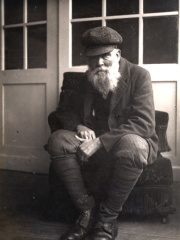
László Mednyánszky
1852 - 1919
HPI: 61.17
Miejsce: 7
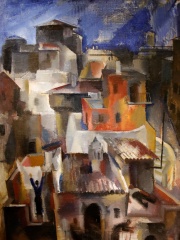
Vilmos Aba-Novák
1894 - 1941
HPI: 60.02
Miejsce: 8
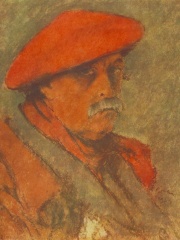
József Rippl-Rónai
1861 - 1927
HPI: 59.53
Miejsce: 9
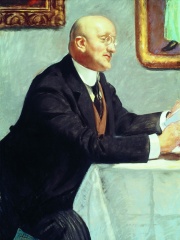
Igor Grabar
1871 - 1960
HPI: 58.35
Miejsce: 10

Dóra Maurer
1937 - 2026
HPI: 57.96
Miejsce: 11
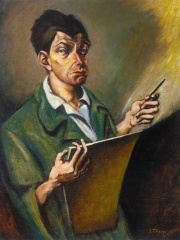
Lajos Tihanyi
1885 - 1938
HPI: 57.26
Miejsce: 12




