فيلسوف
Jyotirao Phule
1827 - 1890
AR.WIKIPEDIA PAGE VIEWS (PV)
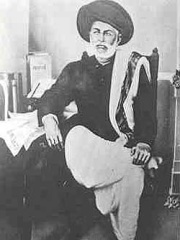
 Jyotirao Phule
سيرته الذاتية متاحة بـ20 لغة مختلفة على ويكيبيديا. يحتل Jyotirao Phule المرتبة 449 بين أكثر فيلسوف شعبيةً (تقدمًا من 477 في 2024)، والمرتبة 175 بين أكثر السير الذاتية شعبيةً في الهند (تراجعًا من 163 في 2019)، كما يحتل المرتبة 20 بين أكثر فيلسوف من الهند شعبيةً.
Memorability Metrics
390k
Page Views
Past 12 months
67.24
HPI
Historical Popularity Index
Page views of Jyotirao Phule by language
Among فيلسوف
Among فيلسوف, Jyotirao Phule ranks 449 out of 1,267. Before him are Christian Thomasius, Zhiyi, Ernesto Laclau, Martha Nussbaum, Lucilio Vanini, and Ge Hong. After him are Dhul-Nun al-Misri, Hans Reichenbach, Linji Yixuan, Alain de Lille, Henry Suso, and Phaedo of Elis.
Most Popular فيلسوف in Wikipedia
Go to all Rankings
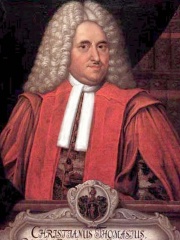
Christian Thomasius
1655 - 1728
HPI: 67.37
Rank: 443
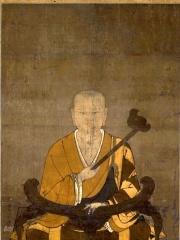
Zhiyi
538 - 597
HPI: 67.35
Rank: 444
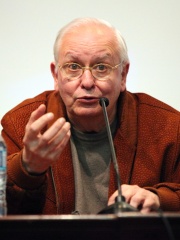
Ernesto Laclau
1935 - 2014
HPI: 67.34
Rank: 445
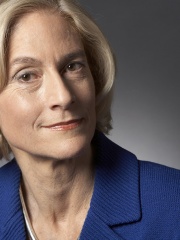
Martha Nussbaum
1947 - Present
HPI: 67.31
Rank: 446
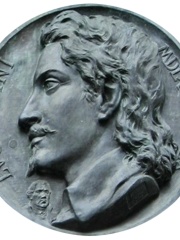
Lucilio Vanini
1585 - 1619
HPI: 67.26
Rank: 447
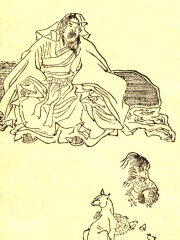
Ge Hong
284 - 364
HPI: 67.24
Rank: 448
Jyotirao Phule
1827 - 1890
HPI: 67.24
Rank: 449
Dhul-Nun al-Misri
796 - 859
HPI: 67.23
Rank: 450
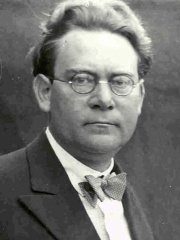
Hans Reichenbach
1891 - 1953
HPI: 67.22
Rank: 451
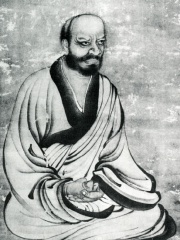
Linji Yixuan
850 - 866
HPI: 67.20
Rank: 452
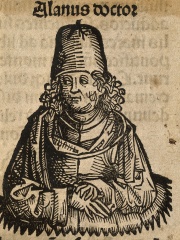
Alain de Lille
1117 - 1202
HPI: 67.19
Rank: 453
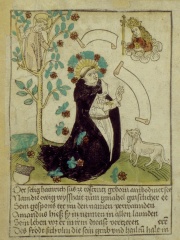
Henry Suso
1295 - 1366
HPI: 67.18
Rank: 454

Phaedo of Elis
401 BC - 400 BC
HPI: 67.17
Rank: 455

Contemporaries
Among people born in 1827, Jyotirao Phule ranks 14. Before him are Heonjong of Joseon, Grand Duke Konstantin Nikolayevich of Russia, Deodoro da Fonseca, Jean-Baptiste Carpeaux, William Holman Hunt, and Charles De Coster. After him are Wilhelm von Tegetthoff, Oswald Achenbach, Jules Breton, Mangal Pandey, Henry Gray, and Frederick Abel. Among people deceased in 1890, Jyotirao Phule ranks 20. Before him are Richard Francis Burton, William Kemmler, Christian Heinrich Friedrich Peters, John Henry Newman, Niels Gade, and Princess Zorka of Montenegro. After him are Gottfried Keller, Alexander Georg von Bunge, Lorenz von Stein, Antoine, Duke of Montpensier, Spotted Elk, and Louis Le Prince.
Others Born in 1827
Go to all Rankings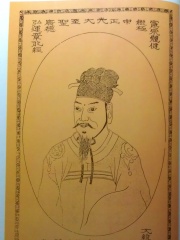
Heonjong of Joseon
POLITICIAN
1827 - 1849
HPI: 69.61
Rank: 8
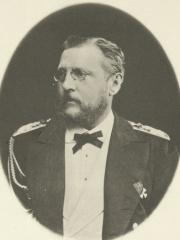
Grand Duke Konstantin Nikolayevich of Russia
NOBLEMAN
1827 - 1892
HPI: 69.19
Rank: 9
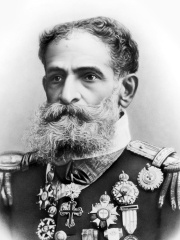
Deodoro da Fonseca
POLITICIAN
1827 - 1892
HPI: 68.92
Rank: 10
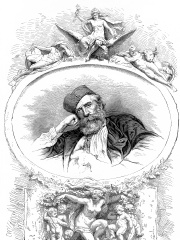
Jean-Baptiste Carpeaux
PAINTER
1827 - 1875
HPI: 68.00
Rank: 11
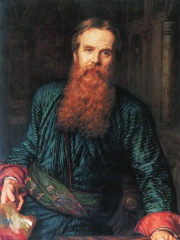
William Holman Hunt
PAINTER
1827 - 1910
HPI: 67.93
Rank: 12
Charles De Coster
WRITER
1827 - 1879
HPI: 67.90
Rank: 13
Jyotirao Phule
PHILOSOPHER
1827 - 1890
HPI: 67.24
Rank: 14
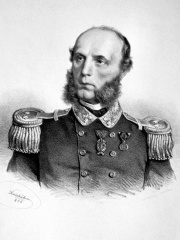
Wilhelm von Tegetthoff
MILITARY PERSONNEL
1827 - 1871
HPI: 66.88
Rank: 15
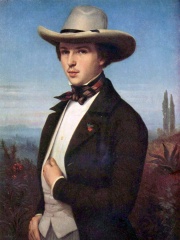
Oswald Achenbach
PAINTER
1827 - 1905
HPI: 64.80
Rank: 16
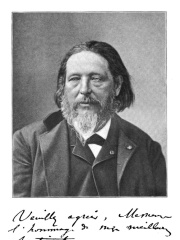
Jules Breton
PAINTER
1827 - 1906
HPI: 64.70
Rank: 17
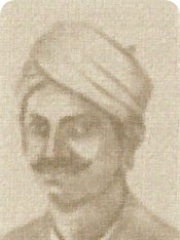
Mangal Pandey
SOCIAL ACTIVIST
1827 - 1857
HPI: 64.55
Rank: 18
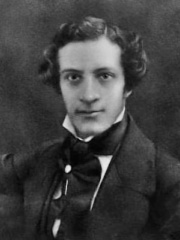
Henry Gray
PHYSICIAN
1827 - 1861
HPI: 64.31
Rank: 19
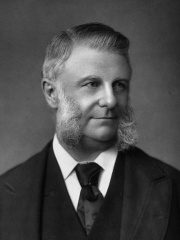
Frederick Abel
CHEMIST
1827 - 1902
HPI: 64.12
Rank: 20
Others Deceased in 1890
Go to all Rankings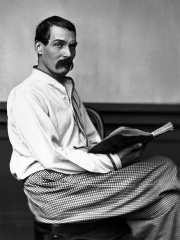
Richard Francis Burton
EXPLORER
1821 - 1890
HPI: 69.00
Rank: 14
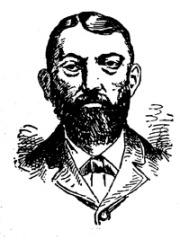
William Kemmler
EXTREMIST
1860 - 1890
HPI: 68.67
Rank: 15
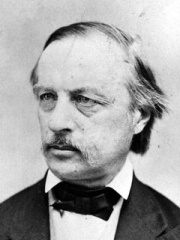
Christian Heinrich Friedrich Peters
ASTRONOMER
1813 - 1890
HPI: 68.59
Rank: 16
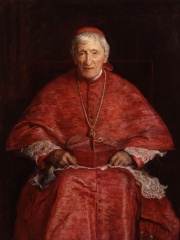
John Henry Newman
RELIGIOUS FIGURE
1801 - 1890
HPI: 68.45
Rank: 17
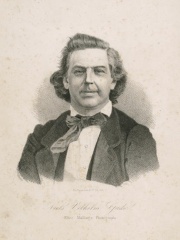
Niels Gade
COMPOSER
1817 - 1890
HPI: 68.16
Rank: 18
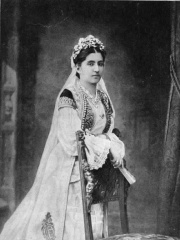
Princess Zorka of Montenegro
COMPANION
1864 - 1890
HPI: 67.75
Rank: 19
Jyotirao Phule
PHILOSOPHER
1827 - 1890
HPI: 67.24
Rank: 20
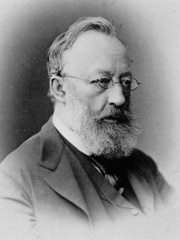
Gottfried Keller
WRITER
1819 - 1890
HPI: 67.18
Rank: 21
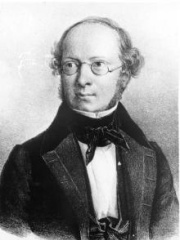
Alexander Georg von Bunge
BIOLOGIST
1803 - 1890
HPI: 67.14
Rank: 22
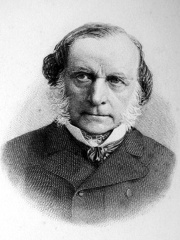
Lorenz von Stein
ECONOMIST
1815 - 1890
HPI: 66.67
Rank: 23
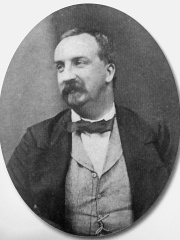
Antoine, Duke of Montpensier
NOBLEMAN
1824 - 1890
HPI: 66.09
Rank: 24
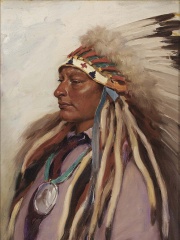
Spotted Elk
POLITICIAN
1826 - 1890
HPI: 65.37
Rank: 25
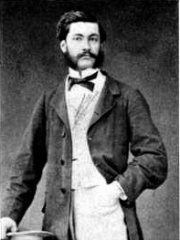
Louis Le Prince
INVENTOR
1841 - 1890
HPI: 65.07
Rank: 26
In الهند
Among people born in الهند, Jyotirao Phule ranks 175 out of NaN. Before him are Shah Waliullah Dehlawi (1703), Mukesh (1923), Anthony de Mello (1931), Mahboob Ali Khan (1866), Sarojini Naidu (1879), and Maharishi Mahesh Yogi (1918). After him are Lakshmi Mittal (1950), Engelbert Humperdinck (1936), Mata Amritanandamayi (1953), Tukaram (1608), Nana Sahib (1824), and Shantideva (685).
Others born in الهند
Go to all Rankings
Shah Waliullah Dehlawi
PHILOSOPHER
1703 - 1762
HPI: 67.42
Rank: 169
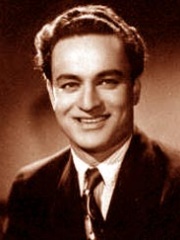
Mukesh
ACTOR
1923 - 1976
HPI: 67.41
Rank: 170
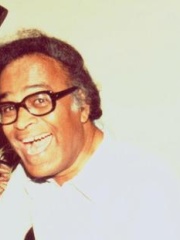
Anthony de Mello
RELIGIOUS FIGURE
1931 - 1987
HPI: 67.38
Rank: 171
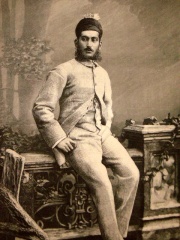
Mahboob Ali Khan
POLITICIAN
1866 - 1911
HPI: 67.38
Rank: 172
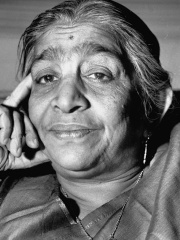
Sarojini Naidu
WRITER
1879 - 1949
HPI: 67.28
Rank: 173
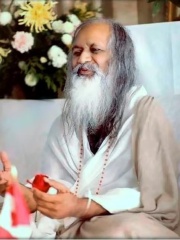
Maharishi Mahesh Yogi
RELIGIOUS FIGURE
1918 - 2008
HPI: 67.27
Rank: 174
Jyotirao Phule
PHILOSOPHER
1827 - 1890
HPI: 67.24
Rank: 175
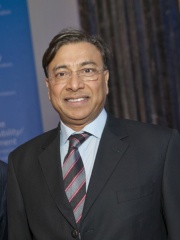
Lakshmi Mittal
BUSINESSPERSON
1950 - Present
HPI: 67.21
Rank: 176
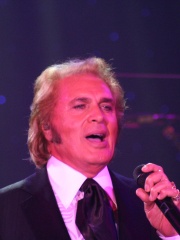
Engelbert Humperdinck
SINGER
1936 - Present
HPI: 67.16
Rank: 177
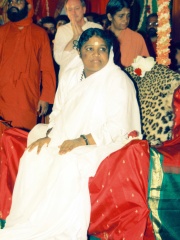
Mata Amritanandamayi
RELIGIOUS FIGURE
1953 - Present
HPI: 67.10
Rank: 178
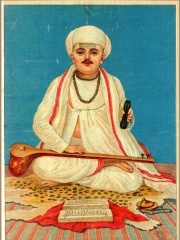
Tukaram
WRITER
1608 - 1650
HPI: 67.09
Rank: 179
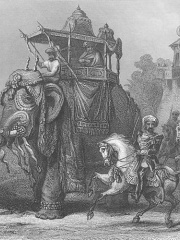
Nana Sahib
POLITICIAN
1824 - 1859
HPI: 67.08
Rank: 180

Shantideva
PHILOSOPHER
685 - 763
HPI: 67.07
Rank: 181
Among فيلسوف In الهند
Among فيلسوف born in الهند, Jyotirao Phule ranks 20. Before him are Ramana Maharshi (1879), Vyasa (-390), Abul A'la Maududi (1903), Ramanuja (1017), Chandrakirti (600), and Shah Waliullah Dehlawi (1703). After him are Shantideva (685), Homi K. Bhabha (1949), Madhvacharya (1199), Sivananda Saraswati (1887), Ahmad Sirhindi (1564), and Vinayak Damodar Savarkar (1883).
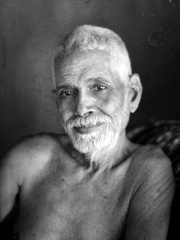
Ramana Maharshi
1879 - 1950
HPI: 71.16
Rank: 14
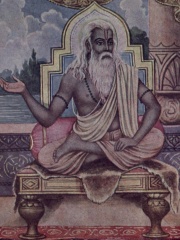
Vyasa
390 BC - 310 BC
HPI: 70.22
Rank: 15
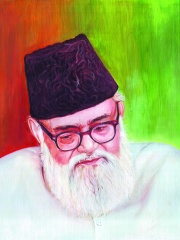
Abul A'la Maududi
1903 - 1979
HPI: 69.30
Rank: 16
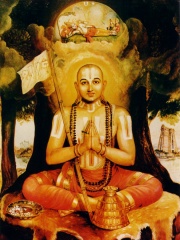
Ramanuja
1017 - 1137
HPI: 69.10
Rank: 17

Chandrakirti
600 - 650
HPI: 68.88
Rank: 18
Shah Waliullah Dehlawi
1703 - 1762
HPI: 67.42
Rank: 19
Jyotirao Phule
1827 - 1890
HPI: 67.24
Rank: 20
Shantideva
685 - 763
HPI: 67.07
Rank: 21
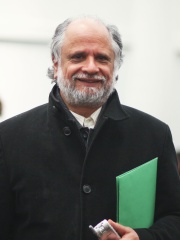
Homi K. Bhabha
1949 - Present
HPI: 66.35
Rank: 22
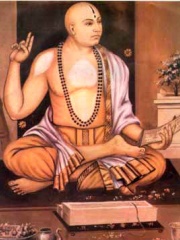
Madhvacharya
1199 - 1278
HPI: 65.81
Rank: 23
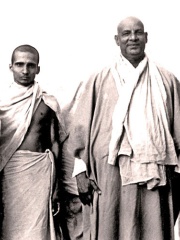
Sivananda Saraswati
1887 - 1963
HPI: 65.75
Rank: 24

Ahmad Sirhindi
1564 - 1624
HPI: 65.65
Rank: 25
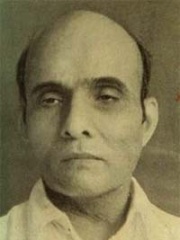
Vinayak Damodar Savarkar
1883 - 1966
HPI: 65.41
Rank: 26




