Politico
Aristobulus II
100 BC - 49 BC
VISUALIZZAZIONI SU IT.WIKIPEDIA (PV)
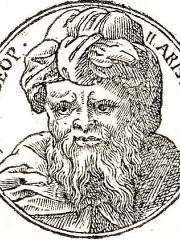
 Aristobulus II
La sua biografia è disponibile in 32 lingue su Wikipedia (in aumento rispetto a 30 nel 2024). Aristobulus II è il 3964° politico più popolare (in calo dal 3879° nel 2024), la 116ª biografia più popolare dell'Israele (in aumento dal 121ª nel 2019) e il 46° politico più popolare dell'Israele.
Metriche di memorabilità
33k
Visualizzazioni
Ultimi 12 mesi
68.01
HPI
Indice di popolarità storica
Visualizzazioni della pagina di Aristobulus II per lingua
Tra Politico
Tra Politico, Aristobulus II occupa la posizione 3,962 su 19,576. Prima di lui ci sono Abu Yusuf Yaqub al-Mansur, Empress Genmei, Mojmir I of Moravia, Amha Selassie, Leopold I, Margrave of Austria, e Koca Sinan Pasha. Dopo di lui ci sono Konrad I of Masovia, Emperor Daizong of Tang, Berengaria of Castile, Bahram IV, José Gervasio Artigas, e Stanislav Shushkevich.
Politico più popolari su Wikipedia
Vai a tutte le classifiche
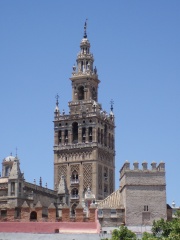
Abu Yusuf Yaqub al-Mansur
1160 - 1199
HPI: 68.02
Posizione: 3,958
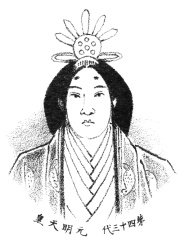
Empress Genmei
660 - 721
HPI: 68.02
Posizione: 3,959
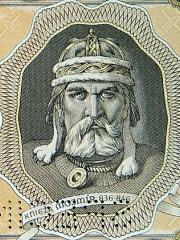
Mojmir I of Moravia
795 - 846
HPI: 68.02
Posizione: 3,960
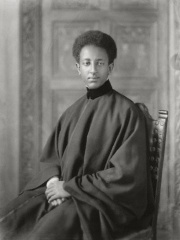
Amha Selassie
1916 - 1997
HPI: 68.02
Posizione: 3,961
Leopold I, Margrave of Austria
940 - 994
HPI: 68.01
Posizione: 3,962
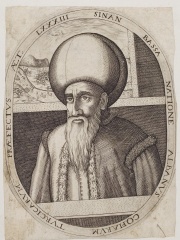
Koca Sinan Pasha
1520 - 1596
HPI: 68.01
Posizione: 3,963
Aristobulus II
100 BC - 49 BC
HPI: 68.01
Posizione: 3,964
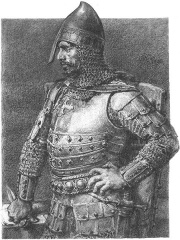
Konrad I of Masovia
1187 - 1247
HPI: 68.01
Posizione: 3,965
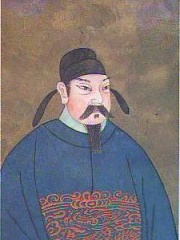
Emperor Daizong of Tang
727 - 779
HPI: 68.01
Posizione: 3,966
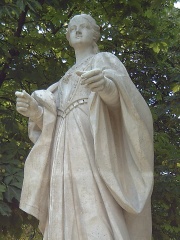
Berengaria of Castile
1180 - 1246
HPI: 68.01
Posizione: 3,967
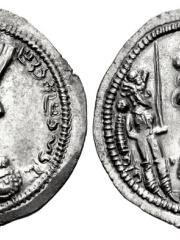
Bahram IV
383 - 399
HPI: 68.01
Posizione: 3,968
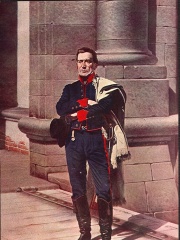
José Gervasio Artigas
1764 - 1850
HPI: 68.01
Posizione: 3,969
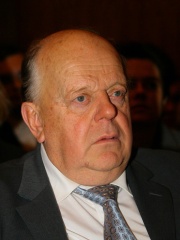
Stanislav Shushkevich
1934 - 2022
HPI: 68.00
Posizione: 3,970

Contemporanei
Tra le persone nate nel 100 BC, Aristobulus II occupa la posizione 25. Prima di lui ci sono Valerius Maximus, Vonones I, Artavasdes II of Armenia, Crixus, Ptolemy XI Alexander II, e Antipater the Idumaean. Dopo di lui ci sono Ambiorix, Thusnelda, Publilius Syrus, Phraates V, Gnaeus Calpurnius Piso, e Phraates III. Tra le persone decedute nel 49 BC, Aristobulus II occupa la posizione 1. Dopo di lui ci sono Emperor Xuan of Han, Gaius Scribonius Curio, e Alexander of Judaea.
Altre persone nate nel 100 BC
Vai a tutte le classifiche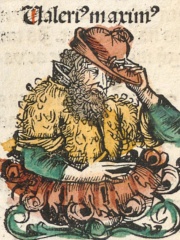
Valerius Maximus
WRITER
100 BC - 100
HPI: 69.73
Posizione: 19
Vonones I
POLITICIAN
100 BC - 19
HPI: 69.55
Posizione: 20
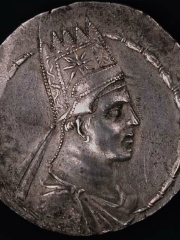
Artavasdes II of Armenia
POLITICIAN
100 BC - 31 BC
HPI: 69.54
Posizione: 21

Crixus
POLITICIAN
100 BC - 72 BC
HPI: 68.94
Posizione: 22
Ptolemy XI Alexander II
POLITICIAN
100 BC - 80 BC
HPI: 68.57
Posizione: 23
Antipater the Idumaean
POLITICIAN
100 BC - 43 BC
HPI: 68.40
Posizione: 24
Aristobulus II
POLITICIAN
100 BC - 49 BC
HPI: 68.01
Posizione: 25
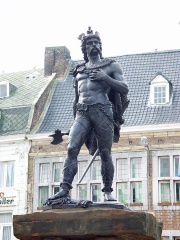
Ambiorix
POLITICIAN
100 BC - 53 BC
HPI: 67.96
Posizione: 26
Thusnelda
POLITICIAN
100 BC - 17
HPI: 67.80
Posizione: 27

Publilius Syrus
WRITER
100 BC - 100 BC
HPI: 67.47
Posizione: 28
Phraates V
POLITICIAN
100 BC - 4
HPI: 67.36
Posizione: 29
Gnaeus Calpurnius Piso
POLITICIAN
100 BC - 20
HPI: 67.33
Posizione: 30
Phraates III
POLITICIAN
100 BC - 57 BC
HPI: 67.31
Posizione: 31
Altre persone decedute nel 49 BC
Vai a tutte le classificheAristobulus II
POLITICIAN
100 BC - 49 BC
HPI: 68.01
Posizione: 1
Emperor Xuan of Han
POLITICIAN
91 BC - 49 BC
HPI: 67.84
Posizione: 2

Gaius Scribonius Curio
POLITICIAN
90 BC - 49 BC
HPI: 66.33
Posizione: 3

Alexander of Judaea
POLITICIAN
100 BC - 49 BC
HPI: 61.46
Posizione: 4
In Israele
Tra le persone nate in Israele, Aristobulus II occupa la posizione 116 su NaN. Prima di lui ci sono Itzhak Perlman (1945), Abu Nidal (1937), Frederick VI, Duke of Swabia (1167), Isaac Luria (1534), Philip the Evangelist (100), e Ghassan Kanafani (1936). Dopo di lui ci sono Arieh Warshel (1940), Judah ha-Nasi (135), Antiochus of Ascalon (-130), David Grossman (1954), Barak (null), e Saint Petronilla (50).
Altre persone nate in Israele
Vai a tutte le classifiche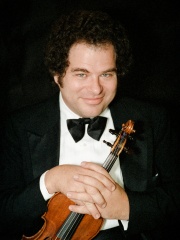
Itzhak Perlman
MUSICIAN
1945 - presente
HPI: 68.92
Posizione: 110

Abu Nidal
EXTREMIST
1937 - 2002
HPI: 68.58
Posizione: 111
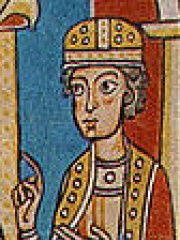
Frederick VI, Duke of Swabia
NOBLEMAN
1167 - 1191
HPI: 68.52
Posizione: 112
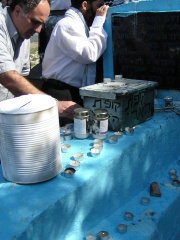
Isaac Luria
RELIGIOUS FIGURE
1534 - 1572
HPI: 68.41
Posizione: 113
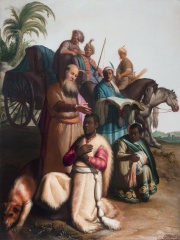
Philip the Evangelist
RELIGIOUS FIGURE
100 - 100
HPI: 68.41
Posizione: 114

Ghassan Kanafani
WRITER
1936 - 1972
HPI: 68.23
Posizione: 115
Aristobulus II
POLITICIAN
100 BC - 49 BC
HPI: 68.01
Posizione: 116
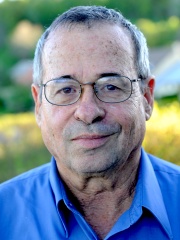
Arieh Warshel
CHEMIST
1940 - presente
HPI: 68.01
Posizione: 117

Judah ha-Nasi
POLITICIAN
135 - 217
HPI: 67.72
Posizione: 118

Antiochus of Ascalon
PHILOSOPHER
130 BC - 68 BC
HPI: 67.55
Posizione: 119
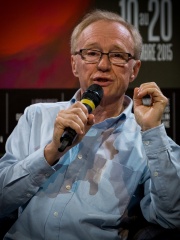
David Grossman
WRITER
1954 - presente
HPI: 67.54
Posizione: 120
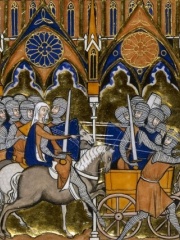
Barak
POLITICIAN
HPI: 67.45
Posizione: 121
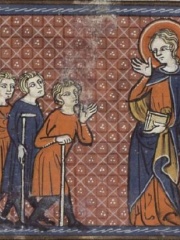
Saint Petronilla
RELIGIOUS FIGURE
50 - 100
HPI: 67.34
Posizione: 122
Tra Politico in Israele
Tra Politico nati in Israele, Aristobulus II occupa la posizione 46. Prima di lui ci sono Philip the Tetrarch (-4), Melisende, Queen of Jerusalem (1105), Israel Katz (1955), Jonathan Apphus (-200), Yitzhak Navon (1921), e Abdel Aziz al-Rantisi (1947). Dopo di lui ci sono Judah ha-Nasi (135), Barak (null), Yigal Allon (1918), Tzipi Livni (1958), Al-Afdal Shahanshah (1066), e Yair Lapid (1963).

Philip the Tetrarch
4 BC - 34
HPI: 69.92
Posizione: 40
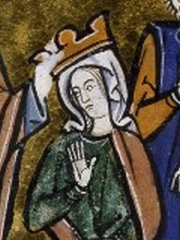
Melisende, Queen of Jerusalem
1105 - 1161
HPI: 69.88
Posizione: 41
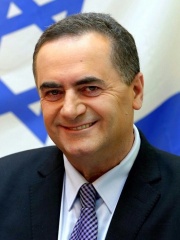
Israel Katz
1955 - presente
HPI: 69.39
Posizione: 42
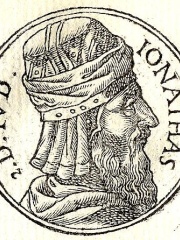
Jonathan Apphus
200 BC - 143 BC
HPI: 69.38
Posizione: 43
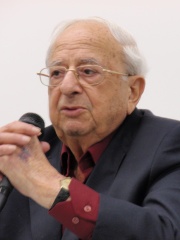
Yitzhak Navon
1921 - 2015
HPI: 69.16
Posizione: 44
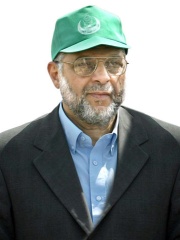
Abdel Aziz al-Rantisi
1947 - 2004
HPI: 68.97
Posizione: 45
Aristobulus II
100 BC - 49 BC
HPI: 68.01
Posizione: 46
Judah ha-Nasi
135 - 217
HPI: 67.72
Posizione: 47
Barak
HPI: 67.45
Posizione: 48
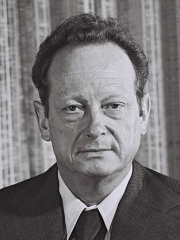
Yigal Allon
1918 - 1980
HPI: 67.24
Posizione: 49
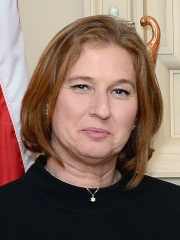
Tzipi Livni
1958 - presente
HPI: 67.06
Posizione: 50
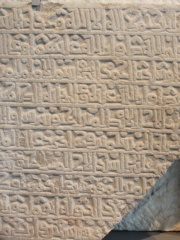
Al-Afdal Shahanshah
1066 - 1121
HPI: 66.79
Posizione: 51
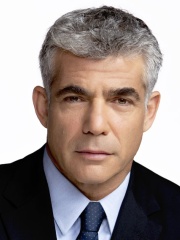
Yair Lapid
1963 - presente
HPI: 66.66
Posizione: 52




