Filosoof
Hunayn ibn Ishaq
809 - 873
NL.WIKIPEDIA-PAGINAWEERGAVEN (PV)
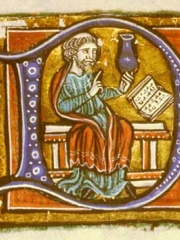
 Hunayn ibn Ishaq
Zijn biografie is beschikbaar in 33 verschillende talen op Wikipedia (toegenomen van 31 in 2024). Hunayn ibn Ishaq staat op plaats 341 onder de meest populaire filosoof (gestegen van plaats 428 in 2024), plaats 79 onder de meest populaire biografieën uit Irak (gestegen van plaats 105 in 2019) en op plaats 5 onder de populairste filosoof uit Irak.
Bekendheidsstatistieken
45k
Paginaweergaven
Afgelopen 12 maanden
69.59
HPI
Historische populariteitsindex
Data-inzichten
+2,748
Hunayn ibn Ishaq steeg 2,748 plaatsen in de wereldwijde HPI-ranglijst van Pantheon, van plaats 12,335 naar 9,595.
Paginaweergaven van Hunayn ibn Ishaq per taal
Onder Filosoof
Onder Filosoof staat Hunayn ibn Ishaq op plaats 341 van 1,285. Vóór hem staan Jacobus Arminius, Nicolai Hartmann, Alexandre Kojève, Judith Butler, John Searle, en Johann Georg Hamann. Na hem komen Nachmanides, David Strauss, Louis Couturat, Rudolf Otto, Anne Sullivan, en Justus Lipsius.
Populairste Filosoof op Wikipedia
Naar alle ranglijsten

Jacobus Arminius
1560 - 1609
HPI: 69.78
Plaats: 335
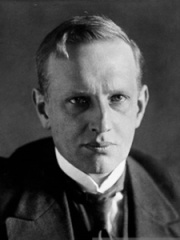
Nicolai Hartmann
1882 - 1950
HPI: 69.77
Plaats: 336
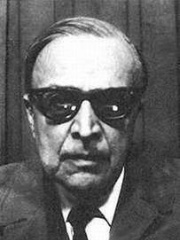
Alexandre Kojève
1902 - 1968
HPI: 69.73
Plaats: 337
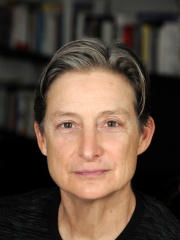
Judith Butler
1956 - heden
HPI: 69.72
Plaats: 338
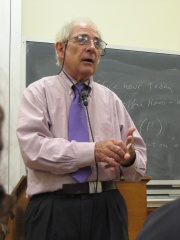
John Searle
1932 - 2025
HPI: 69.67
Plaats: 339
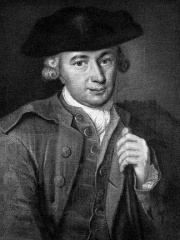
Johann Georg Hamann
1730 - 1788
HPI: 69.67
Plaats: 340
Hunayn ibn Ishaq
809 - 873
HPI: 69.59
Plaats: 341

Nachmanides
1194 - 1270
HPI: 69.54
Plaats: 342
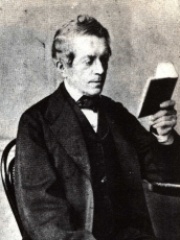
David Strauss
1808 - 1874
HPI: 69.52
Plaats: 343
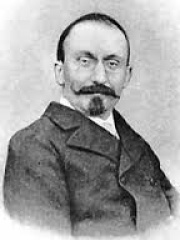
Louis Couturat
1868 - 1914
HPI: 69.51
Plaats: 344
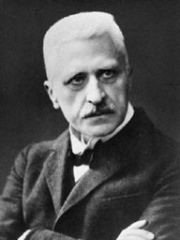
Rudolf Otto
1869 - 1937
HPI: 69.50
Plaats: 345
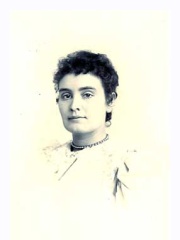
Anne Sullivan
1866 - 1936
HPI: 69.47
Plaats: 346
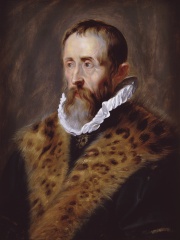
Justus Lipsius
1547 - 1606
HPI: 69.44
Plaats: 347

Tijdgenoten
Onder de mensen geboren in 809 staat Hunayn ibn Ishaq op plaats 1. Na hem komen Emperor Wenzong of Tang, en Emperor Jingzong of Tang. Onder de mensen overleden in 873 staat Hunayn ibn Ishaq op plaats 3. Vóór hem staan Ivar the Boneless, en Banū Mūsā. Na hem komen Vímara Peres, en Emperor Yizong of Tang.
Anderen geboren in 809
Naar alle ranglijstenHunayn ibn Ishaq
PHILOSOPHER
809 - 873
HPI: 69.59
Plaats: 1
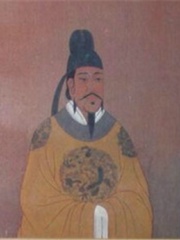
Emperor Wenzong of Tang
POLITICIAN
809 - 840
HPI: 65.69
Plaats: 2

Emperor Jingzong of Tang
POLITICIAN
809 - 827
HPI: 64.09
Plaats: 3
Anderen overleden in 873
Naar alle ranglijsten
Ivar the Boneless
POLITICIAN
900 - 873
HPI: 77.97
Plaats: 1
Banū Mūsā
ENGINEER
900 - 873
HPI: 71.09
Plaats: 2
Hunayn ibn Ishaq
PHILOSOPHER
809 - 873
HPI: 69.59
Plaats: 3
Vímara Peres
POLITICIAN
820 - 873
HPI: 66.67
Plaats: 4

Emperor Yizong of Tang
POLITICIAN
833 - 873
HPI: 64.22
Plaats: 5
In Irak
Onder de mensen geboren in Irak staat Hunayn ibn Ishaq op plaats 79 van 414. Vóór hem staan Shalmaneser I (-1400), Berossus (-400), Qutayba ibn Muslim (668), Urukagina (-2500), Al-Muqtadir (895), en Sargon I (-1900). Na hem komen Al-Mu'tadid (854), Abdul Rahman Arif (1916), Naram-Sin of Akkad (-2254), Ashur-nadin-shumi (-800), Abdul Salam Arif (1921), en Rashid Ali al-Gaylani (1892).
Anderen geboren in Irak
Naar alle ranglijsten
Shalmaneser I
POLITICIAN
1400 BC - 1300 BC
HPI: 70.13
Plaats: 73

Berossus
WRITER
400 BC - 300 BC
HPI: 70.12
Plaats: 74

Qutayba ibn Muslim
MILITARY PERSONNEL
668 - 715
HPI: 70.05
Plaats: 75
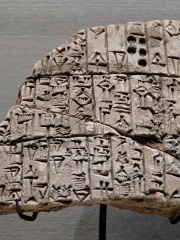
Urukagina
POLITICIAN
2500 BC - 2371 BC
HPI: 69.89
Plaats: 76
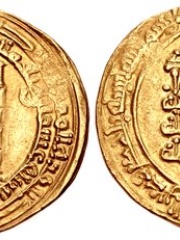
Al-Muqtadir
POLITICIAN
895 - 932
HPI: 69.78
Plaats: 77
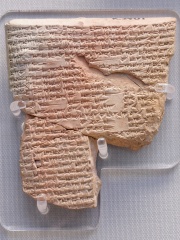
Sargon I
POLITICIAN
1900 BC - 1900 BC
HPI: 69.65
Plaats: 78
Hunayn ibn Ishaq
PHILOSOPHER
809 - 873
HPI: 69.59
Plaats: 79
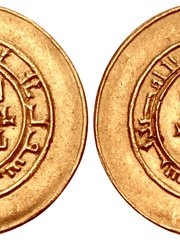
Al-Mu'tadid
POLITICIAN
854 - 902
HPI: 69.57
Plaats: 80
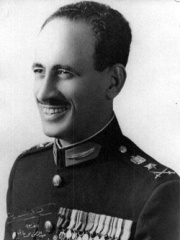
Abdul Rahman Arif
POLITICIAN
1916 - 2007
HPI: 69.55
Plaats: 81
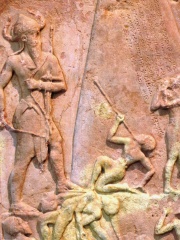
Naram-Sin of Akkad
POLITICIAN
2254 BC - 2118 BC
HPI: 69.54
Plaats: 82
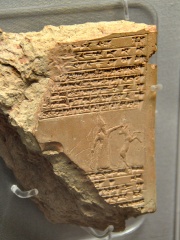
Ashur-nadin-shumi
POLITICIAN
800 BC - 694 BC
HPI: 69.47
Plaats: 83
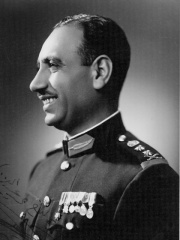
Abdul Salam Arif
POLITICIAN
1921 - 1966
HPI: 69.35
Plaats: 84
Rashid Ali al-Gaylani
POLITICIAN
1892 - 1965
HPI: 69.25
Plaats: 85
Onder Filosoof in Irak
Onder Filosoof geboren in Irak staat Hunayn ibn Ishaq op plaats 5. Vóór hem staan Al-Kindi (801), Al-Ash'ari (873), Al-Jahiz (775), en Abu Yusuf (731). Na hem komen Diogenes of Babylon (-240), Abu'l-Barakāt al-Baghdādī (1080), Abu Sulayman Sijistani (932), Ibn Abi'l-Hadid (1190), en Jamil Sidqi al-Zahawi (1863).
Al-Kindi
801 - 866
HPI: 80.39
Plaats: 1
Al-Ash'ari
873 - 936
HPI: 72.85
Plaats: 2
Al-Jahiz
775 - 868
HPI: 72.52
Plaats: 3

Abu Yusuf
731 - 798
HPI: 70.34
Plaats: 4
Hunayn ibn Ishaq
809 - 873
HPI: 69.59
Plaats: 5
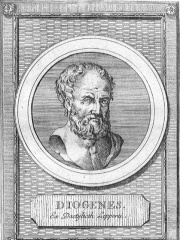
Diogenes of Babylon
240 BC - 150 BC
HPI: 64.30
Plaats: 6

Abu'l-Barakāt al-Baghdādī
1080 - 1165
HPI: 63.32
Plaats: 7

Abu Sulayman Sijistani
932 - 1000
HPI: 60.03
Plaats: 8

Ibn Abi'l-Hadid
1190 - 1258
HPI: 59.06
Plaats: 9
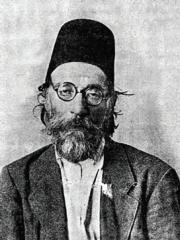
Jamil Sidqi al-Zahawi
1863 - 1936
HPI: 57.67
Plaats: 10




