Matematico
Hillel Furstenberg
1935 - presente
VISUALIZZAZIONI SU IT.WIKIPEDIA (PV)
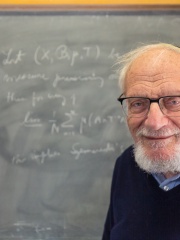
 Hillel Furstenberg
La sua biografia è disponibile in 25 lingue su Wikipedia. Hillel Furstenberg è il 305° matematico più popolare (in aumento dal 508° nel 2024), la 1786ª biografia più popolare della Germania (in aumento dal 3406ª nel 2019) e il 34° matematico più popolare della Germania.
Metriche di memorabilità
19k
Visualizzazioni
Ultimi 12 mesi
64.62
HPI
Indice di popolarità storica
Dati in evidenza
+17k
Hillel Furstenberg ha guadagnato 16,868 posizioni nella classifica HPI globale di Pantheon, passando dal n. 37,175 al n. 20,324.
Visualizzazioni della pagina di Hillel Furstenberg per lingua
Tra Matematico
Tra Matematico, Hillel Furstenberg occupa la posizione 305 su 1,010. Prima di lui ci sono Oronce Finé, Simon Newcomb, Lorenzo Mascheroni, Yakov Sinai, Robert Axelrod, e Michael Stifel. Dopo di lui ci sono Yvonne Choquet-Bruhat, John Horton Conway, Stephen Smale, Marino Ghetaldi, John Wilkins, e Enrico Bombieri.
Matematico più popolari su Wikipedia
Vai a tutte le classifiche
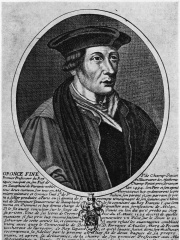
Oronce Finé
1494 - 1555
HPI: 64.67
Posizione: 299
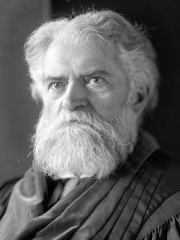
Simon Newcomb
1835 - 1909
HPI: 64.67
Posizione: 300

Lorenzo Mascheroni
1750 - 1800
HPI: 64.66
Posizione: 301
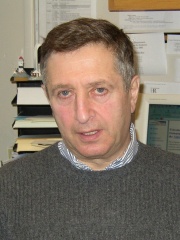
Yakov Sinai
1935 - presente
HPI: 64.66
Posizione: 302
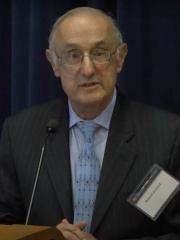
Robert Axelrod
1943 - presente
HPI: 64.65
Posizione: 303
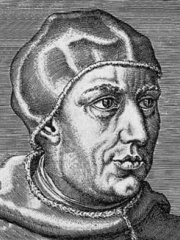
Michael Stifel
1487 - 1567
HPI: 64.64
Posizione: 304
Hillel Furstenberg
1935 - presente
HPI: 64.62
Posizione: 305

Yvonne Choquet-Bruhat
1923 - 2025
HPI: 64.56
Posizione: 306
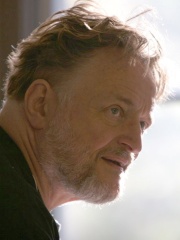
John Horton Conway
1937 - 2020
HPI: 64.48
Posizione: 307
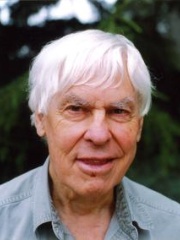
Stephen Smale
1930 - presente
HPI: 64.46
Posizione: 308

Marino Ghetaldi
1568 - 1626
HPI: 64.45
Posizione: 309
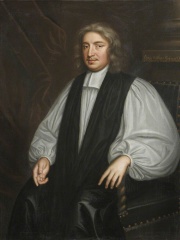
John Wilkins
1614 - 1672
HPI: 64.44
Posizione: 310

Enrico Bombieri
1940 - presente
HPI: 64.36
Posizione: 311

Contemporanei
Tra le persone nate nel 1935, Hillel Furstenberg occupa la posizione 97. Prima di lui ci sono Charles Duke, Paula Rego, Mary Berry, Ján Popluhár, John G. Avildsen, e Yakov Sinai. Dopo di lui ci sono Masahito, Prince Hitachi, Robert Silverberg, Thomas Keneally, Luis del Sol, André Brink, e Valeri Kubasov.
Altre persone nate nel 1935
Vai a tutte le classifiche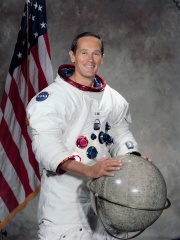
Charles Duke
ASTRONAUT
1935 - presente
HPI: 64.81
Posizione: 91

Paula Rego
PAINTER
1935 - 2022
HPI: 64.79
Posizione: 92
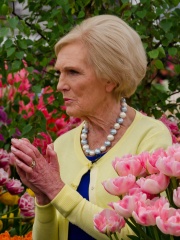
Mary Berry
WRITER
1935 - presente
HPI: 64.78
Posizione: 93
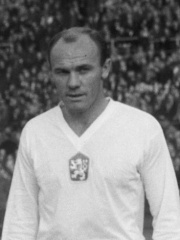
Ján Popluhár
SOCCER PLAYER
1935 - 2011
HPI: 64.76
Posizione: 94
John G. Avildsen
FILM DIRECTOR
1935 - 2017
HPI: 64.68
Posizione: 95
Yakov Sinai
MATHEMATICIAN
1935 - presente
HPI: 64.66
Posizione: 96
Hillel Furstenberg
MATHEMATICIAN
1935 - presente
HPI: 64.62
Posizione: 97
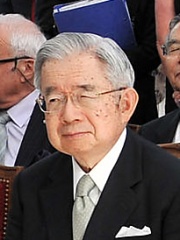
Masahito, Prince Hitachi
POLITICIAN
1935 - presente
HPI: 64.62
Posizione: 98
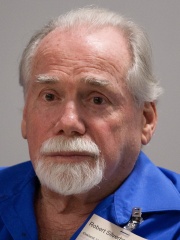
Robert Silverberg
WRITER
1935 - presente
HPI: 64.62
Posizione: 99

Thomas Keneally
WRITER
1935 - presente
HPI: 64.54
Posizione: 100

Luis del Sol
SOCCER PLAYER
1935 - 2021
HPI: 64.52
Posizione: 101
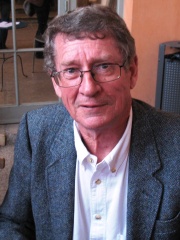
André Brink
WRITER
1935 - 2015
HPI: 64.50
Posizione: 102
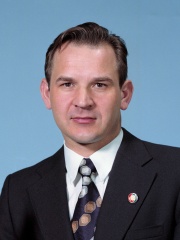
Valeri Kubasov
ASTRONAUT
1935 - 2014
HPI: 64.50
Posizione: 103
In Germania
Tra le persone nate in Germania, Hillel Furstenberg occupa la posizione 1,786 su 8,184. Prima di lui ci sono Wilhelm Adam (1877), Matthias Kleinheisterkamp (1893), Friedrich Parrot (1791), Michael Stifel (1487), Peter Thiel (1967), e Friedrich Wilhelm I, Duke of Saxe-Weimar (1562). Dopo di lui ci sono Charles the Child (847), Wolfgang Ketterle (1957), Walter Stennes (1895), Princess Victoria Adelaide of Schleswig-Holstein (1885), Nicolaus von Below (1907), e Sebald Beham (1500).
Altre persone nate in Germania
Vai a tutte le classifiche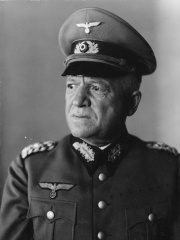
Wilhelm Adam
MILITARY PERSONNEL
1877 - 1949
HPI: 64.64
Posizione: 1,780
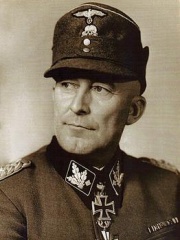
Matthias Kleinheisterkamp
MILITARY PERSONNEL
1893 - 1945
HPI: 64.64
Posizione: 1,781
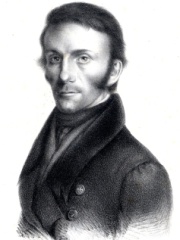
Friedrich Parrot
BIOLOGIST
1791 - 1841
HPI: 64.64
Posizione: 1,782
Michael Stifel
MATHEMATICIAN
1487 - 1567
HPI: 64.64
Posizione: 1,783

Peter Thiel
BUSINESSPERSON
1967 - presente
HPI: 64.64
Posizione: 1,784
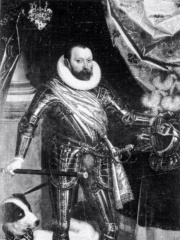
Friedrich Wilhelm I, Duke of Saxe-Weimar
POLITICIAN
1562 - 1602
HPI: 64.62
Posizione: 1,785
Hillel Furstenberg
MATHEMATICIAN
1935 - presente
HPI: 64.62
Posizione: 1,786

Charles the Child
POLITICIAN
847 - 866
HPI: 64.62
Posizione: 1,787
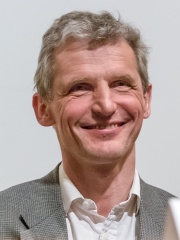
Wolfgang Ketterle
PHYSICIST
1957 - presente
HPI: 64.61
Posizione: 1,788
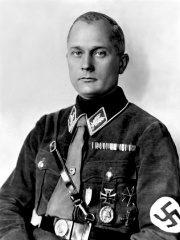
Walter Stennes
MILITARY PERSONNEL
1895 - 1983
HPI: 64.61
Posizione: 1,789
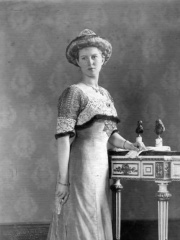
Princess Victoria Adelaide of Schleswig-Holstein
POLITICIAN
1885 - 1970
HPI: 64.61
Posizione: 1,790

Nicolaus von Below
MILITARY PERSONNEL
1907 - 1983
HPI: 64.60
Posizione: 1,791
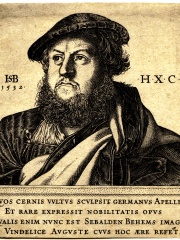
Sebald Beham
PAINTER
1500 - 1550
HPI: 64.60
Posizione: 1,792
Tra Matematico in Germania
Tra Matematico nati in Germania, Hillel Furstenberg occupa la posizione 34. Prima di lui ci sono Constantin Carathéodory (1873), Ferdinand Georg Frobenius (1849), Eduard Heine (1821), Edmund Landau (1877), Adolf Hurwitz (1859), e Michael Stifel (1487). Dopo di lui ci sono Wilhelm Ackermann (1896), Karl Wilhelm Feuerbach (1800), Gotthold Eisenstein (1823), Julius Plücker (1801), Felix Bernstein (1878), e Andreas Osiander (1498).
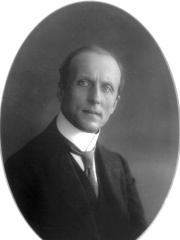
Constantin Carathéodory
1873 - 1950
HPI: 66.15
Posizione: 28
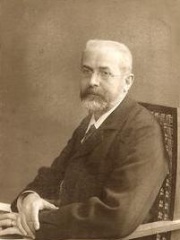
Ferdinand Georg Frobenius
1849 - 1917
HPI: 66.07
Posizione: 29
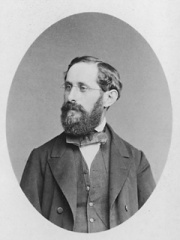
Eduard Heine
1821 - 1881
HPI: 65.69
Posizione: 30

Edmund Landau
1877 - 1938
HPI: 64.87
Posizione: 31
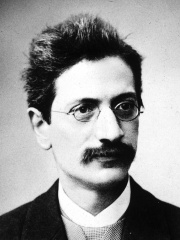
Adolf Hurwitz
1859 - 1919
HPI: 64.77
Posizione: 32
Michael Stifel
1487 - 1567
HPI: 64.64
Posizione: 33
Hillel Furstenberg
1935 - presente
HPI: 64.62
Posizione: 34
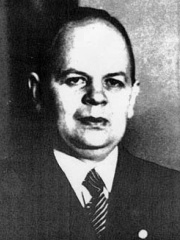
Wilhelm Ackermann
1896 - 1962
HPI: 63.84
Posizione: 35
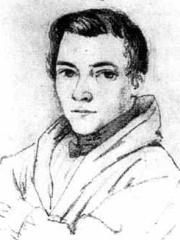
Karl Wilhelm Feuerbach
1800 - 1834
HPI: 63.81
Posizione: 36
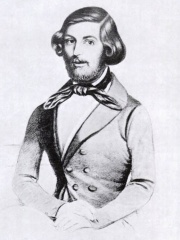
Gotthold Eisenstein
1823 - 1852
HPI: 63.81
Posizione: 37
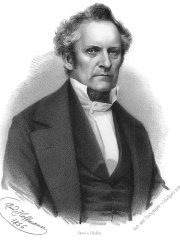
Julius Plücker
1801 - 1868
HPI: 63.81
Posizione: 38
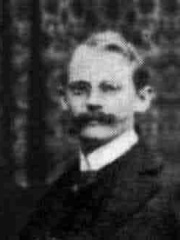
Felix Bernstein
1878 - 1956
HPI: 63.55
Posizione: 39
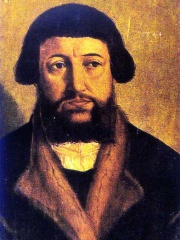
Andreas Osiander
1498 - 1552
HPI: 63.45
Posizione: 40




