Matematyk
Hillel Furstenberg
1935 - obecnie
WYŚWIETLENIA PL.WIKIPEDIA (PV)
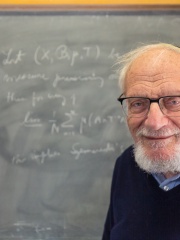
 Hillel Furstenberg
Jego biografia jest dostępna w 25 różnych językach w Wikipedii. Hillel Furstenberg jest 305. najpopularniejszym matematyk (wzrost z 508. w 2024 roku), 1786. najpopularniejszą biografią Niemcy (wzrost z 3406. w 2019 roku) oraz 34. najpopularniejszym matematyk Niemcy.
Wskaźniki rozpoznawalności
19k
Wyświetlenia strony
Ostatnie 12 miesięcy
64.62
HPI
Indeks historycznej popularności
Ciekawostki z danych
29 wrz
Hillel Furstenberg obchodzi urodziny tego samego dnia (29 września) co Miguel de Cervantes, Caravaggio i Silvio Berlusconi.
Wyświetlenia strony Hillel Furstenberg według języka
Wśród przedstawicieli zawodu Matematyk
Wśród przedstawicieli zawodu „Matematyk” Hillel Furstenberg zajmuje 305. miejsce na 1,004. Przed nim są Oronce Finé, Simon Newcomb, Lorenzo Mascheroni, Yakov Sinai, Robert Axelrod, i Michael Stifel. Po nim są Yvonne Choquet-Bruhat, John Horton Conway, Stephen Smale, Marino Ghetaldi, John Wilkins, i Enrico Bombieri.
Najpopularniejsi w Wikipedii: Matematyk
Zobacz wszystkie rankingi
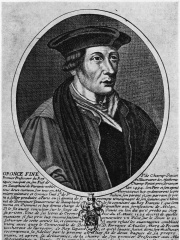
Oronce Finé
1494 - 1555
HPI: 64.67
Miejsce: 299
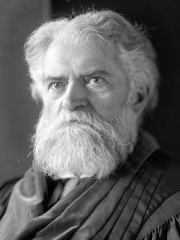
Simon Newcomb
1835 - 1909
HPI: 64.67
Miejsce: 300

Lorenzo Mascheroni
1750 - 1800
HPI: 64.66
Miejsce: 301
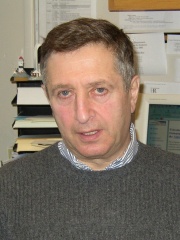
Yakov Sinai
1935 - obecnie
HPI: 64.66
Miejsce: 302
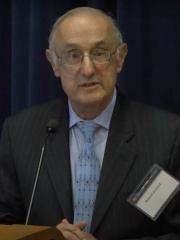
Robert Axelrod
1943 - obecnie
HPI: 64.65
Miejsce: 303
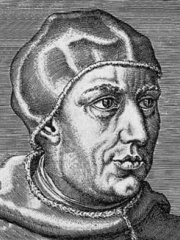
Michael Stifel
1487 - 1567
HPI: 64.64
Miejsce: 304
Hillel Furstenberg
1935 - obecnie
HPI: 64.62
Miejsce: 305
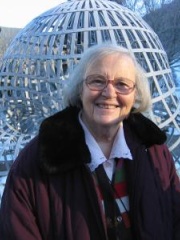
Yvonne Choquet-Bruhat
1923 - 2025
HPI: 64.56
Miejsce: 306
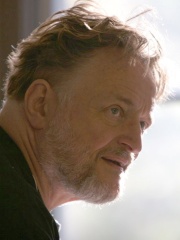
John Horton Conway
1937 - 2020
HPI: 64.48
Miejsce: 307
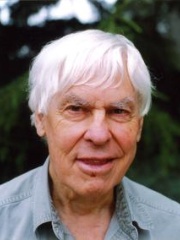
Stephen Smale
1930 - obecnie
HPI: 64.46
Miejsce: 308

Marino Ghetaldi
1568 - 1626
HPI: 64.45
Miejsce: 309
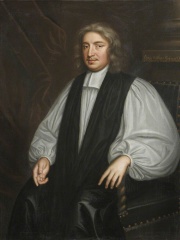
John Wilkins
1614 - 1672
HPI: 64.44
Miejsce: 310
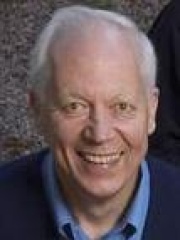
Enrico Bombieri
1940 - obecnie
HPI: 64.36
Miejsce: 311

Współcześni
Wśród osób urodzonych w 1935 roku Hillel Furstenberg zajmuje 97. miejsce. Przed nim są Charles Duke, Paula Rego, Mary Berry, Ján Popluhár, John G. Avildsen, i Yakov Sinai. Po nim są Masahito, Prince Hitachi, Robert Silverberg, Thomas Keneally, Luis del Sol, André Brink, i Valeri Kubasov.
Inne osoby urodzone w 1935 roku
Zobacz wszystkie rankingi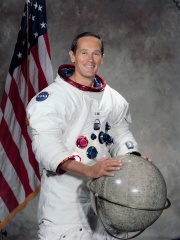
Charles Duke
ASTRONAUT
1935 - obecnie
HPI: 64.81
Miejsce: 91
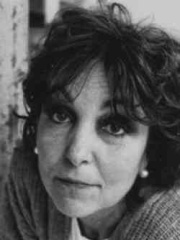
Paula Rego
PAINTER
1935 - 2022
HPI: 64.79
Miejsce: 92
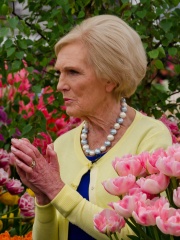
Mary Berry
WRITER
1935 - obecnie
HPI: 64.78
Miejsce: 93
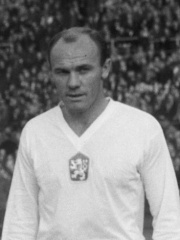
Ján Popluhár
SOCCER PLAYER
1935 - 2011
HPI: 64.76
Miejsce: 94
John G. Avildsen
FILM DIRECTOR
1935 - 2017
HPI: 64.68
Miejsce: 95
Yakov Sinai
MATHEMATICIAN
1935 - obecnie
HPI: 64.66
Miejsce: 96
Hillel Furstenberg
MATHEMATICIAN
1935 - obecnie
HPI: 64.62
Miejsce: 97
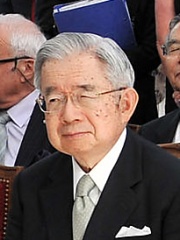
Masahito, Prince Hitachi
POLITICIAN
1935 - obecnie
HPI: 64.62
Miejsce: 98
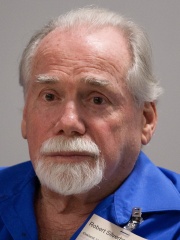
Robert Silverberg
WRITER
1935 - obecnie
HPI: 64.62
Miejsce: 99
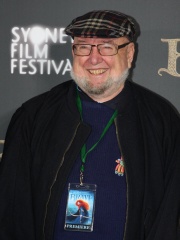
Thomas Keneally
WRITER
1935 - obecnie
HPI: 64.54
Miejsce: 100
Luis del Sol
SOCCER PLAYER
1935 - 2021
HPI: 64.52
Miejsce: 101
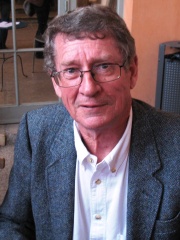
André Brink
WRITER
1935 - 2015
HPI: 64.50
Miejsce: 102
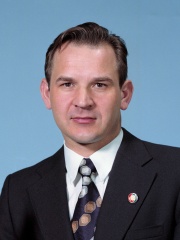
Valeri Kubasov
ASTRONAUT
1935 - 2014
HPI: 64.50
Miejsce: 103
W kraju Niemcy
Wśród osób urodzonych w kraju Niemcy Hillel Furstenberg zajmuje 1,786. miejsce na 7,253. Przed nim są Wilhelm Adam (1877), Matthias Kleinheisterkamp (1893), Friedrich Parrot (1791), Michael Stifel (1487), Peter Thiel (1967), i Friedrich Wilhelm I, Duke of Saxe-Weimar (1562). Po nim są Charles the Child (847), Wolfgang Ketterle (1957), Walter Stennes (1895), Princess Victoria Adelaide of Schleswig-Holstein (1885), Nicolaus von Below (1907), i Sebald Beham (1500).
Inne osoby urodzone w kraju Niemcy
Zobacz wszystkie rankingi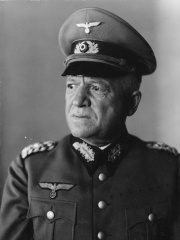
Wilhelm Adam
MILITARY PERSONNEL
1877 - 1949
HPI: 64.64
Miejsce: 1,780
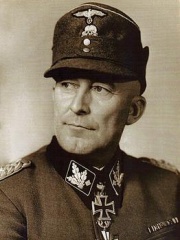
Matthias Kleinheisterkamp
MILITARY PERSONNEL
1893 - 1945
HPI: 64.64
Miejsce: 1,781
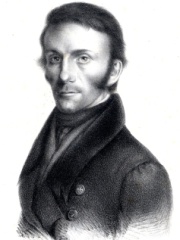
Friedrich Parrot
BIOLOGIST
1791 - 1841
HPI: 64.64
Miejsce: 1,782
Michael Stifel
MATHEMATICIAN
1487 - 1567
HPI: 64.64
Miejsce: 1,783
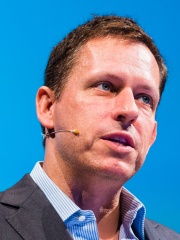
Peter Thiel
BUSINESSPERSON
1967 - obecnie
HPI: 64.64
Miejsce: 1,784
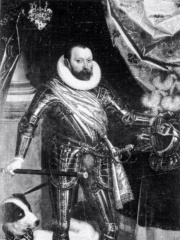
Friedrich Wilhelm I, Duke of Saxe-Weimar
POLITICIAN
1562 - 1602
HPI: 64.62
Miejsce: 1,785
Hillel Furstenberg
MATHEMATICIAN
1935 - obecnie
HPI: 64.62
Miejsce: 1,786

Charles the Child
POLITICIAN
847 - 866
HPI: 64.62
Miejsce: 1,787
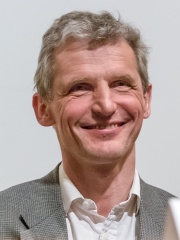
Wolfgang Ketterle
PHYSICIST
1957 - obecnie
HPI: 64.61
Miejsce: 1,788
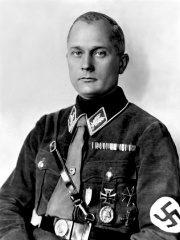
Walter Stennes
MILITARY PERSONNEL
1895 - 1983
HPI: 64.61
Miejsce: 1,789
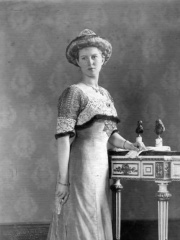
Princess Victoria Adelaide of Schleswig-Holstein
POLITICIAN
1885 - 1970
HPI: 64.61
Miejsce: 1,790
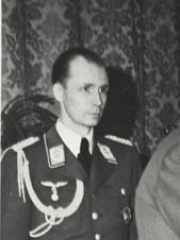
Nicolaus von Below
MILITARY PERSONNEL
1907 - 1983
HPI: 64.60
Miejsce: 1,791
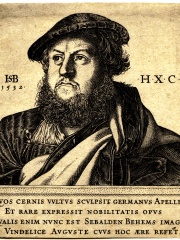
Sebald Beham
PAINTER
1500 - 1550
HPI: 64.60
Miejsce: 1,792
Wśród przedstawicieli zawodu Matematyk w kraju Niemcy
Wśród przedstawicieli zawodu „Matematyk” urodzonych w kraju Niemcy Hillel Furstenberg zajmuje 34. miejsce. Przed nim są Constantin Carathéodory (1873), Ferdinand Georg Frobenius (1849), Eduard Heine (1821), Edmund Landau (1877), Adolf Hurwitz (1859), i Michael Stifel (1487). Po nim są Wilhelm Ackermann (1896), Karl Wilhelm Feuerbach (1800), Gotthold Eisenstein (1823), Julius Plücker (1801), Felix Bernstein (1878), i Andreas Osiander (1498).
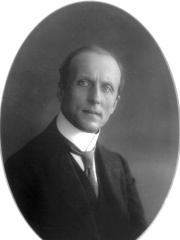
Constantin Carathéodory
1873 - 1950
HPI: 66.15
Miejsce: 28
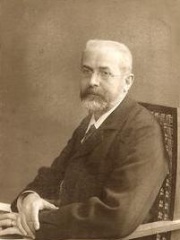
Ferdinand Georg Frobenius
1849 - 1917
HPI: 66.07
Miejsce: 29
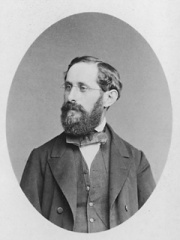
Eduard Heine
1821 - 1881
HPI: 65.69
Miejsce: 30

Edmund Landau
1877 - 1938
HPI: 64.87
Miejsce: 31
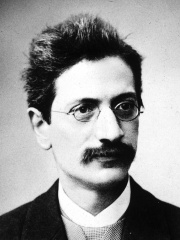
Adolf Hurwitz
1859 - 1919
HPI: 64.77
Miejsce: 32
Michael Stifel
1487 - 1567
HPI: 64.64
Miejsce: 33
Hillel Furstenberg
1935 - obecnie
HPI: 64.62
Miejsce: 34
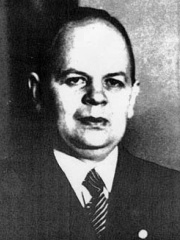
Wilhelm Ackermann
1896 - 1962
HPI: 63.84
Miejsce: 35
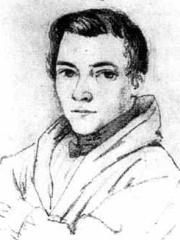
Karl Wilhelm Feuerbach
1800 - 1834
HPI: 63.81
Miejsce: 36
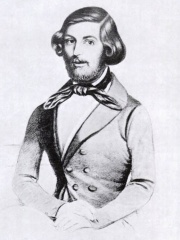
Gotthold Eisenstein
1823 - 1852
HPI: 63.81
Miejsce: 37
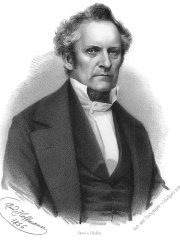
Julius Plücker
1801 - 1868
HPI: 63.81
Miejsce: 38
Felix Bernstein
1878 - 1956
HPI: 63.55
Miejsce: 39
Andreas Osiander
1498 - 1552
HPI: 63.45
Miejsce: 40




