Politikus
Hasdrubal the Fair
270 BC - 221 BC
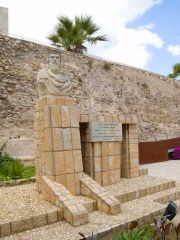
 Hasdrubal the Fair
Életrajza 36 különböző nyelven érhető el a Wikipédián (növekedés 31-ről 2024-ben). Hasdrubal the Fair a 4,558th legnépszerűbb politikus (növekedés a 5,329th-ről 2024-ben), a 32nd legnépszerűbb életrajz Tunézia országából (növekedés a 39th-ről 2019-ben) és a 19th legnépszerűbb Tunéziaból politikus.
Ismertségi mutatók
70k
Oldalmegtekintések
Elmúlt 12 hónap
67.13
HPI
Történelmi népszerűségi index
Hasdrubal the Fair oldalmegtekintései nyelvenként
A(z) Politikus között
A(z) Politikus között Hasdrubal the Fair a(z) 4,556. helyen áll 19,576 közül. Előtte állnak: Albert III, Duke of Saxony, Carausius, Marie Angélique de Scorailles, Emperor Gong of Song, Stanisław Żółkiewski, és Emperor Uda. Utána következnek: Francesco Foscari, Gérard Genette, Rudolf Schuster, Ivanoe Bonomi, Petru Groza, és Princess Anna Sophie of Denmark.
A legnépszerűbb Politikus a Wikipédián
Összes rangsor megtekintése
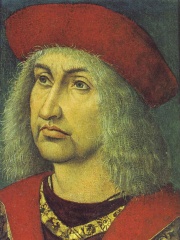
Albert III, Duke of Saxony
1443 - 1500
HPI: 67.14
Helyezés: 4,552
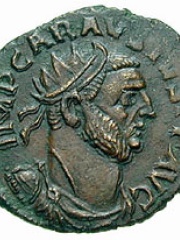
Carausius
300 - 293
HPI: 67.14
Helyezés: 4,553
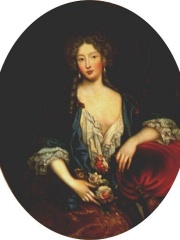
Marie Angélique de Scorailles
1661 - 1681
HPI: 67.14
Helyezés: 4,554
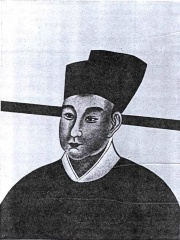
Emperor Gong of Song
1271 - 1323
HPI: 67.14
Helyezés: 4,555
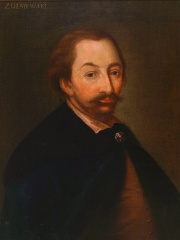
Stanisław Żółkiewski
1547 - 1620
HPI: 67.13
Helyezés: 4,556
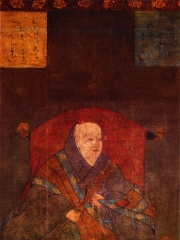
Emperor Uda
867 - 931
HPI: 67.13
Helyezés: 4,557
Hasdrubal the Fair
270 BC - 221 BC
HPI: 67.13
Helyezés: 4,558
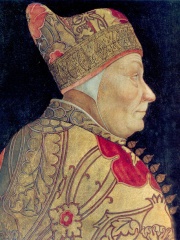
Francesco Foscari
1373 - 1457
HPI: 67.13
Helyezés: 4,559
Gérard Genette
1930 - 2018
HPI: 67.13
Helyezés: 4,560
Rudolf Schuster
1934 - napjainkig
HPI: 67.13
Helyezés: 4,561
Ivanoe Bonomi
1873 - 1951
HPI: 67.13
Helyezés: 4,562
Petru Groza
1884 - 1958
HPI: 67.13
Helyezés: 4,563
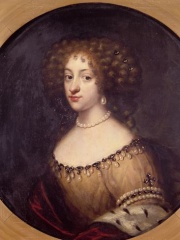
Princess Anna Sophie of Denmark
1647 - 1717
HPI: 67.13
Helyezés: 4,564

Kortársak
A(z) 270 BC. évben születettek között Hasdrubal the Fair a(z) 1. helyen áll. A(z) 221 BC. évben elhunytak között Hasdrubal the Fair a(z) 5. helyen áll. Előtte állnak: Hasdrubal Barca, Berenice II of Egypt, Ctesibius, és Conon of Samos. Utána következnek: Antigonus III Doson, Lucius Caecilius Metellus, és Sphaerus.
További személyek, akik a(z) 270 BC. évben születtek
Összes rangsor megtekintéseTovábbi személyek, akik a(z) 221 BC. évben hunytak el
Összes rangsor megtekintése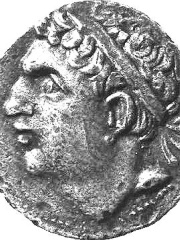
Hasdrubal Barca
MILITARY PERSONNEL
300 BC - 221 BC
HPI: 76.64
Helyezés: 1
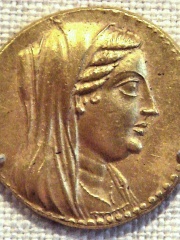
Berenice II of Egypt
COMPANION
267 BC - 221 BC
HPI: 74.99
Helyezés: 2
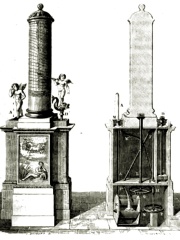
Ctesibius
MATHEMATICIAN
284 BC - 221 BC
HPI: 71.22
Helyezés: 3

Conon of Samos
MATHEMATICIAN
280 BC - 221 BC
HPI: 67.38
Helyezés: 4
Hasdrubal the Fair
POLITICIAN
270 BC - 221 BC
HPI: 67.13
Helyezés: 5
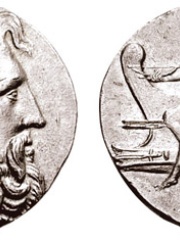
Antigonus III Doson
POLITICIAN
263 BC - 221 BC
HPI: 65.17
Helyezés: 6

Lucius Caecilius Metellus
POLITICIAN
290 BC - 221 BC
HPI: 59.35
Helyezés: 7
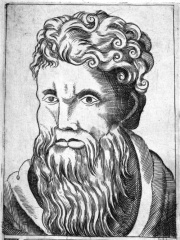
Sphaerus
PHILOSOPHER
285 BC - 221 BC
HPI: 56.35
Helyezés: 8
A(z) Tunézia rangsorában
A(z) Tunézia területén születettek között Hasdrubal the Fair a(z) 32. helyen áll NaN közül. Előtte állnak: Kais Saied (1958), Moncef Marzouki (1945), Avienus (305), Mohamed Ghannouchi (1941), Hasdrubal the Boetharch (-200), és Sabinianus (200). Utána következnek: Arnobius (255), Azzedine Alaïa (1935), Al-Mu'izz li-Din Allah (931), Al-Aziz Billah (955), Sophonisba (-300), és Georges Wolinski (1934).
További személyek, akik Tunézia területén születtek
Összes rangsor megtekintése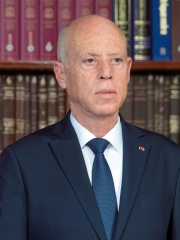
Kais Saied
POLITICIAN
1958 - napjainkig
HPI: 68.62
Helyezés: 26
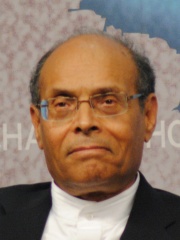
Moncef Marzouki
POLITICIAN
1945 - napjainkig
HPI: 68.39
Helyezés: 27

Avienus
WRITER
305 - 375
HPI: 68.35
Helyezés: 28
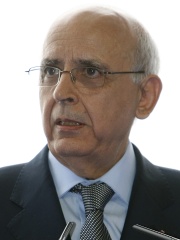
Mohamed Ghannouchi
POLITICIAN
1941 - napjainkig
HPI: 67.83
Helyezés: 29
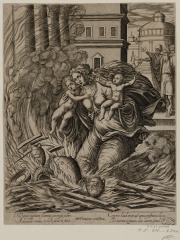
Hasdrubal the Boetharch
POLITICIAN
200 BC - 160 BC
HPI: 67.66
Helyezés: 30

Sabinianus
POLITICIAN
200 - 240
HPI: 67.29
Helyezés: 31
Hasdrubal the Fair
POLITICIAN
270 BC - 221 BC
HPI: 67.13
Helyezés: 32
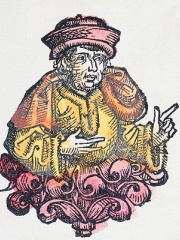
Arnobius
PHILOSOPHER
255 - 327
HPI: 67.11
Helyezés: 33
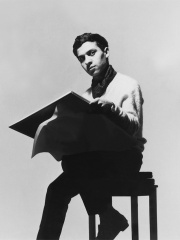
Azzedine Alaïa
POLITICIAN
1935 - 2017
HPI: 66.47
Helyezés: 34
Al-Mu'izz li-Din Allah
POLITICIAN
931 - 975
HPI: 66.44
Helyezés: 35
Al-Aziz Billah
POLITICIAN
955 - 996
HPI: 66.37
Helyezés: 36
Sophonisba
POLITICIAN
300 BC - 203 BC
HPI: 66.32
Helyezés: 37
Georges Wolinski
COMIC ARTIST
1934 - 2015
HPI: 66.28
Helyezés: 38
A(z) Politikus között – Tunézia
A(z) Tunézia területén született Politikus között Hasdrubal the Fair a(z) 19. helyen áll. Előtte állnak: Gunthamund (450), Kais Saied (1958), Moncef Marzouki (1945), Mohamed Ghannouchi (1941), Hasdrubal the Boetharch (-200), és Sabinianus (200). Utána következnek: Azzedine Alaïa (1935), Al-Mu'izz li-Din Allah (931), Al-Aziz Billah (955), Sophonisba (-300), Al-Mansur Billah (913), és Hamida Djandoubi (1949).
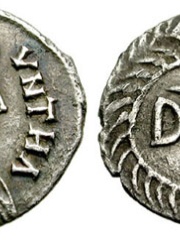
Gunthamund
450 - 477
HPI: 68.94
Helyezés: 13
Kais Saied
1958 - napjainkig
HPI: 68.62
Helyezés: 14
Moncef Marzouki
1945 - napjainkig
HPI: 68.39
Helyezés: 15
Mohamed Ghannouchi
1941 - napjainkig
HPI: 67.83
Helyezés: 16
Hasdrubal the Boetharch
200 BC - 160 BC
HPI: 67.66
Helyezés: 17
Sabinianus
200 - 240
HPI: 67.29
Helyezés: 18
Hasdrubal the Fair
270 BC - 221 BC
HPI: 67.13
Helyezés: 19
Azzedine Alaïa
1935 - 2017
HPI: 66.47
Helyezés: 20
Al-Mu'izz li-Din Allah
931 - 975
HPI: 66.44
Helyezés: 21
Al-Aziz Billah
955 - 996
HPI: 66.37
Helyezés: 22
Sophonisba
300 BC - 203 BC
HPI: 66.32
Helyezés: 23
Al-Mansur Billah
913 - 953
HPI: 65.71
Helyezés: 24
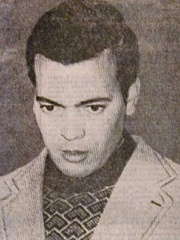
Hamida Djandoubi
1949 - 1977
HPI: 65.19
Helyezés: 25




