政治家
Maharbal
245 BC - 202 BC
JA.WIKIPEDIA ページビュー (PV)
 Maharbal
知名度指標
24k
ページビュー
過去12か月
64.66
HPI
歴史的人気指数
データインサイト
21
Maharbalの伝記はウィキペディアの21言語版に掲載され、歴史的人気指数は64.66です。
Maharbalの言語別ページビュー
政治家の中で
政治家の中で、Maharbalは20,022人中6,564位です。 彼より上位:Laimdota Straujuma, Apollonius Molon, Maurice, Landgrave of Hesse-Kassel, Prince Oskar of Prussia, Wenceslaus I, Duke of Saxe-Wittenberg, 、Princess Josephine of Baden. 彼より下位:Xerxes of Armenia, Joe Wilson, Khyan, Maria Beatrice d'Este, Duchess of Massa, Vladislaus I, Duke of Bohemia, 、Manuel de Arriaga.
ウィキペディアで最も人気のある政治家
すべてのランキングを見る
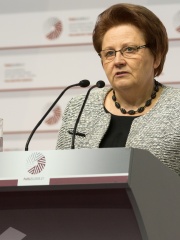
Laimdota Straujuma
1951 - 現在
HPI: 64.68
順位: 6,560

Apollonius Molon
200 BC - 100 BC
HPI: 64.67
順位: 6,561
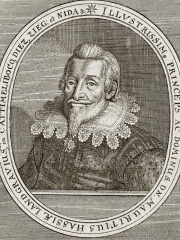
Maurice, Landgrave of Hesse-Kassel
1572 - 1632
HPI: 64.67
順位: 6,562
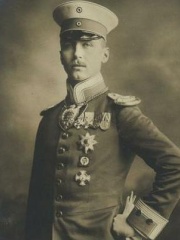
Prince Oskar of Prussia
1888 - 1958
HPI: 64.66
順位: 6,563
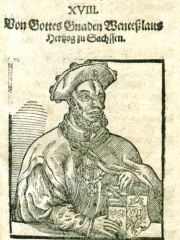
Wenceslaus I, Duke of Saxe-Wittenberg
1337 - 1388
HPI: 64.66
順位: 6,564
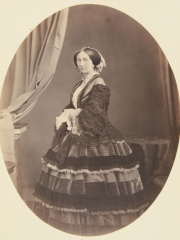
Princess Josephine of Baden
1813 - 1900
HPI: 64.66
順位: 6,565

Maharbal
245 BC - 202 BC
HPI: 64.66
順位: 6,566
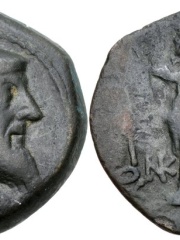
Xerxes of Armenia
300 BC - 212 BC
HPI: 64.66
順位: 6,567
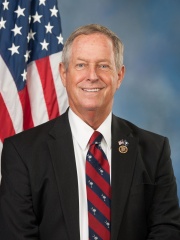
Joe Wilson
1947 - 現在
HPI: 64.65
順位: 6,568
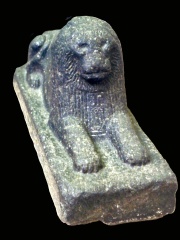
Khyan
1700 BC - 1600 BC
HPI: 64.65
順位: 6,569
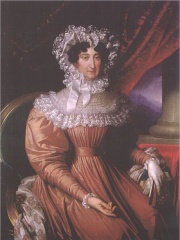
Maria Beatrice d'Este, Duchess of Massa
1750 - 1829
HPI: 64.65
順位: 6,570
Vladislaus I, Duke of Bohemia
1065 - 1125
HPI: 64.65
順位: 6,571
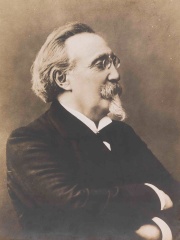
Manuel de Arriaga
1840 - 1917
HPI: 64.65
順位: 6,572

同時代の人物
245 BC年生まれの人の中で、Maharbalは1位です。 202 BC年に亡くなった人の中で、Maharbalは4位です。 彼より上位:Xiang Yu, Sanghamitta, 、Syphax. 彼より下位:Hasdrubal Gisco, Titus Manlius Torquatus, 、Consort Yu.
245 BC年生まれのその他の人物
すべてのランキングを見る202 BC年に亡くなったその他の人物
すべてのランキングを見る
Xiang Yu
POLITICIAN
232 BC - 202 BC
HPI: 74.80
順位: 1

Sanghamitta
POLITICIAN
281 BC - 202 BC
HPI: 68.90
順位: 2
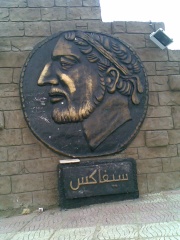
Syphax
POLITICIAN
250 BC - 202 BC
HPI: 68.63
順位: 3
Maharbal
POLITICIAN
245 BC - 202 BC
HPI: 64.66
順位: 4

Hasdrubal Gisco
MILITARY PERSONNEL
300 BC - 202 BC
HPI: 63.32
順位: 5

Titus Manlius Torquatus
POLITICIAN
290 BC - 202 BC
HPI: 60.68
順位: 6
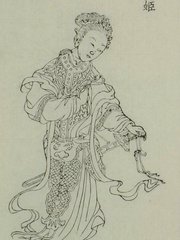
Consort Yu
COMPANION
HPI: 43.41
順位: 7
チュニジアの中で
チュニジア生まれの人の中で、Maharbalは277人中45位です。 彼より上位:F. R. David (1947), Al-Mansur Billah (913), Clitomachus (-187), Hamida Djandoubi (1949), Constantine the African (1020), 、Fulgentius of Ruspe (468). 彼より下位:Sandra Milo (1933), Salvius Julianus (115), Muhammad VIII al-Amin (1881), Hasdrubal Gisco (-300), Hanno the Navigator (-633), 、Rached Ghannouchi (1941).
チュニジア生まれのその他の人物
すべてのランキングを見る
F. R. David
SINGER
1947 - 現在
HPI: 65.90
順位: 39
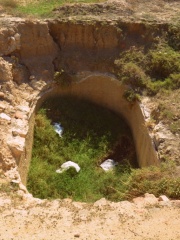
Al-Mansur Billah
POLITICIAN
913 - 953
HPI: 65.71
順位: 40

Clitomachus
PHILOSOPHER
187 BC - 110 BC
HPI: 65.41
順位: 41

Hamida Djandoubi
POLITICIAN
1949 - 1977
HPI: 65.19
順位: 42
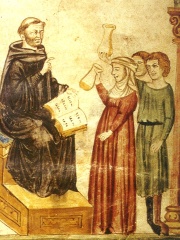
Constantine the African
PHYSICIAN
1020 - 1087
HPI: 64.85
順位: 43

Fulgentius of Ruspe
RELIGIOUS FIGURE
468 - 533
HPI: 64.74
順位: 44
Maharbal
POLITICIAN
245 BC - 202 BC
HPI: 64.66
順位: 45

Sandra Milo
ACTOR
1933 - 2024
HPI: 63.94
順位: 46

Salvius Julianus
POLITICIAN
115 - 170
HPI: 63.83
順位: 47
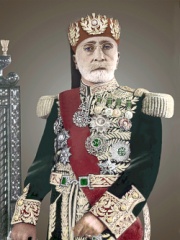
Muhammad VIII al-Amin
POLITICIAN
1881 - 1962
HPI: 63.72
順位: 48
Hasdrubal Gisco
MILITARY PERSONNEL
300 BC - 202 BC
HPI: 63.32
順位: 49

Hanno the Navigator
EXPLORER
633 BC - 530 BC
HPI: 63.30
順位: 50
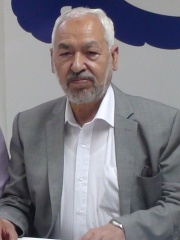
Rached Ghannouchi
POLITICIAN
1941 - 現在
HPI: 63.23
順位: 51
チュニジアの政治家の中で
チュニジア生まれの政治家の中で、Maharbalは26位です。 彼より上位:Azzedine Alaïa (1935), Al-Mu'izz li-Din Allah (931), Al-Aziz Billah (955), Sophonisba (-300), Al-Mansur Billah (913), 、Hamida Djandoubi (1949). 彼より下位:Salvius Julianus (115), Muhammad VIII al-Amin (1881), Rached Ghannouchi (1941), Gaius Claudius Nero (-300), Mohamed Ennaceur (1934), 、Najla Bouden (1958).

Azzedine Alaïa
1935 - 2017
HPI: 66.47
順位: 20
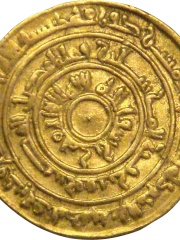
Al-Mu'izz li-Din Allah
931 - 975
HPI: 66.44
順位: 21
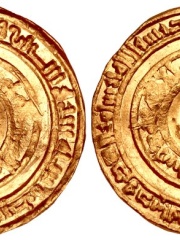
Al-Aziz Billah
955 - 996
HPI: 66.37
順位: 22
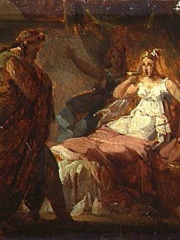
Sophonisba
300 BC - 203 BC
HPI: 66.32
順位: 23
Al-Mansur Billah
913 - 953
HPI: 65.71
順位: 24
Hamida Djandoubi
1949 - 1977
HPI: 65.19
順位: 25
Maharbal
245 BC - 202 BC
HPI: 64.66
順位: 26
Salvius Julianus
115 - 170
HPI: 63.83
順位: 27
Muhammad VIII al-Amin
1881 - 1962
HPI: 63.72
順位: 28
Rached Ghannouchi
1941 - 現在
HPI: 63.23
順位: 29
Gaius Claudius Nero
300 BC - 260 BC
HPI: 63.12
順位: 30
Mohamed Ennaceur
1934 - 現在
HPI: 62.78
順位: 31

Najla Bouden
1958 - 現在
HPI: 62.54
順位: 32




