Chemiker
Gerhard Ertl
1936 - heute
DE.WIKIPEDIA-SEITENAUFRUFE (PV)
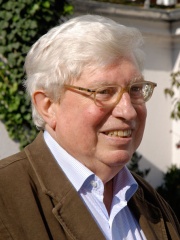
 Gerhard Ertl
Seine Biografie ist in 63 verschiedenen Sprachen auf Wikipedia verfügbar (gestiegen von 61 im Jahr 2024). Gerhard Ertl ist der 137th beliebteste Chemiker (gesunken vom 118th im Jahr 2024), die 528th beliebteste Biografie aus Deutschland (gestiegen vom 656th im Jahr 2019) und der 25th beliebteste aus Deutschland Chemiker.
Bekanntheitsmetriken
27k
Seitenaufrufe
Letzte 12 Monate
72.12
HPI
Historischer Popularitätsindex
Daten-Einblicke
#1
Gerhard Ertl ist die bekannteste der 4 bedeutenden Persönlichkeiten, die in Bad Cannstatt, Deutschland, geboren wurden — noch vor Hermann Lang, Otto Fahr und Eugen Baumann.
63
Die Biografie von Gerhard Ertl erscheint in 63 Sprachversionen der Wikipedia – mehr als bei 86 % aller Chemiker.
10. Okt.
Gerhard Ertl hat am selben Tag Geburtstag (10. Oktober) wie Giuseppe Verdi, Selim I und Fridtjof Nansen.
Seitenaufrufe von Gerhard Ertl nach Sprache
Unter Chemiker
Unter Chemiker belegt Gerhard Ertl Rang 137 von 602. Vor ihm stehen Jaroslav Heyrovský, Richard R. Ernst, Joseph Proust, John Cornforth, Harold Urey, und Wilfrid Voynich. Nach ihm folgen Robert Burns Woodward, Paul Flory, Jean-Marie Lehn, Johan Gadolin, Michel Eugène Chevreul, und Julius Lothar Meyer.
Die beliebtesten Chemiker auf Wikipedia
Zu allen Ranglisten
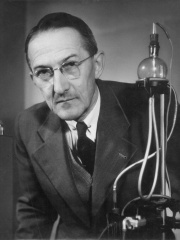
Jaroslav Heyrovský
1890 - 1967
HPI: 72.28
Rang: 131
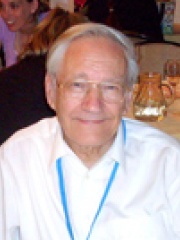
Richard R. Ernst
1933 - 2021
HPI: 72.24
Rang: 132
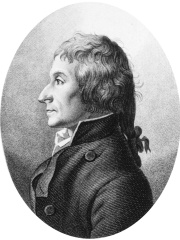
Joseph Proust
1754 - 1826
HPI: 72.24
Rang: 133
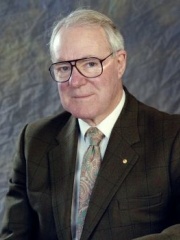
John Cornforth
1917 - 2013
HPI: 72.18
Rang: 134
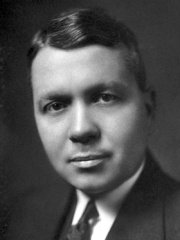
Harold Urey
1893 - 1981
HPI: 72.17
Rang: 135
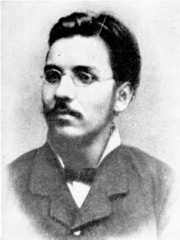
Wilfrid Voynich
1865 - 1930
HPI: 72.15
Rang: 136
Gerhard Ertl
1936 - heute
HPI: 72.12
Rang: 137
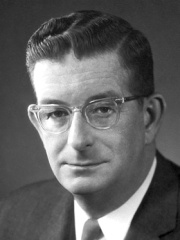
Robert Burns Woodward
1917 - 1979
HPI: 72.08
Rang: 138
Paul Flory
1910 - 1985
HPI: 72.08
Rang: 139
Jean-Marie Lehn
1939 - heute
HPI: 72.03
Rang: 140
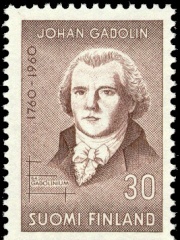
Johan Gadolin
1760 - 1852
HPI: 71.95
Rang: 141
Michel Eugène Chevreul
1786 - 1889
HPI: 71.93
Rang: 142
Julius Lothar Meyer
1830 - 1895
HPI: 71.87
Rang: 143

Zeitgenossen
Unter den im Jahr 1936 Geborenen belegt Gerhard Ertl Rang 34. Vor ihm stehen Virna Lisi, Ursula Andress, Richard Bach, Dennis Hopper, Günter Blobel, und Uwe Seeler. Nach ihm folgen Robert Downey Sr., Georges Perec, Wilt Chamberlain, Jim Clark, Alan J. Heeger, und Roy Orbison.
Weitere im Jahr 1936 Geborene
Zu allen Ranglisten
Virna Lisi
ACTOR
1936 - 2014
HPI: 72.50
Rang: 28

Ursula Andress
ACTOR
1936 - heute
HPI: 72.46
Rang: 29
Richard Bach
WRITER
1936 - heute
HPI: 72.37
Rang: 30
Dennis Hopper
ACTOR
1936 - 2010
HPI: 72.32
Rang: 31
Günter Blobel
BIOLOGIST
1936 - 2018
HPI: 72.27
Rang: 32
Uwe Seeler
SOCCER PLAYER
1936 - 2022
HPI: 72.14
Rang: 33
Gerhard Ertl
CHEMIST
1936 - heute
HPI: 72.12
Rang: 34
Robert Downey Sr.
ACTOR
1936 - 2021
HPI: 72.11
Rang: 35
Georges Perec
WRITER
1936 - 1982
HPI: 71.72
Rang: 36
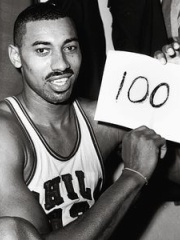
Wilt Chamberlain
BASKETBALL PLAYER
1936 - 1999
HPI: 71.64
Rang: 37
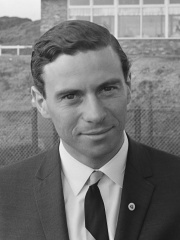
Jim Clark
RACING DRIVER
1936 - 1968
HPI: 71.32
Rang: 38
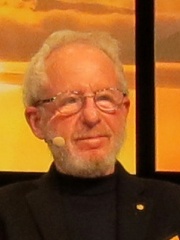
Alan J. Heeger
CHEMIST
1936 - heute
HPI: 70.82
Rang: 39
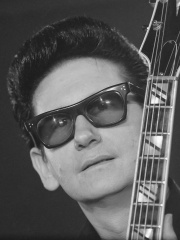
Roy Orbison
SINGER
1936 - 1988
HPI: 70.61
Rang: 40
In Deutschland
Unter den in Deutschland Geborenen belegt Gerhard Ertl Rang 528 von 7,253. Vor ihm stehen Elisabeth Ludovika of Bavaria (1801), Friedrich Georg Wilhelm von Struve (1793), Caroline of Baden (1776), Walter Schellenberg (1910), Uwe Seeler (1936), und Prince Maximilian of Baden (1867). Nach ihm folgen Wassily Leontief (1906), Bruno of Cologne (1030), Alfred von Schlieffen (1833), Joachim Frederick, Elector of Brandenburg (1546), Felix Klein (1849), und Walter Scheel (1919).
Weitere in Deutschland geborene Personen
Zu allen Ranglisten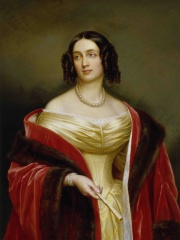
Elisabeth Ludovika of Bavaria
POLITICIAN
1801 - 1873
HPI: 72.16
Rang: 522
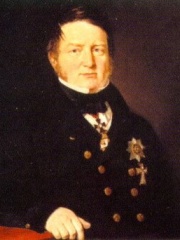
Friedrich Georg Wilhelm von Struve
ASTRONOMER
1793 - 1864
HPI: 72.16
Rang: 523
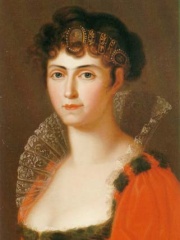
Caroline of Baden
COMPANION
1776 - 1841
HPI: 72.14
Rang: 524
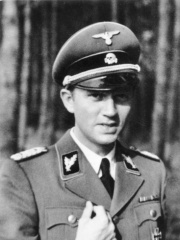
Walter Schellenberg
POLITICIAN
1910 - 1952
HPI: 72.14
Rang: 525
Uwe Seeler
SOCCER PLAYER
1936 - 2022
HPI: 72.14
Rang: 526
Prince Maximilian of Baden
POLITICIAN
1867 - 1929
HPI: 72.13
Rang: 527
Gerhard Ertl
CHEMIST
1936 - heute
HPI: 72.12
Rang: 528
Wassily Leontief
ECONOMIST
1906 - 1999
HPI: 72.12
Rang: 529
Bruno of Cologne
RELIGIOUS FIGURE
1030 - 1101
HPI: 72.10
Rang: 530
Alfred von Schlieffen
MILITARY PERSONNEL
1833 - 1913
HPI: 72.10
Rang: 531
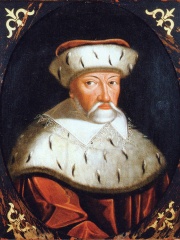
Joachim Frederick, Elector of Brandenburg
POLITICIAN
1546 - 1608
HPI: 72.09
Rang: 532
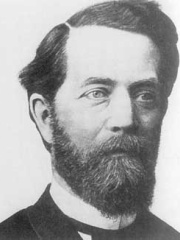
Felix Klein
MATHEMATICIAN
1849 - 1925
HPI: 72.08
Rang: 533
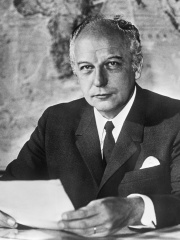
Walter Scheel
POLITICIAN
1919 - 2016
HPI: 72.07
Rang: 534
Unter Chemiker in Deutschland
Unter den in Deutschland geborenen Chemiker belegt Gerhard Ertl Rang 25. Vor ihm stehen Carl Bosch (1874), Hans Fischer (1881), Ernst Otto Fischer (1918), Heinrich Otto Wieland (1877), Manfred Eigen (1927), und Johann Wolfgang Döbereiner (1780). Nach ihm folgen Julius Lothar Meyer (1830), Johann Rudolf Glauber (1604), Hermann Kolbe (1818), Martin Heinrich Klaproth (1743), Feodor Lynen (1911), und Georg Wittig (1897).
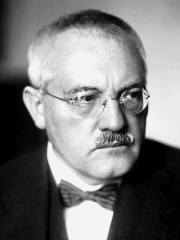
Carl Bosch
1874 - 1940
HPI: 74.58
Rang: 19
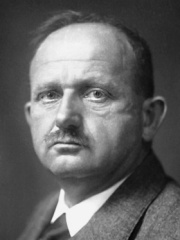
Hans Fischer
1881 - 1945
HPI: 74.11
Rang: 20
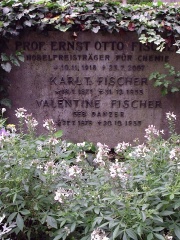
Ernst Otto Fischer
1918 - 2007
HPI: 74.02
Rang: 21
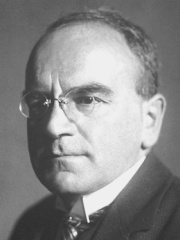
Heinrich Otto Wieland
1877 - 1957
HPI: 73.85
Rang: 22
Manfred Eigen
1927 - 2019
HPI: 73.15
Rang: 23
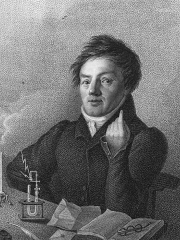
Johann Wolfgang Döbereiner
1780 - 1849
HPI: 72.54
Rang: 24
Gerhard Ertl
1936 - heute
HPI: 72.12
Rang: 25
Julius Lothar Meyer
1830 - 1895
HPI: 71.87
Rang: 26
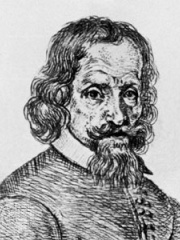
Johann Rudolf Glauber
1604 - 1670
HPI: 71.76
Rang: 27
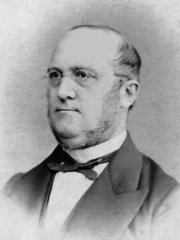
Hermann Kolbe
1818 - 1884
HPI: 71.52
Rang: 28
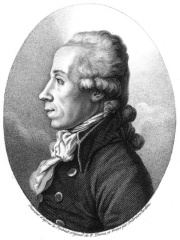
Martin Heinrich Klaproth
1743 - 1817
HPI: 71.51
Rang: 29
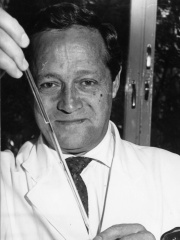
Feodor Lynen
1911 - 1979
HPI: 71.36
Rang: 30
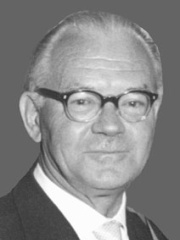
Georg Wittig
1897 - 1987
HPI: 71.26
Rang: 31




