Sociaal activist
Klaus Störtebeker
1360 - 1401
NL.WIKIPEDIA PAGE VIEWS (PV)
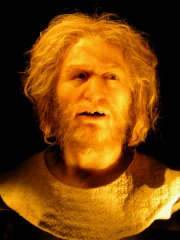
 Klaus Störtebeker
Zijn biografie is beschikbaar in 25 verschillende talen op Wikipedia. Klaus Störtebeker staat op plaats 184 onder de meest populaire sociaal activist (gedaald van plaats 153 in 2024), plaats 1.577 onder de meest populaire biografieën uit Duitsland (gedaald van plaats 1.257 in 2019) en op plaats 17 onder de populairste sociaal activist uit Duitsland.
Memorability Metrics
250k
Page Views
Past 12 months
65.39
HPI
Historical Popularity Index
Page views of Klaus Störtebeker by language
Among Sociaal activists
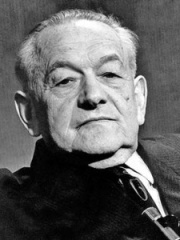
Among sociaal activists, Klaus Störtebeker ranks 184 out of 840. Before him are Chico Mendes, Paul Schäfer, Gretl Braun, Vinoba Bhave, Jan Karski, and Manuela Sáenz. After him are Carl Oberg, Kailash Satyarthi, Billy Milligan, Engelbrekt Engelbrektsson, Rudi Dutschke, and Leopold Trepper.
Most Popular Sociaal Activists in Wikipedia
Go to all Rankings
Chico Mendes
1944 - 1988
HPI: 65.85
Rank: 178
Paul Schäfer
1921 - 2010
HPI: 65.76
Rank: 179
Gretl Braun
1915 - 1987
HPI: 65.74
Rank: 180
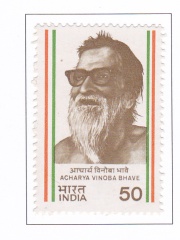
Vinoba Bhave
1895 - 1982
HPI: 65.67
Rank: 181
Jan Karski
1914 - 2000
HPI: 65.62
Rank: 182
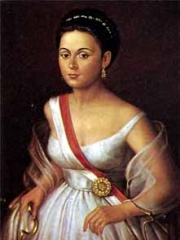
Manuela Sáenz
1797 - 1856
HPI: 65.49
Rank: 183
Klaus Störtebeker
1360 - 1401
HPI: 65.39
Rank: 184
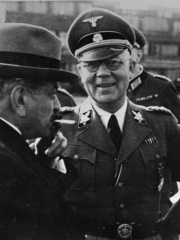
Carl Oberg
1897 - 1965
HPI: 65.39
Rank: 185
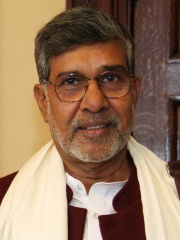
Kailash Satyarthi
1954 - Present
HPI: 65.39
Rank: 186
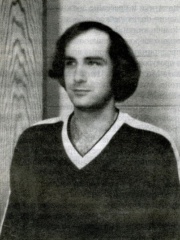
Billy Milligan
1955 - 2014
HPI: 65.38
Rank: 187
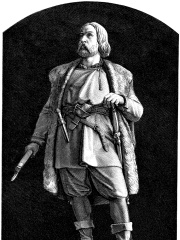
Engelbrekt Engelbrektsson
1390 - 1436
HPI: 65.34
Rank: 188
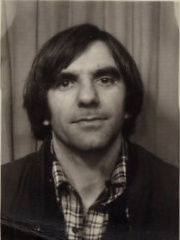
Rudi Dutschke
1940 - 1979
HPI: 65.28
Rank: 189
Leopold Trepper
1904 - 1982
HPI: 65.18
Rank: 190

Contemporaries
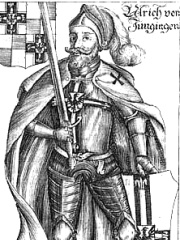
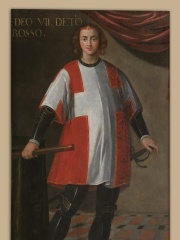
Among people born in 1360, Klaus Störtebeker ranks 11. Before him are Philippa of Lancaster, Ulrich von Jungingen, Amadeus VII, Count of Savoy, Cennino Cennini, Nuno Álvares Pereira, and Joseph II of Constantinople. After him are Dorotea Bucca, and Caterina Visconti. Among people deceased in 1401, Klaus Störtebeker ranks 2. Before him is Anabella Drummond. After him are Maria, Queen of Sicily, Dinis Dias, Vladislaus II of Opole, and George Kodinos.
Others Born in 1360
Go to all Rankings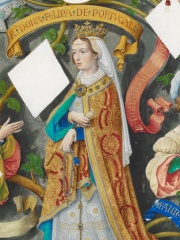
Philippa of Lancaster
COMPANION
1360 - 1415
HPI: 69.92
Rank: 5
Ulrich von Jungingen
POLITICIAN
1360 - 1410
HPI: 68.51
Rank: 6
Amadeus VII, Count of Savoy
NOBLEMAN
1360 - 1391
HPI: 66.69
Rank: 7
Cennino Cennini
PAINTER
1360 - 1440
HPI: 66.37
Rank: 8
Nuno Álvares Pereira
POLITICIAN
1360 - 1431
HPI: 66.25
Rank: 9
Joseph II of Constantinople
RELIGIOUS FIGURE
1360 - 1439
HPI: 66.01
Rank: 10
Klaus Störtebeker
SOCIAL ACTIVIST
1360 - 1401
HPI: 65.39
Rank: 11

Dorotea Bucca
PHYSICIAN
1360 - 1436
HPI: 59.85
Rank: 12
Caterina Visconti
POLITICIAN
1360 - 1404
HPI: 58.99
Rank: 13
Others Deceased in 1401
Go to all Rankings
Anabella Drummond
COMPANION
1350 - 1401
HPI: 65.61
Rank: 1
Klaus Störtebeker
SOCIAL ACTIVIST
1360 - 1401
HPI: 65.39
Rank: 2
Maria, Queen of Sicily
1363 - 1401
HPI: 65.27
Rank: 3
Dinis Dias
EXPLORER
HPI: 61.11
Rank: 4
Vladislaus II of Opole
POLITICIAN
1332 - 1401
HPI: 59.62
Rank: 5

George Kodinos
WRITER
1350 - 1401
HPI: 58.92
Rank: 6
In Duitsland
Among people born in Duitsland, Klaus Störtebeker ranks 1,577 out of NaN. Before him are Duke Pius August in Bavaria (1786), Karl August Wittfogel (1896), Marita Koch (1957), Leopold, Grand Duke of Baden (1790), Maria Riva (1924), and John Adolf, Duke of Holstein-Gottorp (1575). After him are Peter von Cornelius (1784), Carl Oberg (1897), Paul Rée (1849), Louis IX, Landgrave of Hesse-Darmstadt (1719), James Mayer de Rothschild (1792), and Peter Cornelius (1824).
Others born in Duitsland
Go to all Rankings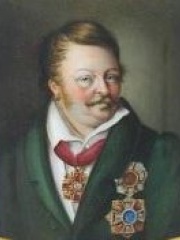
Duke Pius August in Bavaria
POLITICIAN
1786 - 1837
HPI: 65.41
Rank: 1,571
Karl August Wittfogel
POLITICIAN
1896 - 1988
HPI: 65.40
Rank: 1,572
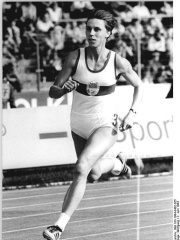
Marita Koch
ATHLETE
1957 - Present
HPI: 65.40
Rank: 1,573
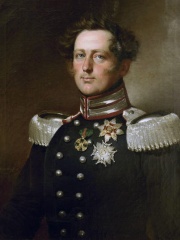
Leopold, Grand Duke of Baden
POLITICIAN
1790 - 1852
HPI: 65.40
Rank: 1,574
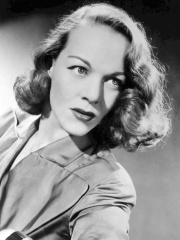
Maria Riva
ACTOR
1924 - 2025
HPI: 65.40
Rank: 1,575
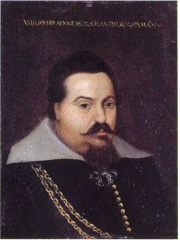
John Adolf, Duke of Holstein-Gottorp
NOBLEMAN
1575 - 1616
HPI: 65.39
Rank: 1,576
Klaus Störtebeker
SOCIAL ACTIVIST
1360 - 1401
HPI: 65.39
Rank: 1,577
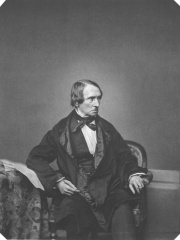
Peter von Cornelius
PAINTER
1784 - 1867
HPI: 65.39
Rank: 1,578
Carl Oberg
SOCIAL ACTIVIST
1897 - 1965
HPI: 65.39
Rank: 1,579
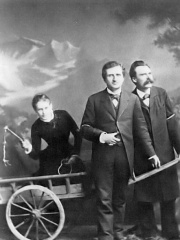
Paul Rée
WRITER
1849 - 1901
HPI: 65.37
Rank: 1,580
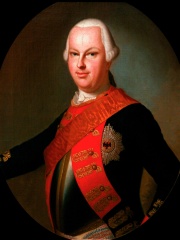
Louis IX, Landgrave of Hesse-Darmstadt
POLITICIAN
1719 - 1790
HPI: 65.37
Rank: 1,581
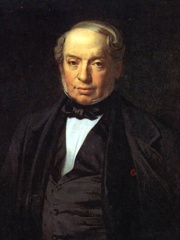
James Mayer de Rothschild
BUSINESSPERSON
1792 - 1868
HPI: 65.36
Rank: 1,582
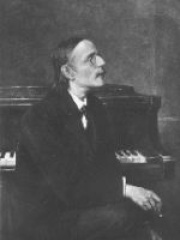
Peter Cornelius
COMPOSER
1824 - 1874
HPI: 65.35
Rank: 1,583
Among Sociaal activists In Duitsland
Among sociaal activists born in Duitsland, Klaus Störtebeker ranks 17. Before him are Hans Scholl (1918), Marianne Bachmeier (1950), Alfred Naujocks (1911), Gerda Christian (1913), Paul Schäfer (1921), and Gretl Braun (1915). After him are Carl Oberg (1897), Rudi Dutschke (1940), Friedrich Wilhelm Raiffeisen (1818), Christoph Probst (1919), Ludolf von Alvensleben (1901), and Harro Schulze-Boysen (1909).
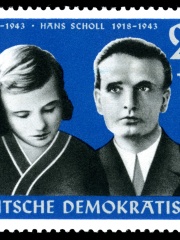
Hans Scholl
1918 - 1943
HPI: 68.26
Rank: 11
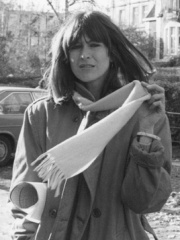
Marianne Bachmeier
1950 - 1996
HPI: 67.91
Rank: 12
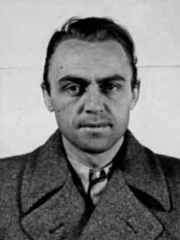
Alfred Naujocks
1911 - 1966
HPI: 67.74
Rank: 13
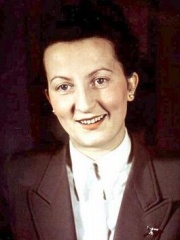
Gerda Christian
1913 - 1997
HPI: 66.26
Rank: 14
Paul Schäfer
1921 - 2010
HPI: 65.76
Rank: 15
Gretl Braun
1915 - 1987
HPI: 65.74
Rank: 16
Klaus Störtebeker
1360 - 1401
HPI: 65.39
Rank: 17
Carl Oberg
1897 - 1965
HPI: 65.39
Rank: 18
Rudi Dutschke
1940 - 1979
HPI: 65.28
Rank: 19
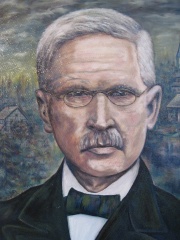
Friedrich Wilhelm Raiffeisen
1818 - 1888
HPI: 65.03
Rank: 20
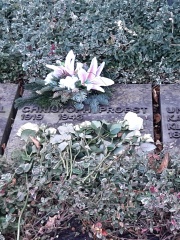
Christoph Probst
1919 - 1943
HPI: 64.07
Rank: 21
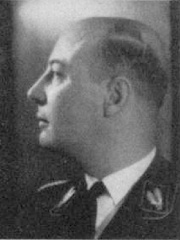
Ludolf von Alvensleben
1901 - 1970
HPI: 64.03
Rank: 22
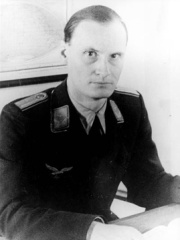
Harro Schulze-Boysen
1909 - 1942
HPI: 63.50
Rank: 23




