Politiker
Fulvia
77 BC - 40 BC
DE.WIKIPEDIA-SEITENAUFRUFE (PV)
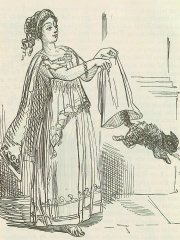
 Fulvia
Ihre Biografie ist in 30 verschiedenen Sprachen auf Wikipedia verfügbar. Fulvia ist die 3,451st beliebteste Politiker (gesunken vom 3,006th im Jahr 2024), die 1,074th beliebteste Biografie aus Italien (gesunken vom 989th im Jahr 2019) und die 232nd beliebteste aus Italien Politiker.
Bekanntheitsmetriken
130k
Seitenaufrufe
Letzte 12 Monate
68.82
HPI
Historischer Popularitätsindex
Daten-Einblicke
30
Die Biografie von Fulvia umfasst 30 Sprachversionen der Wikipedia und erreicht einen Historischen Popularitätsindex von 68.82.
Seitenaufrufe von Fulvia nach Sprache
Unter Politiker
Unter Politiker belegt Fulvia Rang 3,449 von 20,022. Vor ihr stehen Hyeokgeose of Silla, Psamtik II, Mohammad bin Salman, Kim Koo, Pharamond, und Hedwig Eleonora of Holstein-Gottorp. Nach ihr folgen Mikhail Mishustin, Lucius Julius Caesar, Emperor Kōtoku, Sajida Talfah, Fujiko Fujio, und Harald Quandt.
Die beliebtesten Politiker auf Wikipedia
Zu allen Ranglisten

Hyeokgeose of Silla
69 v. Chr. - 4
HPI: 68.83
Rang: 3,445
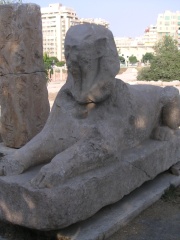
Psamtik II
700 v. Chr. - 589 v. Chr.
HPI: 68.83
Rang: 3,446

Mohammad bin Salman
1985 - heute
HPI: 68.83
Rang: 3,447
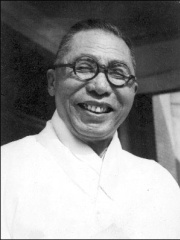
Kim Koo
1876 - 1949
HPI: 68.82
Rang: 3,448
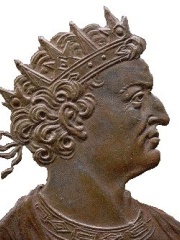
Pharamond
370 - 427
HPI: 68.82
Rang: 3,449

Hedwig Eleonora of Holstein-Gottorp
1636 - 1715
HPI: 68.82
Rang: 3,450
Fulvia
77 v. Chr. - 40 v. Chr.
HPI: 68.82
Rang: 3,451
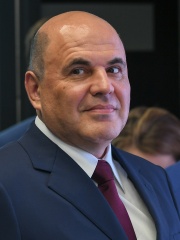
Mikhail Mishustin
1966 - heute
HPI: 68.81
Rang: 3,452

Lucius Julius Caesar
135 v. Chr. - 87 v. Chr.
HPI: 68.81
Rang: 3,453

Emperor Kōtoku
596 - 654
HPI: 68.81
Rang: 3,454

Sajida Talfah
1937 - heute
HPI: 68.81
Rang: 3,455

Fujiko Fujio
1934 - 1996
HPI: 68.81
Rang: 3,456

Harald Quandt
1921 - 1967
HPI: 68.81
Rang: 3,457

Zeitgenossen
Unter den im Jahr 77 BC Geborenen belegt Fulvia Rang 3. Vor ihr stehen Calpurnia, und Berenice IV of Egypt. Nach ihr folgt Liu Xiang. Unter den im Jahr 40 BC Verstorbenen belegt Fulvia Rang 1. Nach ihr folgen Gaius Claudius Marcellus Minor, Lucius Julius Caesar, Asclepiades of Bithynia, Quintus Salvidienus Rufus, und Quintus Fufius Calenus.
Weitere im Jahr 77 BC Geborene
Zu allen Ranglisten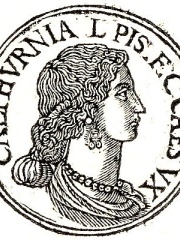
Calpurnia
POLITICIAN
77 v. Chr. - heute
HPI: 74.39
Rang: 1
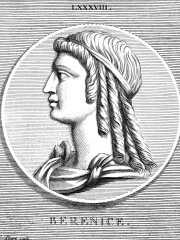
Berenice IV of Egypt
POLITICIAN
77 v. Chr. - 55 v. Chr.
HPI: 72.89
Rang: 2
Fulvia
POLITICIAN
77 v. Chr. - 40 v. Chr.
HPI: 68.82
Rang: 3

Liu Xiang
POLITICIAN
77 v. Chr. - 6 v. Chr.
HPI: 65.96
Rang: 4
Weitere im Jahr 40 BC Verstorbene
Zu allen RanglistenFulvia
POLITICIAN
77 v. Chr. - 40 v. Chr.
HPI: 68.82
Rang: 1
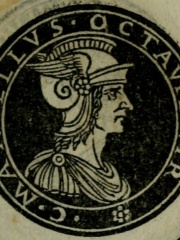
Gaius Claudius Marcellus Minor
POLITICIAN
88 v. Chr. - 40 v. Chr.
HPI: 68.21
Rang: 2

Lucius Julius Caesar
POLITICIAN
110 v. Chr. - 40 v. Chr.
HPI: 65.35
Rang: 3
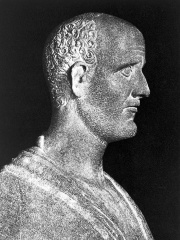
Asclepiades of Bithynia
PHYSICIAN
120 v. Chr. - 40 v. Chr.
HPI: 65.31
Rang: 4
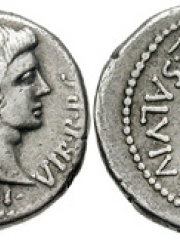
Quintus Salvidienus Rufus
MILITARY PERSONNEL
100 v. Chr. - 40 v. Chr.
HPI: 61.82
Rang: 5
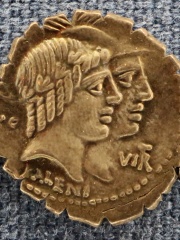
Quintus Fufius Calenus
MILITARY PERSONNEL
50 v. Chr. - 40 v. Chr.
HPI: 59.95
Rang: 6
In Italien
Unter den in Italien Geborenen belegt Fulvia Rang 1,074 von 5,905. Vor ihr stehen Janus of Cyprus (1375), Giuseppe Caspar Mezzofanti (1774), Marie Mancini (1639), Giacomo Carissimi (1605), Nina Ricci (1883), und Pietro Locatelli (1695). Nach ihr folgen Lucius Julius Caesar (-135), Aloysius Lilius (1510), Gino Bartali (1914), Gabriele Falloppio (1523), Sextus Pompey (-67), und Johann Lukas von Hildebrandt (1668).
Weitere in Italien geborene Personen
Zu allen Ranglisten
Janus of Cyprus
POLITICIAN
1375 - 1432
HPI: 68.84
Rang: 1,068
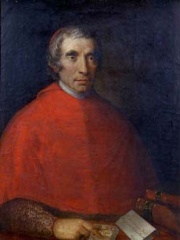
Giuseppe Caspar Mezzofanti
RELIGIOUS FIGURE
1774 - 1849
HPI: 68.84
Rang: 1,069
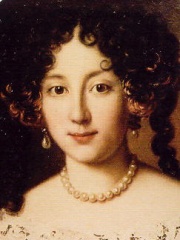
Marie Mancini
WRITER
1639 - 1715
HPI: 68.84
Rang: 1,070

Giacomo Carissimi
COMPOSER
1605 - 1674
HPI: 68.83
Rang: 1,071

Nina Ricci
DESIGNER
1883 - 1970
HPI: 68.82
Rang: 1,072
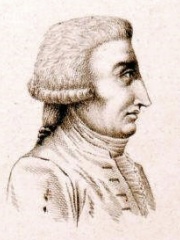
Pietro Locatelli
COMPOSER
1695 - 1764
HPI: 68.82
Rang: 1,073
Fulvia
POLITICIAN
77 v. Chr. - 40 v. Chr.
HPI: 68.82
Rang: 1,074
Lucius Julius Caesar
POLITICIAN
135 v. Chr. - 87 v. Chr.
HPI: 68.81
Rang: 1,075
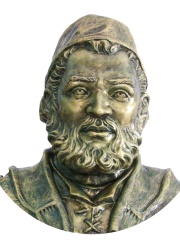
Aloysius Lilius
MATHEMATICIAN
1510 - 1576
HPI: 68.80
Rang: 1,076
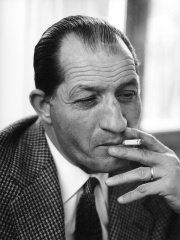
Gino Bartali
CYCLIST
1914 - 2000
HPI: 68.80
Rang: 1,077
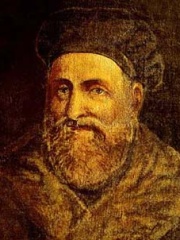
Gabriele Falloppio
BIOLOGIST
1523 - 1562
HPI: 68.80
Rang: 1,078
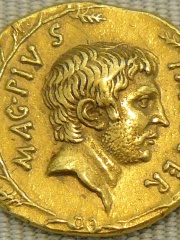
Sextus Pompey
PIRATE
67 v. Chr. - 35 v. Chr.
HPI: 68.79
Rang: 1,079
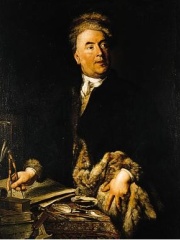
Johann Lukas von Hildebrandt
ARCHITECT
1668 - 1745
HPI: 68.79
Rang: 1,080
Unter Politiker in Italien
Unter den in Italien geborenen Politiker belegt Fulvia Rang 232. Vor ihr stehen Charles Felix of Sardinia (1765), Maria Theresa of Austria-Este, Queen of Sardinia (1773), Publius Cornelius Dolabella (-70), Cola di Rienzo (1313), Alfonso IV of Aragon (1299), und Janus of Cyprus (1375). Nach ihr folgen Lucius Julius Caesar (-135), Guy III of Spoleto (900), Gelon (-600), Olympia Mancini, Countess of Soissons (1638), Luigi Einaudi (1874), und Marcomer (400).
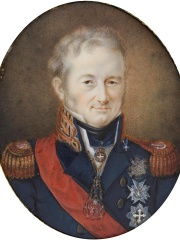
Charles Felix of Sardinia
1765 - 1831
HPI: 68.97
Rang: 226
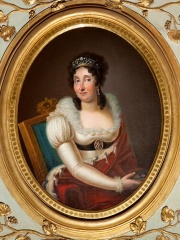
Maria Theresa of Austria-Este, Queen of Sardinia
1773 - 1832
HPI: 68.97
Rang: 227

Publius Cornelius Dolabella
70 v. Chr. - 43 v. Chr.
HPI: 68.89
Rang: 228
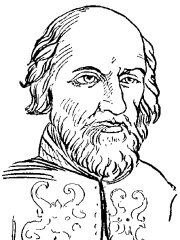
Cola di Rienzo
1313 - 1354
HPI: 68.85
Rang: 229

Alfonso IV of Aragon
1299 - 1336
HPI: 68.84
Rang: 230
Janus of Cyprus
1375 - 1432
HPI: 68.84
Rang: 231
Fulvia
77 v. Chr. - 40 v. Chr.
HPI: 68.82
Rang: 232
Lucius Julius Caesar
135 v. Chr. - 87 v. Chr.
HPI: 68.81
Rang: 233
Guy III of Spoleto
900 - 894
HPI: 68.77
Rang: 234
Gelon
600 v. Chr. - 477 v. Chr.
HPI: 68.76
Rang: 235
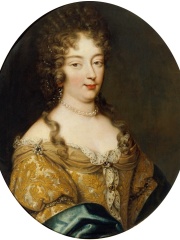
Olympia Mancini, Countess of Soissons
1638 - 1708
HPI: 68.76
Rang: 236
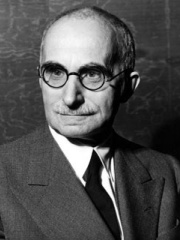
Luigi Einaudi
1874 - 1961
HPI: 68.70
Rang: 237
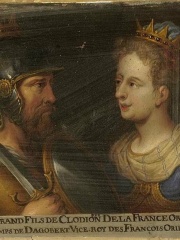
Marcomer
400 - 392
HPI: 68.67
Rang: 238




