Religieuze figuur
Dorothea of Montau
1347 - 1394
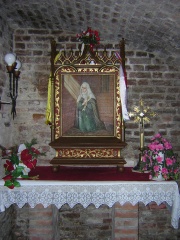
 Dorothea of Montau
Haar biografie is beschikbaar in 15 verschillende talen op Wikipedia. Dorothea of Montau staat op plaats 2.306 onder de meest populaire religieuze figuur (gedaald van plaats 1.964 in 2024), plaats 763 onder de meest populaire biografieën uit Polen (gedaald van plaats 684 in 2019) en op plaats 36 onder de populairste religieuze figuur uit Polen.
Bekendheidsstatistieken
17k
Paginaweergaven
Afgelopen 12 maanden
59.20
HPI
Historische populariteitsindex
Paginaweergaven van Dorothea of Montau per taal
Onder Religieuze figuur
Onder Religieuze figuur staat Dorothea of Montau op plaats 2,306 van 3,187. Vóór haar staan David Wilkerson, Frei Galvão, Mangsong Mangtsen, Nicolò Longobardo, Camillo Caccia Dominioni, en Angelo Felici. Na haar komen Nilus of Sinai, Saint Sturm, Fortunato Baldelli, Luigi Maglione, Pascalina Lehnert, en Julius Döpfner.
Populairste Religieuze figuur op Wikipedia
Naar alle ranglijsten

David Wilkerson
1931 - 2011
HPI: 59.22
Plaats: 2,300
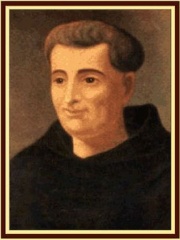
Frei Galvão
1739 - 1822
HPI: 59.22
Plaats: 2,301

Mangsong Mangtsen
601 - 676
HPI: 59.22
Plaats: 2,302
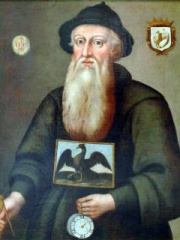
Nicolò Longobardo
1565 - 1655
HPI: 59.20
Plaats: 2,303
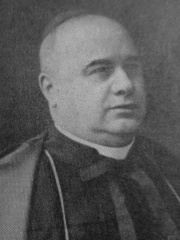
Camillo Caccia Dominioni
1877 - 1946
HPI: 59.20
Plaats: 2,304
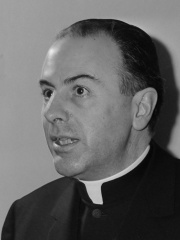
Angelo Felici
1919 - 2007
HPI: 59.20
Plaats: 2,305
Dorothea of Montau
1347 - 1394
HPI: 59.20
Plaats: 2,306
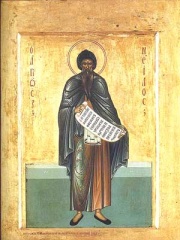
Nilus of Sinai
400 - 430
HPI: 59.20
Plaats: 2,307
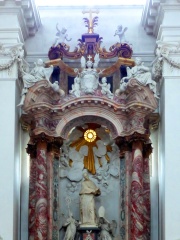
Saint Sturm
704 - 779
HPI: 59.19
Plaats: 2,308
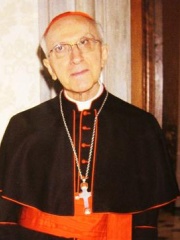
Fortunato Baldelli
1935 - heden
HPI: 59.19
Plaats: 2,309
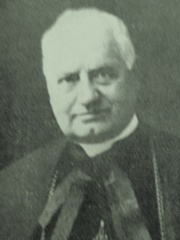
Luigi Maglione
1877 - 1944
HPI: 59.18
Plaats: 2,310
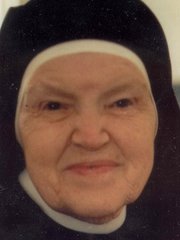
Pascalina Lehnert
1894 - 1983
HPI: 59.18
Plaats: 2,311
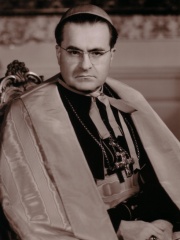
Julius Döpfner
1913 - 1976
HPI: 59.17
Plaats: 2,312

Tijdgenoten
Onder de mensen geboren in 1347 staat Dorothea of Montau op plaats 8. Vóór haar staan Elizabeth of Pomerania, Emperor Go-Kameyama, Frederick III, Duke of Austria, Beatrice of Portugal, Margaret of Durazzo, en Richardis of Schwerin, Queen of Sweden. Onder de mensen overleden in 1394 staat Dorothea of Montau op plaats 10. Vóór haar staan Emperor Chōkei, John Hawkwood, Mary de Bohun, Constance of Castile, Duchess of Lancaster, Adolf III of the Marck, en Nerio I Acciaioli. Na haar komt Maria Angelina Doukaina Palaiologina.
Anderen geboren in 1347
Naar alle ranglijsten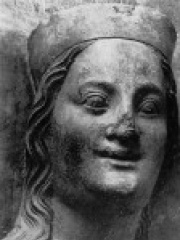
Elizabeth of Pomerania
COMPANION
1347 - 1393
HPI: 69.39
Plaats: 2
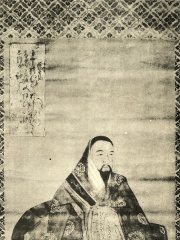
Emperor Go-Kameyama
POLITICIAN
1347 - 1424
HPI: 65.58
Plaats: 3
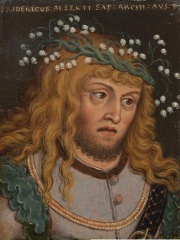
Frederick III, Duke of Austria
POLITICIAN
1347 - 1362
HPI: 65.39
Plaats: 4
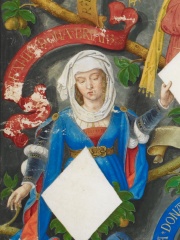
Beatrice of Portugal
POLITICIAN
1347 - 1381
HPI: 63.27
Plaats: 5
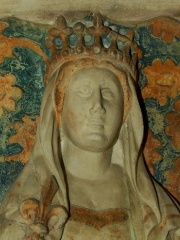
Margaret of Durazzo
POLITICIAN
1347 - 1412
HPI: 62.84
Plaats: 6
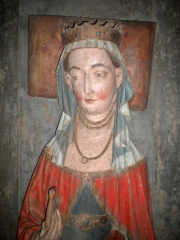
Richardis of Schwerin, Queen of Sweden
COMPANION
1347 - 1377
HPI: 59.64
Plaats: 7
Dorothea of Montau
RELIGIOUS FIGURE
1347 - 1394
HPI: 59.20
Plaats: 8
Anderen overleden in 1394
Naar alle ranglijsten
Emperor Chōkei
POLITICIAN
1343 - 1394
HPI: 65.86
Plaats: 4
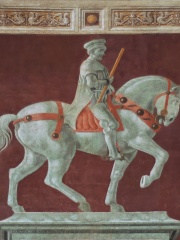
John Hawkwood
POLITICIAN
1320 - 1394
HPI: 64.49
Plaats: 5
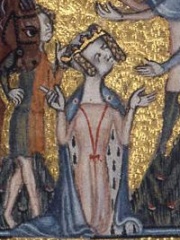
Mary de Bohun
COMPANION
1369 - 1394
HPI: 64.22
Plaats: 6
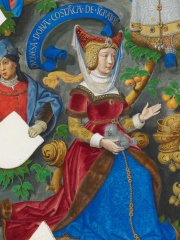
Constance of Castile, Duchess of Lancaster
POLITICIAN
1354 - 1394
HPI: 63.71
Plaats: 7
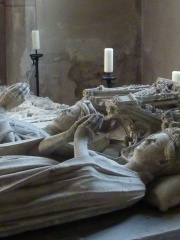
Adolf III of the Marck
NOBLEMAN
1334 - 1394
HPI: 60.98
Plaats: 8
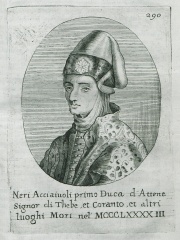
Nerio I Acciaioli
NOBLEMAN
1400 - 1394
HPI: 59.64
Plaats: 9
Dorothea of Montau
RELIGIOUS FIGURE
1347 - 1394
HPI: 59.20
Plaats: 10
Maria Angelina Doukaina Palaiologina
POLITICIAN
1350 - 1394
HPI: 58.79
Plaats: 11
In Polen
Onder de mensen geboren in Polen staat Dorothea of Montau op plaats 763 van NaN. Vóór haar staan Alina Szapocznikow (1926), Kazimierz Bein (1872), Jankel Adler (1895), Hermann Rauschning (1887), Andrzej Munk (1921), en Kurd Lasswitz (1848). Na haar komen Jędrzej Śniadecki (1768), Bartholomaeus Pitiscus (1561), Carl Schuricht (1880), Frederick Ferdinand, Duke of Anhalt-Köthen (1769), Anna Langfus (1920), en Juliusz Kossak (1824).
Anderen geboren in Polen
Naar alle ranglijsten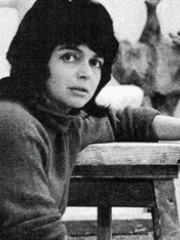
Alina Szapocznikow
SCULPTOR
1926 - 1973
HPI: 59.24
Plaats: 757
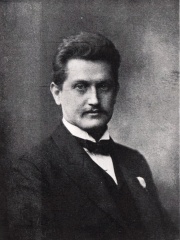
Kazimierz Bein
PHYSICIAN
1872 - 1959
HPI: 59.23
Plaats: 758
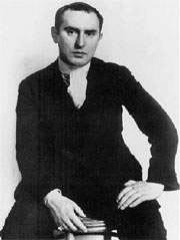
Jankel Adler
PAINTER
1895 - 1949
HPI: 59.23
Plaats: 759
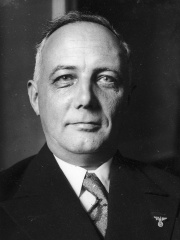
Hermann Rauschning
WRITER
1887 - 1982
HPI: 59.23
Plaats: 760
Andrzej Munk
FILM DIRECTOR
1921 - 1961
HPI: 59.21
Plaats: 761
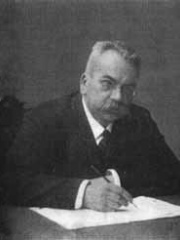
Kurd Lasswitz
WRITER
1848 - 1910
HPI: 59.20
Plaats: 762
Dorothea of Montau
RELIGIOUS FIGURE
1347 - 1394
HPI: 59.20
Plaats: 763
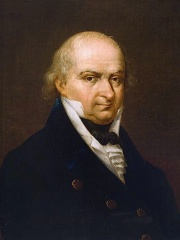
Jędrzej Śniadecki
WRITER
1768 - 1838
HPI: 59.19
Plaats: 764
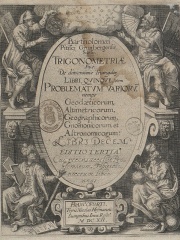
Bartholomaeus Pitiscus
ASTRONOMER
1561 - 1613
HPI: 59.18
Plaats: 765
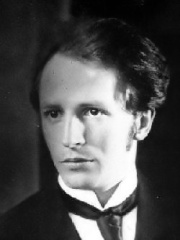
Carl Schuricht
COMPOSER
1880 - 1967
HPI: 59.13
Plaats: 766
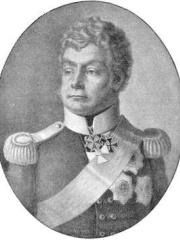
Frederick Ferdinand, Duke of Anhalt-Köthen
POLITICIAN
1769 - 1830
HPI: 59.11
Plaats: 767
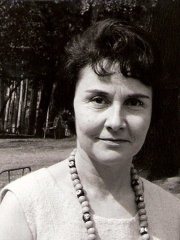
Anna Langfus
WRITER
1920 - 1966
HPI: 59.09
Plaats: 768
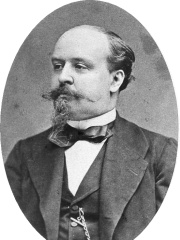
Juliusz Kossak
PAINTER
1824 - 1899
HPI: 59.08
Plaats: 769
Onder Religieuze figuur in Polen
Onder Religieuze figuur geboren in Polen staat Dorothea of Montau op plaats 36. Vóór haar staan Jan Łaski (1499), Józef Glemp (1929), August Hlond (1881), Wincenty Kadłubek (1150), Zenon Grocholewski (1939), en Aleksander Kakowski (1862). Na haar komen Bernhard Lichtenberg (1875), Hypatius Pociej (1541), Michał Sopoćko (1888), Johann Dzierzon (1811), Konrad Krajewski (1963), en Ida Siekmann (1902).
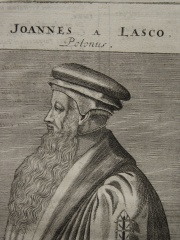
Jan Łaski
1499 - 1560
HPI: 60.47
Plaats: 30
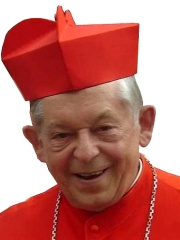
Józef Glemp
1929 - 2013
HPI: 60.35
Plaats: 31
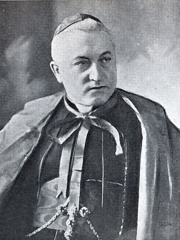
August Hlond
1881 - 1948
HPI: 60.22
Plaats: 32
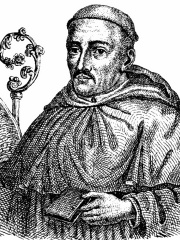
Wincenty Kadłubek
1150 - 1223
HPI: 59.98
Plaats: 33
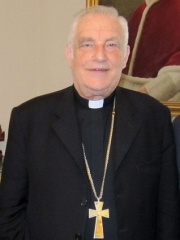
Zenon Grocholewski
1939 - 2020
HPI: 59.76
Plaats: 34
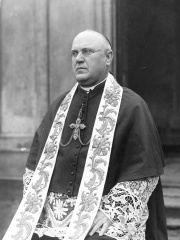
Aleksander Kakowski
1862 - 1938
HPI: 59.58
Plaats: 35
Dorothea of Montau
1347 - 1394
HPI: 59.20
Plaats: 36
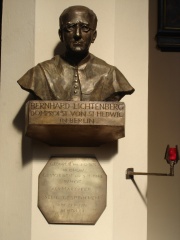
Bernhard Lichtenberg
1875 - 1943
HPI: 59.04
Plaats: 37
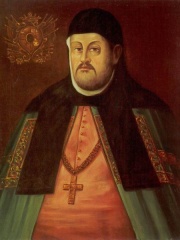
Hypatius Pociej
1541 - 1613
HPI: 58.81
Plaats: 38
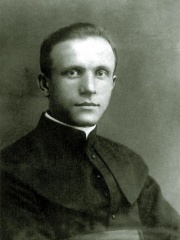
Michał Sopoćko
1888 - 1975
HPI: 58.64
Plaats: 39
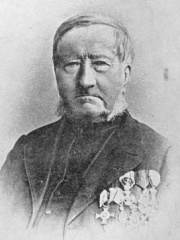
Johann Dzierzon
1811 - 1906
HPI: 58.62
Plaats: 40
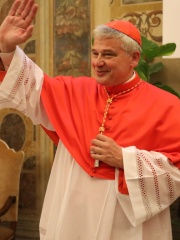
Konrad Krajewski
1963 - heden
HPI: 58.42
Plaats: 41
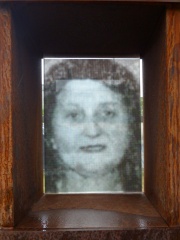
Ida Siekmann
1902 - 1961
HPI: 58.32
Plaats: 42




