Historiador
Festus
390 - 380
VISUALIZAÇÕES EM PT.WIKIPEDIA (PV)
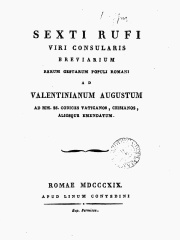
 Festus
Sua biografia está disponível em 24 idiomas na Wikipédia. Festus é o 268º historiador mais popular (caiu do 250º em 2024), a 2801ª biografia mais popular da Itália (caiu do 2765ª em 2019) e o 19º historiador mais popular da Itália.
Métricas de memorabilidade
16k
Visualizações
Últimos 12 meses
59.98
HPI
Índice de Popularidade Histórica
Destaques dos dados
#37,270
Mais de 16 séculos após a morte, Festus ainda ocupa a posição nº 37,270 entre todas as personalidades do Pantheon.
Visualizações da página de Festus por idioma
Entre Historiador
Entre Historiador, Festus ocupa a posição 268 de 561. Antes dele vêm Lucius Coelius Antipater, Philistus, Hermann Conring, Thomas the Archdeacon, Peter Brown, e Frederick Jackson Turner. Depois dele vêm Elishe, André Clot, A. H. M. Jones, Maxime Rodinson, Ahmad Kasravi, e Yitzhak Arad.
Historiador mais populares na Wikipédia
Ver todas as classificações

Lucius Coelius Antipater
180 BC - 120 BC
HPI: 60.08
Posição: 262
Philistus
430 BC - 356 BC
HPI: 60.06
Posição: 263
Hermann Conring
1606 - 1681
HPI: 60.04
Posição: 264

Thomas the Archdeacon
1200 - 1268
HPI: 60.02
Posição: 265
Peter Brown
1935 - presente
HPI: 60.01
Posição: 266
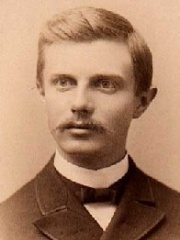
Frederick Jackson Turner
1861 - 1932
HPI: 59.98
Posição: 267
Festus
390 - 380
HPI: 59.98
Posição: 268
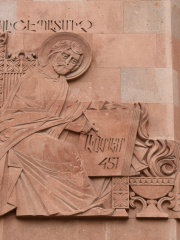
Elishe
410 - 475
HPI: 59.88
Posição: 269

André Clot
1909 - 2002
HPI: 59.88
Posição: 270

A. H. M. Jones
1904 - 1970
HPI: 59.88
Posição: 271
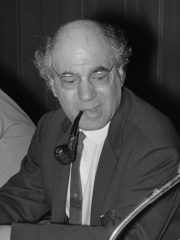
Maxime Rodinson
1915 - 2004
HPI: 59.87
Posição: 272
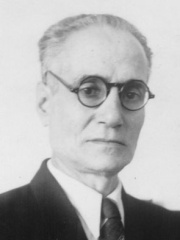
Ahmad Kasravi
1890 - 1946
HPI: 59.84
Posição: 273
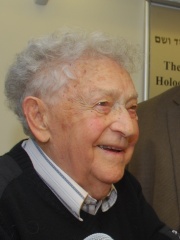
Yitzhak Arad
1926 - 2021
HPI: 59.79
Posição: 274

Contemporâneos
Entre as pessoas nascidas em 390, Festus ocupa a posição 7. Antes dele vêm Pope Leo I, Flavius Aetius, Pope Sixtus III, Bleda, Prosper of Aquitaine, e Jeonji of Baekje. Depois dele vem Faustus of Byzantium. Entre as pessoas falecidas em 380, Festus ocupa a posição 5. Antes dele vêm Samudragupta, Fritigern, Aelius Donatus, e Pope Peter II of Alexandria. Depois dele vem Evagrius of Constantinople.
Outras pessoas nascidas em 390
Ver todas as classificações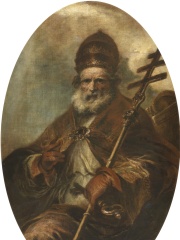
Pope Leo I
RELIGIOUS FIGURE
390 - 461
HPI: 82.81
Posição: 1
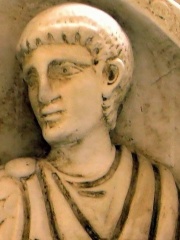
Flavius Aetius
MILITARY PERSONNEL
390 - 454
HPI: 81.25
Posição: 2
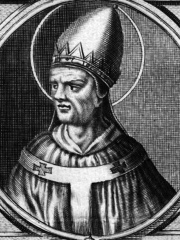
Pope Sixtus III
RELIGIOUS FIGURE
390 - 440
HPI: 77.96
Posição: 3
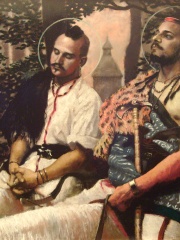
Bleda
POLITICIAN
390 - 444
HPI: 66.80
Posição: 4
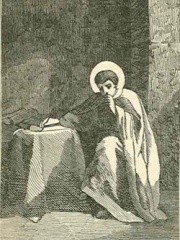
Prosper of Aquitaine
WRITER
390 - 463
HPI: 63.66
Posição: 5

Jeonji of Baekje
POLITICIAN
390 - 420
HPI: 62.01
Posição: 6
Festus
HISTORIAN
390 - 380
HPI: 59.98
Posição: 7

Faustus of Byzantium
HISTORIAN
390 - 500
HPI: 34.32
Posição: 8
Outras pessoas falecidas em 380
Ver todas as classificações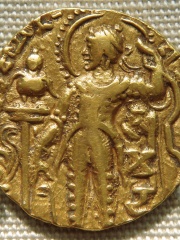
Samudragupta
POLITICIAN
335 - 380
HPI: 69.46
Posição: 1

Fritigern
POLITICIAN
400 - 380
HPI: 68.74
Posição: 2
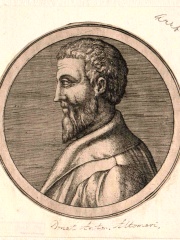
Aelius Donatus
WRITER
320 - 380
HPI: 68.54
Posição: 3

Pope Peter II of Alexandria
RELIGIOUS FIGURE
HPI: 64.82
Posição: 4
Festus
HISTORIAN
390 - 380
HPI: 59.98
Posição: 5

Evagrius of Constantinople
RELIGIOUS FIGURE
350 - 380
HPI: 54.90
Posição: 6
Em Itália
Entre as pessoas nascidas em Itália, Festus ocupa a posição 2,801 de 5,161. Antes dele vêm Luca Guadagnino (1971), Toni Servillo (1959), Giulio Gaudini (1904), Marietta Alboni (1823), Eusebio Kino (1645), e Angela Luce (1938). Depois dele vêm Giuseppe Abbati (1836), Salvatore Sciarrino (1947), Vincenzo Camuccini (1771), Lucius Flavius Silva (40), Attilio Pavesi (1910), e Giorgio Biandrata (1515).
Outras pessoas nascidas em Itália
Ver todas as classificações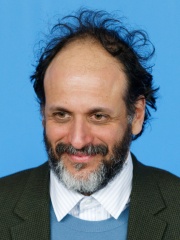
Luca Guadagnino
FILM DIRECTOR
1971 - presente
HPI: 59.99
Posição: 2,795
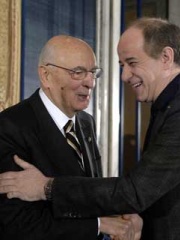
Toni Servillo
ACTOR
1959 - presente
HPI: 59.99
Posição: 2,796
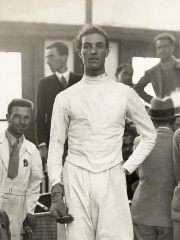
Giulio Gaudini
ATHLETE
1904 - 1948
HPI: 59.99
Posição: 2,797
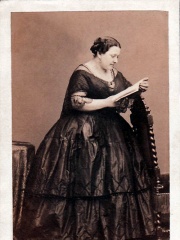
Marietta Alboni
SINGER
1823 - 1894
HPI: 59.98
Posição: 2,798
Eusebio Kino
EXPLORER
1645 - 1711
HPI: 59.98
Posição: 2,799
Angela Luce
ACTOR
1938 - 2026
HPI: 59.98
Posição: 2,800
Festus
HISTORIAN
390 - 380
HPI: 59.98
Posição: 2,801
Giuseppe Abbati
PAINTER
1836 - 1868
HPI: 59.97
Posição: 2,802
Salvatore Sciarrino
COMPOSER
1947 - presente
HPI: 59.97
Posição: 2,803
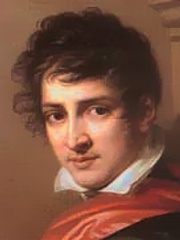
Vincenzo Camuccini
PAINTER
1771 - 1844
HPI: 59.97
Posição: 2,804

Lucius Flavius Silva
MILITARY PERSONNEL
40 - 81
HPI: 59.96
Posição: 2,805
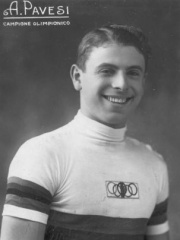
Attilio Pavesi
CYCLIST
1910 - 2011
HPI: 59.96
Posição: 2,806

Giorgio Biandrata
PHYSICIAN
1515 - 1588
HPI: 59.96
Posição: 2,807
Entre Historiador em Itália
Entre Historiador nascidos em Itália, Festus ocupa a posição 19. Antes dele vêm Andrea Alciato (1492), Peter Martyr d'Anghiera (1457), Martino Martini (1614), Antiochus of Syracuse (-450), Annius of Viterbo (1437), e Philistus (-430). Depois dele vêm Marino Sanuto the Younger (1466), Filippo Baldinucci (1625), Quintus Claudius Quadrigarius (-200), Andrea Riccardi (1950), Dino Compagni (1255), e Michele Amari (1806).
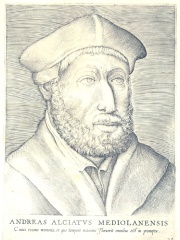
Andrea Alciato
1492 - 1550
HPI: 66.10
Posição: 13

Peter Martyr d'Anghiera
1457 - 1526
HPI: 64.55
Posição: 14
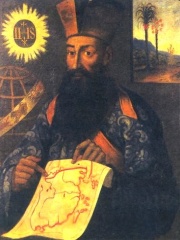
Martino Martini
1614 - 1661
HPI: 62.93
Posição: 15

Antiochus of Syracuse
450 BC - 450 BC
HPI: 62.68
Posição: 16
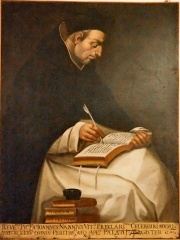
Annius of Viterbo
1437 - 1502
HPI: 61.05
Posição: 17
Philistus
430 BC - 356 BC
HPI: 60.06
Posição: 18
Festus
390 - 380
HPI: 59.98
Posição: 19

Marino Sanuto the Younger
1466 - 1536
HPI: 59.46
Posição: 20
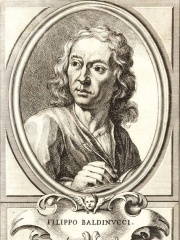
Filippo Baldinucci
1625 - 1697
HPI: 59.04
Posição: 21

Quintus Claudius Quadrigarius
200 BC - 100 BC
HPI: 58.13
Posição: 22
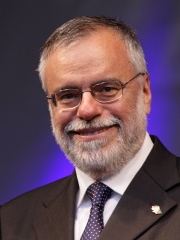
Andrea Riccardi
1950 - presente
HPI: 58.10
Posição: 23
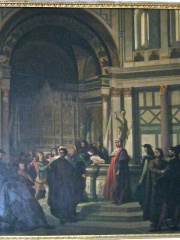
Dino Compagni
1255 - 1324
HPI: 57.67
Posição: 24
Michele Amari
1806 - 1889
HPI: 56.92
Posição: 25




