Historyk
Festus
390 - 380
PL.WIKIPEDIA PAGE VIEWS (PV)
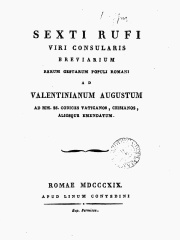
 Festus
Jego biografia jest dostępna w 24 różnych językach w Wikipedii. Festus jest 268. najpopularniejszym historyk (spadek z 250. w 2024 roku), 2799. najpopularniejszą biografią Włochy (spadek z 2765. w 2019 roku) oraz 19. najpopularniejszym historyk Włochy.
Memorability Metrics
16k
Page Views
Past 12 months
59.98
HPI
Historical Popularity Index
Page views of Festus by language
Among Historyks
Among historyks, Festus ranks 268 out of 561. Before him are Lucius Coelius Antipater, Philistus, Hermann Conring, Thomas the Archdeacon, Peter Brown, and Frederick Jackson Turner. After him are Elishe, André Clot, A. H. M. Jones, Maxime Rodinson, Ahmad Kasravi, and Yitzhak Arad.
Most Popular Historyks in Wikipedia
Go to all Rankings

Lucius Coelius Antipater
180 BC - 120 BC
HPI: 60.08
Rank: 262
Philistus
430 BC - 356 BC
HPI: 60.06
Rank: 263
Hermann Conring
1606 - 1681
HPI: 60.04
Rank: 264

Thomas the Archdeacon
1200 - 1268
HPI: 60.02
Rank: 265
Peter Brown
1935 - Present
HPI: 60.01
Rank: 266
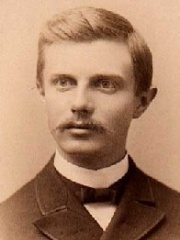
Frederick Jackson Turner
1861 - 1932
HPI: 59.98
Rank: 267
Festus
390 - 380
HPI: 59.98
Rank: 268
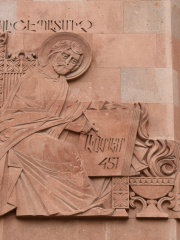
Elishe
410 - 475
HPI: 59.88
Rank: 269

André Clot
1909 - 2002
HPI: 59.88
Rank: 270

A. H. M. Jones
1904 - 1970
HPI: 59.88
Rank: 271
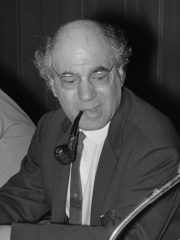
Maxime Rodinson
1915 - 2004
HPI: 59.87
Rank: 272
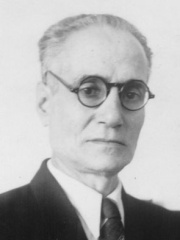
Ahmad Kasravi
1890 - 1946
HPI: 59.84
Rank: 273
Yitzhak Arad
1926 - 2021
HPI: 59.79
Rank: 274

Contemporaries
Among people born in 390, Festus ranks 7. Before him are Pope Leo I, Flavius Aetius, Pope Sixtus III, Bleda, Prosper of Aquitaine, and Jeonji of Baekje. After him is Faustus of Byzantium. Among people deceased in 380, Festus ranks 5. Before him are Samudragupta, Fritigern, Aelius Donatus, and Pope Peter II of Alexandria. After him is Evagrius of Constantinople.
Others Born in 390
Go to all Rankings
Pope Leo I
RELIGIOUS FIGURE
390 - 461
HPI: 82.81
Rank: 1
Flavius Aetius
MILITARY PERSONNEL
390 - 454
HPI: 81.25
Rank: 2
Pope Sixtus III
RELIGIOUS FIGURE
390 - 440
HPI: 77.96
Rank: 3
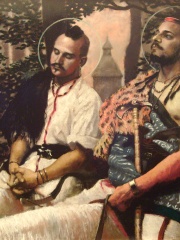
Bleda
POLITICIAN
390 - 444
HPI: 66.80
Rank: 4
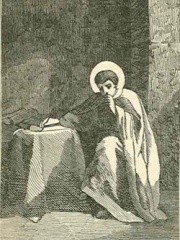
Prosper of Aquitaine
WRITER
390 - 463
HPI: 63.66
Rank: 5

Jeonji of Baekje
POLITICIAN
390 - 420
HPI: 62.01
Rank: 6
Festus
HISTORIAN
390 - 380
HPI: 59.98
Rank: 7

Faustus of Byzantium
HISTORIAN
390 - 500
HPI: 34.32
Rank: 8
Others Deceased in 380
Go to all Rankings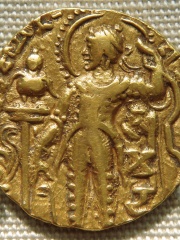
Samudragupta
POLITICIAN
335 - 380
HPI: 69.46
Rank: 1

Fritigern
POLITICIAN
400 - 380
HPI: 68.74
Rank: 2
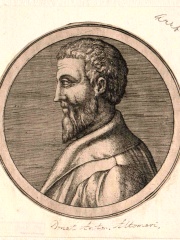
Aelius Donatus
WRITER
320 - 380
HPI: 68.54
Rank: 3

Pope Peter II of Alexandria
RELIGIOUS FIGURE
HPI: 64.82
Rank: 4
Festus
HISTORIAN
390 - 380
HPI: 59.98
Rank: 5

Evagrius of Constantinople
RELIGIOUS FIGURE
350 - 380
HPI: 54.90
Rank: 6
In Włochy
Among people born in Włochy, Festus ranks 2,799 out of NaN. Before him are Luca Guadagnino (1971), Toni Servillo (1959), Giulio Gaudini (1904), Marietta Alboni (1823), Eusebio Kino (1645), and Angela Luce (1938). After him are Giuseppe Abbati (1836), Salvatore Sciarrino (1947), Vincenzo Camuccini (1771), Lucius Flavius Silva (40), Attilio Pavesi (1910), and Giorgio Biandrata (1515).
Others born in Włochy
Go to all Rankings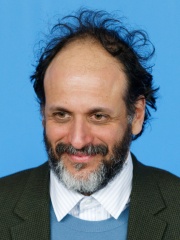
Luca Guadagnino
FILM DIRECTOR
1971 - Present
HPI: 59.99
Rank: 2,793
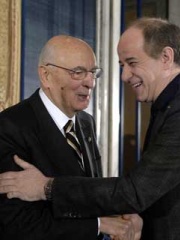
Toni Servillo
ACTOR
1959 - Present
HPI: 59.99
Rank: 2,794
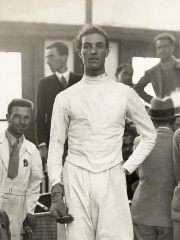
Giulio Gaudini
ATHLETE
1904 - 1948
HPI: 59.99
Rank: 2,795
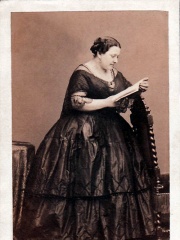
Marietta Alboni
SINGER
1823 - 1894
HPI: 59.98
Rank: 2,796
Eusebio Kino
EXPLORER
1645 - 1711
HPI: 59.98
Rank: 2,797
Angela Luce
ACTOR
1938 - 2026
HPI: 59.98
Rank: 2,798
Festus
HISTORIAN
390 - 380
HPI: 59.98
Rank: 2,799
Giuseppe Abbati
PAINTER
1836 - 1868
HPI: 59.97
Rank: 2,800
Salvatore Sciarrino
COMPOSER
1947 - Present
HPI: 59.97
Rank: 2,801
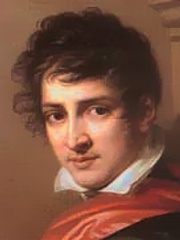
Vincenzo Camuccini
PAINTER
1771 - 1844
HPI: 59.97
Rank: 2,802
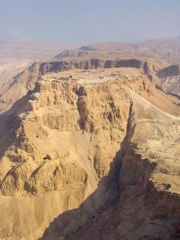
Lucius Flavius Silva
MILITARY PERSONNEL
40 - 81
HPI: 59.96
Rank: 2,803
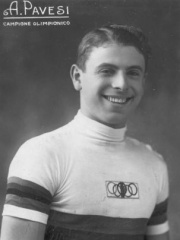
Attilio Pavesi
CYCLIST
1910 - 2011
HPI: 59.96
Rank: 2,804

Giorgio Biandrata
PHYSICIAN
1515 - 1588
HPI: 59.96
Rank: 2,805
Among Historyks In Włochy
Among historyks born in Włochy, Festus ranks 19. Before him are Andrea Alciato (1492), Peter Martyr d'Anghiera (1457), Martino Martini (1614), Antiochus of Syracuse (-450), Annius of Viterbo (1437), and Philistus (-430). After him are Marino Sanuto the Younger (1466), Filippo Baldinucci (1625), Quintus Claudius Quadrigarius (-200), Andrea Riccardi (1950), Dino Compagni (1255), and Michele Amari (1806).
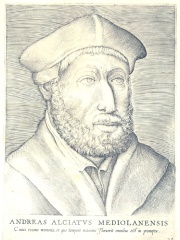
Andrea Alciato
1492 - 1550
HPI: 66.10
Rank: 13

Peter Martyr d'Anghiera
1457 - 1526
HPI: 64.55
Rank: 14
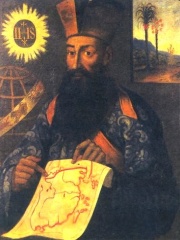
Martino Martini
1614 - 1661
HPI: 62.93
Rank: 15

Antiochus of Syracuse
450 BC - 450 BC
HPI: 62.68
Rank: 16
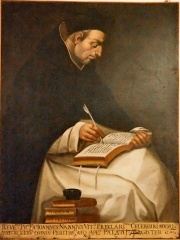
Annius of Viterbo
1437 - 1502
HPI: 61.05
Rank: 17
Philistus
430 BC - 356 BC
HPI: 60.06
Rank: 18
Festus
390 - 380
HPI: 59.98
Rank: 19

Marino Sanuto the Younger
1466 - 1536
HPI: 59.46
Rank: 20
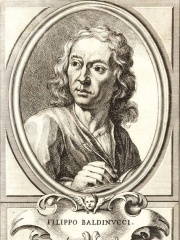
Filippo Baldinucci
1625 - 1697
HPI: 59.04
Rank: 21

Quintus Claudius Quadrigarius
200 BC - 100 BC
HPI: 58.13
Rank: 22
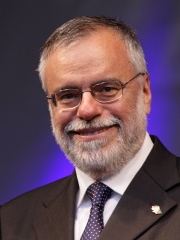
Andrea Riccardi
1950 - Present
HPI: 58.10
Rank: 23
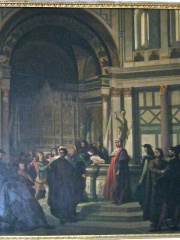
Dino Compagni
1255 - 1324
HPI: 57.67
Rank: 24
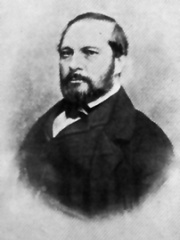
Michele Amari
1806 - 1889
HPI: 56.92
Rank: 25




