Nobre
Thrasimund I of Spoleto
601 - 703

 Thrasimund I of Spoleto
Sua biografia está disponível em 15 idiomas na Wikipédia. Thrasimund I of Spoleto é o 1315º nobre mais popular (caiu do 1221º em 2024), a 3713ª biografia mais popular da Itália (caiu do 3499ª em 2019) e o 108º nobre mais popular da Itália.
Memorability Metrics
2.1k
Page Views
Past 12 months
55.58
HPI
Historical Popularity Index
Page views of Thrasimund I of Spoleto by language
Among Nobres
Among nobres, Thrasimund I of Spoleto ranks 1,315 out of 1,415. Before him are Marie Friederike of Hesse-Kassel, Princess Frederica Caroline of Saxe-Coburg-Saalfeld, Alexander I of Imereti, Cynthia Spencer, Countess Spencer, Shanakdakhete, and Natakamani. After him are David Stewart, Duke of Rothesay, Vakhtang III, Hawise of Normandy, Prince Christian of Denmark, Khuit, and Princess Elisabeth, Duchess of Brabant.
Most Popular Nobres in Wikipedia
Go to all Rankings
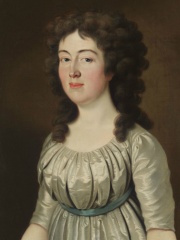
Marie Friederike of Hesse-Kassel
1768 - 1839
HPI: 55.78
Rank: 1,309
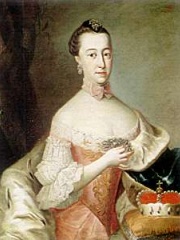
Princess Frederica Caroline of Saxe-Coburg-Saalfeld
1735 - 1791
HPI: 55.71
Rank: 1,310
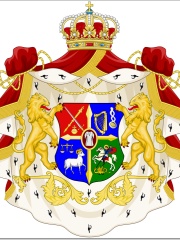
Alexander I of Imereti
1350 - 1389
HPI: 55.70
Rank: 1,311
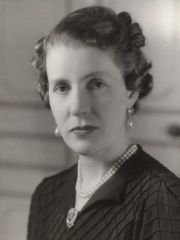
Cynthia Spencer, Countess Spencer
1897 - 1972
HPI: 55.69
Rank: 1,312
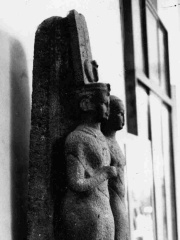
Shanakdakhete
200 BC - 160 BC
HPI: 55.63
Rank: 1,313
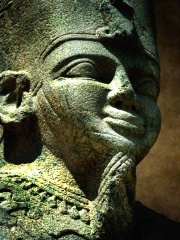
Natakamani
100 BC - 20
HPI: 55.60
Rank: 1,314
Thrasimund I of Spoleto
601 - 703
HPI: 55.58
Rank: 1,315

David Stewart, Duke of Rothesay
1378 - 1402
HPI: 55.57
Rank: 1,316
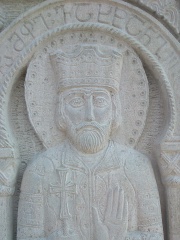
Vakhtang III
1278 - 1308
HPI: 55.55
Rank: 1,317
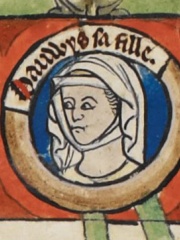
Hawise of Normandy
970 - 1034
HPI: 55.53
Rank: 1,318
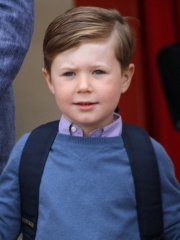
Prince Christian of Denmark
2005 - Present
HPI: 55.52
Rank: 1,319
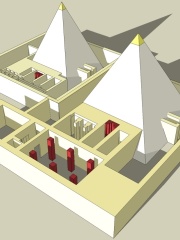
Khuit
HPI: 55.45
Rank: 1,320

Princess Elisabeth, Duchess of Brabant
2001 - Present
HPI: 55.39
Rank: 1,321

Contemporaries
Among people born in 601, Thrasimund I of Spoleto ranks 15. Before him are Ilterish Qaghan, Æthelred of Mercia, Mangsong Mangtsen, Amalberga of Maubeuge, Peada of Mercia, and Cenwalh of Wessex. After him is Óengus I. Among people deceased in 703, Thrasimund I of Spoleto ranks 2. Before him is Empress Jitō.
Others Born in 601
Go to all Rankings
Ilterish Qaghan
POLITICIAN
601 - 693
HPI: 61.48
Rank: 9
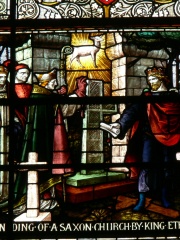
Æthelred of Mercia
POLITICIAN
601 - 716
HPI: 61.02
Rank: 10

Mangsong Mangtsen
RELIGIOUS FIGURE
601 - 676
HPI: 59.22
Rank: 11
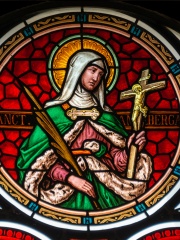
Amalberga of Maubeuge
RELIGIOUS FIGURE
601 - 670
HPI: 57.95
Rank: 12
Peada of Mercia
POLITICIAN
601 - 656
HPI: 57.38
Rank: 13
Cenwalh of Wessex
POLITICIAN
601 - 672
HPI: 56.05
Rank: 14
Thrasimund I of Spoleto
NOBLEMAN
601 - 703
HPI: 55.58
Rank: 15
Óengus I
POLITICIAN
601 - 761
HPI: 55.25
Rank: 16
Others Deceased in 703
Go to all Rankings
Empress Jitō
POLITICIAN
645 - 703
HPI: 68.39
Rank: 1
Thrasimund I of Spoleto
NOBLEMAN
601 - 703
HPI: 55.58
Rank: 2
In Itália
Among people born in Itália, Thrasimund I of Spoleto ranks 3,713 out of NaN. Before him are Gabriele Tarquini (1962), Carlo Luigi Spegazzini (1858), Franco Albini (1905), Bruno Boni (1915), Italo Montemezzi (1875), and Leandro Faggin (1933). After him are Giancarlo Bercellino (1941), Guido Romano (1888), Gianni Morbidelli (1968), Giuseppe Saronni (1957), Francesco Quinn (1963), and Alvaro Vitali (1950).
Others born in Itália
Go to all Rankings
Gabriele Tarquini
RACING DRIVER
1962 - Present
HPI: 55.60
Rank: 3,707

Carlo Luigi Spegazzini
BIOLOGIST
1858 - 1926
HPI: 55.60
Rank: 3,708
Franco Albini
ARCHITECT
1905 - 1977
HPI: 55.60
Rank: 3,709

Bruno Boni
ATHLETE
1915 - 2003
HPI: 55.59
Rank: 3,710
Italo Montemezzi
COMPOSER
1875 - 1952
HPI: 55.59
Rank: 3,711
Leandro Faggin
CYCLIST
1933 - 1970
HPI: 55.58
Rank: 3,712
Thrasimund I of Spoleto
NOBLEMAN
601 - 703
HPI: 55.58
Rank: 3,713
Giancarlo Bercellino
SOCCER PLAYER
1941 - Present
HPI: 55.57
Rank: 3,714
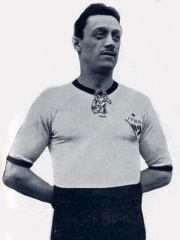
Guido Romano
GYMNAST
1888 - 1916
HPI: 55.57
Rank: 3,715

Gianni Morbidelli
RACING DRIVER
1968 - Present
HPI: 55.57
Rank: 3,716

Giuseppe Saronni
CYCLIST
1957 - Present
HPI: 55.56
Rank: 3,717
Francesco Quinn
ACTOR
1963 - 2011
HPI: 55.56
Rank: 3,718
Alvaro Vitali
ACTOR
1950 - 2025
HPI: 55.56
Rank: 3,719
Among Nobres In Itália
Among nobres born in Itália, Thrasimund I of Spoleto ranks 108. Before him are Castruccio Castracani (1281), Radoald of Benevento (650), Francesco I Gattilusio (1326), Filippo Paulucci (1779), Frederick, Margrave of Tuscany (1040), and Princess Lalla Meryem of Morocco (1962).
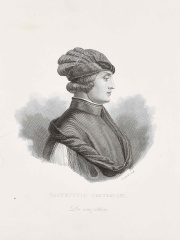
Castruccio Castracani
1281 - 1328
HPI: 58.50
Rank: 102

Radoald of Benevento
650 - 651
HPI: 57.60
Rank: 103
Francesco I Gattilusio
1326 - 1384
HPI: 57.11
Rank: 104
Filippo Paulucci
1779 - 1849
HPI: 56.77
Rank: 105

Frederick, Margrave of Tuscany
1040 - 1053
HPI: 56.48
Rank: 106
Princess Lalla Meryem of Morocco
1962 - Present
HPI: 56.37
Rank: 107
Thrasimund I of Spoleto
601 - 703
HPI: 55.58
Rank: 108




