Ativista social
Emma Goldman
1869 - 1940
VISUALIZAÇÕES EM PT.WIKIPEDIA (PV)
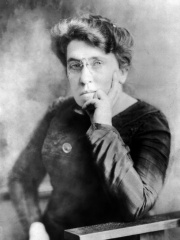
 Emma Goldman
Sua biografia está disponível em 95 idiomas na Wikipédia (aumento em relação a 92 em 2024). Emma Goldman é a 49ª ativista social mais popular (caiu do 47ª em 2024), a 9ª biografia mais popular da Lituânia (subiu do 10ª em 2019) e a ativista social mais popular da Lituânia.
Métricas de memorabilidade
540k
Visualizações
Últimos 12 meses
73.94
HPI
Índice de Popularidade Histórica
Destaques dos dados
#1
Dos 5 Ativista social nascidos em Lituânia, Emma Goldman ocupa o primeiro lugar.
95
A biografia de Emma Goldman aparece em 95 edições de idiomas da Wikipédia — mais do que 98% de todos os Ativista social.
27 de jun.
Emma Goldman faz aniversário no mesmo dia (27 de junho) que Helen Keller, Louis XII of France e Charles IX of France.
Visualizações da página de Emma Goldman por idioma
Entre Ativista social
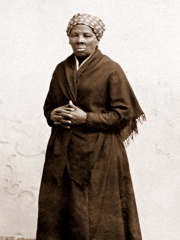
Entre Ativista social, Emma Goldman ocupa a posição 49 de 840. Antes dela vêm Simon bar Kokhba, Olympe de Gouges, Bhagat Singh, Alfred Hermann Fried, Thomas Müntzer, e Sophie Scholl. Depois dela vêm Emmeline Pankhurst, Sakamoto Ryōma, Pheidippides, Jamāl al-Dīn al-Afghānī, Hassan al-Banna, e Harriet Tubman.
Ativista social mais populares na Wikipédia
Ver todas as classificações
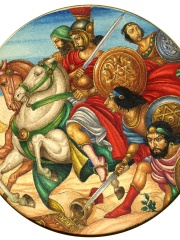
Simon bar Kokhba
50 - 135
HPI: 74.54
Posição: 43
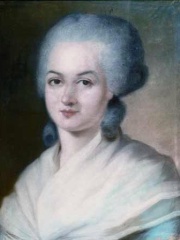
Olympe de Gouges
1748 - 1793
HPI: 74.54
Posição: 44
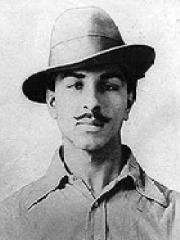
Bhagat Singh
1907 - 1931
HPI: 74.23
Posição: 45
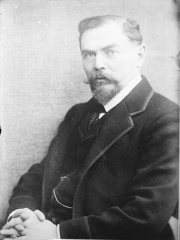
Alfred Hermann Fried
1864 - 1921
HPI: 74.05
Posição: 46
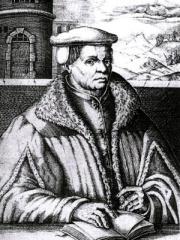
Thomas Müntzer
1489 - 1525
HPI: 74.02
Posição: 47
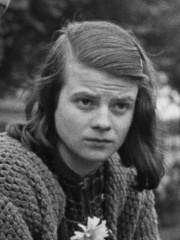
Sophie Scholl
1921 - 1943
HPI: 73.94
Posição: 48
Emma Goldman
1869 - 1940
HPI: 73.94
Posição: 49
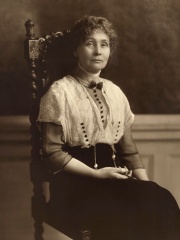
Emmeline Pankhurst
1858 - 1928
HPI: 73.94
Posição: 50
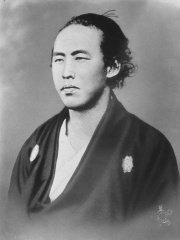
Sakamoto Ryōma
1836 - 1867
HPI: 73.79
Posição: 51
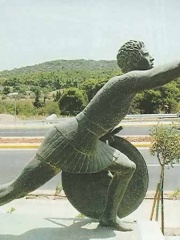
Pheidippides
600 BC - 490 BC
HPI: 73.68
Posição: 52
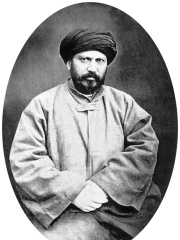
Jamāl al-Dīn al-Afghānī
1837 - 1897
HPI: 73.56
Posição: 53
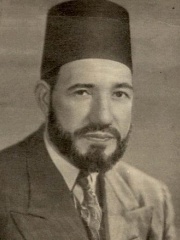
Hassan al-Banna
1906 - 1949
HPI: 73.55
Posição: 54
Harriet Tubman
1820 - 1913
HPI: 73.54
Posição: 55

Contemporâneos
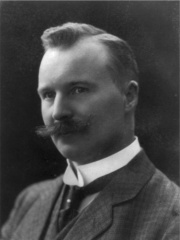
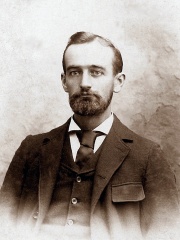
Entre as pessoas nascidas em 1869, Emma Goldman ocupa a posição 14. Antes dela vêm Neville Chamberlain, Gustaf Dalén, Frederick Trump, Nadezhda Krupskaya, Fritz Pregl, e Mary Mallon. Depois dela vêm Bogd Khan, Karl Haushofer, Christian Lous Lange, Harvey Cushing, Hans Spemann, e Siegfried Wagner. Entre as pessoas falecidas em 1940, Emma Goldman ocupa a posição 15. Antes dela vêm Arthur Harden, Nikolai Yezhov, Robert Wadlow, Carl Bosch, Prince Frederick Charles of Hesse, e Verner von Heidenstam. Depois dela vêm Manuel Azaña, John Buchan, Peter Behrens, Isaac Babel, Julius Wagner-Jauregg, e Wladimir Köppen.
Outras pessoas nascidas em 1869
Ver todas as classificações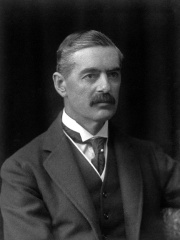
Neville Chamberlain
POLITICIAN
1869 - 1940
HPI: 78.91
Posição: 8
Gustaf Dalén
PHYSICIST
1869 - 1937
HPI: 76.84
Posição: 9
Frederick Trump
EXTREMIST
1869 - 1918
HPI: 76.82
Posição: 10
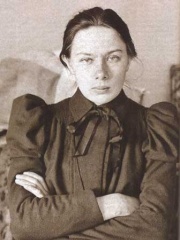
Nadezhda Krupskaya
POLITICIAN
1869 - 1939
HPI: 76.76
Posição: 11
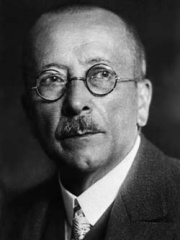
Fritz Pregl
CHEMIST
1869 - 1930
HPI: 76.46
Posição: 12
Mary Mallon
CELEBRITY
1869 - 1938
HPI: 76.08
Posição: 13
Emma Goldman
SOCIAL ACTIVIST
1869 - 1940
HPI: 73.94
Posição: 14
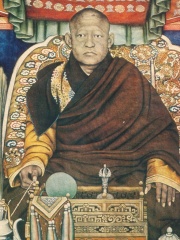
Bogd Khan
POLITICIAN
1869 - 1924
HPI: 73.38
Posição: 15
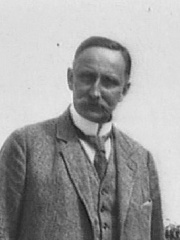
Karl Haushofer
POLITICIAN
1869 - 1946
HPI: 73.28
Posição: 16
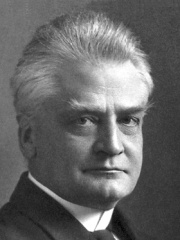
Christian Lous Lange
POLITICAL SCIENTIST
1869 - 1938
HPI: 72.38
Posição: 17
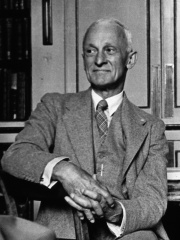
Harvey Cushing
PHYSICIAN
1869 - 1939
HPI: 71.99
Posição: 18
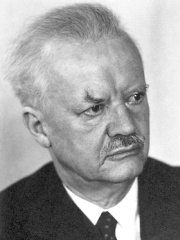
Hans Spemann
BIOLOGIST
1869 - 1941
HPI: 71.56
Posição: 19
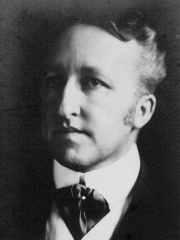
Siegfried Wagner
COMPOSER
1869 - 1930
HPI: 70.65
Posição: 20
Outras pessoas falecidas em 1940
Ver todas as classificações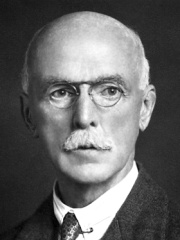
Arthur Harden
CHEMIST
1865 - 1940
HPI: 76.39
Posição: 9
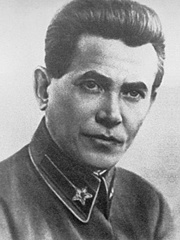
Nikolai Yezhov
POLITICIAN
1895 - 1940
HPI: 75.17
Posição: 10
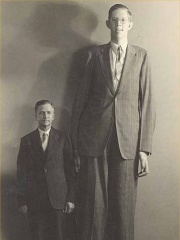
Robert Wadlow
CELEBRITY
1918 - 1940
HPI: 74.95
Posição: 11
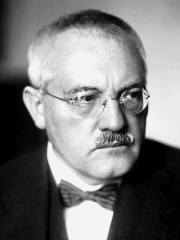
Carl Bosch
CHEMIST
1874 - 1940
HPI: 74.58
Posição: 12
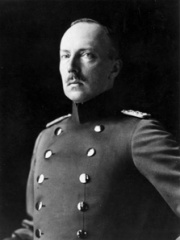
Prince Frederick Charles of Hesse
POLITICIAN
1868 - 1940
HPI: 74.05
Posição: 13
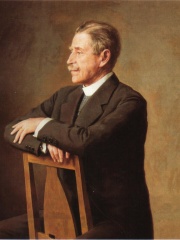
Verner von Heidenstam
WRITER
1859 - 1940
HPI: 74.01
Posição: 14
Emma Goldman
SOCIAL ACTIVIST
1869 - 1940
HPI: 73.94
Posição: 15
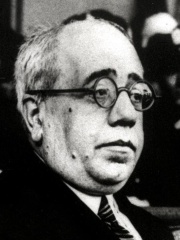
Manuel Azaña
POLITICIAN
1880 - 1940
HPI: 73.62
Posição: 16
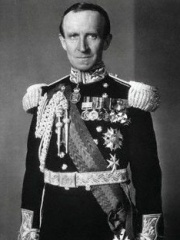
John Buchan
POLITICIAN
1875 - 1940
HPI: 72.90
Posição: 17
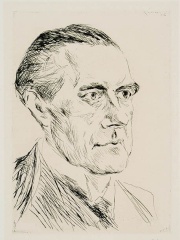
Peter Behrens
ARCHITECT
1868 - 1940
HPI: 72.86
Posição: 18
Isaac Babel
WRITER
1894 - 1940
HPI: 72.61
Posição: 19
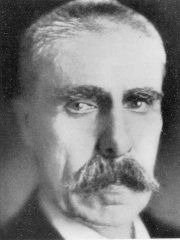
Julius Wagner-Jauregg
PHYSICIAN
1857 - 1940
HPI: 72.48
Posição: 20
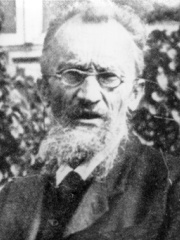
Wladimir Köppen
GEOGRAPHER
1846 - 1940
HPI: 72.08
Posição: 21
Em Lituânia
Entre as pessoas nascidas em Lituânia, Emma Goldman ocupa a posição 9 de 328. Antes dela vêm Emmanuel Levinas (1906), Vytautas (1352), Czesław Miłosz (1911), Gediminas (1275), Mindaugas (1203), e Hermann Minkowski (1864). Depois dela vêm Algirdas (1296), Romain Gary (1914), Eliezer Ben-Yehuda (1858), Wilfrid Voynich (1865), Kęstutis (1297), e Emilia Plater (1806).
Outras pessoas nascidas em Lituânia
Ver todas as classificações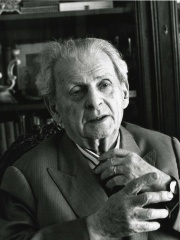
Emmanuel Levinas
PHILOSOPHER
1906 - 1995
HPI: 77.38
Posição: 3
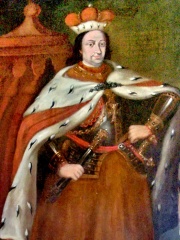
Vytautas
POLITICIAN
1352 - 1430
HPI: 76.28
Posição: 4

Czesław Miłosz
WRITER
1911 - 2004
HPI: 75.74
Posição: 5
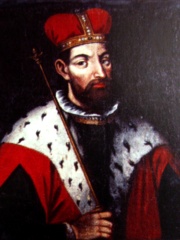
Gediminas
POLITICIAN
1275 - 1341
HPI: 75.42
Posição: 6
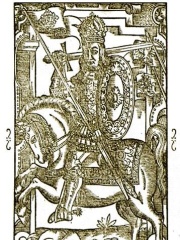
Mindaugas
POLITICIAN
1203 - 1263
HPI: 75.00
Posição: 7
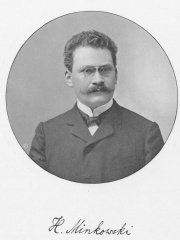
Hermann Minkowski
MATHEMATICIAN
1864 - 1909
HPI: 74.49
Posição: 8
Emma Goldman
SOCIAL ACTIVIST
1869 - 1940
HPI: 73.94
Posição: 9
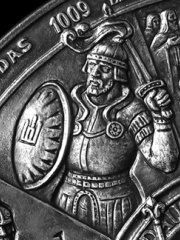
Algirdas
POLITICIAN
1296 - 1377
HPI: 73.76
Posição: 10
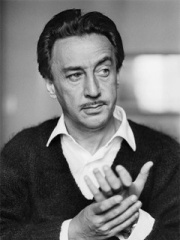
Romain Gary
WRITER
1914 - 1980
HPI: 72.97
Posição: 11
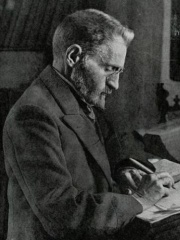
Eliezer Ben-Yehuda
LINGUIST
1858 - 1922
HPI: 72.93
Posição: 12
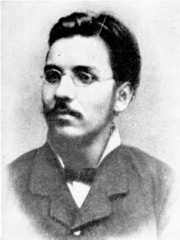
Wilfrid Voynich
CHEMIST
1865 - 1930
HPI: 72.15
Posição: 13
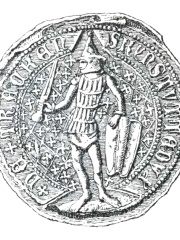
Kęstutis
POLITICIAN
1297 - 1382
HPI: 71.99
Posição: 14
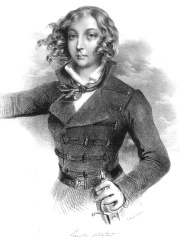
Emilia Plater
SOCIAL ACTIVIST
1806 - 1831
HPI: 71.60
Posição: 15
Entre Ativista social em Lituânia
Entre Ativista social nascidos em Lituânia, Emma Goldman ocupa a posição 1. Depois dela vêm Emilia Plater (1806), Klara Zamenhof (1863), Romas Kalanta (1953), e Iosif Grigulevich (1913).
Emma Goldman
1869 - 1940
HPI: 73.94
Posição: 1
Emilia Plater
1806 - 1831
HPI: 71.60
Posição: 2
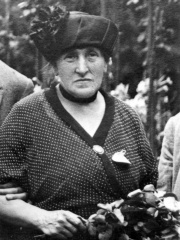
Klara Zamenhof
1863 - 1924
HPI: 60.52
Posição: 3

Romas Kalanta
1953 - 1972
HPI: 58.17
Posição: 4
Iosif Grigulevich
1913 - 1988
HPI: 57.17
Posição: 5




