地理学家
Wladimir Köppen
1846 - 1940
ZH.WIKIPEDIA 页面浏览量 (PV)
 Wladimir Köppen
知名度指标
42k
页面浏览量
过去12个月
72.08
HPI
历史知名度指数
数据洞察
#176 / 4,534
Wladimir Köppen在 Pantheon 收录的 4,534 位出生于俄罗斯的人物中排名第 176,位居该群体前 4%。
Wladimir Köppen的各语言页面浏览量
在地理学家中
在地理学家中,Wladimir Köppen排名第13位(共85人)。 排在他之前的有:Pausanias, Abraham Ortelius, Martin Waldseemüller, Carl Ritter, David Harvey, 和Ferdinand von Richthofen. 排在他之后的有:George Everest, Ya'qubi, Georg Joachim Rheticus, Ibn Khordadbeh, Pomponius Mela, 和Paul Vidal de La Blache.
维基百科上最受欢迎的地理学家
查看全部排名
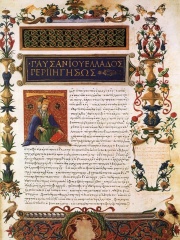
Pausanias
110 - 180
HPI: 76.58
排名: 7
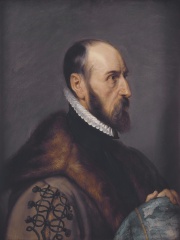
Abraham Ortelius
1527 - 1598
HPI: 76.34
排名: 8
Martin Waldseemüller
1470 - 1520
HPI: 74.02
排名: 9
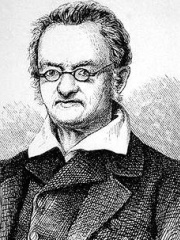
Carl Ritter
1779 - 1859
HPI: 73.45
排名: 10
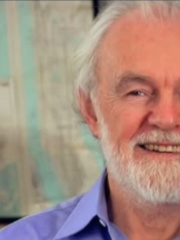
David Harvey
1935 - 至今
HPI: 73.17
排名: 11
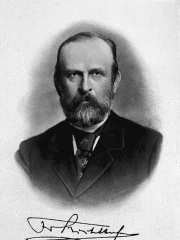
Ferdinand von Richthofen
1833 - 1905
HPI: 72.92
排名: 12
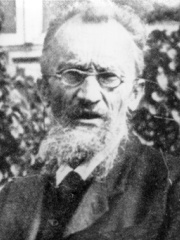
Wladimir Köppen
1846 - 1940
HPI: 72.08
排名: 13
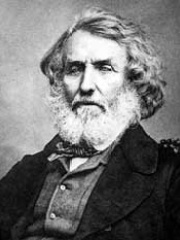
George Everest
1790 - 1866
HPI: 71.39
排名: 14

Ya'qubi
801 - 898
HPI: 71.21
排名: 15
Georg Joachim Rheticus
1514 - 1574
HPI: 70.31
排名: 16

Ibn Khordadbeh
820 - 912
HPI: 70.08
排名: 17

Pomponius Mela
15 - 100
HPI: 69.64
排名: 18
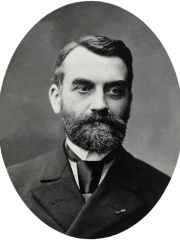
Paul Vidal de La Blache
1845 - 1918
HPI: 68.89
排名: 19

同时代人物
在1846年出生的人中,Wladimir Köppen排名第10位。 排在他之前的有:Peter Carl Fabergé, Wilhelm Maybach, Buffalo Bill, Comte de Lautréamont, George Westinghouse, 和Edmondo De Amicis. 排在他之后的有:Isabel, Princess Imperial of Brazil, Prince Leopold of Bavaria, Elisabeth Förster-Nietzsche, Edward Charles Pickering, Gaston Maspero, 和Émile Gallé. 在1940年去世的人中,Wladimir Köppen排名第21位。 排在他之前的有:Emma Goldman, Manuel Azaña, John Buchan, Peter Behrens, Isaac Babel, 和Julius Wagner-Jauregg. 排在他之后的有:Spyridon Louis, Ze'ev Jabotinsky, Gerda Wegener, Jesse Livermore, Kyösti Kallio, 和Lluís Companys.
其他1846年出生的人
查看全部排名
Peter Carl Fabergé
DESIGNER
1846 - 1920
HPI: 77.25
排名: 4
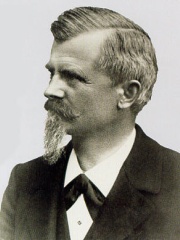
Wilhelm Maybach
INVENTOR
1846 - 1929
HPI: 73.59
排名: 5
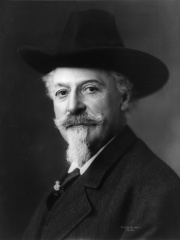
Buffalo Bill
CELEBRITY
1846 - 1917
HPI: 73.42
排名: 6
Comte de Lautréamont
WRITER
1846 - 1870
HPI: 73.06
排名: 7
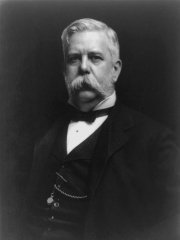
George Westinghouse
INVENTOR
1846 - 1914
HPI: 72.92
排名: 8
Edmondo De Amicis
WRITER
1846 - 1908
HPI: 72.68
排名: 9
Wladimir Köppen
GEOGRAPHER
1846 - 1940
HPI: 72.08
排名: 10
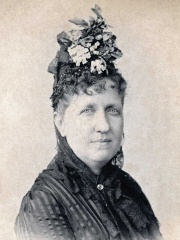
Isabel, Princess Imperial of Brazil
NOBLEMAN
1846 - 1921
HPI: 71.13
排名: 11
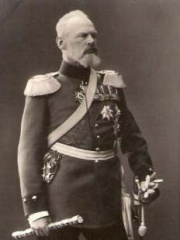
Prince Leopold of Bavaria
NOBLEMAN
1846 - 1930
HPI: 70.40
排名: 12
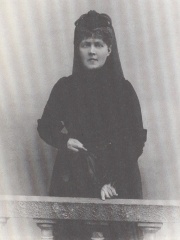
Elisabeth Förster-Nietzsche
COMPANION
1846 - 1935
HPI: 68.65
排名: 13
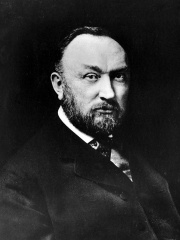
Edward Charles Pickering
ASTRONOMER
1846 - 1919
HPI: 68.48
排名: 14
Gaston Maspero
HISTORIAN
1846 - 1916
HPI: 68.36
排名: 15
Émile Gallé
ARTIST
1846 - 1904
HPI: 68.02
排名: 16
其他1940年去世的人
查看全部排名
Emma Goldman
SOCIAL ACTIVIST
1869 - 1940
HPI: 73.94
排名: 15
Manuel Azaña
POLITICIAN
1880 - 1940
HPI: 73.62
排名: 16
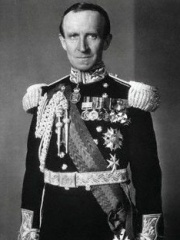
John Buchan
POLITICIAN
1875 - 1940
HPI: 72.90
排名: 17
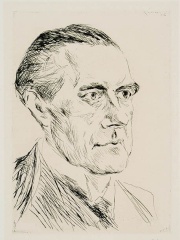
Peter Behrens
ARCHITECT
1868 - 1940
HPI: 72.86
排名: 18
Isaac Babel
WRITER
1894 - 1940
HPI: 72.61
排名: 19
Julius Wagner-Jauregg
PHYSICIAN
1857 - 1940
HPI: 72.48
排名: 20
Wladimir Köppen
GEOGRAPHER
1846 - 1940
HPI: 72.08
排名: 21
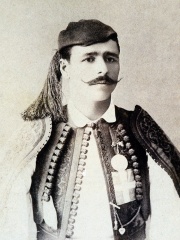
Spyridon Louis
ATHLETE
1873 - 1940
HPI: 71.13
排名: 22
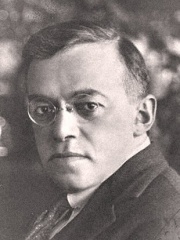
Ze'ev Jabotinsky
WRITER
1880 - 1940
HPI: 71.00
排名: 23
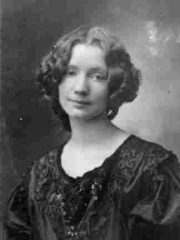
Gerda Wegener
PAINTER
1886 - 1940
HPI: 70.31
排名: 24

Jesse Livermore
BUSINESSPERSON
1877 - 1940
HPI: 69.87
排名: 25
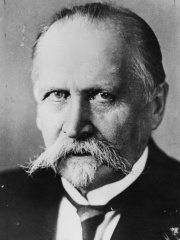
Kyösti Kallio
POLITICIAN
1873 - 1940
HPI: 69.79
排名: 26
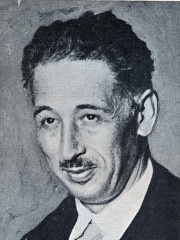
Lluís Companys
POLITICIAN
1882 - 1940
HPI: 69.76
排名: 27
在俄罗斯
在出生于俄罗斯的人中,Wladimir Köppen排名第176位(共4,534人)。 排在他之前的有:El Lissitzky (1890), False Dmitry I (1581), Eduard Limonov (1943), Boris Berezovsky (1946), Alexey Stakhanov (1906), 和Gala Dalí (1894). 排在他之后的有:Alexander Oparin (1894), Vasily Smyslov (1921), Ilya Frank (1908), Gotthard Heinrici (1886), Igor Tamm (1895), 和Anna Netrebko (1971).
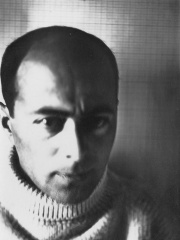
El Lissitzky
ARTIST
1890 - 1941
HPI: 72.35
排名: 170
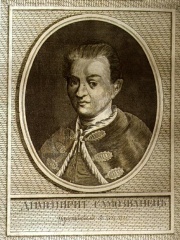
False Dmitry I
POLITICIAN
1581 - 1606
HPI: 72.34
排名: 171

Eduard Limonov
POLITICIAN
1943 - 2020
HPI: 72.30
排名: 172
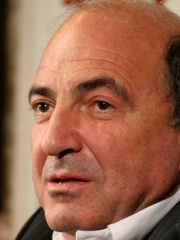
Boris Berezovsky
BUSINESSPERSON
1946 - 2013
HPI: 72.25
排名: 173
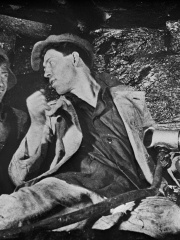
Alexey Stakhanov
SOCIAL ACTIVIST
1906 - 1977
HPI: 72.17
排名: 174
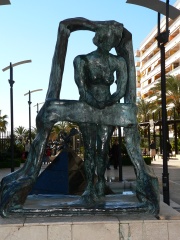
Gala Dalí
COMPANION
1894 - 1982
HPI: 72.16
排名: 175
Wladimir Köppen
GEOGRAPHER
1846 - 1940
HPI: 72.08
排名: 176
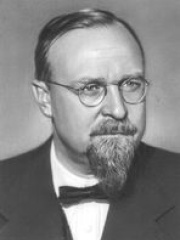
Alexander Oparin
BIOLOGIST
1894 - 1980
HPI: 72.06
排名: 177
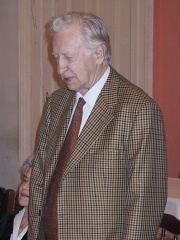
Vasily Smyslov
CHESS PLAYER
1921 - 2010
HPI: 72.03
排名: 178
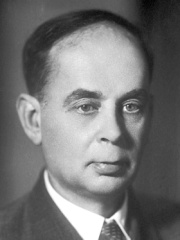
Ilya Frank
PHYSICIST
1908 - 1990
HPI: 72.03
排名: 179
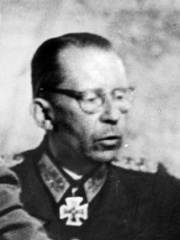
Gotthard Heinrici
MILITARY PERSONNEL
1886 - 1971
HPI: 71.98
排名: 180
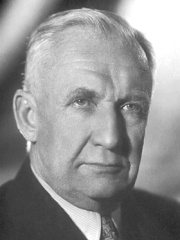
Igor Tamm
PHYSICIST
1895 - 1971
HPI: 71.97
排名: 181
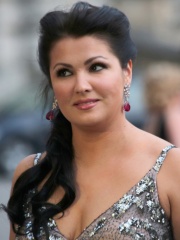
Anna Netrebko
SINGER
1971 - 至今
HPI: 71.96
排名: 182
在俄罗斯的地理学家中
在出生于俄罗斯的地理学家中,Wladimir Köppen排名第1位。 排在他之后的有:Erich von Drygalski (1865), Pyotr Semyonov-Tyan-Shansky (1827), 和Yuly Shokalsky (1856).
Wladimir Köppen
1846 - 1940
HPI: 72.08
排名: 1
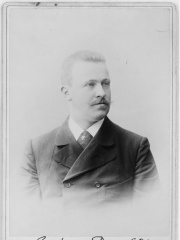
Erich von Drygalski
1865 - 1949
HPI: 62.55
排名: 2
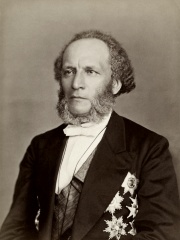
Pyotr Semyonov-Tyan-Shansky
1827 - 1914
HPI: 62.49
排名: 3

Yuly Shokalsky
1856 - 1940
HPI: 55.02
排名: 4




