سياسي
Mohammad Khatami
1943 - حتى اليوم
مشاهدات AR.WIKIPEDIA (PV)
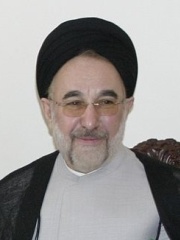
 Mohammad Khatami
سيرته الذاتية متاحة بـ75 لغة مختلفة على ويكيبيديا (زيادة من 74 في 2024). يحتل Mohammad Khatami المرتبة 2,403 بين أكثر سياسي شعبيةً (تراجعًا من 1,456 في 2024)، والمرتبة 82 بين أكثر السير الذاتية شعبيةً في إيران (تراجعًا من 65 في 2019)، كما يحتل المرتبة 41 بين أكثر سياسي من إيران شعبيةً.
مقاييس الشهرة
1.0M
مشاهدات الصفحة
آخر 12 شهرًا
71.09
HPI
مؤشر الشعبية التاريخية
رؤى من البيانات
75
تظهر سيرة Mohammad Khatami في 75 نسخة لغوية من ويكيبيديا، أكثر من 97٪ من جميع سياسي.
مشاهدات صفحة Mohammad Khatami حسب اللغة
من بين سياسي
من بين سياسي، يحتل Mohammad Khatami المرتبة 2,402 من أصل 20,022. قبله يأتي Louis I of Etruria, Alexandre Colonna-Walewski, Theuderic III, Harald Gille, Burebista, وWilliam II of Sicily. بعده يأتي Władysław Gomułka, Zhengde Emperor, Laura Bush, Eleanor of Navarre, Abulfaz Elchibey, وAndrew I of Hungary.
أشهر سياسي على ويكيبيديا
عرض جميع التصنيفات

Louis I of Etruria
1773 - 1803
HPI: 71.11
المرتبة: 2,397
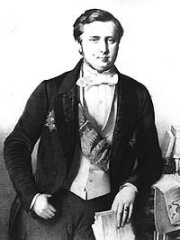
Alexandre Colonna-Walewski
1810 - 1868
HPI: 71.10
المرتبة: 2,398
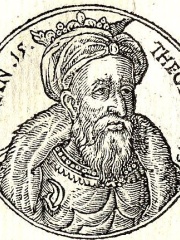
Theuderic III
657 - 691
HPI: 71.10
المرتبة: 2,399
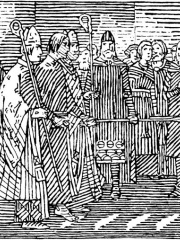
Harald Gille
1103 - 1136
HPI: 71.10
المرتبة: 2,400
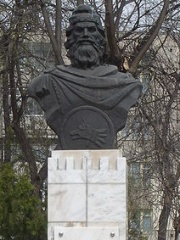
Burebista
82 BC - 44 BC
HPI: 71.09
المرتبة: 2,401
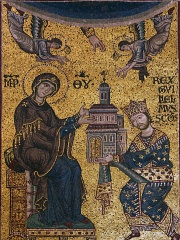
William II of Sicily
1153 - 1189
HPI: 71.09
المرتبة: 2,402
Mohammad Khatami
1943 - حتى الآن
HPI: 71.09
المرتبة: 2,403
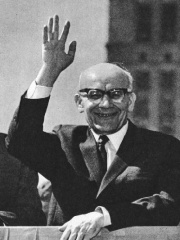
Władysław Gomułka
1905 - 1982
HPI: 71.08
المرتبة: 2,404
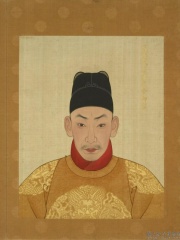
Zhengde Emperor
1491 - 1521
HPI: 71.08
المرتبة: 2,405
Laura Bush
1946 - حتى الآن
HPI: 71.08
المرتبة: 2,406
Eleanor of Navarre
1426 - 1479
HPI: 71.07
المرتبة: 2,407
Abulfaz Elchibey
1938 - 2000
HPI: 71.07
المرتبة: 2,408
Andrew I of Hungary
1010 - 1060
HPI: 71.07
المرتبة: 2,409

معاصرون
من بين المولودين في عام 1943، يحتل Mohammad Khatami المرتبة 51. قبله يأتي Richard Wright, Mario Monti, Ralph M. Steinman, Griselda Blanco, Klaus von Klitzing, وMariss Jansons. بعده يأتي Ólafur Ragnar Grímsson, Antonio Tabucchi, Billie Jean King, Helmut Marko, Johann Deisenhofer, وHanna Schygulla.
آخرون وُلدوا في عام 1943
عرض جميع التصنيفات
Richard Wright
MUSICIAN
1943 - 2008
HPI: 72.00
المرتبة: 45
Mario Monti
POLITICIAN
1943 - حتى الآن
HPI: 71.84
المرتبة: 46
Ralph M. Steinman
BIOLOGIST
1943 - 2011
HPI: 71.77
المرتبة: 47

Griselda Blanco
MAFIOSO
1943 - 2012
HPI: 71.71
المرتبة: 48
Klaus von Klitzing
PHYSICIST
1943 - حتى الآن
HPI: 71.64
المرتبة: 49
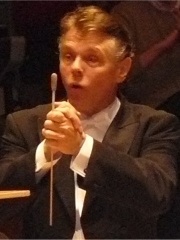
Mariss Jansons
MUSICIAN
1943 - 2019
HPI: 71.29
المرتبة: 50
Mohammad Khatami
POLITICIAN
1943 - حتى الآن
HPI: 71.09
المرتبة: 51
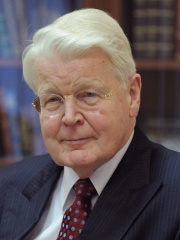
Ólafur Ragnar Grímsson
POLITICIAN
1943 - حتى الآن
HPI: 71.02
المرتبة: 52
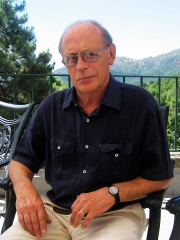
Antonio Tabucchi
WRITER
1943 - 2012
HPI: 70.66
المرتبة: 53
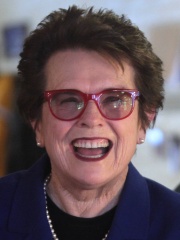
Billie Jean King
TENNIS PLAYER
1943 - حتى الآن
HPI: 70.55
المرتبة: 54
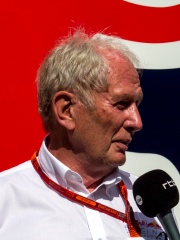
Helmut Marko
RACING DRIVER
1943 - حتى الآن
HPI: 70.49
المرتبة: 55
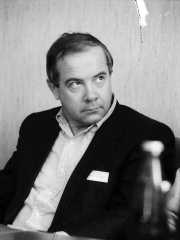
Johann Deisenhofer
CHEMIST
1943 - حتى الآن
HPI: 70.19
المرتبة: 56
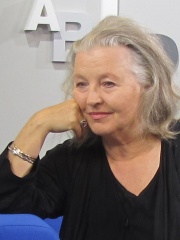
Hanna Schygulla
ACTOR
1943 - حتى الآن
HPI: 70.16
المرتبة: 57
في إيران
من بين المولودين في إيران، يحتل Mohammad Khatami المرتبة 82 من أصل 800. قبله يأتي Babak Khorramdin (798), The Iron Sheik (1942), Akbar Hashemi Rafsanjani (1934), Sogdianus of Persia (-500), Bayazid Bastami (804), وJamshīd al-Kāshī (1380). بعده يأتي Al-Hadi (764), Miskawayh (932), Abdullah al-Mahdi Billah (873), Magtymguly Pyragy (1733), Ismail II (1533), وAbbas II of Persia (1633).
آخرون وُلدوا في إيران
عرض جميع التصنيفات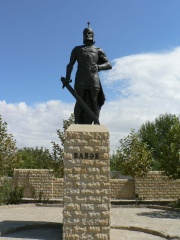
Babak Khorramdin
SOCIAL ACTIVIST
798 - 838
HPI: 71.36
المرتبة: 76
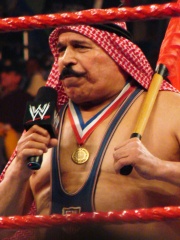
The Iron Sheik
WRESTLER
1942 - 2023
HPI: 71.31
المرتبة: 77
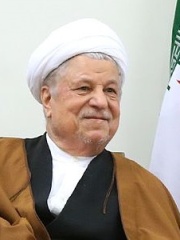
Akbar Hashemi Rafsanjani
POLITICIAN
1934 - 2017
HPI: 71.21
المرتبة: 78
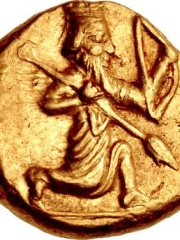
Sogdianus of Persia
POLITICIAN
500 BC - 423 BC
HPI: 71.17
المرتبة: 79
Bayazid Bastami
PHILOSOPHER
804 - 874
HPI: 71.16
المرتبة: 80
Jamshīd al-Kāshī
ASTRONOMER
1380 - 1429
HPI: 71.12
المرتبة: 81
Mohammad Khatami
POLITICIAN
1943 - حتى الآن
HPI: 71.09
المرتبة: 82
Al-Hadi
POLITICIAN
764 - 786
HPI: 71.01
المرتبة: 83

Miskawayh
PHILOSOPHER
932 - 1030
HPI: 70.88
المرتبة: 84
Abdullah al-Mahdi Billah
POLITICIAN
873 - 934
HPI: 70.87
المرتبة: 85
Magtymguly Pyragy
WRITER
1733 - 1807
HPI: 70.86
المرتبة: 86
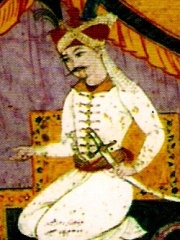
Ismail II
POLITICIAN
1533 - 1577
HPI: 70.82
المرتبة: 87
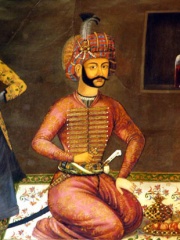
Abbas II of Persia
POLITICIAN
1633 - 1666
HPI: 70.72
المرتبة: 88
من بين سياسي في إيران
من بين سياسي المولودين في إيران، يحتل Mohammad Khatami المرتبة 41. قبله يأتي Cyrus I (-690), Tekuder (1247), Psamtik III (-590), Osroes I (50), Akbar Hashemi Rafsanjani (1934), وSogdianus of Persia (-500). بعده يأتي Al-Hadi (764), Abdullah al-Mahdi Billah (873), Ismail II (1533), Abbas II of Persia (1633), Abu Sa'id Bahadur Khan (1305), وBarkiyaruq (1081).
Cyrus I
690 BC - 580 BC
HPI: 72.49
المرتبة: 35
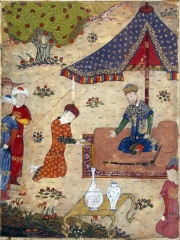
Tekuder
1247 - 1284
HPI: 72.05
المرتبة: 36
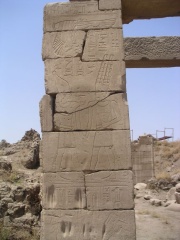
Psamtik III
590 BC - 525 BC
HPI: 71.44
المرتبة: 37
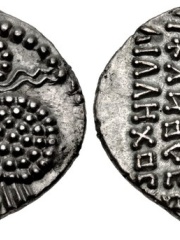
Osroes I
50 - 129
HPI: 71.40
المرتبة: 38
Akbar Hashemi Rafsanjani
1934 - 2017
HPI: 71.21
المرتبة: 39
Sogdianus of Persia
500 BC - 423 BC
HPI: 71.17
المرتبة: 40
Mohammad Khatami
1943 - حتى الآن
HPI: 71.09
المرتبة: 41
Al-Hadi
764 - 786
HPI: 71.01
المرتبة: 42
Abdullah al-Mahdi Billah
873 - 934
HPI: 70.87
المرتبة: 43
Ismail II
1533 - 1577
HPI: 70.82
المرتبة: 44
Abbas II of Persia
1633 - 1666
HPI: 70.72
المرتبة: 45
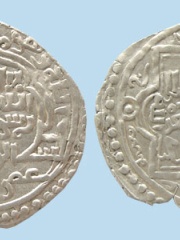
Abu Sa'id Bahadur Khan
1305 - 1335
HPI: 70.59
المرتبة: 46
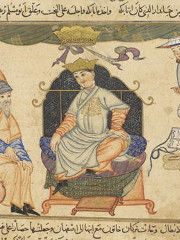
Barkiyaruq
1081 - 1104
HPI: 70.56
المرتبة: 47




