Polityk
As-Salih Ayyub
1205 - 1249
PL.WIKIPEDIA PAGE VIEWS (PV)
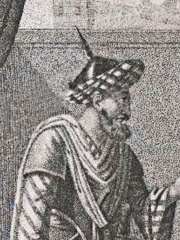
 As-Salih Ayyub
Jego biografia jest dostępna w 25 różnych językach w Wikipedii. As-Salih Ayyub jest 4478. najpopularniejszym polityk (spadek z 3165. w 2024 roku), 212. najpopularniejszą biografią Egipt (spadek z 170. w 2019 roku) oraz 101. najpopularniejszym polityk Egipt.
Memorability Metrics
80k
Page Views
Past 12 months
67.22
HPI
Historical Popularity Index
Page views of As-Salih Ayyub by language
Among Polityks
Among polityks, As-Salih Ayyub ranks 4,476 out of 19,576. Before him are Gracia Mendes Nasi, Soghomon Tehlirian, Pausanias of Sparta, Yves Leterme, Philip William, Elector Palatine, and Julius Paulus Prudentissimus. After him are António, Prior of Crato, Kim Yong-il, Malcolm I of Scotland, Aristobulus IV, Mohammed Badie, and Heng Samrin.
Most Popular Polityks in Wikipedia
Go to all Rankings

Gracia Mendes Nasi
1510 - 1569
HPI: 67.23
Rank: 4,472
Soghomon Tehlirian
1896 - 1960
HPI: 67.23
Rank: 4,473

Pausanias of Sparta
HPI: 67.23
Rank: 4,474

Yves Leterme
1960 - Present
HPI: 67.22
Rank: 4,475
Philip William, Elector Palatine
1615 - 1690
HPI: 67.22
Rank: 4,476
Julius Paulus Prudentissimus
190 - 220
HPI: 67.22
Rank: 4,477
As-Salih Ayyub
1205 - 1249
HPI: 67.22
Rank: 4,478
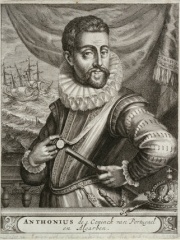
António, Prior of Crato
1531 - 1595
HPI: 67.22
Rank: 4,479

Kim Yong-il
1944 - Present
HPI: 67.22
Rank: 4,480
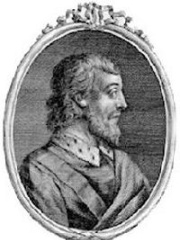
Malcolm I of Scotland
801 - 954
HPI: 67.21
Rank: 4,481
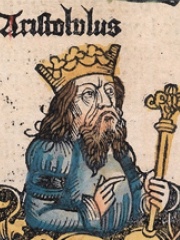
Aristobulus IV
31 BC - 7 BC
HPI: 67.21
Rank: 4,482
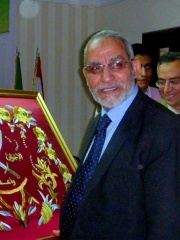
Mohammed Badie
1943 - Present
HPI: 67.21
Rank: 4,483

Heng Samrin
1934 - Present
HPI: 67.21
Rank: 4,484

Contemporaries
Among people born in 1205, As-Salih Ayyub ranks 5. Before him are Pope Adrian V, Razia Sultana, Wenceslaus I of Bohemia, and Tannhäuser. After him are Emperor Lizong, Elisabeth of Swabia, Michael II Komnenos Doukas, Demetrius of Montferrat, and Guy I de la Roche. Among people deceased in 1249, As-Salih Ayyub ranks 2. Before him is Raymond VII, Count of Toulouse. After him are Alexander II of Scotland, Jacopo Tiepolo, Hugh X of Lusignan, Archambaud IX of Bourbon, John I, Count of Dreux, Abu Zakariya Yahya, and Mikhail Khorobrit.
Others Born in 1205
Go to all Rankings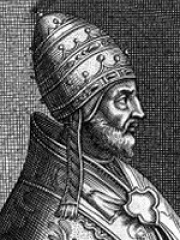
Pope Adrian V
RELIGIOUS FIGURE
1205 - 1276
HPI: 79.53
Rank: 1
Razia Sultana
POLITICIAN
1205 - 1240
HPI: 79.00
Rank: 2
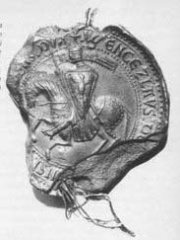
Wenceslaus I of Bohemia
POLITICIAN
1205 - 1253
HPI: 70.35
Rank: 3
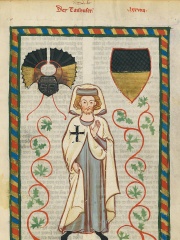
Tannhäuser
WRITER
1205 - 1270
HPI: 67.38
Rank: 4
As-Salih Ayyub
POLITICIAN
1205 - 1249
HPI: 67.22
Rank: 5

Emperor Lizong
POLITICIAN
1205 - 1264
HPI: 64.92
Rank: 6

Elisabeth of Swabia
NOBLEMAN
1205 - 1235
HPI: 64.68
Rank: 7
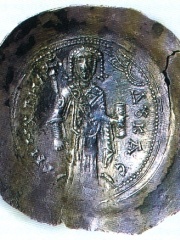
Michael II Komnenos Doukas
POLITICIAN
1205 - 1271
HPI: 62.89
Rank: 8

Demetrius of Montferrat
POLITICIAN
1205 - 1227
HPI: 59.07
Rank: 9

Guy I de la Roche
POLITICIAN
1205 - 1263
HPI: 58.20
Rank: 10
Others Deceased in 1249
Go to all Rankings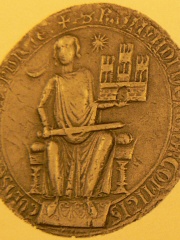
Raymond VII, Count of Toulouse
POLITICIAN
1197 - 1249
HPI: 67.23
Rank: 1
As-Salih Ayyub
POLITICIAN
1205 - 1249
HPI: 67.22
Rank: 2
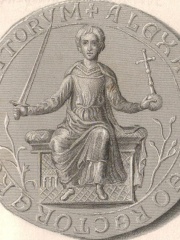
Alexander II of Scotland
POLITICIAN
1198 - 1249
HPI: 66.88
Rank: 3

Jacopo Tiepolo
POLITICIAN
1150 - 1249
HPI: 63.71
Rank: 4
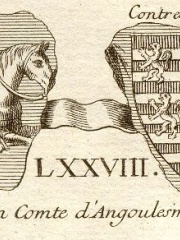
Hugh X of Lusignan
POLITICIAN
1185 - 1249
HPI: 61.37
Rank: 5
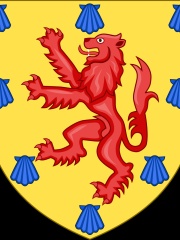
Archambaud IX of Bourbon
NOBLEMAN
1212 - 1249
HPI: 60.21
Rank: 6

John I, Count of Dreux
NOBLEMAN
1215 - 1249
HPI: 59.16
Rank: 7
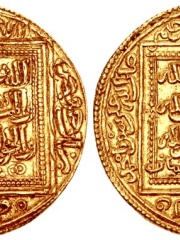
Abu Zakariya Yahya
POLITICIAN
1203 - 1249
HPI: 58.54
Rank: 8
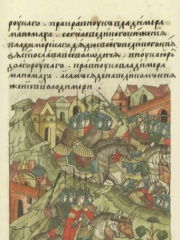
Mikhail Khorobrit
POLITICIAN
1229 - 1249
HPI: 57.53
Rank: 9
In Egipt
Among people born in Egipt, As-Salih Ayyub ranks 212 out of NaN. Before him are Kiya (-1400), Tetisheri (-1600), Meketaten (-1348), Hemiunu (-2500), An-Nasir Muhammad (1285), and Dhul-Nun al-Misri (796). After him are Mohammed Badie (1943), Al-Tahawi (853), Farida of Egypt (1921), Neferure (-1500), Al-Maqrizi (1364), and Psusennes II (-1100).
Others born in Egipt
Go to all Rankings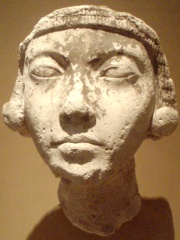
Kiya
POLITICIAN
1400 BC - 1400 BC
HPI: 67.46
Rank: 206
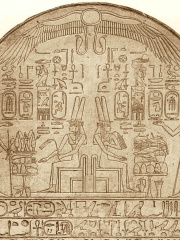
Tetisheri
POLITICIAN
1600 BC - 1540 BC
HPI: 67.40
Rank: 207
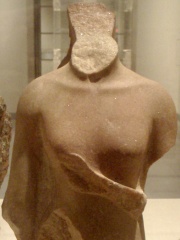
Meketaten
COMPANION
1348 BC - 1338 BC
HPI: 67.38
Rank: 208
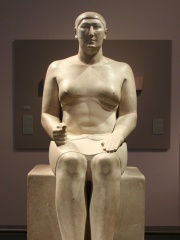
Hemiunu
ARCHITECT
2500 BC - 2501 BC
HPI: 67.31
Rank: 209
An-Nasir Muhammad
POLITICIAN
1285 - 1341
HPI: 67.30
Rank: 210

Dhul-Nun al-Misri
PHILOSOPHER
796 - 859
HPI: 67.23
Rank: 211
As-Salih Ayyub
POLITICIAN
1205 - 1249
HPI: 67.22
Rank: 212
Mohammed Badie
POLITICIAN
1943 - Present
HPI: 67.21
Rank: 213

Al-Tahawi
LAWYER
853 - 935
HPI: 67.02
Rank: 214
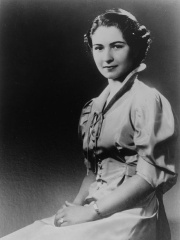
Farida of Egypt
COMPANION
1921 - 1988
HPI: 66.98
Rank: 215
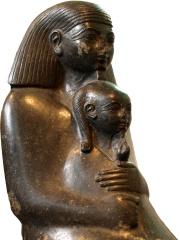
Neferure
POLITICIAN
1500 BC - 1500 BC
HPI: 66.95
Rank: 216

Al-Maqrizi
HISTORIAN
1364 - 1442
HPI: 66.91
Rank: 217
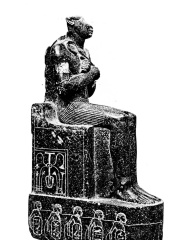
Psusennes II
PHYSICIAN
1100 BC - 945 BC
HPI: 66.89
Rank: 218
Among Polityks In Egipt
Among polityks born in Egipt, As-Salih Ayyub ranks 101. Before him are Thamphthis (-2600), Mentuhotep III (-2050), Autobiography of Harkhuf (-2300), Kiya (-1400), Tetisheri (-1600), and An-Nasir Muhammad (1285). After him are Mohammed Badie (1943), Neferure (-1500), Abd al-Aziz ibn Musa (700), Al-Mustansir Billah (1029), Neferkaure (-2150), and Abdel Hakim Amer (1919).

Thamphthis
2600 BC - 2560 BC
HPI: 67.79
Rank: 95
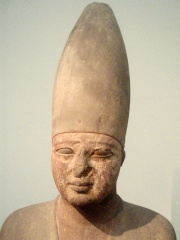
Mentuhotep III
2050 BC - 2005 BC
HPI: 67.63
Rank: 96
Autobiography of Harkhuf
2300 BC - 2259 BC
HPI: 67.47
Rank: 97
Kiya
1400 BC - 1400 BC
HPI: 67.46
Rank: 98
Tetisheri
1600 BC - 1540 BC
HPI: 67.40
Rank: 99
An-Nasir Muhammad
1285 - 1341
HPI: 67.30
Rank: 100
As-Salih Ayyub
1205 - 1249
HPI: 67.22
Rank: 101
Mohammed Badie
1943 - Present
HPI: 67.21
Rank: 102
Neferure
1500 BC - 1500 BC
HPI: 66.95
Rank: 103

Abd al-Aziz ibn Musa
700 - 716
HPI: 66.86
Rank: 104
Al-Mustansir Billah
1029 - 1094
HPI: 66.71
Rank: 105
Neferkaure
2150 BC - 2200 BC
HPI: 66.70
Rank: 106
Abdel Hakim Amer
1919 - 1967
HPI: 66.44
Rank: 107




